

CPTPP - key market for Vietnamese seafood
Accordingly, data compiled by the Vietnam Association of Seafood Exporters and Producers (VASEP) shows that in November 2025, Vietnam's seafood exports reached nearly 990 million USD, an increase of 6.6% over the same period in 2024.
In the context of the volatile world market, Ms. Le Hang - Deputy Secretary General of VASEP said that this result shows the proactiveness of businesses in promoting delivery before the time the United States plans to apply new regulations on seafood imports and before the final result of the anti-dumping lawsuit on shrimp products.
According to statistics from this unit, in November 2025, many key product groups recorded a significant increase compared to November 2024. Shrimp reached over 385 million USD, up 11.7%, of which white-leg shrimp and lobster both grew by double digits. Pangasius reached nearly 197 million USD, up 9.7%; other fish, squid and mollusks continued to show an improving trend.
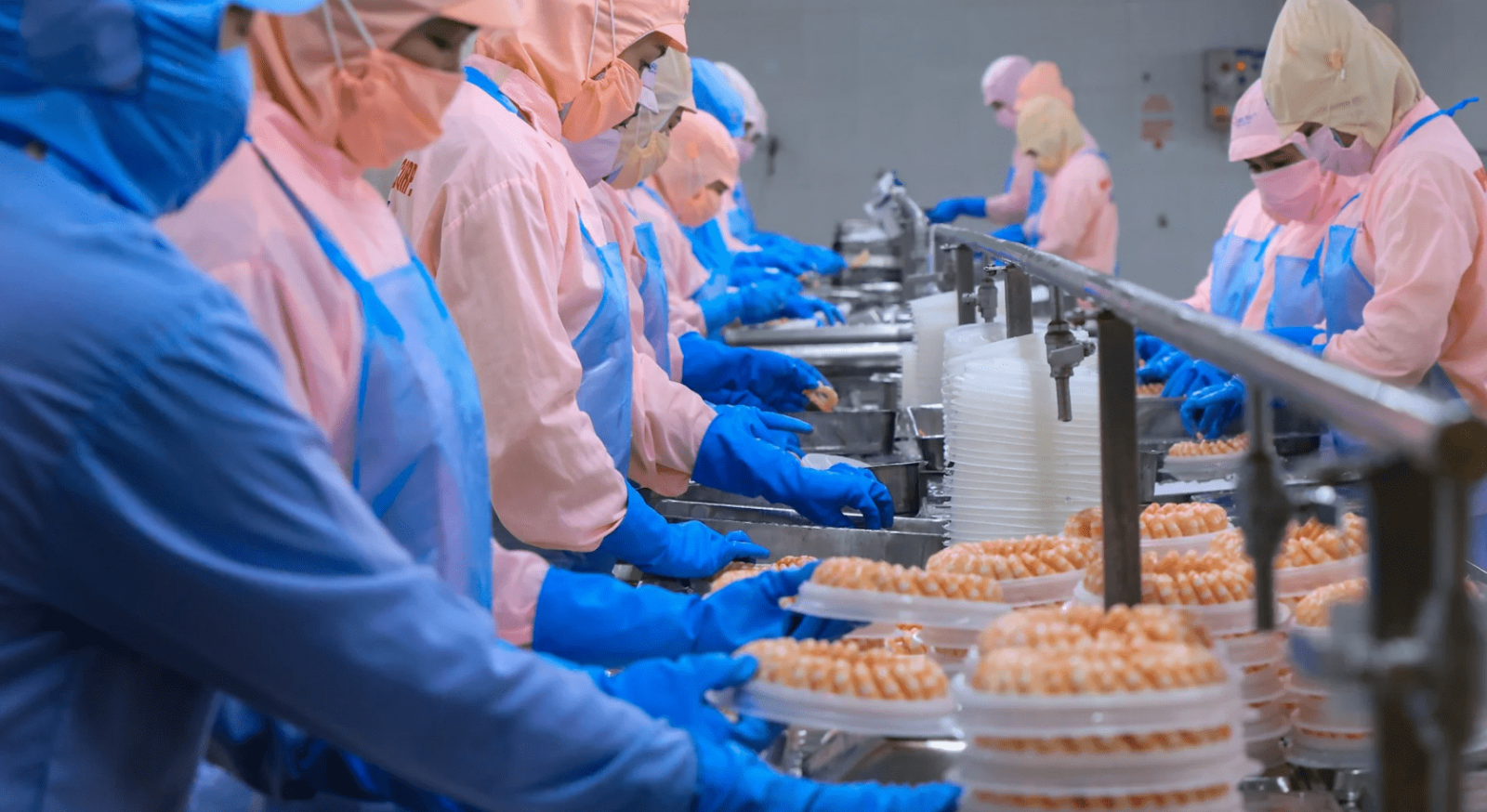
November 2025, seafood exports to CPTPP markets continue to grow
Regarding export markets, in November 2025, exports to CPTPP countries grew strongly, followed by Hong Kong (China), EU, Brazil... while exports to the US market decreased slightly by nearly 5%.
In the first 11 months of 2025, seafood exports reached over 10.5 billion USD, up 14.6% over the same period. Of which, shrimp reached 4.31 billion USD, up 21.2%, continuing to be the leading growth sector; pangasius reached over 2 billion USD, up 9%; tuna reached 855.7 million USD; molluscs, marine fish and value-added products maintained double-digit growth.
Regarding the market, in the 11 months of 2025, CPTPP accounted for the largest proportion of up to 27.2% and increased sharply by 24.3%; Hong Kong (China) increased by 30.6%; EU increased by 11.9%; while the US reached 1.78 billion USD, increased by 8.1% but showed signs of slowing down in the fourth quarter.
Entering December 2025, VASEP believes that seafood exports will decrease, forecast to decrease slightly compared to November, due to seasonal factors and cautious sentiment of businesses when trading with the United States. Many businesses temporarily limit signing new seafood orders to the United States until official guidelines on new regulations are issued. However, shrimp exports may remain at the same level as November or only decrease slightly thanks to stable demand in Japan, the EU and CPTPP.
Based on the results of the 11 months and the year-end outlook, Vietnam's seafood exports are expected to set a new record in 2025, reaching 11.2 - 11.3 billion USD, the highest level ever. Of which: Shrimp is expected to exceed 4.6 billion USD, becoming the industry to set a new record; Pangasius is estimated to reach over 2.1 billion USD thanks to recovering demand in Asia and China; Tuna is forecast to reach over 900 million USD, approaching the 1 billion USD mark.
With positive growth results in 2025, Vietnam's seafood industry continues to consolidate its supply position in many major markets. However, the US tightening of import requirements from 2026 poses a significant challenge. Enterprises need to carefully prepare for supply chain transparency, compliance with labor standards, combating IUU fishing and increasing the proportion of value-added products to meet the increasing demands of the market.
Focus on taking advantage of origin incentives
As VASEP informed, in the first 11 months of 2025, the main export market of Vietnamese seafood products will be the CPTPP member countries.
Since coming into effect, CPTPP has been considered an important stepping stone for the seafood industry to “take off”. The implementation of FTAs always creates favorable conditions for businesses to expand and diversify markets, bringing Vietnamese seafood deeper into the global production and supply chain.
Fisheries is one of the industries that takes advantage of opportunities from FTAs in general and CPTPP in particular. This is not too surprising because fisheries in particular and the agriculture, forestry and fishery sectors in general have a relatively high level of taking advantage of incentives from FTAs, the reason being that we mainly use domestic raw materials, thus meeting the rules of origin.
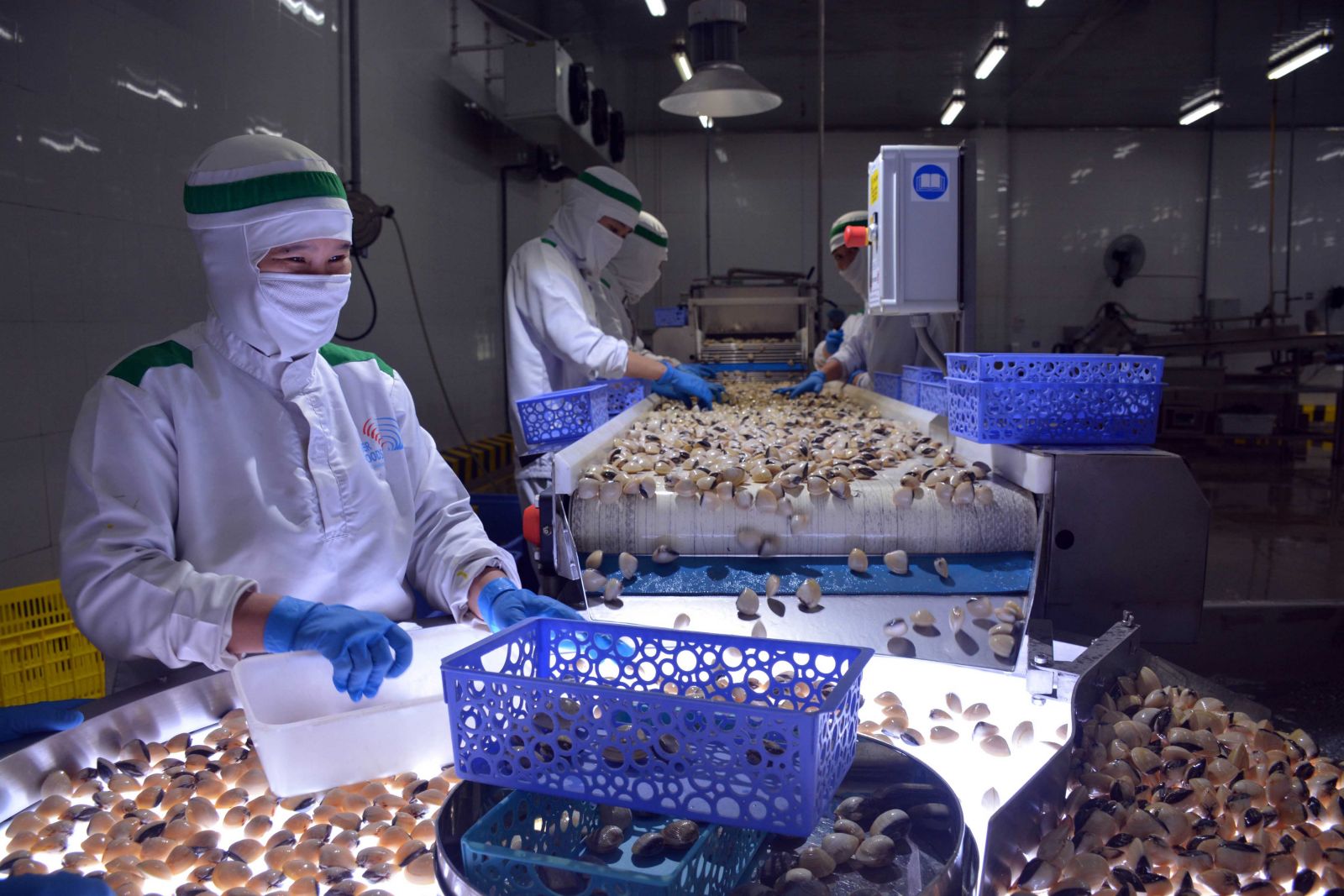
CPTPP is considered an important stepping stone for the seafood industry to "take off".
However, for some new markets, the level of utilization of the CPTPP Agreement is good, but in some markets where Vietnam has many FTAs at the same time, the question is which Agreement brings the most benefits to businesses.
Besides, in recent times, seafood enterprises have been considered as the leading enterprises in previous integration and later FTAs in taking advantage of tariff incentives and meeting the rules of origin.
Besides the advantages, according to VASEP, for the seafood industry, the biggest difficulty that is reducing the level of taking advantage of tariff advantages is the lack of domestic raw materials, especially seafood raw materials. Meanwhile, the CPTPP market block is a market block that consumes a large amount of seafood from Vietnam, especially in the Japanese market.
To meet the demand for orders and the needs of countries around the world, businesses are forced to switch to importing raw materials from countries in the CPTPP bloc and other countries. This means we are giving opportunities to other countries' markets when we have the opportunity of 0% import tax.
Due to lack of raw materials, increasing input costs..., choosing to produce value-added goods and taking advantage of import tax incentives under the CPTPP Agreement are solutions for many businesses to both stabilize employment for workers and take advantage of processing capacity.
There is still a lot of room for Vietnamese seafood in the CPTPP market. However, it is important that we have a stable source of raw materials domestically, as well as diversifying import sources from countries within the bloc.
Source: https://moit.gov.vn/tin-tuc/11-thang-nam-2025-xuat-khau-thuy-san-sang-cptpp-tang-24-3-.html



![[Photo] Urgently help people soon have a place to live and stabilize their lives](/_next/image?url=https%3A%2F%2Fvphoto.vietnam.vn%2Fthumb%2F1200x675%2Fvietnam%2Fresource%2FIMAGE%2F2025%2F12%2F09%2F1765248230297_c-jpg.webp&w=3840&q=75)









































![[Photo] General Secretary To Lam works with the Standing Committees of the 14th Party Congress Subcommittees](https://vphoto.vietnam.vn/thumb/402x226/vietnam/resource/IMAGE/2025/12/09/1765265023554_image.jpeg)



















Comment (0)