

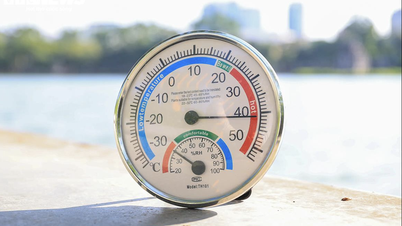
These days, floors are damp, clothes take forever to dry, walls are moldy, and the air is heavy and stuffy. Not only does this cause inconvenience in daily life, but the humid weather also creates favorable conditions for bacteria, viruses, and mold to thrive, increasing the risk of many respiratory, dermatological, and digestive illnesses.
Common illnesses that occur during humid weather.
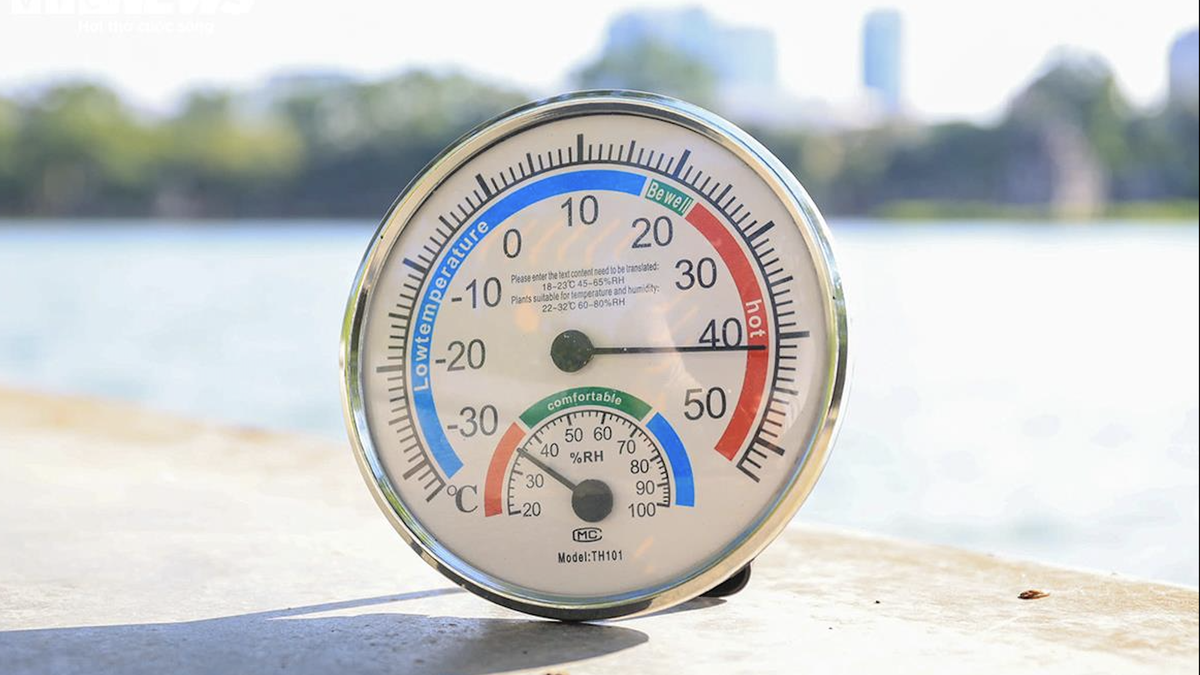
High air humidity (often above 85–90%) creates a persistently damp living environment. This is ideal for mold and bacteria to thrive on walls, floors, bedding, and clothing. Simultaneously, the temperature fluctuations between day and night make it difficult for the body to adapt, weakening the immune system.
- Common illnesses that occur during humid weather.
- 1. Respiratory diseases
- 2. Dermatological diseases
- 3. Bone and joint diseases
- 4. Digestive diseases
- What can be done to fix the problem of dampness in the house?
- Effective ways to prevent illness during the humid season.
In young children, the elderly, and those with underlying chronic conditions, the risk of illness is higher during humid seasons due to weaker immune systems.
1. Respiratory diseases
Humid air allows influenza viruses, respiratory syncytial virus, and many other pathogens to survive longer in the environment. People are more susceptible to colds, sore throats, sinusitis, bronchitis, and pneumonia.
Common symptoms include: cough, runny nose, nasal congestion, sore throat, mild or high fever. In young children, the illness can progress rapidly if not closely monitored.
2. Dermatological diseases
Fungal skin conditions such as atopic dermatitis, contact dermatitis, diaper rash, and athlete's foot are more prevalent in humid conditions. Skin that is constantly damp, congested, and not properly dried creates a favorable environment for microorganisms to thrive.
Patients may experience itching, redness, peeling skin, or the appearance of white patches due to the fungal infection.
3. Bone and joint diseases
High humidity and cold temperatures can cause many people to experience joint pain, especially the elderly and those with osteoarthritis or rheumatoid arthritis. Changes in pressure and temperature can increase pain and stiffness in the joints, particularly in the morning.
4. Digestive diseases
Food spoils easily in humid environments, and improper storage can lead to food poisoning, diarrhea, and digestive disorders.
What can be done to fix the problem of dampness in the house?
1. Reduce air humidity by keeping doors closed when outdoor humidity is high, and avoid opening doors early in the morning or late at night when the air is heavily humid. Wipe floors with a dry cloth, limiting the number of times you wipe with water throughout the day. If possible, use a dehumidifier or air conditioner to maintain indoor humidity at 50–60%.
2. Keep your house dry and well-ventilated.
Regularly clean and wipe down walls and hidden corners prone to mold. Air out blankets, sheets, pillows, and mattresses when there is sunlight. Use a clothes dryer or clothes dryer instead of hanging clothes indoors.
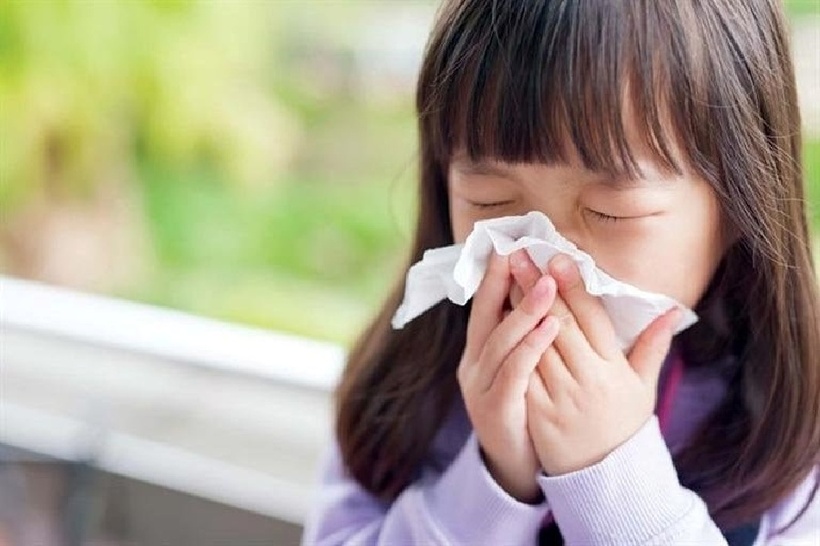
Humid air allows influenza viruses, respiratory syncytial virus, and many other pathogens to survive longer in the environment.
Proper food preservation is crucial to avoid digestive problems. Food should be refrigerated. Do not leave cooked food at room temperature for too long. Check the expiration date and smell before consuming.
Effective ways to prevent illness during the humid season.
A balanced diet is fundamental to helping the body fight off pathogens. Include plenty of green vegetables and fruits rich in vitamin C. Consume sufficient protein from lean meats, fish, eggs, and dairy products. Drink 1.5–2 liters of water daily.
Maintaining a routine of gentle exercise such as walking or practicing yoga indoors helps improve circulation and boost immunity.
Despite high humidity, temperatures may drop in the early morning and evening. It is necessary to dress warmly, especially keeping the neck, chest, and feet warm for young children and the elderly.
Avoid showering late at night, and don't leave your body wet for too long after sweating.
Maintain good personal hygiene by washing your hands with soap before eating and after using the toilet. Shower and thoroughly dry skin in all areas. Change clothes immediately if they become damp.
Gargle with saline solution daily. Wear a mask when going out in crowded places. Limit close contact with people who have flu symptoms, cough, or fever.
If symptoms such as a high fever lasting more than two days, shortness of breath, chest pain, a thick, productive cough, a widespread rash, severe diarrhea, or intense joint pain appear, the patient should go to a medical facility for timely examination and treatment. Under no circumstances should antibiotics be used without a doctor's prescription.
In summary: Humid weather is an unavoidable natural phenomenon, but we can proactively minimize its negative impact with appropriate measures. Maintaining a dry living environment, practicing healthy lifestyle habits, and closely monitoring health will help each family member safely navigate this transitional period.
Source: https://suckhoedoisong.vn/4-benh-thuong-gap-khi-troi-nom-am-169260302091700636.htm












































































































Comment (0)