

According to Aboluowang , numerous studies and recommendations from health organizations indicate that certain groups of people need to particularly limit their consumption of red meat to avoid health problems.
People with sensitive digestive systems or intestinal diseases
Beef has a firm, fibrous structure, especially in cuts with more tendons or older cuts, so it requires a well-functioning digestive system to process. People with sensitive stomachs are prone to bloating, indigestion, constipation, or diarrhea after eating large amounts of red meat. Some nutritional surveys show that over 30% of people with poor digestive function experience intestinal discomfort when eating large amounts of red meat regularly.
People with high cholesterol or cardiovascular disease
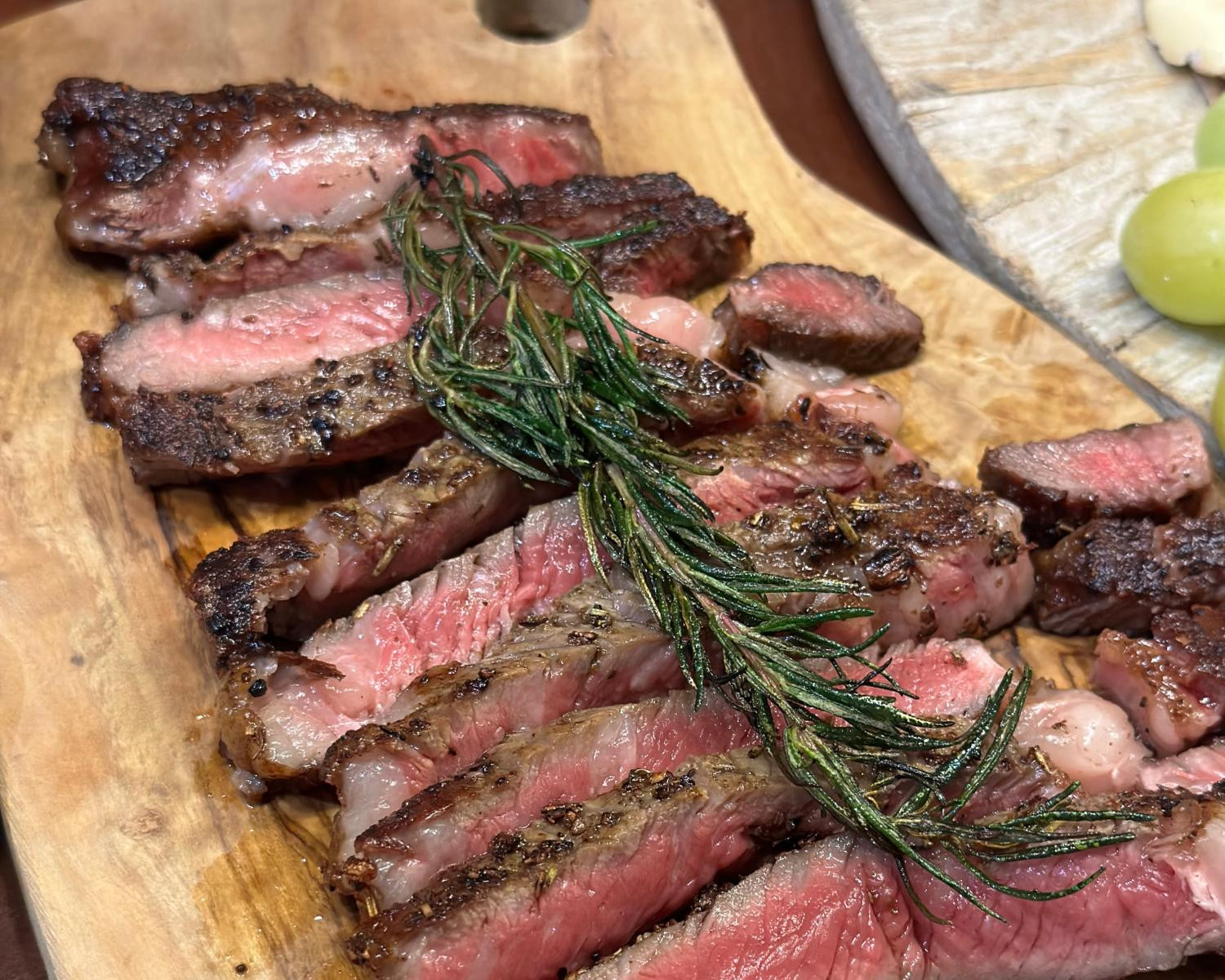
Although beef is often considered "healthier" than pork, many cuts, such as beef brisket or beef rolls, still contain relatively high amounts of saturated fat. According to data from the American Heart Association, people who consume more than 500g of red meat per week tend to have higher LDL cholesterol and a higher risk of cardiovascular events. Experts recommend that people prioritize lean cuts of meat and limit grilled or fried dishes to reduce unhealthy fats.
People with impaired kidney function
The high protein content in beef can cause the kidneys to work harder to process nitrogenous metabolic products and urea. Some studies on chronic kidney disease have shown that diets high in animal protein are associated with a faster rate of kidney function decline compared to diets with moderate protein. Therefore, people with kidney disease should control their beef consumption and consult a nutritionist.
People with gout or high uric acid levels
Beef is a food with a moderate to high purine content, which can increase blood uric acid levels if consumed in large quantities. Some clinical data suggests that people who eat more than 150g of red meat per day have nearly a 50% higher risk of gout attacks compared to those who eat less. For this group, experts recommend diversifying protein sources instead of relying too heavily on red meat.
Besides the groups mentioned above, ordinary people should also avoid excessive consumption of beef. Nutritionists recommend that adults should only eat about 50-100g of beef per day, combined with green vegetables and whole grains to increase fiber, aid digestion, and stabilize blood sugar.
The cooking method is also very important. Frying, grilling, or pan-frying at high temperatures can produce compounds such as heterocyclic amines and acrylamide – substances that have been warned to be linked to long-term health risks. Boiling, steaming, or stewing are considered safer options as they preserve nutrients while reducing fat intake.
Additionally, experts from the Mayo Clinic note that iron absorption from beef can be affected if consumed with tea, coffee, or excessive amounts of calcium-rich foods. Conversely, eating beef with vitamin C-rich vegetables like tomatoes or citrus fruits will increase iron absorption.
Source: https://vietnamnet.vn/4-nhom-nguoi-nen-han-che-an-thit-bo-2517830.html








































































































Comment (0)