

When it comes to heart health, we don’t always need expensive supplements or fancy “heart-support” products. Sometimes the solution is right in your fruit basket.
- 1. Red fruits are rich in nutrients that are good for the heart.
- 1.1. Cherries: Reduce inflammation and balance blood pressure
- 1.2. Strawberries are good for blood vessels, reducing "bad" LDL
- 1.3. Raspberries contain a mixture of heart-healthy antioxidants
- 1.4. Tomatoes provide a natural source of lycopene which helps reduce the risk of cardiovascular disease.
- 1.5. Pomegranate helps reduce blood pressure and prevent atherosclerosis.
- 2. Notes when using fruit
Many red fruits contain natural biological compounds such as anthocyanin, polyphenol, vitamin C or lycopene... These are all active ingredients that have the ability to fight inflammation, reduce oxidative stress, improve blood pressure and support vascular health.
The important thing is that they are easy to eat, easy to prepare and can be used daily in many forms such as eaten fresh, blended into smoothies, mixed in salads or used as desserts.
1. Red fruits are rich in nutrients that are good for the heart.
1.1. Cherries: Reduce inflammation and balance blood pressure
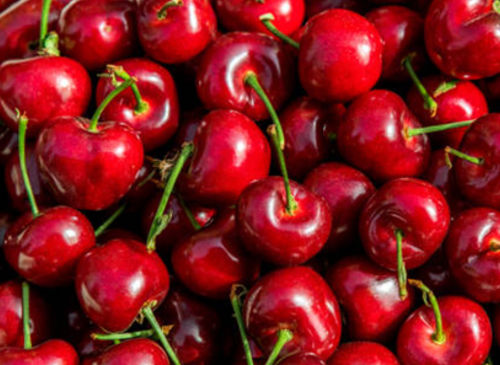
Consuming cherries may help lower blood pressure and improve cholesterol levels, thereby helping to reduce the risk of heart disease.
According to information posted on Toi, cherries - especially tart cherries - stand out for their high anthocyanin content. Anthocyanins are powerful antioxidants that help:
- Reduce inflammation
- Reduce oxidative stress
- Support to improve blood lipid index
- Contributes to stabilizing blood pressure...
Reports show that consuming cherries can help lower blood pressure and improve cholesterol levels, thereby helping to reduce the risk of heart disease. This is a suitable choice to add to the daily diet, especially for those looking for a natural source of nutrients for the cardiovascular system.
1.2. Strawberries are good for blood vessels, reducing "bad" LDL
Strawberries are rich in polyphenols and vitamin C, two compounds that are closely linked to vascular health. These compounds help protect blood vessel walls against oxidative damage and contribute to the reduction of LDL cholesterol.
Regular strawberry consumption—at least once a week—has been linked to a reduced risk of heart disease and stroke. Strawberries are also easy to incorporate into your diet: Eat them fresh, in smoothies, on yogurt, or in fruit salads.
1.3. Raspberries contain a mixture of heart-healthy antioxidants

Berries including raspberries have the ability to improve blood vessel function and help lower blood pressure.
Raspberries contain many beneficial nutrients, including: Anthocyanin, ellagic acid, natural fiber... These ingredients are noted to help reduce inflammation, reduce oxidative stress and support blood vessel protection. According to information from the Mayo Clinic, berries (including raspberries) have the ability to improve blood vessel function and support blood pressure reduction.
Regularly supplementing raspberries can help the cardiovascular system function more stably, while also supporting the digestive system thanks to the rich amount of fiber.
1.4. Tomatoes provide a natural source of lycopene which helps reduce the risk of cardiovascular disease.
Tomatoes are one of the foods richest in lycopene. Lycopene is the pigment that gives tomatoes their characteristic red color and is also an important antioxidant that has been extensively studied in the field of cardiovascular disease. A diet rich in lycopene helps reduce the risk of heart disease and stroke. Lycopene helps protect blood vessels, is a powerful antioxidant, and has the ability to reduce LDL cholesterol.
Tomatoes can be eaten raw, cooked, juiced or added to your daily meals. Lycopene is better absorbed when tomatoes are cooked with a small amount of healthy fat such as olive oil.
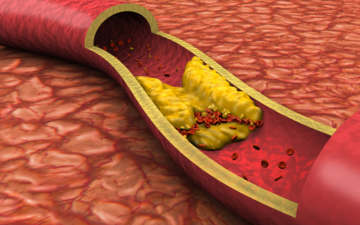
1.5. Pomegranate helps reduce blood pressure and prevent atherosclerosis.
Pomegranate is a fruit that stands out for its polyphenol content and punicalagins — powerful antioxidants that help:
- Lower blood pressure
- Reduce inflammation
- Prevent the progression of atherosclerosis
- Improve heart function…
These benefits make pomegranates a trusted 'friend' for the cardiovascular system. You can eat fresh pomegranates, add them to salads or drink pure unsweetened pomegranate juice.
2. Notes when using fruit
Although red fruits all provide health benefits due to their antioxidant and natural nutrient content, effectiveness varies depending on each person's body, overall diet, and medical condition.
Remember:
- Fruit is not a substitute for cardiovascular medication.
- Avoid bottled juices that are high in sugar or overly sweetened.
- Should be combined with a healthy diet, exercise, and control of risk factors.
Please note, this article is for informational purposes only and is not intended as medical advice. If you have an underlying medical condition or are taking medication, consult your doctor or dietitian before making any changes to your diet.
Please watch more videos :
Source: https://suckhoedoisong.vn/5-loai-trai-cay-mau-do-giup-bao-ve-tim-mach-mot-cach-tu-nhien-169251205152207045.htm






































































































Comment (0)