

Secrets to effectively reduce cholesterol
1. Diet to help reduce cholesterol
Diets high in saturated fat – found in animal products such as red meat and whole milk – can raise blood cholesterol. Trans fats, often found in fast food, baked goods, cookies, etc., also contribute to high cholesterol.
When cholesterol levels are high, the risk of heart disease and other complications increases. Cholesterol combines with other substances in the blood and builds up on artery walls, narrowing and blocking blood flow - creating conditions that can lead to a heart attack or stroke.
To maintain healthy cholesterol levels, it is recommended to supplement:
- Soluble fiber: Found in oats, barley, nuts, beans, apples, pears, prunes, lentils, and peas. Soluble fiber helps lower LDL ("bad") cholesterol by slowing its absorption into the blood.
- Heart-healthy fats: Include olive oil, canola oil, peanut oil, nuts, avocados.
- Whole-grain foods: Look for products that list “whole grains” as the first ingredient. Good choices include whole-grain breads, cereals, whole-grain pasta, and brown rice.
- Skinless and lean poultry: When using red meat, choose the leanest part.
- Fatty fish: Eat at least two servings of fish per week, such as salmon, albacore tuna, herring, sardines, or mackerel.
2. Foods to avoid when cholesterol is high
Saturated fats and trans fats raise blood cholesterol more than cholesterol from food. It is recommended to limit:
- Red meat and fatty meats.
- Animal organs (liver, heart…).
- Full-fat dairy products: whole milk, cream, butter, cheese.
- Baked goods containing saturated or trans fats: donuts, cakes, cookies.
- Fried food.
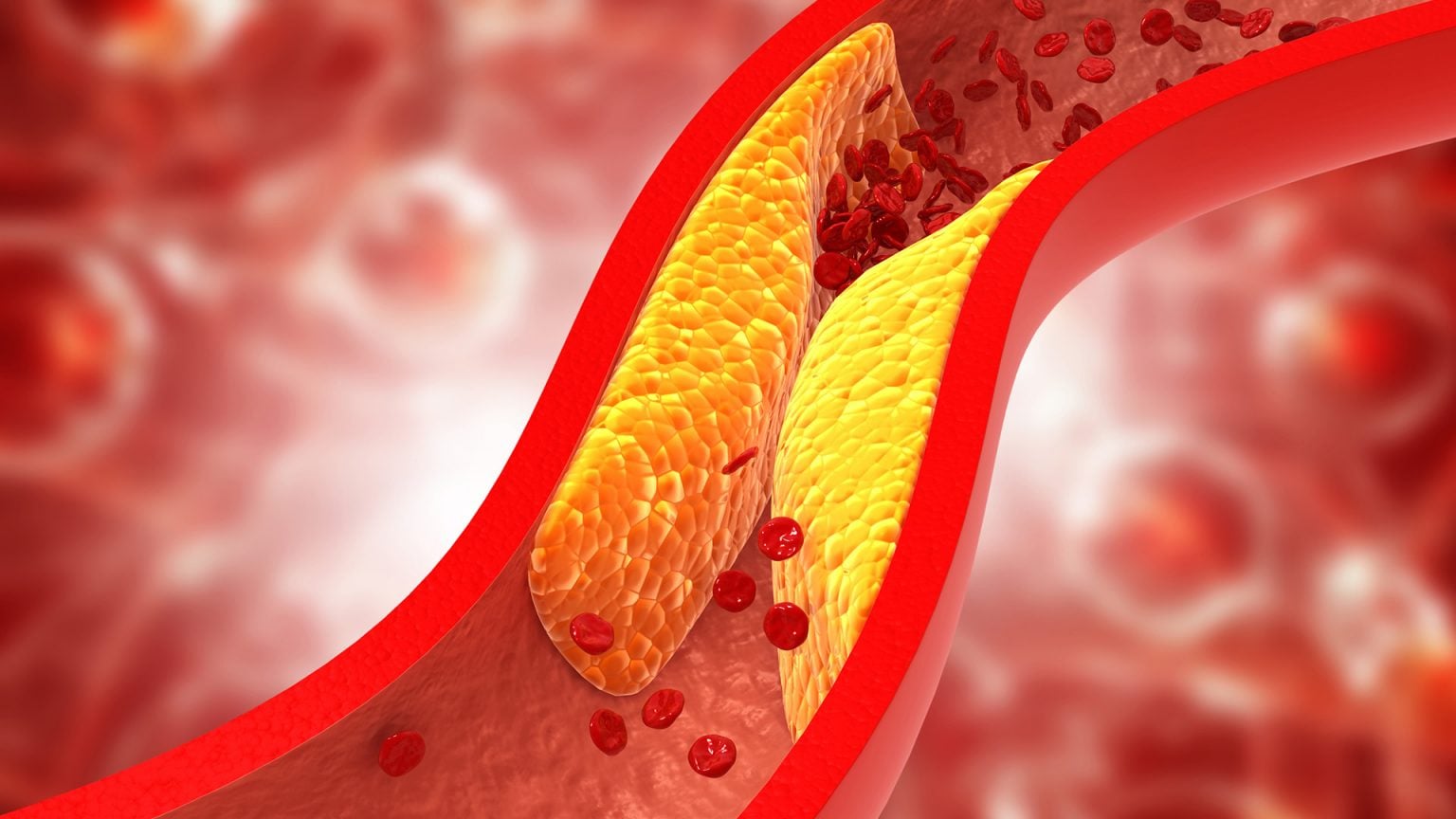
High cholesterol increases the risk of heart disease and stroke.
3. Increase physical activity
Regular exercise helps keep cholesterol levels in check. The American Heart Association recommends at least 150 minutes of moderate aerobic activity each week, spread out over several days.
Suitable activities: swimming, brisk walking, jogging, cycling. Adding strength training a few days a week will increase cardiovascular benefits.
Beginners can choose low-impact exercises. Before changing your exercise regimen, consult your doctor.
4. Limit alcohol
Drinking even small amounts of alcohol can increase blood triglycerides. Some studies show that moderate drinking can increase HDL, but the benefits are small compared to the risks.
"Moderate" drinking:
- Women and men over 65 years: maximum 1 glass/day.
- Men under 65 years old: maximum 2 glasses/day.
5. Do not smoke
Smoking lowers HDL and damages blood vessels, allowing cholesterol plaques to form, increasing the risk of heart disease, high blood pressure, and high cholesterol.
Summary: A scientific diet and lifestyle play an important role in controlling cholesterol and preventing cardiovascular complications. You should increase foods rich in fiber, omega-3, whole grains, and vegetables; while limiting saturated fat, fried foods, and alcohol. However, nutrition is only part of a strategy to control blood lipids. For optimal results, you need to combine regular exercise, maintain a reasonable weight, and have regular check-ups to monitor blood lipid levels.
Source: https://suckhoedoisong.vn/5-luu-y-giup-ngan-ngua-cholesterol-cao-va-phong-tranh-dot-quy-169251208085323631.htm



![[Photo] Urgently help people soon have a place to live and stabilize their lives](/_next/image?url=https%3A%2F%2Fvphoto.vietnam.vn%2Fthumb%2F1200x675%2Fvietnam%2Fresource%2FIMAGE%2F2025%2F12%2F09%2F1765248230297_c-jpg.webp&w=3840&q=75)




































































![[Photo] General Secretary To Lam works with the Standing Committees of the 14th Party Congress Subcommittees](https://vphoto.vietnam.vn/thumb/402x226/vietnam/resource/IMAGE/2025/12/09/1765265023554_image.jpeg)































Comment (0)