

Mint is a commonly used herb in cuisine and traditional medicine. Its prominent component is menthol – a compound that creates a cooling sensation and has certain biological effects on the body. In a hot and humid climate like Vietnam, mint water is often used as a refreshing drink. However, beyond its cooling effect, many studies show that mint water can also support several physiological functions such as digestion, immunity, and respiration.
- 1. Benefits of peppermint water
- 1.1. Peppermint water aids digestion and reduces indigestion.
- 1.2. Improve oral health and reduce bad breath.
- 1.3. Helps reduce symptoms of mild allergies and asthma.
- 1.4. Boosting the immune system with antioxidants
- 1.5. Reduces headaches and promotes relaxation.
- 2. How to make mint water
- 3. Things to note when using peppermint water
1. Benefits of peppermint water
1.1. Peppermint water aids digestion and reduces indigestion.
Mint water can help improve digestive function thanks to the bioactive compounds found in mint leaves. Menthol and flavonoids in mint have the following effects:
- Stimulates the secretion of digestive juices.
- It relaxes the smooth muscles of the digestive tract.
- Reduces feelings of bloating and indigestion...
Some studies suggest that peppermint may help reduce symptoms of irritable bowel syndrome (IBS), particularly abdominal pain and bloating. For those who frequently experience indigestion after meals, drinking a glass of warm or cool peppermint tea may help alleviate discomfort.
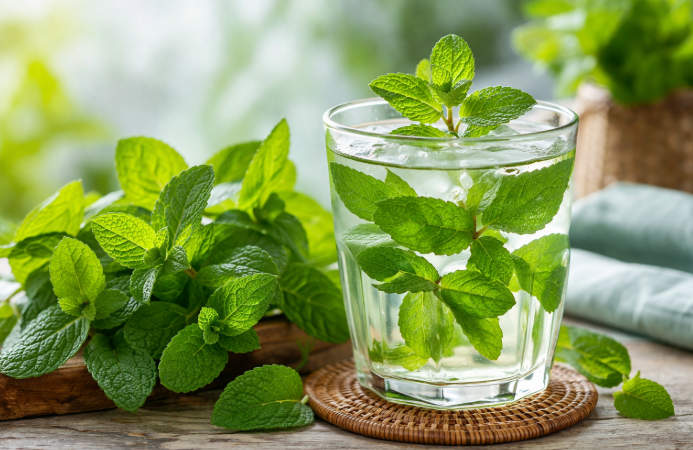
In addition to its cooling effect, many studies show that peppermint water can also support several physiological functions such as digestion, immunity, and respiration.
1.2. Improve oral health and reduce bad breath.
Mint has long been used in oral care products such as toothpaste and mouthwash. This stems from the herb's antibacterial and anti-inflammatory properties. Drinking or rinsing with mint water can:
- Reduces odor-causing bacteria in the mouth.
- Helps prevent mild gingivitis.
- Natural oral cleansing...
Additionally, menthol provides a refreshing sensation, helping to improve breath quickly. However, mint water is not a substitute for proper oral hygiene.
1.3. Helps reduce symptoms of mild allergies and asthma.
One of the notable benefits of peppermint is its support for the respiratory system. Menthol in peppermint water can help:
- Clear the airways.
- Reduces nasal congestion.
- Thin the mucus...
For those with seasonal allergies or mild asthma, peppermint water may help alleviate discomfort. Additionally, the antioxidants in peppermint help reduce inflammatory responses in the body. However, it's important to note that peppermint water is not a cure for asthma. Patients should adhere to their doctor's prescribed treatment plan.
1.4. Boosting the immune system with antioxidants
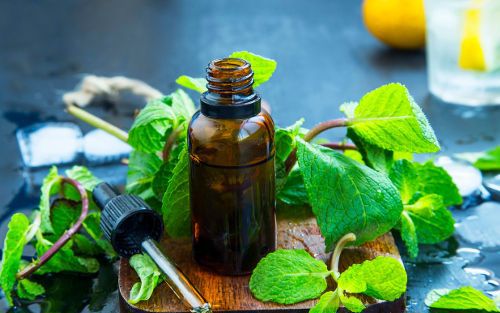
Mint contains many antioxidant compounds such as polyphenols, flavonoids, and rosmarinic acid. These substances help neutralize free radicals – factors associated with aging and many chronic diseases.
Adding peppermint water to your diet may contribute to:
- Supports the immune system.
- Reduces the risk of infection.
- Protecting cells from damage...
Given the continued risk of infectious diseases, maintaining a diet rich in antioxidants is essential, and peppermint water can be a suitable supplement.
1.5. Reduces headaches and promotes relaxation.
Headaches caused by hot weather, dehydration, or stress are common. Peppermint can help relieve headaches due to its cooling and mild nerve-relaxing properties. Menthol has the ability to:
- It acts on cold receptors in the skin and mucous membranes.
- Helps reduce pain.
- Creates a pleasant, relaxing feeling...
Drinking peppermint water or inhaling peppermint scent may help alleviate headaches caused by stress or high temperatures. However, if the headache is persistent or severe, a doctor should be consulted to determine the cause.
2. How to make mint water
Mint water can be easily prepared at home:
Method 1: Boil mint leaves
- Wash 5–6 mint leaves thoroughly.
- Boil with 200–300 ml of water for 5–10 minutes.
- Let it cool before using.
Method 2: Soak in cold water
- Grind or gently crush the mint leaves.
- Soak in clean water for about 15–20 minutes.
- Filter and drink.
You can add a slice of lemon to enhance the flavor, but don't add too much sugar.
3. Things to note when using peppermint water
Despite its many benefits, mint water is not suitable for everyone.
Some important points to note include:
- Don't overdo it: Drinking 1–2 cups per day is reasonable.
- People with acid reflux should be cautious: Peppermint can relax the lower esophageal sphincter.
- Pregnant women and young children: Consult a doctor before regular use.
- Not a substitute for medication: Peppermint water only plays a supportive role.
In addition, proper hygiene is essential when using fresh mint leaves to avoid the risk of bacterial contamination.
Mint water is an easy-to-make, low-cost drink that offers many health benefits, such as aiding digestion, improving oral health, boosting immunity, and relieving headaches. However, its effectiveness depends on how it's consumed and the individual's health condition. Incorporating mint water into your daily routine can be a reasonable choice, but it shouldn't be overused or considered a substitute for medical treatment.
Readers are invited to read more:
Source: https://suckhoedoisong.vn/5-tac-dung-khi-uong-nuoc-bac-ha-169260404154322164.htm










































































































Comment (0)