

Honey is a familiar food in daily life. Its main components are fructose and glucose, and it also contains small amounts of amino acids, polyphenols, enzymes, and minerals. Many studies in recent years have shown that honey can support health in certain situations, particularly in soothing coughs, aiding energy recovery, and providing antioxidant compounds.
- 1. When is it best to consume honey?
- 1.1. Use honey when your body is tired and lacking energy.
- 1.2 After drinking alcohol
- 1.3 When you have a cold, cough, or sore throat
- 1.4 When experiencing mild indigestion or constipation
- 1.5 Before going to bed
- 1.6 For dry or mildly irritated skin
- 2. Some things to keep in mind when using honey
A 2024 review published in the Journal of Ethnic Foods showed that honey is valuable as a health-supporting food due to its antioxidant and anti-inflammatory activity and its ability to provide quick energy.
1. When is it best to consume honey?
1.1. Use honey when your body is tired and lacking energy.
After a late night, long hours of work, or a stressful period, the body may experience fatigue, reduced concentration, and lethargy. In this case, honey can help replenish energy quickly thanks to its glucose and fructose content—two simple sugars that are absorbed relatively quickly through the digestive tract. Glucose is an important energy source for the brain and muscles. A small amount of honey mixed with warm water can help the body absorb energy more easily than fatty or hard-to-digest foods.
Instructions: Mix 1–2 teaspoons of honey with warm water and consume at lunchtime or mid-morning when feeling tired.
It should be noted that people with diabetes or those managing their blood sugar should consult their doctor before using this regularly.
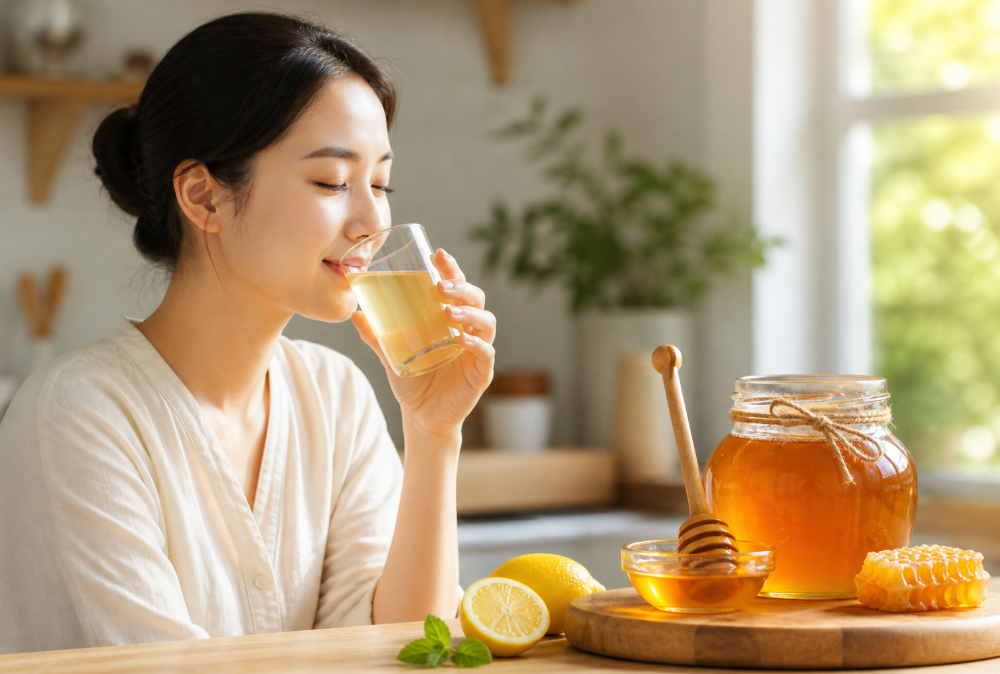
Honey is a natural food rich in antioxidants and several micronutrients; when consumed at the right time, it can help reduce coughs, soothe sore throats, boost energy, and improve feelings of fatigue.
1.2 After drinking alcohol
Honey is often used in folk remedies after drinking alcohol. Part of the reason is that honey contains fructose. Some studies suggest that fructose may be involved in the metabolism of ethanol in the liver. However, its supportive effect is only supplementary, not a "hangover cure." Consuming honey after drinking alcohol does not reduce the risk of alcohol poisoning and does not help the drinker sober up immediately. Those experiencing severe vomiting, confusion, difficulty breathing, or lethargy after drinking alcohol should seek medical attention.
Use: After drinking alcohol, you can mix a glass of warm water with a spoonful of honey to replenish fluids and help your body feel more comfortable.
1.3 When you have a cold, cough, or sore throat
This is one of the effects of honey that has been studied relatively more thoroughly than other benefits. According to the Mayo Clinic, honey can help soothe the throat, reduce irritation of the pharyngeal mucosa, and reduce coughing, especially in mild upper respiratory infections. Some studies suggest that honey may help reduce nighttime coughing and improve sleep in people with colds.
It's important to note that honey does not treat the underlying cause of infection and should not replace medication when prescribed by a doctor. Honey should not be given to children under 1 year old due to the risk of botulinum poisoning.
Use: Mix 1–2 teaspoons of honey with warm water; this can be enjoyed with steamed pears or a few slices of fresh pear to soothe a sore throat.
1.4 When experiencing mild indigestion or constipation
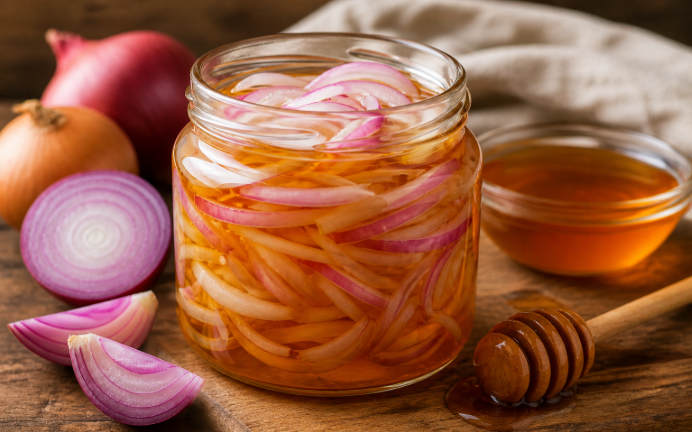
In nutritional practice, some people use honey for mild bloating or constipation. Honey contains simple sugars and a small amount of oligosaccharides, which may help support the gut microbiome.
However, current evidence is not strong enough to confirm that honey is a cure for constipation. Any effect, if present, is usually mild. If constipation is prolonged, accompanied by abdominal pain, significant bloating, or bloody stools, a doctor should be consulted to determine the cause.
Use: You can drink a cup of warm water with a teaspoon of honey in the morning or evening.
1.5 Before going to bed
Honey has long been used as a food that promotes relaxation. A 2024 review in Food & Function suggests that honey has the potential to support sleep quality by providing light carbohydrates, which may contribute to stable energy levels during the night and create a pleasant feeling before sleep. However, more clinical research is needed to confirm this. Additionally, for those experiencing nighttime coughs, honey may help soothe the throat, leading to easier sleep.
Use: Consume one teaspoon of honey approximately 30–60 minutes before bedtime, or mix it with warm water.
Note that you shouldn't consume too much of it, as it can increase your blood sugar intake in the evening.
1.6 For dry or mildly irritated skin
Honey is hygroscopic, helping to retain moisture on the skin's surface. Additionally, its antioxidant compounds and natural antibacterial properties make it suitable for use in several skincare products. Honey can help moisturize and soothe the skin mildly. However, it should not be applied to inflamed, infected, open wounds, or severely inflamed acne.
Instructions: You can use a small amount of honey diluted or combined with gentle ingredients such as oatmeal or plain yogurt. It's recommended to test on a small area of skin before using it more widely.
2. Some things to keep in mind when using honey
- Not suitable for children under 12 months old.
- People with diabetes or prediabetes should control their intake.
- Honey should not be considered a medicine.
- Use in moderation, as honey is essentially a source of sugar.
- If you have a high fever, difficulty breathing, a persistent cough, chest pain, or worsening symptoms, you should see a doctor.
Honey is a natural food that can support health when used correctly and at the right time. Common times to consume it include: when feeling tired, after drinking alcohol, during a mild cold with a cough, during mild indigestion, or before bed. However, the benefits of honey are primarily supportive. The most important factors remain a balanced diet, sufficient sleep, appropriate exercise, and medical attention if any unusual symptoms appear.
Readers are invited to read more:
Source: https://suckhoedoisong.vn/6-thoi-diem-tot-nhat-de-uong-mat-ong-169260504123905568.htm




































































































Comment (0)