

Consumer trends
The story of Le Ha Giang, a yoga instructor in Kinh Bac ward, and her commitment to "clean eating" began with her body's signals. Previously, when experiencing dizziness due to anemia, she was advised to increase her intake of iron-rich foods. However, after a period of trying, her condition did not improve; she frequently felt sluggish and lacked energy.
 |
Ms. Le Ha Giang is enthusiastic about having a plant-based meal every day. |
“There were times when I followed the dietary recommendations, but my body didn’t seem to cooperate. So, along with regular yoga practice, I tried adjusting my diet to be lighter, increasing green vegetables, reducing animal protein, and gradually switching to a purely plant-based diet. After more than a year of maintaining this, my dizziness and anemia improved significantly, my body felt lighter, and my spirits were higher,” said Ms. Giang.
Currently, Giang's meals are structured according to simple principles: food variety, prioritizing seasonal vegetables, selecting local ingredients, and limiting excessive processing. For her, "clean eating" is not about extreme dieting but about listening to and adjusting the menu accordingly.
As an English teacher, Ms. Le Thi Thu Hang (Tu Son ward) initially tried vegetarianism but wasn't really interested. However, after experiencing a variety of flavorful vegetarian dishes, she realized it's a healthy culinary trend. Although maintaining a vegetarian diet at home is difficult due to differing tastes, she proactively reduced her meat intake and chose to eat vegetarian meals on weekends.
From such personal choices, a new consumer trend is gradually emerging. Ms. Nguyen Thi Tuyet Thanh, owner of Tam Dan vegetarian restaurant (Tu Son ward), said that the number of customers at her restaurant remains quite stable and tends to increase slightly, around 80-100 meals on weekdays, but on the 15th and 1st days of the lunar month, it can reach 300-400 meals, with 80% being regular customers.
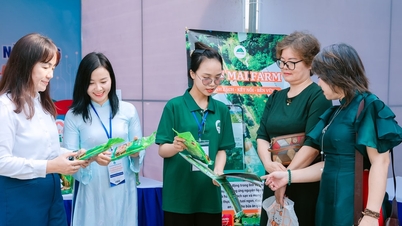
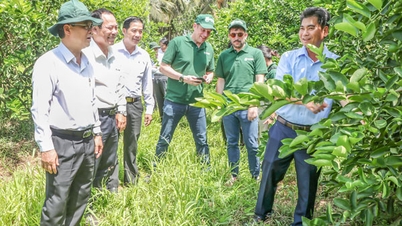
Mr. Bui Xuan Que, Director of Xuan Mai General Agricultural Services Cooperative (Nhan Thang commune), also clearly feels the changes in the market. Since 2017, the Cooperative has started producing agricultural products in a safe manner, and has now expanded its scale to more than 5,000 m² of greenhouses and about 4 hectares of outdoor production. Currently, agricultural products from the farms are supplied to nearly 20 safe food stores inside and outside the province.
"It's difficult to say exactly how much the increase will be, but it's clear that consumers are increasingly interested in safe agricultural products. To get into organic vegetable stores and maintain sales volume, all products must have safety test results," said Mr. Que.
Listen to your body, choose your food wisely.
However, alongside the growing trend of "eating clean - living green" comes the risk of misunderstanding if there is a lack of scientific knowledge. According to Dr. Nguyen Thi Ngoc Chi, Head of the Nutrition Department at Bac Ninh General Hospital No. 2, this is a positive trend but can easily go astray if applied in an extreme way.
Dr. Chi explained that a healthy diet is not about eliminating a particular food group, but about ensuring a balance of nutrients. In reality, many people are adopting extreme diets such as completely cutting out carbohydrates or only drinking juice for extended periods…
These methods may yield short-term results, but in the long run, they cause nutritional imbalances, affecting both physical and mental health. Restriction is completely different from absolute prohibition. "Clean or organic food can be very good, but that doesn't mean you can eat as much as you want, because if you don't control your portion sizes, it can still lead to health problems," Dr. Chi affirmed.
 |
Based on their experiences, many people are gradually shifting to diets that restrict animal-derived foods. |
Recently, medical facilities in the province have recorded cases of complications due to the application of detox methods lacking scientific basis, even requiring surgical intervention. For example, a woman who maintained a detoxification regimen by drinking lemon water for an extended period developed colon necrosis and required emergency surgery at Bac Ninh General Hospital No. 1. Some cancer patients who followed extreme diets suffered from severe debilitation and required clinical nutritional intervention. This serves as a clear warning that, if misunderstood and implemented incorrectly, "clean eating and green living" can contradict its original goal of protecting health.
Not only from a health perspective, but also in the market, the concept of "clean food" is revealing many shortcomings. According to Mr. Ngo Hoang Diep, Head of the Food Safety Sub-Department (Department of Health), the widespread use of concepts such as "clean," "organic," "natural," etc., is causing consumers to fall into an information "maze."
“When examining the entire chain from production to consumption, the biggest problem lies in the lack of traceability. Furthermore, insufficient penalties compared to the profits from fraudulent practices are also a reason why the practice of labeling food as 'clean' persists.” To address this, authorities are strengthening post-inspection, promoting traceability using QR codes, developing safe food supply chains, and coordinating inter-agency efforts to control the market.
I believe that "eating clean - living green" doesn't necessarily have to start with big or expensive things. It could be reducing food waste, choosing seasonal foods, knowing how to prepare, process, and preserve food scientifically... These small changes, if maintained consciously, will create long-term value, not only for individual health but also for the environment.
Source: https://baobacninhtv.vn/an-sach-song-xanh-dung-cach-postid445662.bbg



























































































Comment (0)