

Master - Doctor Truong Anh Khoa, Diag Center (HCMC), answers: The liver is an organ that takes on many important roles such as creating protein (albumin) to help the body metabolize substances, creating bile (bilirubin) to help absorb nutrients, and regulating the blood clotting process.
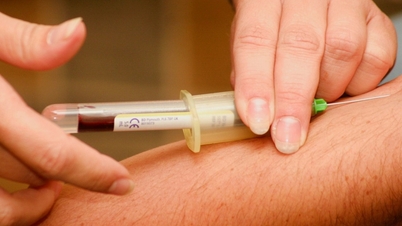
To answer the question "Is there a problem with my liver?", you can first assess yourself as belonging to one of two groups of people: one is people with underlying diseases (requiring long-term medication) - with risk factors, and the other is healthy people with no history or risk factors for liver disease. If you belong to the group without a history or risk factors for liver disease, you usually only need to check the inflammation - liver cell damage with liver enzyme indexes such as ALT, AST, GGT, ALP; check the function of creating and metabolizing bile with direct, indirect, and total bilirubin. The frequency of testing can be once a year, which is appropriate for screening for hepatobiliary diseases.
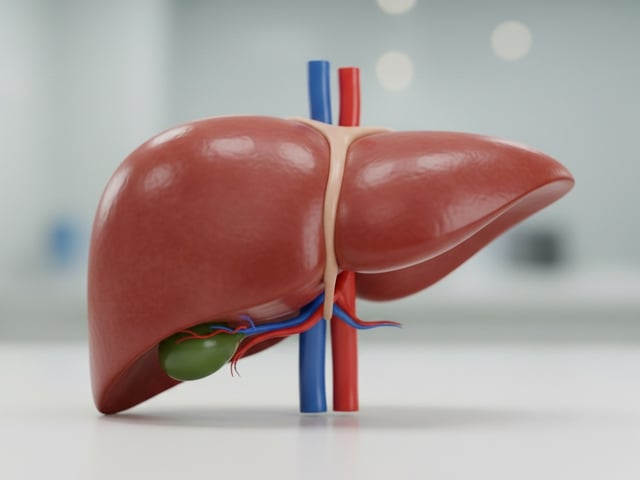
If you belong to the first group, the common risk factors for liver and gallbladder diseases that need to be mentioned are: Obesity - overweight, passive lifestyle (intense exercise < 30 minutes per day), heavy use of alcohol, tobacco - stimulants, people with high work intensity with inadequate rest time and nutrition (fast food, pre-processed food, fried food with lots of oil), exposure to many chemicals at work (for example, long-term exposure to gasoline, PVC plastic). Common underlying diseases that affect liver and gallbladder health are hepatitis B, C (notably, co-infection with hepatitis D in about 5-10% of people infected with hepatitis B), high blood pressure, dyslipidemia, diabetes, kidney failure. If you are unfortunate enough to belong to this group, you need to regularly check liver enzymes, bile metabolites (bilirubin) as mentioned above to evaluate liver function, which can be done periodically every 1-3-6 months depending on the situation.
In most cases, you need to test for hepatitis B, hepatitis C, LDH, serum iron, Ferritin, basic blood count, blood clotting time, albumin, and metabolic disorder assessment indicators (if needed) such as fasting blood sugar, HbA1c, blood lipids, kidney function according to CKD-EPI 2021 (Cystatin & Creatinin), microalbumin.
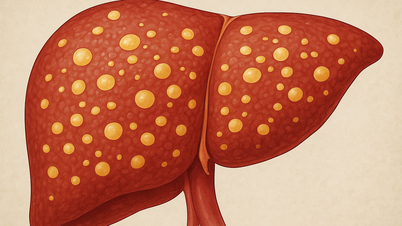
In addition to blood tests, it is also necessary to perform some basic techniques such as abdominal ultrasound, liver parenchymal elasticity ultrasound to evaluate some related conditions such as fatty liver disease, polycystic ovary. The doctor can completely rely on the above tests and imaging techniques to evaluate your liver and gallbladder condition.
Readers can ask questions to the Doctor 24/7 column by entering comments below the article or sending them via email: suckhoethanhnien247@gmail.com .
Questions will be forwarded to doctors, experts... to answer for readers.
Source: https://thanhnien.vn/bac-si-24-7-lam-sao-biet-gan-khoe-xet-nghiem-gi-tim-ra-benh-185251206232304928.htm
![[Photo] National Assembly Chairman Tran Thanh Man attends the VinFuture 2025 Award Ceremony](/_next/image?url=https%3A%2F%2Fvphoto.vietnam.vn%2Fthumb%2F1200x675%2Fvietnam%2Fresource%2FIMAGE%2F2025%2F12%2F05%2F1764951162416_2628509768338816493-6995-jpg.webp&w=3840&q=75)




































































































Comment (0)