

Effectively integrate programs and projects.
Bach Dich commune was formed after the merger of three communes: Phu Lung, Bach Dich, and Na Khe, formerly part of Yen Minh district, Ha Giang province. The commune has a total natural area of 9,502 hectares, comprising 42 villages, including 13 border villages. It has 2,391 households and nearly 13,000 inhabitants, representing 20 ethnic groups, with the Dao accounting for 47.8%, the Nung 20.68%, and the Mong 19%. Starting from a difficult point, the commune currently has 419 poor households (17.5%) and 231 near-poor households (9.7%). The population is primarily ethnic minorities with limited education levels, and their economy relies heavily on small-scale, fragmented agricultural and forestry production. The vast area, fragmented terrain, numerous villages far from urban centers, and difficult transportation, especially during the rainy season and floods, pose many challenges to poverty reduction efforts.
|
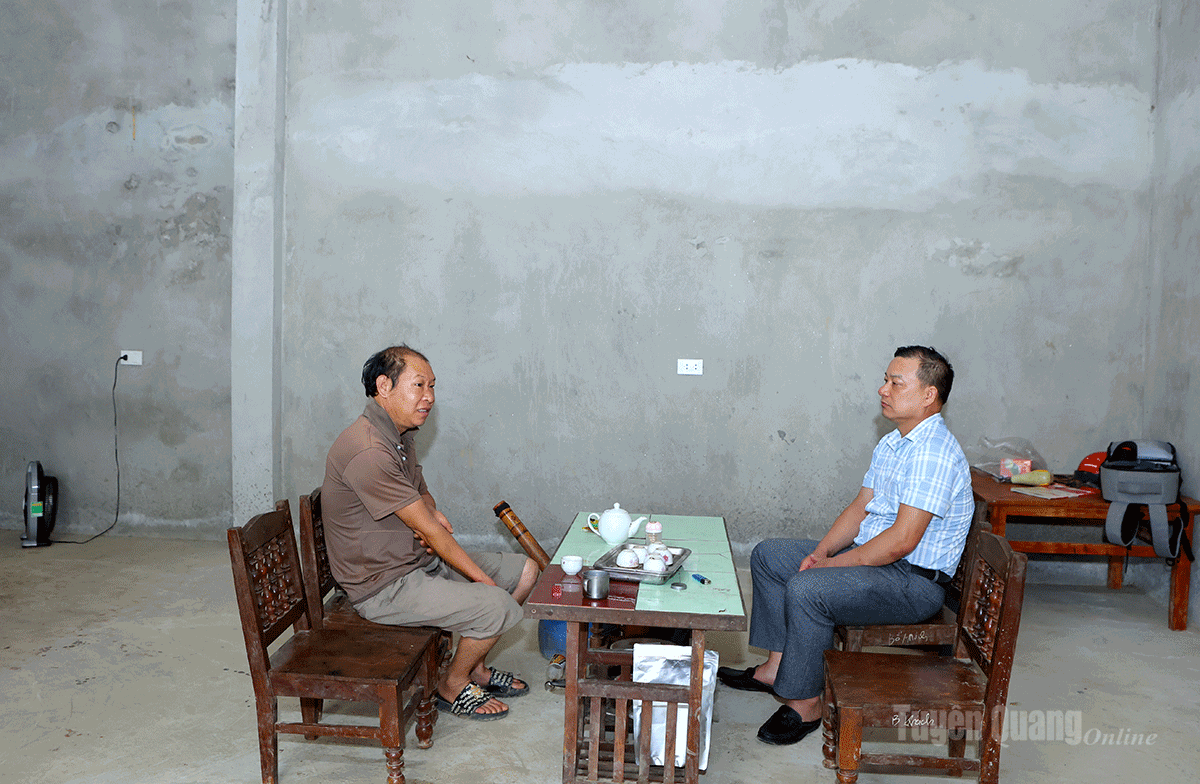
The family of Mr. Trieu San So, from Lung Vai 1 village, received 40 million VND in support to build a house, helping them to stabilize their lives. |
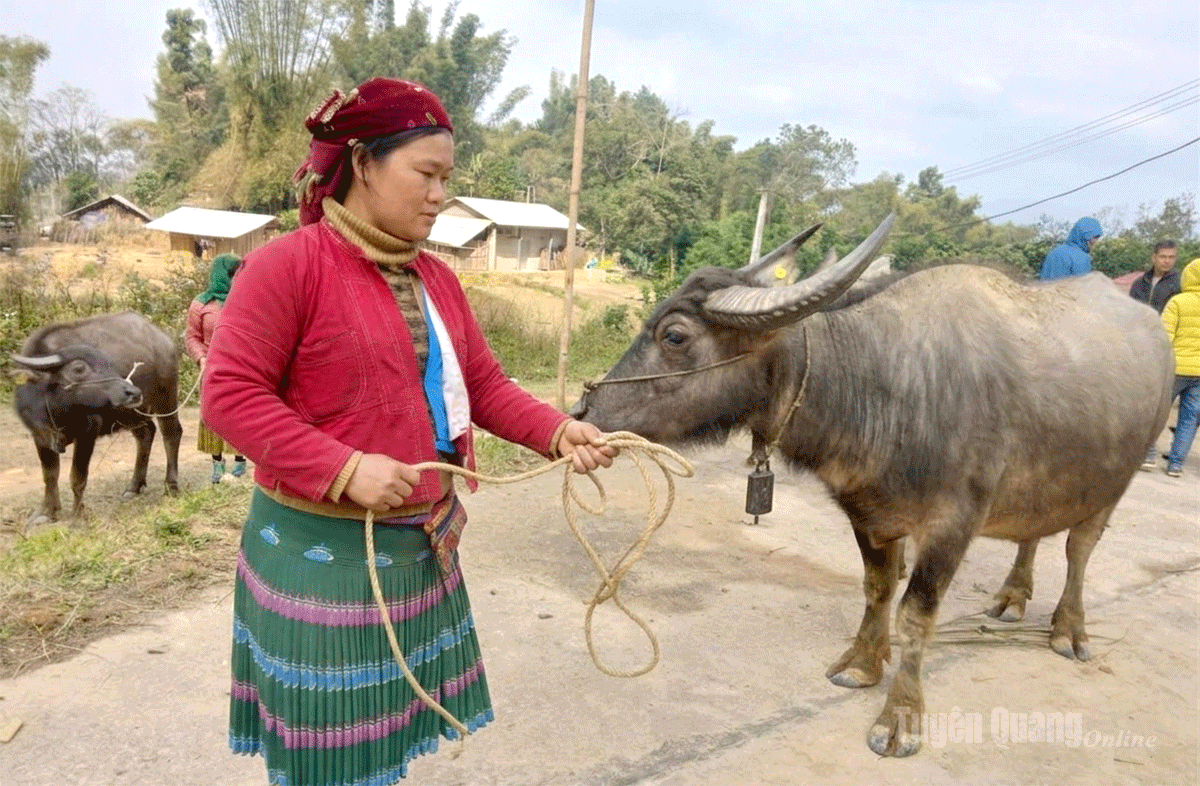
Identifying sustainable poverty reduction as a key task, the Party Committee and government of Bach Dich commune have focused on directing the synchronized implementation of National Target Programs for the 2021-2025 period. In particular, resources have been prioritized for livelihood development linked to the specific conditions of each village. Starting in 2022, the commune implemented a livelihood diversification project with a model of breeding buffalo and cattle in Phu Ty II village, initiating a series of community poverty reduction projects that were replicated in subsequent years. In 2023, a series of projects continued to be implemented throughout the villages, including: breeding buffalo in Na Po village; raising pigs for meat in Phu Ty 1 village; breeding buffalo in Sung Su B and Xin Chai; and raising breeding sows in Sung A1, A2, B2, B3, Phu Lung, Sung Lin, and Sung Su A villages. Raising buffalo for breeding in the villages of Doan Ket, Gia Then, Dong Sao, Lung Vai, and Na Ca; raising pigs for meat in Na Ca, Coc Puc, and Cho Ke; supporting the cultivation of sticky rice in the villages of Na Sang 1, 2, and 3... This model is both suitable for the farming practices of the local people and provides stable income, contributing to improving community nutrition.
Entering 2024, livelihood development projects focusing on commercial pig farming continued to be promoted in many villages such as: A1, A2, B2, B3, Sung Su A, Phu Lung, Sung Lin, Xa Van, Meo Van, Lung Vai, Lung Bung, etc. The total investment capital for livelihood development projects from 2022 to the present has reached over 5.7 billion VND, creating conditions for hundreds of poor and near-poor households to access production resources and gradually rise out of poverty.
|
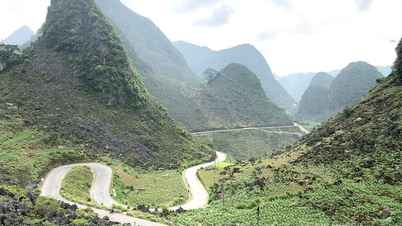
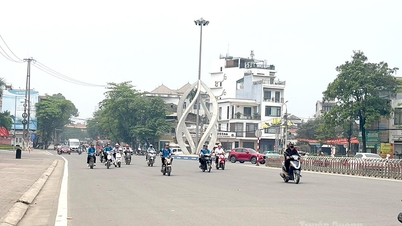
The transportation infrastructure in Bach Dich commune has been invested in and developed, making travel easier for the local people. |
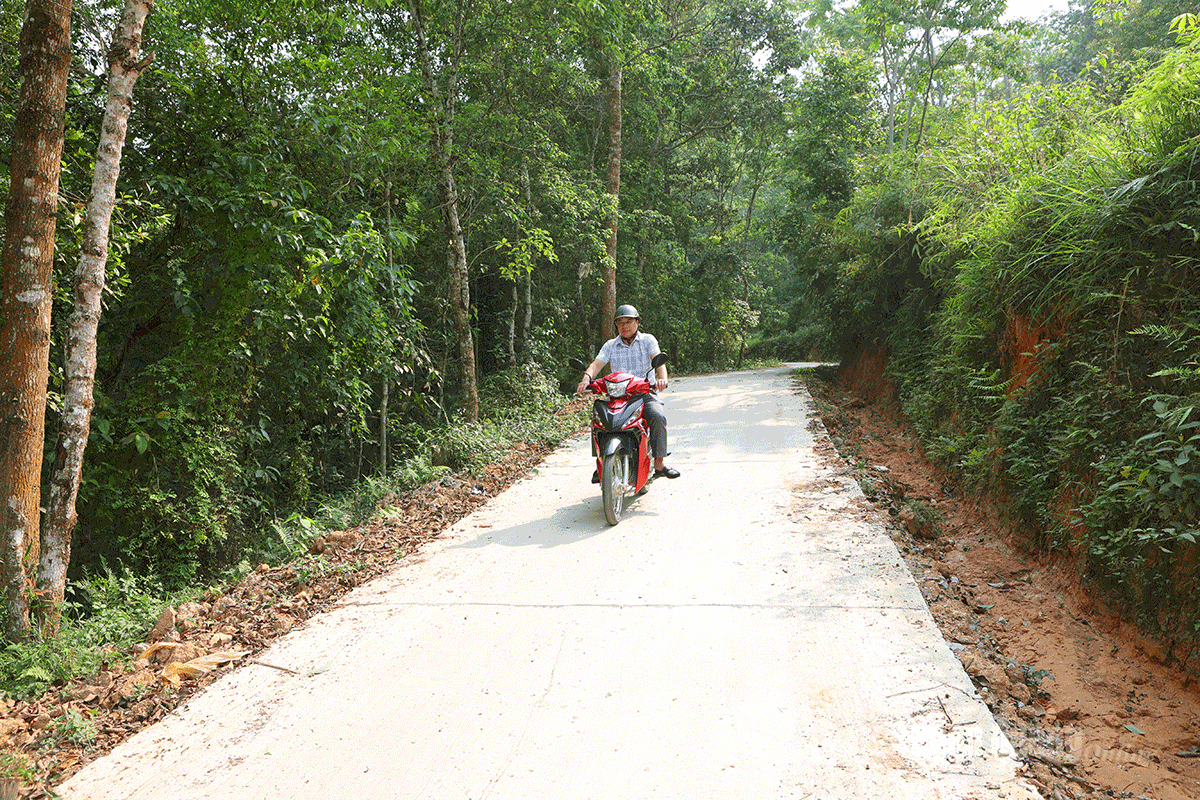
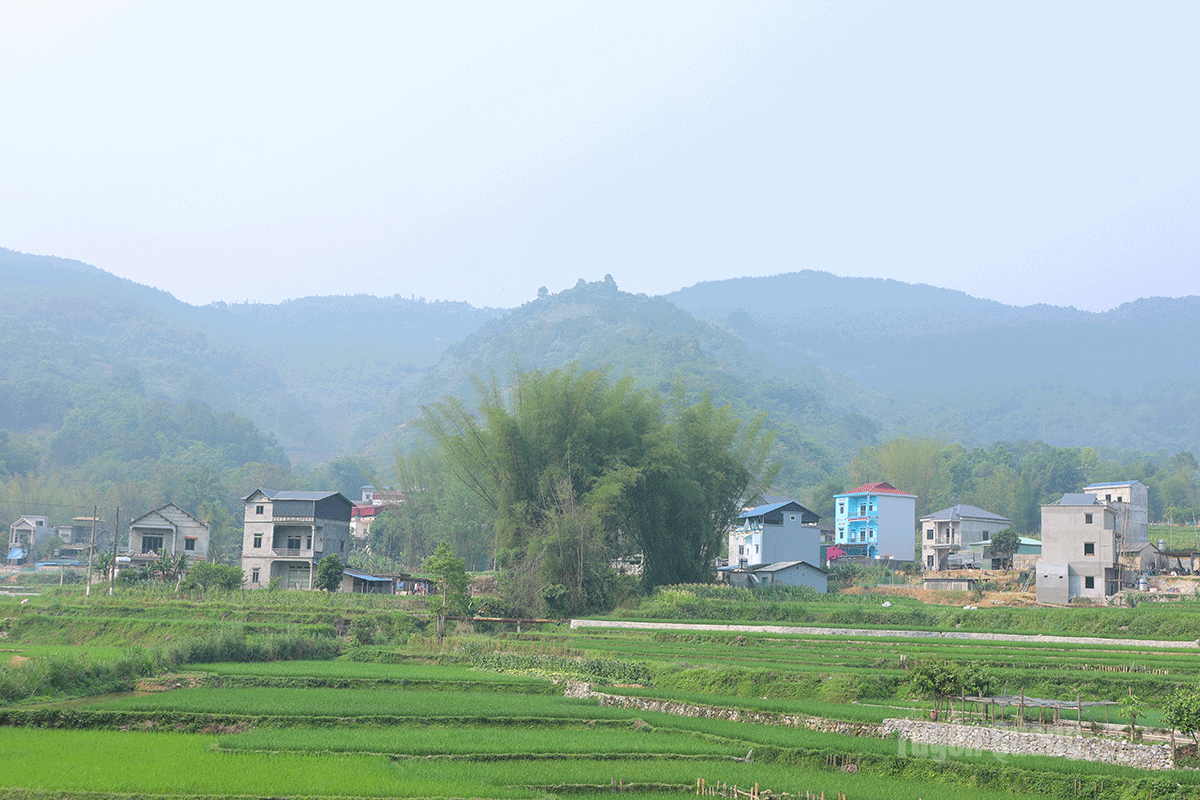
Alongside livelihood projects, the implementation of national target programs has also yielded many positive results in the areas of infrastructure and social welfare. The locality has completed the general planning for the villages; invested in upgrading, renovating, maintaining, and repairing 19 roads; built 5 new village cultural houses; and supported the construction and repair of houses for many poor and near-poor households, contributing to a significant change in the appearance of rural border areas.
Mr. Trieu San So's family in Lung Vai 1 village received 40 million VND in support to build a house. His family has now settled down, focused on production, and will officially escape poverty by the end of 2025. Mr. So shared: "If it weren't for the 40 million VND in government support, I probably wouldn't have dared to think about building a house in my entire life. Now that we have a new house, I just focus on working to escape poverty."
|
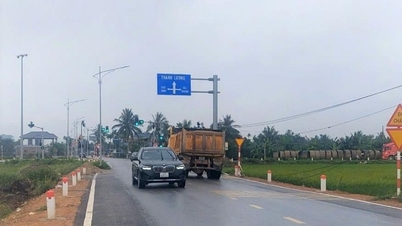
A corner of the new rural area in Bach Dich commune is flourishing day by day. |
Step-by-step sustainable poverty reduction













































































Comment (0)