

This morning (December 9) at White Palace Convention Center Hoang Van Thu (194 Hoang Van Thu, Duc Nhuan Ward, Ho Chi Minh City), Newspaper Adolescent organize the seminar "Training" media From Innovation to the New Era". Here, journalist, PhD Ta Bich Loan, member of the Executive Committee of Vietnam Journalists Association , founder of MEDIA WHO LAB, presented the paper "Teaching communication in the AI era: what to teach and why?". Ms. Ta Bich Loan raised very topical questions, which are also of concern to many people working in journalism and media today.
In today's era, is the criterion for success in journalism and media good, inspiring, meaningful stories for the community or must a lot of technology and artificial intelligence (AI) be applied?

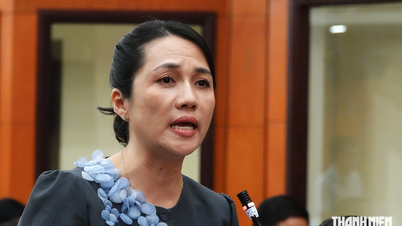
Journalist, Dr. Ta Bich Loan speaks at the seminar
PHOTO: INDEPENDENCE
Reality of AI application in journalism in Vietnam: Only 5 people said they had never used AI
According to a recent survey conducted by MEDIA AI LAB with press agencies, up to 85% of press agencies have used or are experimenting with AI, which shows the strong presence of this technology. According to the survey, only 5 people have never used AI, which confirms the trend of applying AI is becoming more and more popular.
Ms. Loan said that according to the survey, the common AI application stages in Vietnamese newsrooms are news synthesis and analysis; information checking; automatic news writing; image creation; and big data processing. AI tools Popular ones that people often use are Chatgpt; Grok; DeepSeek; Veo3...
Journalist, Dr. Ta Bich Loan raised a dual issue and challenge today, which is training the media industry in the new era to keep up with the development of technology and AI; and how, when applying AI and technology, can journalism and media still maintain humanistic values, identity, and standards?
In fact, the current trend of the world's press and media is applying many AI tools in its development journey. However, from here, there are also many concerns. When applying AI, many people are concerned about the accuracy and reliability of the content created by AI; concerned about the uniqueness of the work - ensuring the difference and unique value of the press; concerned about copyright and content ownership; concerned about dependence on AI and especially about journalistic ethics, transparency of data sources when applying AI in the process of producing and developing press and media.
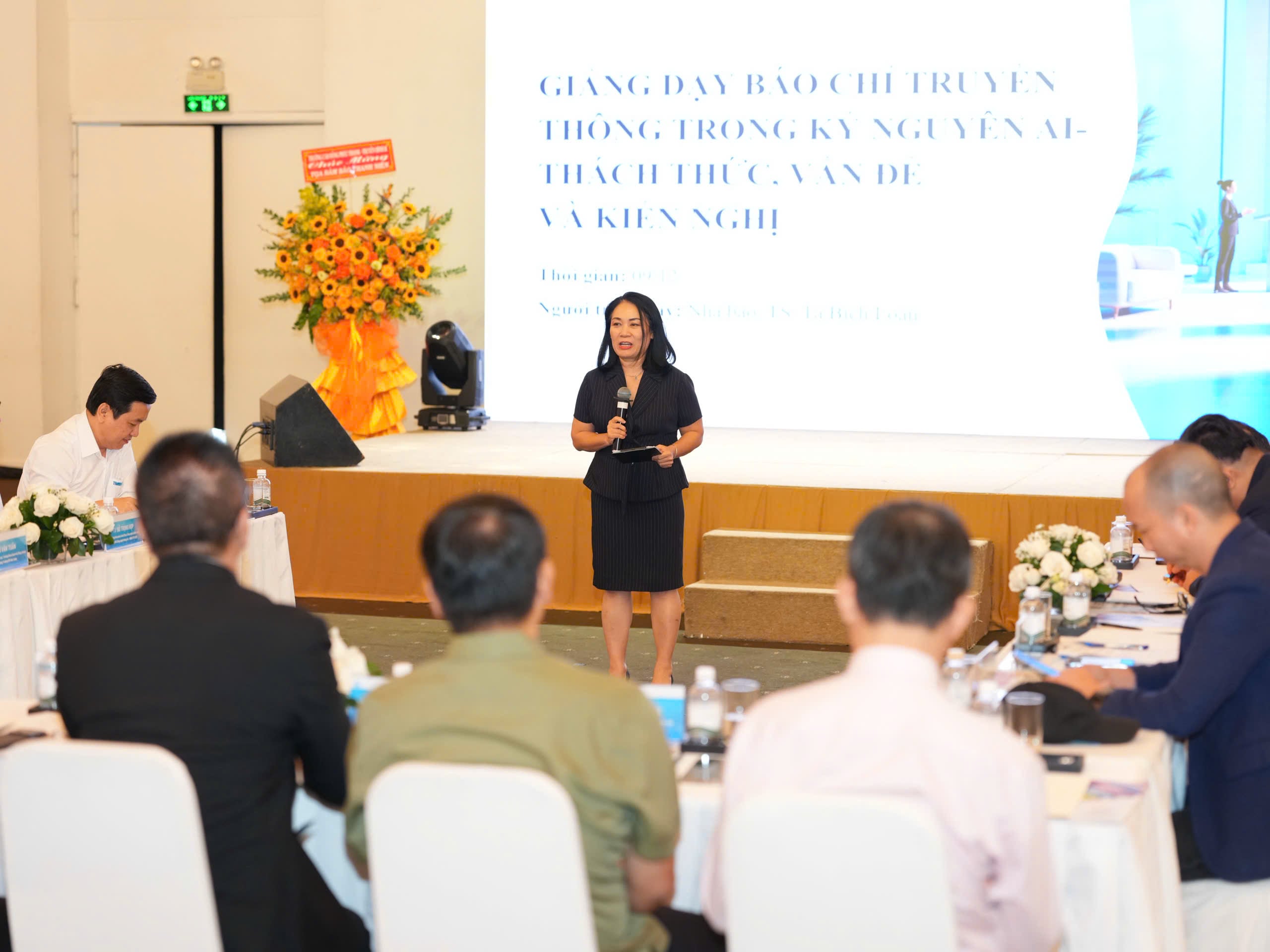
Journalist, Dr. Ta Bich Loan shares at the seminar
PHOTO: INDEPENDENCE
Many people know how to use 3-5 at a time AI tools, also in fact one user can use up to 7 AI tools, many media students today are also very proficient in AI technologies. There is also a question that many lecturers are interested in today: So how much do we teach students? AI tools is just right, when AI changes constantly, this tool is launched, then a short time later there is a new tool with more modern, more multi-functional? And what will we - the lecturers - have to teach students and at the same time learn?
What should journalism schools train students in the AI era?
Journalist, Dr. Ta Bich Loan affirmed that AI is a great public service, helping students and lecturers in many ways, however, there are things that AI cannot replace, which are critical thinking; emotions; personal experiences. Therefore, humans, with truth, goodness, beauty, critical thinking, emotional intelligence and diverse personal experiences, will never be replaced by AI.
From this, Ms. Ta Bich Loan made recommendations on journalism training in the AI era. According to Ms. Ta Bich Loan, below are the things that have not changed in journalism training , and are also the knowledge that journalism and communication training schools always need to teach to students.
Verifiability and accuracy must always be the foundation of journalism. Professional ethics are unbreakable principles. Honesty and objectivity are the core elements that create trust. Analytical ability and independent thinking are the eternal values of journalists. And the ability to tell emotional stories is the connection with readers.

Ms. Loan shared a lot of remarkable information.
PHOTO: INDEPENDENCE
However, there are things that journalism and media training schools need to update in the AI era. That is, training students in AI skills, considering AI as an effective career tool; the ability to read and understand AI models; the ability to evaluate data quality and the ability to do multi-platform, multi-platform journalism.
This also raises the role of lecturers in the AI era. Lecturers must constantly update AI technology; be critical thinking trainers for students; be ethical guides and "guides" who accompany students.
The key to journalism's success in the AI era is 4A+1
According to journalist, Dr. Ta Bich Loan, journalism students need to be proactive in learning. AI tools, mastering emerging AI tools and platforms; developing irreplaceable skills (creativity, information verification and deep analysis); understanding the social impact of AI and students need to cultivate habits of transparency and responsibility.
Ms. Loan suggests that the key to journalism's success in the AI era is 4A+1. That is: Algorithm- understand technology; Authenticity - keep it real; Accuracy - ensure accuracy; Accountability - social responsibility; All - working together for common values.
"The press always aims for objectivity, honesty, humanity, and social responsibility. Research and training in the media using AI in Vietnam must be done so that "Vietnam's voice can be heard in the global data warehouse", Ms. Ta Bich Loan concluded.
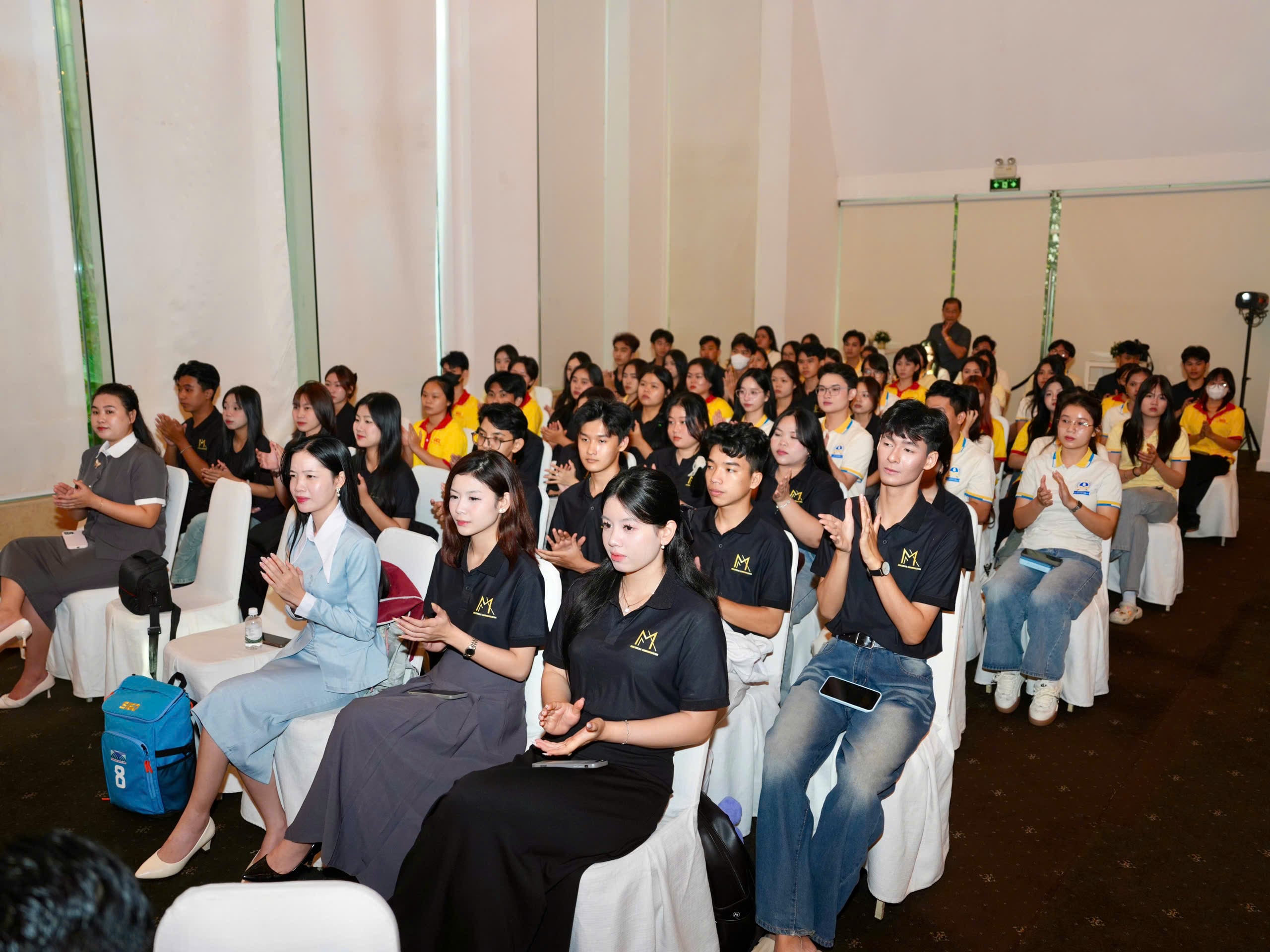
Seminar "Media Training from Innovation to New Era" of the Newspaper Adolescent with many students, lecturers, and guests participating
PHOTO: INDEPENDENCE
Seminar "Media Training from Innovation to New Era" of the Newspaper Adolescent part of a series of commemorative activities 40 years Newspaper Day Thanh Nien published its first issue (January 3, 1986 - January 3, 2026). This was an opportunity for universities that provide training in journalism and communications to share their orientations for training in the field of communications, their achievements, innovations, and creativity, as well as their difficulties and recommendations.
Source: https://thanhnien.vn/bao-chi-ung-dung-ai-nhung-cach-nao-van-giu-duoc-nhan-van-ban-sac-185251209111018539.htm
![[Photo] Urgently help people soon have a place to live and stabilize their lives](/_next/image?url=https%3A%2F%2Fvphoto.vietnam.vn%2Fthumb%2F1200x675%2Fvietnam%2Fresource%2FIMAGE%2F2025%2F12%2F09%2F1765248230297_c-jpg.webp&w=3840&q=75)


































































![[Photo] General Secretary To Lam works with the Standing Committees of the 14th Party Congress Subcommittees](https://vphoto.vietnam.vn/thumb/402x226/vietnam/resource/IMAGE/2025/12/09/1765265023554_image.jpeg)






























Comment (0)