How often should you replace your smartphone to avoid wasting money?
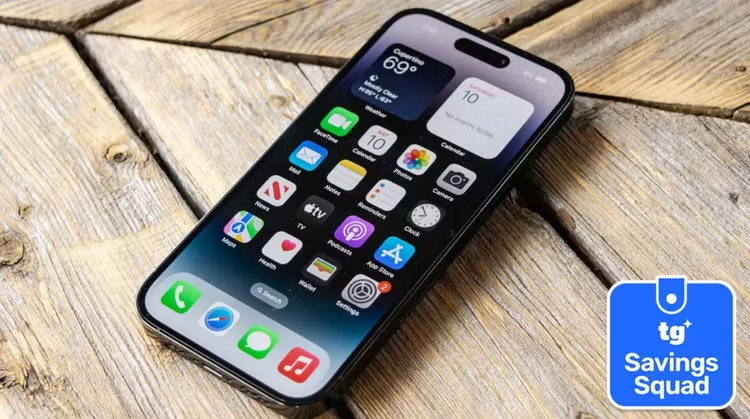
Smartphone upgrade cycles are changing dramatically as phones become increasingly expensive, but experts suggest that three years is the most reasonable time to upgrade.
Báo Khoa học và Đời sống•20/05/2026
After years of users being accustomed to changing phones every 1-2 years, the modern smartphone market is witnessing a major shift as flagship prices from Apple, Samsung, and high-end Android brands consistently exceed $1,000, making frequent upgrades less feasible for the majority of average users. According to the experience of many tech experts with nearly two decades of phone reviews, the "golden" time to replace a smartphone nowadays is usually around 3 years of use, because this is when the differences in performance, camera, battery, and software experience become significant enough for users to notice during daily use.
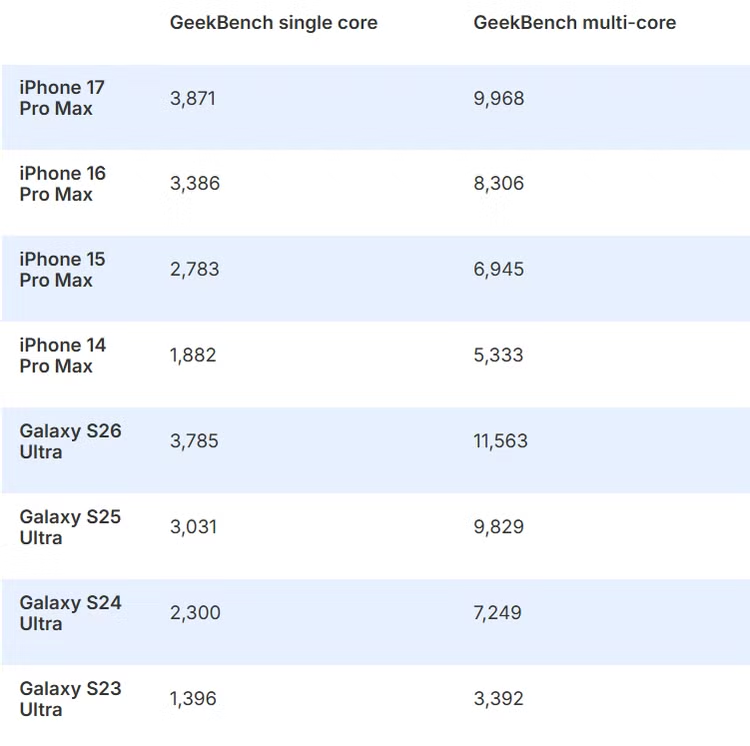
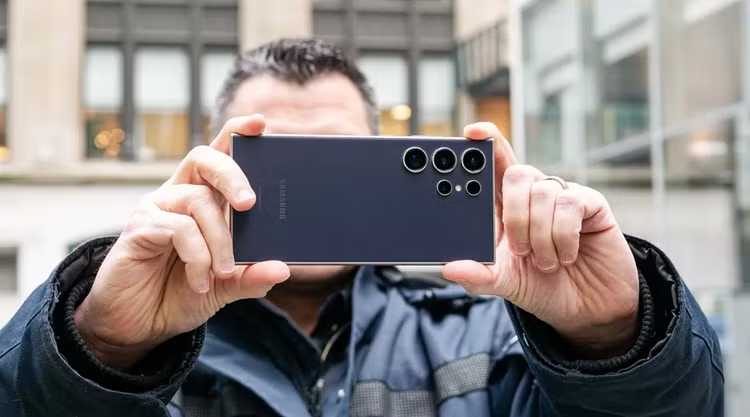
The performance gap between successive generations of phones is no longer as large as it used to be, with many new flagship models only improving processing power by about 15–20% each year, while upgrading after three years can provide users with a performance jump of over 200%, especially on high-end models like the Samsung Galaxy S26 Ultra or iPhone 17 Pro Max.
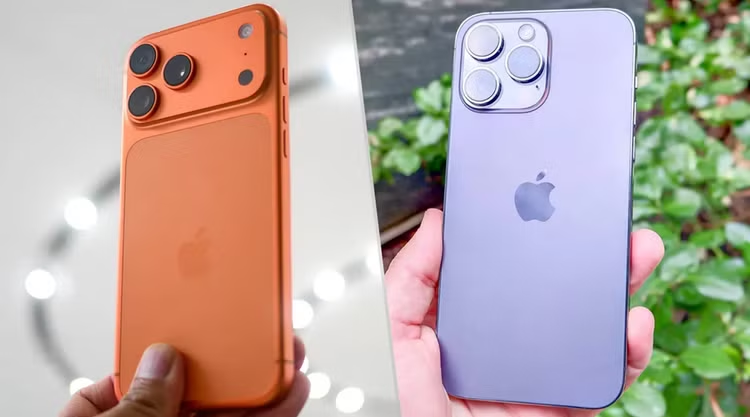
The camera is also one of the reasons many people decide to replace their phone after a few years of use, as new sensors are constantly being upgraded significantly in terms of optical zoom, video recording, and AI processing. For example, the telephoto camera on newer generations of iPhones has moved from a 12MP sensor with 3x zoom to a 50MP sensor with 5x optical zoom, resulting in noticeably superior image quality.
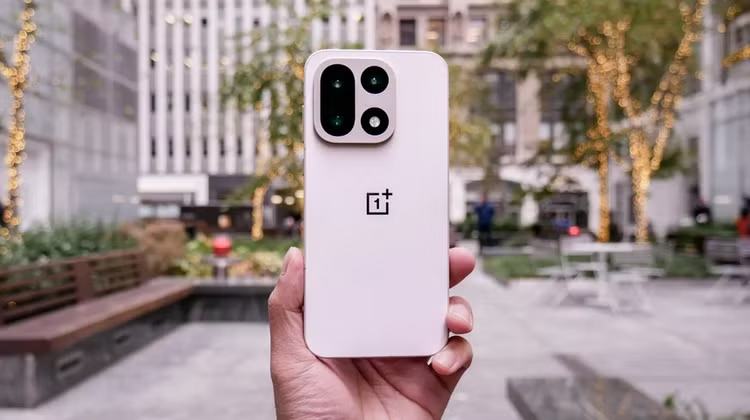
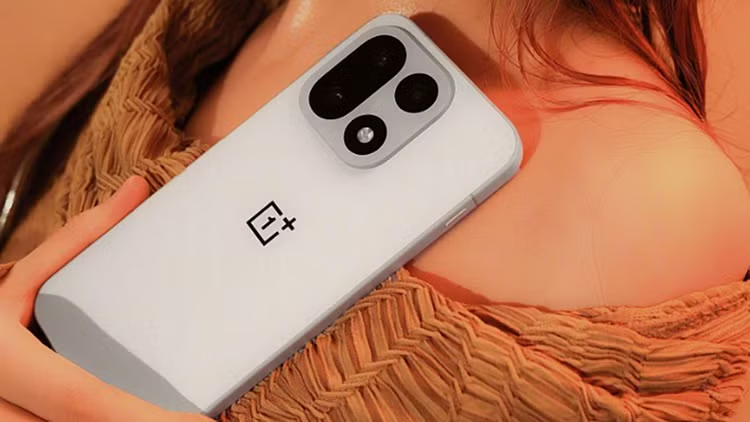
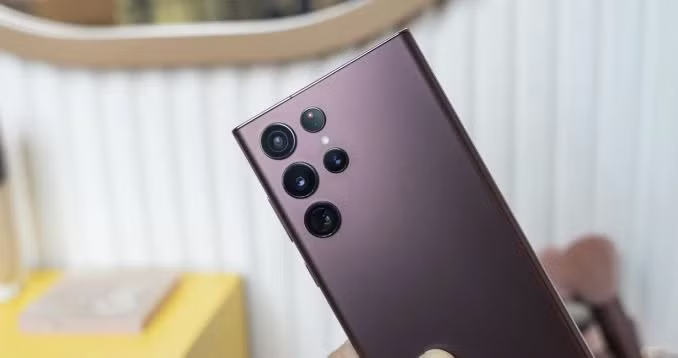
Besides the camera, the battery is the fastest-degrading component on smartphones because lithium-ion batteries begin to degrade right out of the box, and after about three years of continuous use, many devices often experience rapid battery drain, overheating, or require frequent daily charging, significantly reducing the user experience. Several tech companies are currently trying to extend smartphone lifespan with new battery technologies such as silicon-carbon in the OnePlus 15, offering significantly longer usage times than previous generations without increasing the device size, opening up the possibility that users can keep their phones longer in the future while still ensuring a good battery experience. Besides hardware, the fact that manufacturers are extending software support for up to 5–7 years also contributes to changing the smartphone upgrade cycle, as many older devices like the Samsung Galaxy S22 Ultra still receive new AI features, security patches, and modern interfaces even though they were released many years ago.
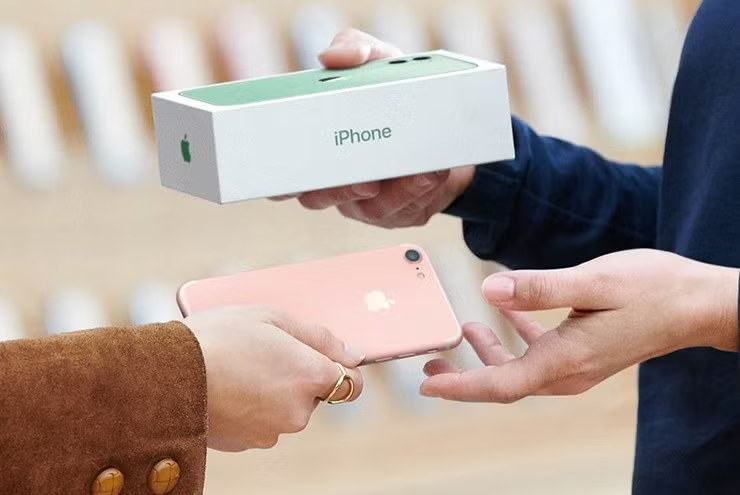
Although subsidy and installment plans constantly encourage users to upgrade their phones sooner, experts suggest that users should carefully consider their actual needs before upgrading, as a cycle of approximately 3 years is currently considered the most reasonable option to balance cost, performance, and the experience of new technology.

 Báo Khoa học và Đời sống•20/05/2026














![[GALLERY] Witnessing the first landing of an Italian F-35B fighter jet on a highway.](https://vphoto.vietnam.vn/thumb/402x226/vietnam/resource/IMAGE/2026/05/24/1779625960562_f-35b-della-marina-militare-2-jpg.webp)







![[GALLERY] Elon Musk shocks with the statement that people may not need to go to work.](https://vphoto.vietnam.vn/thumb/402x226/vietnam/resource/IMAGE/2026/05/24/1779625359765_el-png.webp)











































































Comment (0)