

In that context, the application of modern biotechnology to identify, classify, monitor and conserve species is an urgent requirement.
The scientific task "Building a database on the taxonomy and distribution of some endemic, endangered and rare terrestrial vertebrate species in Vietnam" (Code: DTĐL.CN-64/19), chaired by Associate Professor, Dr. Le Duc Minh, implemented at the Institute of Natural Resources and Environment - Vietnam National University, Hanoi, is one of the pioneering studies to meet that requirement.
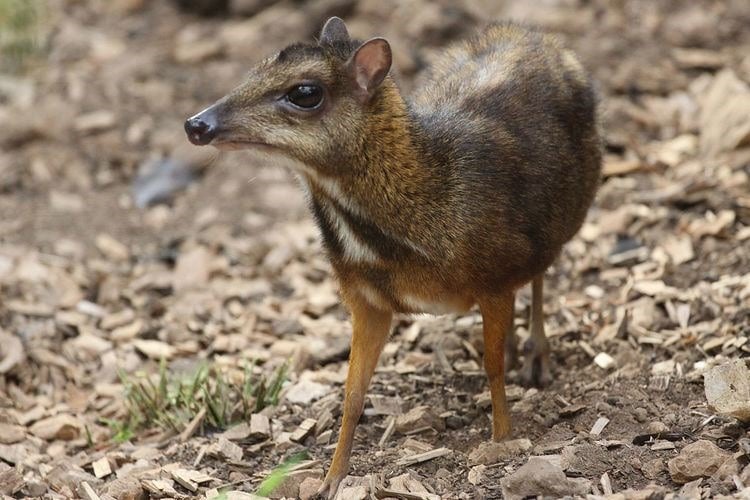
As part of the "Program for basic science development in the fields of Chemistry, Life Sciences, Earth Sciences and Marine Sciences for the period 2017-2025", the mission aims to master modern taxonomic methods, combining morphological - ecological - genetic - evolutionary research to build a comprehensive database of endemic and endangered animal species of Vietnam. This is an important foundation for research and conservation at the ecosystem, species and molecular biology levels, and at the same time contributes to Vietnam's deeper participation in the Global Taxonomic Initiative of the Convention on Biological Diversity (GTI - CBD) and the GBIF system.
One of the mission's notable contributions was the first time that the complete genomes of 10 species from four classes, amphibians, reptiles, birds and mammals, had been sequenced.
DNA decoding not only helps to accurately identify species, but also allows scientists to gain a deeper understanding of evolutionary relationships, population structure, genetic diversity and future extinction risks. This is a major step forward for wildlife research in Vietnam, where classification was previously based mainly on morphology, leading to many cases of confusion or unclear identification.
Notably, the results of the analysis of the Saola (Pseudoryx nghetinhensis) genome – the extremely rare “Asian unicorn” – published in the journal Cell have attracted great attention from the international scientific community. Along with that, the mission has published the results in leading journals such as Science, Nature, Nature Communications, Nature Ecology and Evolution, contributing to affirming Vietnam’s genomic research capacity in the international arena.
In parallel with the in-depth research, the team has built a web-based search software that integrates taxonomic information, distribution and genetic data of endemic and endangered animal species. A special feature is that the system has integrated bioinformatics tools, allowing the determination of origin, kinship and genetic similarity between specimens, a useful tool for managers, conservationists, rangers and scientists.
The mission also proposes a system of solutions for conservation, breeding, and sustainable management of genetic resources based on comprehensive scientific analysis, from the ecosystem level to the species level.
The research, investigation and monitoring processes for biodiversity developed by the group are assessed to be close to the standards of developed countries and can be widely applied in natural resource investigation activities.
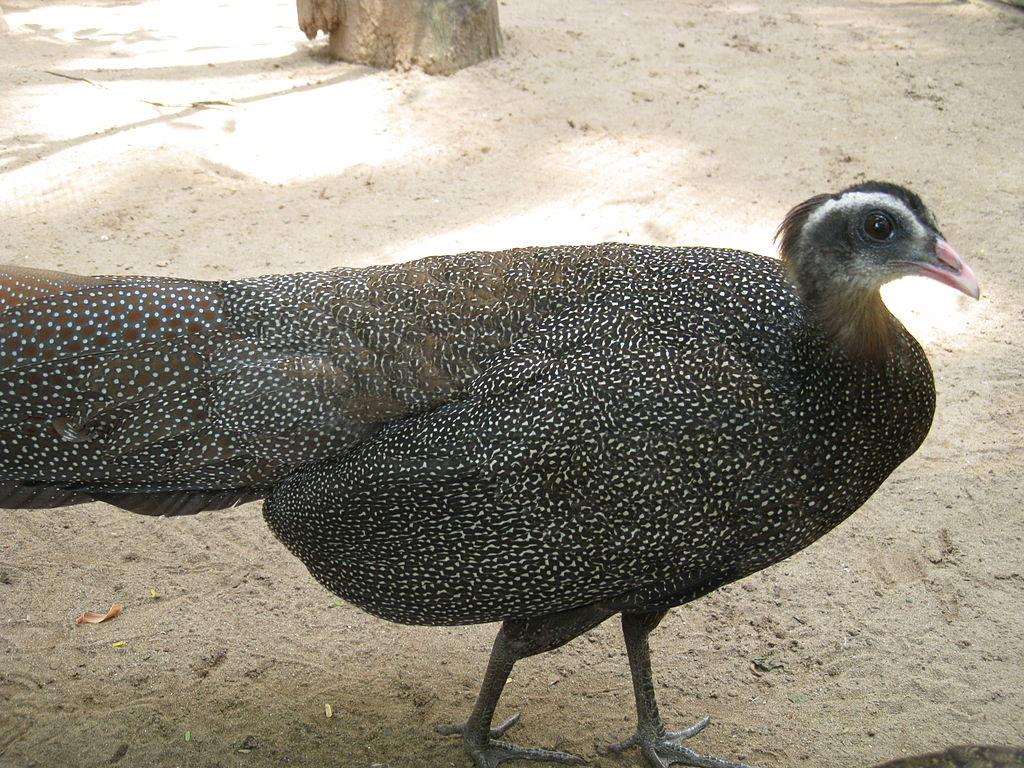
Endemic organisms in Vietnam.
In terms of science, the mission opens a new approach to wildlife research in Vietnam – from the traditional morphological approach to the integration of molecular biology and big data. Vietnamese scientists have mastered core technologies such as next-generation genome sequencing, large-scale DNA data analysis, evolutionary simulation and phylogenetic tree construction. These capabilities create the premise for Vietnam to catch up with the world 's modern conservation research trends.
In terms of economic efficiency, the database helps to enhance management and conservation efficiency, reducing the risk of extinction of species that play an important role in the ecosystem. The disappearance of key species can cause ecological imbalance, reducing ecosystem services, factors directly related to forestry, ecotourism, agriculture and local livelihoods. The task also contributes to reducing the cost of genome analysis in the future when the technology is mastered in Vietnam, opening up the possibility of application in agriculture, medicine, conservation and biotechnology.
Socially, the research contributes significantly to raising public awareness of endangered species conservation, contributing to the sustainable livelihoods of communities dependent on natural resources. At the same time, the task is to create a practical training and practice environment for a new generation of young scientists. Many PhD students and postgraduate students have been guided and equipped with specialized skills in molecular biology, bioinformatics and conservation, capacities that are lacking in Vietnam.
From the results obtained, the DTĐL.CN-64/19 mission is not only a simple scientific research project but also an important turning point for Vietnam in applying gene technology to wildlife conservation. This is a replicable research model, contributing to the protection of Vietnam's unique biodiversity values in the face of increasingly greater challenges from climate change and environmental degradation.
Source: https://mst.gov.vn/bao-ton-loai-nguy-cap-bang-cong-nghe-he-gen-197251201152615409.htm



![[Photo] Parade to celebrate the 50th anniversary of Laos' National Day](/_next/image?url=https%3A%2F%2Fvphoto.vietnam.vn%2Fthumb%2F1200x675%2Fvietnam%2Fresource%2FIMAGE%2F2025%2F12%2F02%2F1764691918289_ndo_br_0-jpg.webp&w=3840&q=75)
![[Photo] Worshiping the Tuyet Son statue - a nearly 400-year-old treasure at Keo Pagoda](/_next/image?url=https%3A%2F%2Fvphoto.vietnam.vn%2Fthumb%2F1200x675%2Fvietnam%2Fresource%2FIMAGE%2F2025%2F12%2F02%2F1764679323086_ndo_br_tempimageomw0hi-4884-jpg.webp&w=3840&q=75)


























































Comment (0)