

Khmer culture is a precious heritage.
In her opening remarks at the conference, Ms. Trinh Thi Thuy, Deputy Minister of Culture, Sports and Tourism, emphasized that in the process of building, protecting, and developing the country, the Party and State have always considered the culture of ethnic minorities as an organic part of Vietnamese culture, an important endogenous resource, and a precious heritage contributing to the richness, diversity, and unity of Vietnamese national culture.

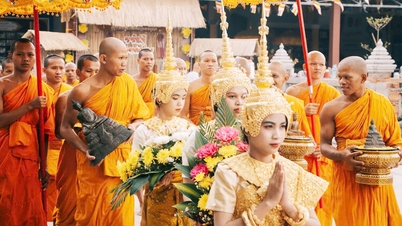
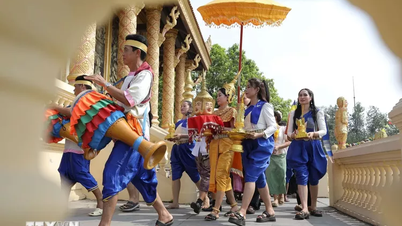
According to Ms. Thuy, the Khmer people have a unique cultural tradition with a system of Theravada Buddhist temples, traditional festivals, folk performing arts, their language, writing system, and rich treasury of folk knowledge. These are values that need to be preserved and promoted in the current context. In recent years, the implementation of the Party and State's policies and guidelines, especially national target programs and projects on the preservation of ethnic minority cultures, has helped to achieve many positive results in the preservation and promotion of Khmer culture. Many types of heritage have been inventoried and restored; traditional festivals and arts have been maintained; and the cultural life of the Khmer people has gradually improved.

Besides, practical realities also present many difficulties and challenges. Some forms of traditional culture are at risk of disappearing; the number of artisans is increasing while passing on their knowledge to the younger generation remains challenging. Urbanization, labor migration, and the impact of the market economy are also changing the traditional cultural space of the Khmer people. "Preserving Khmer culture is not only a cultural task but also an important political and social task, contributing to strengthening national unity and sustainable national development," Ms. Thuy emphasized.

In her welcoming remarks at the conference, Ms. Nguyen Thi Ngoc Diep, Vice Chairman of the People's Committee of Can Tho City, stated that after the administrative reorganization, the city has over 543,000 Khmer people, accounting for 14.11% of the city's total population. This is a locality with a large Khmer population, possessing a rich and distinctive traditional culture. The preservation and promotion of the traditional cultural values of the Khmer people has always been a priority for the local authorities.
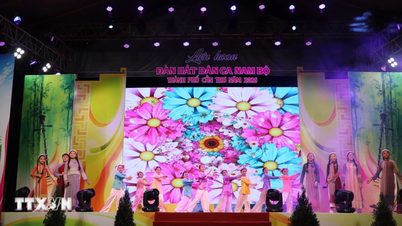
In 2025, the city successfully organized the Oóc Om Bóc Festival – Ngo Boat Race, contributing to promoting the local image and boosting cultural tourism development. Simultaneously, local Party committees and authorities implemented numerous ethnic policies, caring for the material and spiritual lives of the Khmer people; supporting economic development, creating jobs, maintaining security and order, and strengthening national unity.

Therefore, the Vice Chairman of the People's Committee of Can Tho City requested that departments and agencies continue to pay attention to investing in grassroots cultural activities; support the preservation of the spoken language, written script, and traditional arts of the Khmer people; and strengthen propaganda and education to raise awareness among the younger generation about their responsibility to preserve the national cultural identity. He also expressed his hope that religious leaders, artisans, and influential figures would continue to work alongside the government in preserving and spreading the beautiful traditional cultural values of the Khmer people.
Promoting the digitization of documents and building a database of Khmer culture.
At the conference, many in-depth topics were presented and discussed, such as: the preservation and promotion of Khmer cultural values in the current period; the current situation and solutions for preserving Khmer cultural relics in Can Tho; innovation in cultural preservation activities linked to economic and tourism development; preservation of traditional performing arts; preservation of the Khmer people's large drum music art heritage; training of successor human resources to preserve Southern Khmer culture…

Notably, many presentations at the Conference agreed that effective preservation of Khmer culture requires placing the community at the center. Artisans, monks, and respected community leaders should be given the opportunity to pass on their culture to the younger generation; at the same time, Khmer culture should be integrated into education, tourism, and cultural industries. Besides preserving original values, many delegates also proposed mechanisms to support preservation models linked to livelihood development, community tourism, and cultural economy. This is considered a suitable approach to both preserve the national cultural identity and improve the material and spiritual lives of the Khmer people in the new context.
One topic of interest at the Conference was the application of digital technology in the preservation of Khmer cultural heritage. Many opinions suggested the need to promote the digitization of documents, build a database of Khmer culture, record and archive folk art forms, rituals, and traditional festivals; and at the same time, enhance promotion on digital platforms to spread the value of Khmer culture to a wider audience both domestically and internationally.

This conference is not only an opportunity to comprehensively assess the work of preserving and promoting the traditional cultural values of the Khmer people in the past, but also to open up many directions and solutions for the next phase. In particular, linking cultural preservation with tourism development, improving people's lives, and promoting the role of the Khmer community as cultural subjects is considered a key direction to preserve ethnic culture in the flow of modern development.
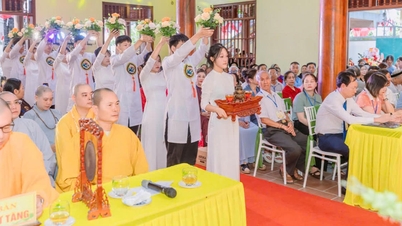
Within the framework of the Conference, in the afternoon of the same day, delegates conducted a field survey and learned from the experience of preserving Khmer culture at the Five-Tone Orchestra and Ngo Boat Club in Ninh Kieu ward, Can Tho city. This activity helped delegates gain more practical insights into the work of preserving, transmitting, and promoting Khmer cultural values in the community.
Source: https://baophapluat.vn/bao-ton-phat-huy-gia-tri-van-hoa-khmer.html





























































































Comment (0)