


Photo: CDC - Caption: Dr. Uc Nguyen
How does this virus damage my body?
Our bodies have a very strong defense system called the immune system. When this Ebola virus gets inside, it's unlike other common viruses.
Its cleverness lies in its ability to attack its own protective cells, turning them into "breeding grounds" where it can replicate throughout its body.
Its greatest danger is that it causes severe inflammation and damage to the blood vessels. When the blood vessels are no longer intact, blood leaks out, leading to internal bleeding and weakening of internal organs, resulting in death in as many as 50% of cases.
It is only transmitted through direct contact.
Many people fear that simply standing close together or breathing the same air is enough to spread the virus. Rest assured, the Ebola virus is not transmitted through the air like influenza or COVID-19. It only spreads through "direct contact," which includes:
Through bodily fluids: This means you have to come into direct contact (through open wounds on the skin, or through the eyes, nose, or mouth) with the blood, vomit, sweat, urine, or saliva of someone who is sick.
Through contaminated items: Sharing personal items, bedding, and clothing contaminated with bodily fluids from an infected person.
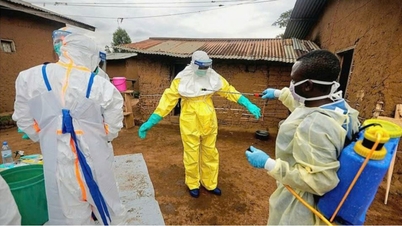
Through handling the deceased: In some parts of Africa, there is a custom of touching the body during the embalming process, which is a very strong route of transmission because the amount of virus in the deceased's body is highest at this time.
Through wildlife: Hunting, slaughtering, or eating the meat of animals living in the forest that are infected with the disease, such as bats, monkeys, and gibbons.
What are the signs and symptoms of this disease?
When the virus enters the body, it doesn't cause illness immediately but has a slow incubation period of a few days to 3 weeks. When it does manifest, the disease progresses quite rapidly through three stages:
Onset phase: The patient experiences a sudden high fever, severe headache, body aches, joint pain, and sore throat. This phase is easily mistaken for dengue fever or common malaria.
Full-blown stage: Symptoms begin to appear, along with persistent diarrhea, leading to dehydration and exhaustion.
Severe stage: Bruises appear on the skin, the patient experiences nosebleeds, bleeding gums, vomiting blood, or bloody stools.
Prevention is within reach: Always cook food thoroughly and boil water before drinking. Absolutely do not eat wild animal meat or meat of unknown origin. Keep your hands clean. Do not share personal items. Limit contact with suspected sources.
Source: https://tuoitre.vn/benh-do-vi-rut-ebola-biet-dung-thi-khong-so-2026051909273949.htm































































































Comment (0)