

- 1. Mechanism that causes cold, dry weather to trigger atopic dermatitis
- 2. Weakened skin barrier function
- 3. Immune response and the itch-scratch cycle
- 4. How to prevent and control the disease effectively
- 5. Expert advice
This is a chronic, persistent skin disease that causes severe itching, dry skin and seriously affects quality of life.
This article will delve into why extreme weather conditions are the "enemy" of AD patients, and provide expert advice for effective disease control and prevention.
1. Mechanism that causes cold, dry weather to trigger atopic dermatitis
Atopic dermatitis is a complex interaction between genetics, impaired skin barrier function and an over-reactive immune system to environmental factors. In cold and dry weather conditions, these two key mechanisms are severely affected, leading to flare-ups.
2. Weakened skin barrier function
The skin barrier acts like a brick and mortar wall, in which:
- The "bricks" are the keratinocytes.
- The "mortar" is the intercellular lipids (ceramide, cholesterol, free fatty acids).
In atopic dermatitis, there is a deficiency of important structural proteins, particularly Filaggrin. Filaggrin plays a key role in creating the skin's natural moisture barrier.
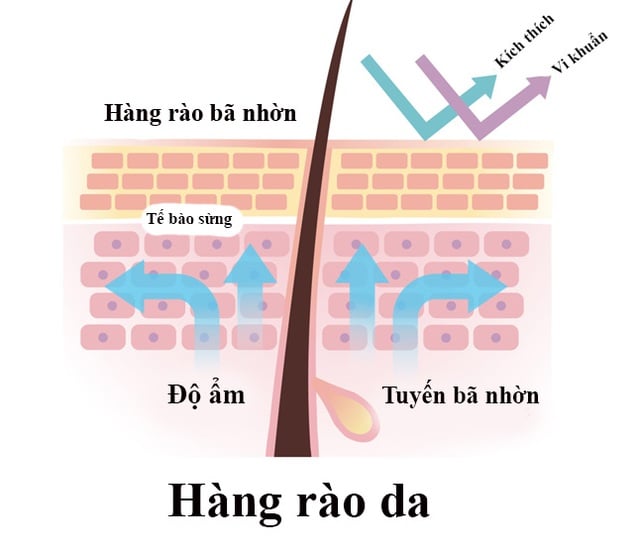
In cold weather, low temperatures reduce sebum production (the skin's natural oil) and constrict blood vessels under the skin. In dry weather, low humidity causes the skin to lose water through the epidermis (Transepidermal Water Loss - TEWL) quickly.
Result: The skin becomes dry, cracked, flaky, and the barrier function is broken. Allergens and bacteria (such as Staphylococcus aureus ) easily penetrate the underlying skin layer, triggering an inflammatory response.
3. Immune response and the itch-scratch cycle
When the skin barrier is damaged, immune cells under the skin (such as Langerhans cells, T cells) will be stimulated and release a series of inflammatory mediators (Cytokines), leading to the phenomenon:
- Redness, swelling (inflammation).
- Intense itching is the main symptom.
The itchy feeling makes the patient scratch constantly, and this action continues to damage the skin barrier more seriously, creating a vicious cycle: Inflammation, itching, scratching, damage, more inflammation. In winter, wearing tight woolen clothes, causing a lot of friction is also a factor that stimulates this cycle.
4. How to prevent and control the disease effectively
Managing atopic dermatitis during the cold season requires persistence and adherence to core principles: Moisturize, avoid irritation, and treat inflammation.
Enhanced hydration
Moisturizing is the most important preventative measure to help restore the skin's protective barrier.
- Choosing a product: Prioritize creams or ointments over lotions, as they are better at locking in moisture. Look for barrier-repairing ingredients like Ceramide, Hyaluronic Acid, Glycerin, and Petrolatum.
- The golden time: Apply moisturizer immediately (within 3 minutes) after bathing. This is when the skin is still damp, helping the moisturizer lock in the remaining water on the skin.
- Frequency: Apply moisturizer several times a day (at least 2-3 times), especially after washing your hands or coming into contact with water.
Change your bathing habits
- Reduce time and temperature: Take short showers (about 5-10 minutes) with warm water, not too hot. Hot water strips away natural oils from your skin more quickly.
- Use a mild cleanser: Use only soap-free, fragrance-free, colorant-free, and pH-neutral or low-pH cleansers. Avoid vigorous scrubbing.
- Dry gently: Use a soft towel to gently dry the skin, avoid rubbing.
Environmental control
- Maintain humidity in the house: Use a humidifier in the bedroom, maintain ideal humidity from 40-60%.
- Clothing: Wear soft, 100% cotton clothing. Avoid itchy fabrics such as wool, felt, or synthetic fibers that come in direct contact with your skin. Wash your clothes with a mild detergent and rinse thoroughly.
Flare-ups
When the disease flares up with symptoms of inflammation and severe itching, the patient needs to see a dermatologist for a prescription:
- Topical anti-inflammatory medications: Usually topical corticosteroids or calcineurin inhibitors (Tacrolimus, Pimecrolimus) to quickly control inflammation and itching.
- Oral anti-itch medications: Antihistamines can be used to relieve itching, especially at night.

Atopic dermatitis is a chronic condition that requires daily care as part of a routine.
5. Expert advice
Atopic dermatitis is a chronic condition that requires daily care as part of a routine. Adequate and continuous moisturizing during the cold season is the "medicine" that helps you minimize the frequency of outbreaks and live in peace with your skin.
Be proactive in protecting your skin from the beginning of the cold season for a healthy and comfortable winter!
See more videos of interest
Source: https://suckhoedoisong.vn/benh-viem-da-co-dia-tang-nang-khi-thoi-tiet-lanh-kho-169251205122650917.htm





































































































Comment (0)