

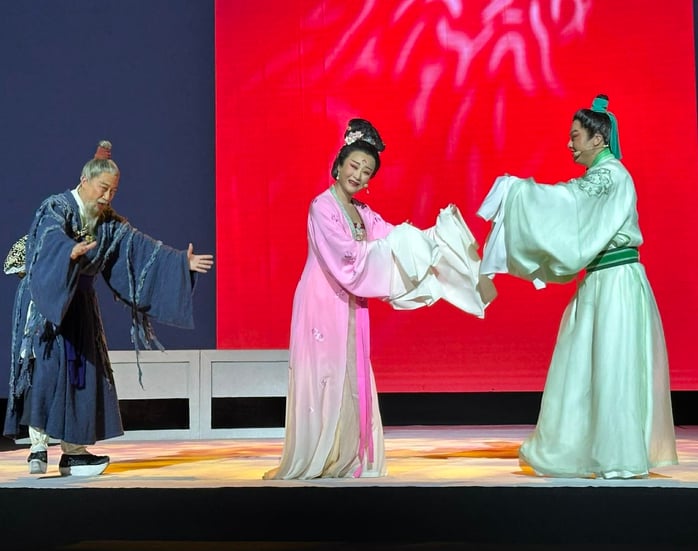
The play "What night is Tonight?" won the award for outstanding work.
After being awarded the Outstanding Work Award at the 6th International Experimental Theatre Festival in 2025 in Ninh Binh for the play "What night is Tonight?", VTV1 produced the Cultural - Artistic Perspective program on December 5, in which experts highly appreciated the Ancient Fish Theatre Troupe - China.
The play was written by Zang Baorong and directed by Liu Jun Zhang. Artists Wang Qiaoyu and Wang Shuai won individual gold medals.
On this occasion, Mr. Vuong Xuan Trinh - Vice President of the Literature and Arts Union of Tram Hoa district, Tan Chau city; Director of the Center for Intangible Cultural Heritage; Head of the Ngu Co Drama Troupe - gave an interview to Nguoi Lao Dong Newspaper.
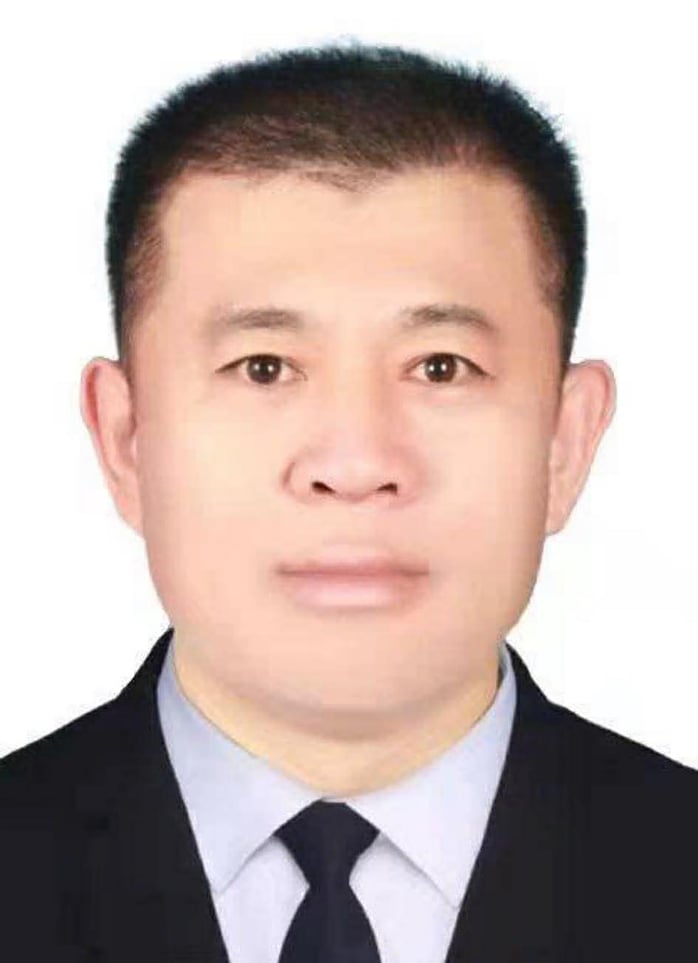
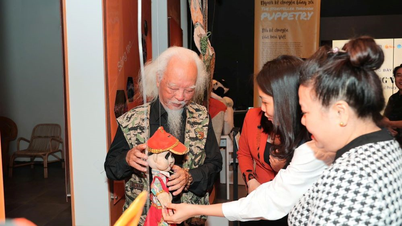
Mr. Vuong Xuan Trinh - Vice President of the Literature and Arts Union of Tram Hoa district, Tan Chau city; Director of the Center for Intangible Cultural Heritage; Head of the Ngu Co Drama Troupe
Reporter: With more than 300 years of history of Ngu Co Opera, what core values do you think are unchanging in the troupe's art?
- Mr. Vuong Xuan Trinh: What the Ngu Co Tram Hoa Drama Troupe always steadfastly preserves is the local cultural roots and emotional empathy. Whether it is the singing voice, the sound of the Ngu Co (fish drum) in the accompaniment, or the dialect language, all are bridges between homeland memories and community sentiment. We firmly maintain the artistic essence of "using drama to convey morals, using love to touch people's emotions". Therefore, despite the innovation of form, everything still revolves around "hometown sounds, hometown love, hometown soul".
. In the context of the current Chinese stage being under great pressure from urbanization, entertainment industry and digital platforms, what has the theater troupe done to maintain its traditional identity without being "museumized" on stage?
- We use "Living Heritage" to create a dialogue between tradition and the present. For example: bringing Ngu Co plays into community festivals, school aesthetic education , cultural and tourism performances, helping plays "live" on stage and in life, not just in the display cabinet.
Where is the line between innovation and loss of identity?
- Innovation does not mean destruction, but rather expanding the space of expression on the basis of respecting the artistic characteristics and performance aesthetics of this type of drama. For example, it is possible to incorporate modern arrangements into music , but the core rhythm and singing melody of the ancient Ngu drama must remain the same. The script can exploit contemporary issues, but the performance format must still preserve the spirit of tradition. The boundary is "the form can change, but the spirit cannot change".

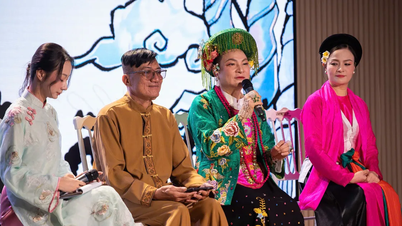
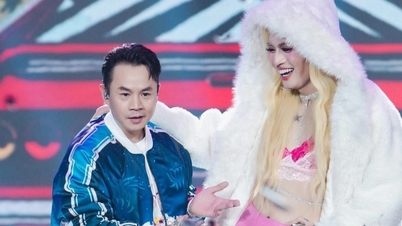
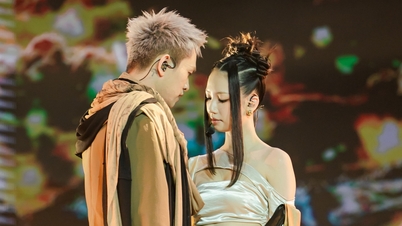
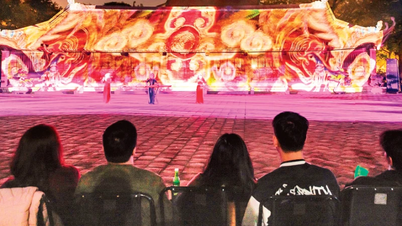
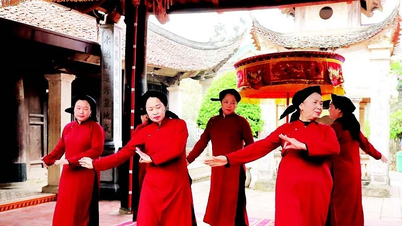
Beautiful choreography by artists of Tram Hoa Ancient Fish Opera Troupe - China
. How has the inclusion of the Fish Play in the list of national intangible cultural heritage affected the troupe's artistic strategy?
- After being recognized as a national intangible cultural heritage, the troupe received more policies and financial support, and shouldered a greater responsibility for inheritance. We systematized the script, recorded audio and video materials, opened teaching classes, and focused on emphasizing the cultural imprint of this art form in performances. At the same time, we strive to connect traditional art with modern society, both preserving the unique appeal of Ngu Co drama and satisfying the aesthetics of contemporary audiences - especially young people, in order to expand the audience and ensure sustainable development.
In the modern Chinese theatrical ecosystem, where local forms of drama are increasingly at risk of being overwhelmed, how does the Zhanhua Ancient Yu Dynasty perceive its social role: to preserve heritage, serve the community, or compete in the "cultural market"?
- These three roles are not contradictory. First of all, we are the ones who inherit and serve the community through public performances; at the same time, we also actively participate in the cultural market, bringing quality works to participate in theater festivals and tours, so that Ngu Co plays go beyond the local scope and become the "cultural business card" of the region.
When faced with the need to "modernize" to attract young audiences, what criteria did the group set so as not to trade aesthetic depth for mere entertainment?
- We always adhere to the principle of "content is the root, aesthetics is the core". Although we introduce modern elements, we absolutely do not reduce the literary value and performance depth of the opera. In stage production, we use modern technology such as light and sound in a creative way, but always serve the content and performance atmosphere, not abusing entertainment tricks. In scriptwriting, we focus on the logic and depth of the story, avoiding making the content superficial just to pursue entertainment effects. Thereby ensuring that young audiences, even though they are exposed to a new form, still clearly feel the artistic appeal and ideological value of traditional opera.

Many domestic audiences and artists love the acting talent of the artists of the Tram Hoa Ancient Fish Theater Troupe - China.
. It is argued that innovation in traditional art must be based on "new thinking" and not just "new forms"?
- We completely agree. True innovation must come from a deep understanding of tradition and a combination with the spirit of the times. For example, our play "Kim Tich Ha Tich" (Which Night Is It Tonight) not only experiments in form but also modernizes the storytelling and character psychology.
- After "Tonight, which night", does the group plan to continue pursuing experimental works on a larger scale or in an interdisciplinary direction (combining multimedia, cinema, digital theater...)?
- We plan to experiment with the combination of multimedia and digital theater, develop an immersive theater experience model, and at the same time find a way to adapt the Ngu Co theater IP to cinema and television so that traditional art can spread in more diverse forms.
Source: https://nld.com.vn/doan-kich-ngu-co-trung-quoc-tiet-lo-bi-quyet-khong-bi-bao-tang-hoa-196251207142912052.htm
























































Comment (0)