

At the Steering Committee meeting of the Project “Promoting low-carbon circular economy through clean technology innovation towards sustainable development in Vietnam” held on December 9, Deputy Minister of Agriculture and Environment Tran Thanh Nam emphasized the consistent orientation: gender equality must become a central part in clean technology deployment.

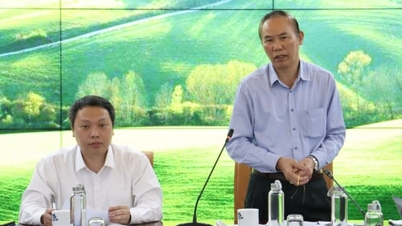
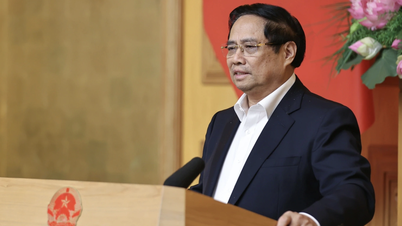
Deputy Minister Tran Thanh Nam emphasized that to promote a green economy , it is necessary to create real conditions for women to access emission reduction models, from training, consulting to opportunities to access green credit. Photo: Hoang Hien.
According to Deputy Minister Tran Thanh Nam, when women are given the opportunity to experiment and innovate, they will not be inferior to anyone, and require activities not to follow a general direction but to identify specific target groups and have clear support mechanisms.
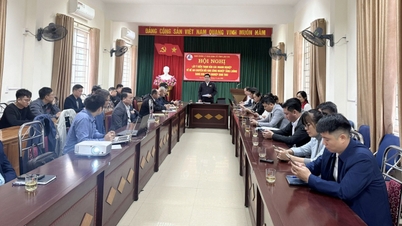
Reporting at the meeting, Mr. Nguyen Dinh Tho, Deputy Director of the Institute of Strategy and Policy on Agriculture and Environment, Project Director, said that in the 2024-2025 period, the project has completed many important procedures such as signing the Project Implementation Agreement with UNIDO, establishing the Steering Committee and approving the master plan. However, the progress is still affected by major changes in organizational structure and policy adjustments after the merger of ministries and branches. The prolonged technical consensus with the donor caused the advance funding to be disbursed only at the end of October 2025, slowing down the training, connection and network building components of clean technology innovation.
The Project Management Board report also shows that the policy components, connecting the cleantech innovation ecosystem and knowledge management are designed to promote the circular economy, commercialize innovations and expand business capacity. In particular, the gender equality component is one of the important pillars: assessing the needs and opportunities of women in cleantech startups, proposing the establishment of a cleantech innovation network for women, implementing a mentoring program, and carrying out a campaign to raise awareness about their role in the green startup ecosystem.
At the meeting, UNIDO representatives noted the great potential of clean technology models originating from farmers and local businesses, especially in the field of bio-packaging utilizing agricultural by-products. However, many initiatives have not been able to develop to market scale due to lack of commercialization resources, technical support and investment connections. UNIDO suggested not limiting the sector but focusing on demonstrating the effectiveness of reducing water use, emissions and waste to identify suitable projects for support.
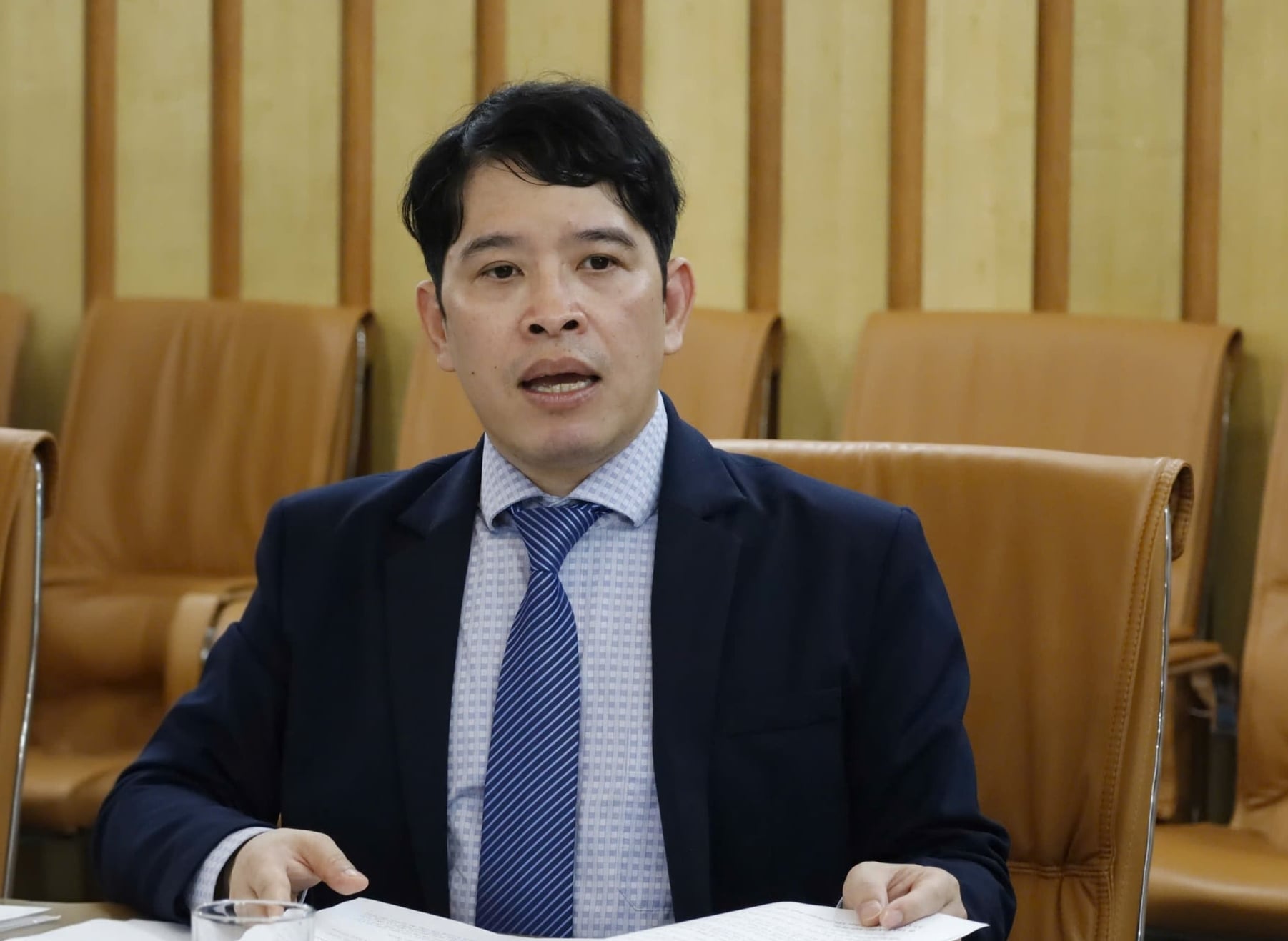
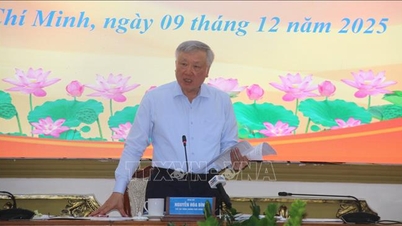
Mr. Nguyen Dinh Tho, Deputy Director of the Institute of Strategy and Policy on Agriculture and Environment, Project Director, said that in the 2024-2025 period, the project has completed many important procedures. Photo: Hoang Hien.
Through the discussion, Deputy Minister Tran Thanh Nam requested the Project Management Board to urgently complete the regulations and develop a set of clear criteria for selecting support models, focusing on priority areas of the Agriculture and Environment sector. He emphasized two reasons for the slow progress in recent times: policy changes and organizational consolidation. On that basis, the Deputy Minister suggested more drastic implementation, ensuring that pilot models are both highly applicable and demonstrate women's contributions to emission reduction and clean technology innovation.
To create momentum for dissemination, the Deputy Minister aims to organize a large-scale forum in January 2026, and at the same time launch an innovation competition on clean transformation for small and medium enterprises. The year-end scoring council will select and support typical models, thereby maintaining the annual movement and expanding the network of businesses participating in the clean technology ecosystem. UNIDO representative highly appreciated this proposal, saying that a national initiative program will help the project demonstrate specific results and ensure sustainability. In particular, the Deputy Minister emphasized the requirement to integrate gender equality throughout the entire implementation process, in order to ensure the sustainability, inclusiveness and long-term effectiveness of the project in the context of Vietnam promoting green transformation and implementing international climate commitments.
Source: https://nongnghiepmoitruong.vn/binh-dang-gioi-phai-tro-thanh-mot-phan-trong-tam-trong-trien-khai-cong-nghe-sach-d788383.html

![[Photo] Urgently help people soon have a place to live and stabilize their lives](/_next/image?url=https%3A%2F%2Fvphoto.vietnam.vn%2Fthumb%2F1200x675%2Fvietnam%2Fresource%2FIMAGE%2F2025%2F12%2F09%2F1765248230297_c-jpg.webp&w=3840&q=75)
















































![[Photo] General Secretary To Lam works with the Standing Committees of the 14th Party Congress Subcommittees](https://vphoto.vietnam.vn/thumb/402x226/vietnam/resource/IMAGE/2025/12/09/1765265023554_image.jpeg)

























Comment (0)