

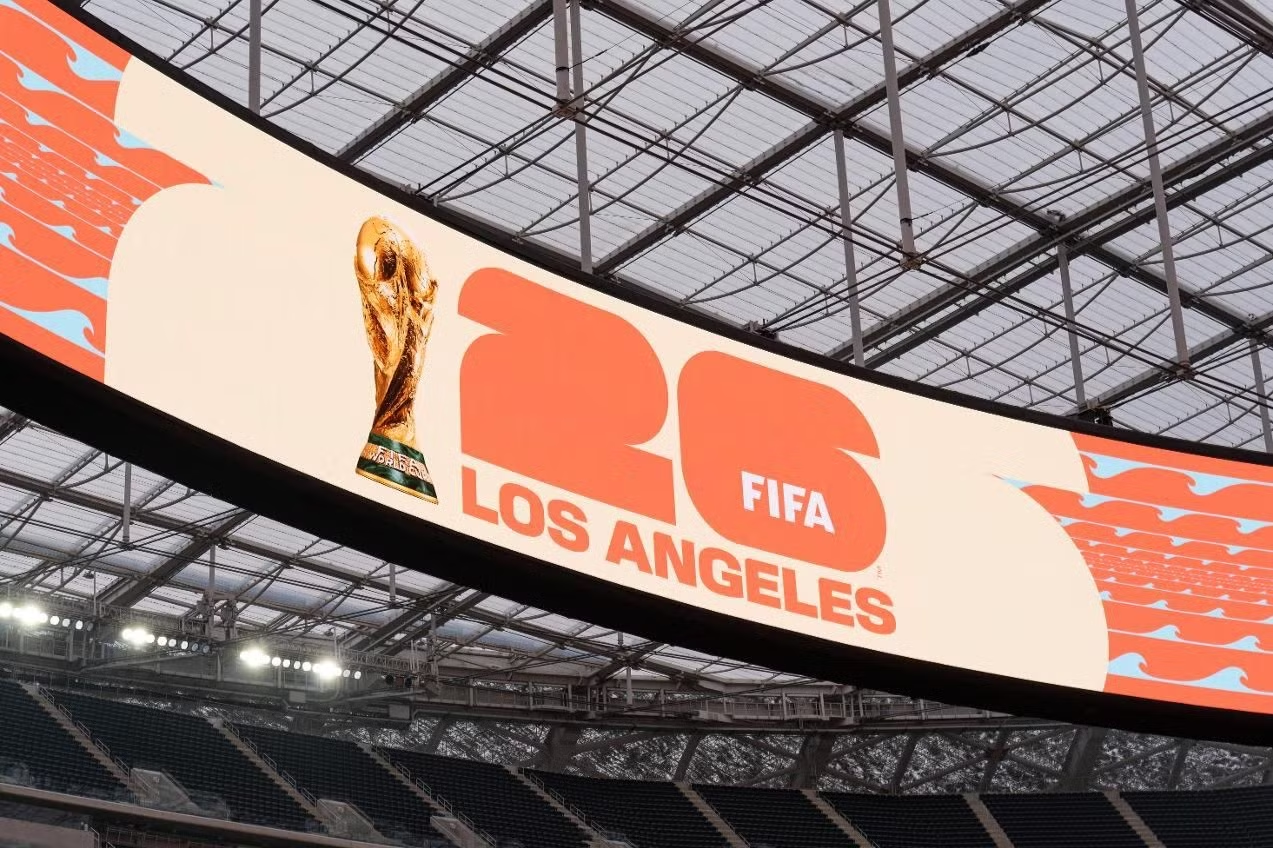
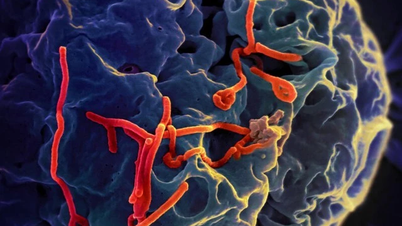
The fact that the Democratic Republic of Congo national team had to urgently cancel their training camp at home (and instead train behind closed doors in Europe) due to an Ebola outbreak in the eastern part of the country was a wake-up call. Immediately, the highest authority in world football activated an emergency coordination with leading North American security and health agencies to tighten epidemiological screening measures.
Besides the Democratic Republic of Congo national team, many other African representatives are also on the list of those under special scrutiny because this is currently a "red zone". More worryingly, the risk of infection is not limited to a few individual teams; it could spread to their fans.
In a tournament with a scale of up to 48 teams like this year's, the density of travel and interaction between countries from all continents is extremely high. According to statistics, the frequency of air travel during the 2026 World Cup will increase by 40% compared to normal, which also means a higher risk of disease spread.
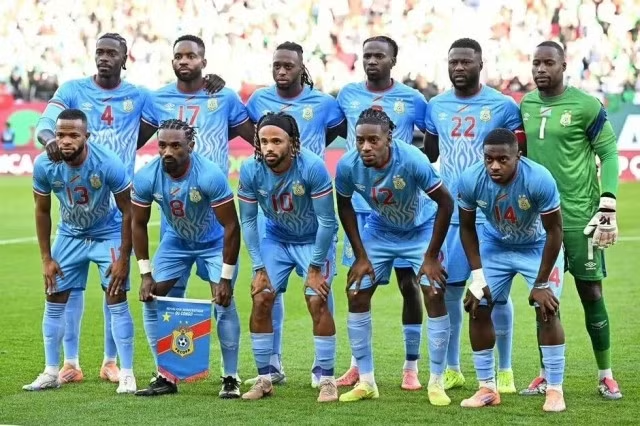
Even a small lapse in control could lead to a chain reaction, directly threatening the integrity of the schedule and the personnel strength of many teams. Faced with this thorny issue, according to Reuters, FIFA immediately joined forces with the US State Department, the Centers for Disease Control and Prevention (CDC), the US Department of Homeland Security, and health agencies in Canada and Mexico.
Their ultimate goal is to build a multi-layered, tightly-packed medical screening "barrier" right from the entry points. All teams arriving in North America will have to undergo a rigorous epidemiological screening process, including automated temperature checks, detailed travel history declarations, and rapid testing for suspected cases.
In addition, the headquarters of the 48 teams will be under continuous 24/7 medical monitoring to detect any abnormal symptoms early. The application of big data and artificial intelligence (AI) in tracking the movement of fans in the host cities is also being considered. Hopefully, the proactive approach of FIFA and the host countries will provide a solid foundation for the 2026 World Cup to proceed as safely as possible.
Source: https://tienphong.vn/bong-ma-dich-benh-de-doa-world-cup-2026-post1845004.tpo
























































































Comment (0)