

Production increased rapidly, exports surged.
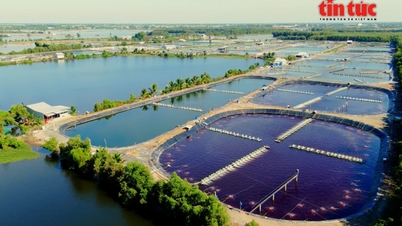
According to the Fisheries and Aquaculture Inspection Department, by 2025, there will be approximately 42,000 hectares of specialized tilapia farming (including black tilapia and red tilapia) nationwide; production will reach 420,000 tons, a 33% increase compared to 2024.
The Red River Delta and the Mekong Delta are two key production regions, with large production concentrations in Hai Phong, Dong Thap, An Giang , and Vinh Long. In Central Vietnam, the provinces of Thanh Hoa, Ha Tinh, Nghe An, and Quang Tri are also major production areas.
Tilapia farming offers many advantages, including a readily available source of broodstock, rapid growth rate, low feed conversion ratio (FCR), and wide adaptability to various environmental conditions, from freshwater to brackish water. This species is suitable for industrial feed and intensive farming models, has a reasonable cost, is easy to process, and effectively meets both domestic and export demands in various product forms.
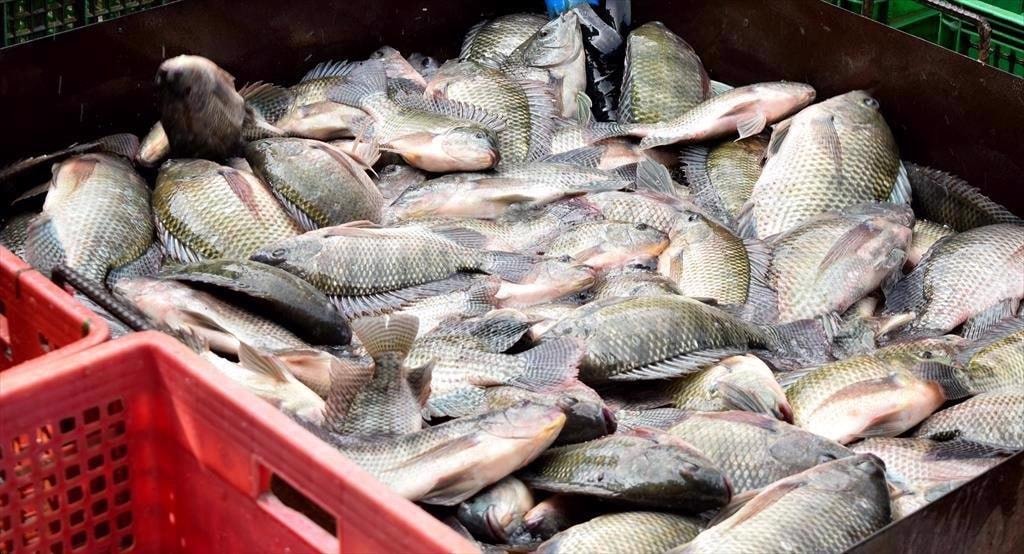
Currently, there are 510 seafood processing plants that meet export requirements and can participate in processing tilapia. Some typical businesses include Nam Viet, NVD Seafood, Royal Queen Fish, De Heus, Mavin, Viet Truong, Xuyen Viet…
According to the Vietnam Association of Seafood Processing and Export (VASEP), tilapia exports are projected to reach US$99 million in 2025, a 141% increase compared to the previous year. This growth is expected to continue in 2026, with exports reaching US$23 million in the first two months alone, a 242% increase. It is estimated that tilapia exports will reach approximately US$35 million in the first quarter of 2026, a nearly 190% increase year-on-year.
Growth is driven not only by traditional markets but also by the breakthrough of emerging markets, opening up significant opportunities for the tilapia industry. Currently, Brazil still accounts for the largest share at 54%, followed by the US with 17%, showing an increasingly clear market shift trend. One of the key factors driving growth is the fact that Vietnamese businesses have effectively taken advantage of the opportunity presented by the high tariffs imposed by the US on tilapia from China and Brazil, thereby opening up long-term development potential.
Tilapia exports have recorded impressive growth, reflecting expanding demand in international markets as well as the potential for development in this industry.
However, behind these strong growth figures lie limitations in the production infrastructure and supply chain, highlighting the need for sustainable development in the coming period. Currently, production scale is fragmented, and supply chain linkages are not strong; seed quality is inconsistent and still partly dependent on imported seeds; technical and environmental management skills are uneven; and deeply processed products are few, resulting in low added value. The export market and brand of Vietnamese tilapia are not yet truly stable and prominent compared to competing countries.
Strengthening the production base and supply chain.
According to development plans, in 2026, tilapia will be evaluated for inclusion in the group of key aquaculture species, along with several other species with potential and advantages. In the Fisheries Development Strategy to 2030, the Ministry of Agriculture and Environment also identifies tilapia as one of the potential aquaculture species, alongside shrimp and pangasius. Simultaneously, industry restructuring programs are encouraging the expansion of aquaculture areas towards industrial-scale production, the application of high technology, and adherence to sustainable development standards.
To develop this industry, the Ministry has directed localities to strengthen the management of farming areas, control the quality of breeding stock, and develop farming models according to VietGAP, GlobalGAP standards, or other international certifications. Establishing a stable raw material supply area is considered a key factor for export development.
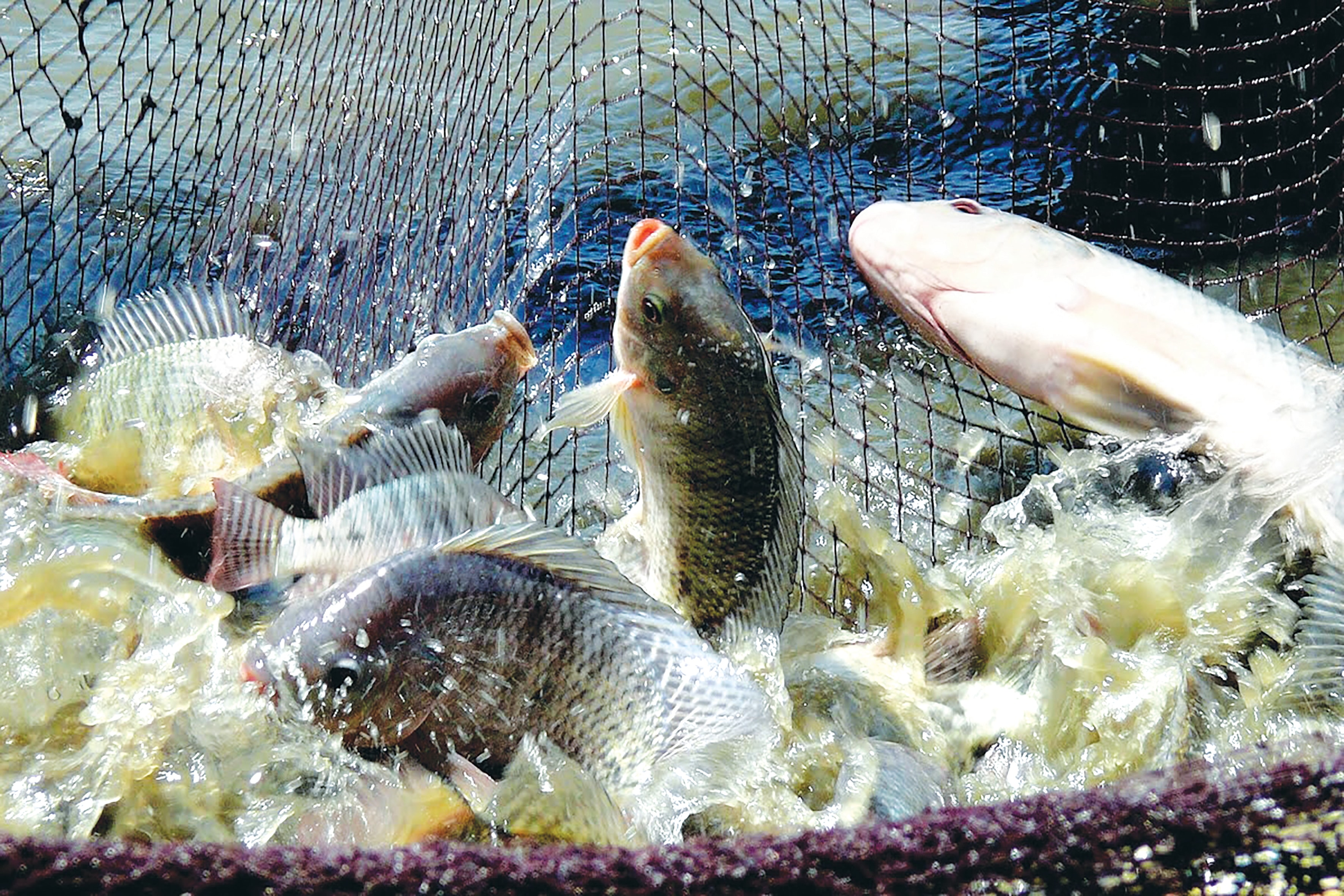
VASEP believes that promoting tilapia farming can help the fisheries sector diversify its products, especially in the whitefish group. At the same time, tilapia has great potential in the domestic market, contributing to reducing imports and taking advantage of opportunities in markets such as the US and Europe. However, in some localities, businesses are still hesitant about investing in and developing tilapia farming, alongside the main export product, pangasius.
To boost tilapia farming, VASEP notes that Vietnam must accept fierce competition from China, which has advantages in scale and lower costs. Investing in advanced, modern farming technology to ensure quality and productivity of tilapia will also be a significant challenge for Vietnamese businesses. The industry needs to quickly strengthen its production foundation, enhance supply chain linkages, and increase added value.
From a business perspective, STP Group Joint Stock Company believes that tilapia has enormous potential for expanding production and export. To develop it into a strong industry, many issues need to be addressed simultaneously: broodstock quality, seed quality, farming techniques, feed, credit, cooperative organization, traceability, quality standards, and linkages with processing businesses.
Source: https://daibieunhandan.vn/ca-ro-phi-diem-sang-moi-cua-nganh-thuy-san-10414656.html





































































































Comment (0)