

Changes in socio -economic life, along with the impacts of modernization, have put many forms of culture at risk of being lost. In this situation, local cultural agencies have proactively developed action programs, focusing on core values that are being preserved by the community.
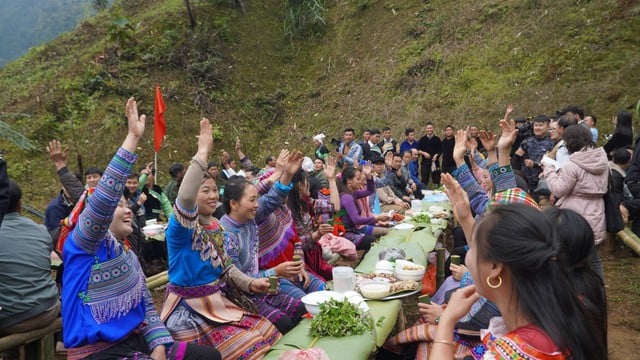
Local cultural agencies have proactively developed action programs, focusing on core values that are being preserved by the community.
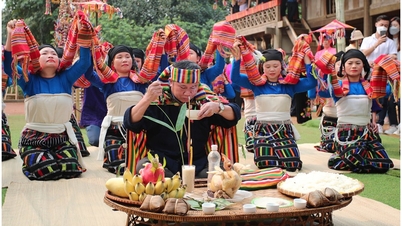
In many mountainous areas in the North, local authorities have coordinated with artisans and people to conduct surveys and make a list of heritage types that are at risk of disappearing, such as folk songs, life cycle rituals, crafts and indigenous knowledge. On that basis, classes to teach Then singing, Sli singing, Luon singing, Mong panpipe singing, and Xoe dancing have been opened for young people. It is noteworthy that many classes not only aim to restore performance skills but also recreate traditional cultural spaces, helping young people understand more deeply about the origins of their ethnic group.
In the Central and Central Highlands regions, localities continue to focus on preserving the gong cultural space, new rice festivals, village festivals, communal house architecture, handicrafts and traditional objects. In some villages, the model of "community cultural houses" is regularly maintained, becoming a place for activities, displaying traditional objects and organizing gong teaching sessions for children. The active participation of artisans has helped many typical values of ethnic groups to be preserved and spread in modern life.
In the Central Coast, localities with a large Cham population continue to implement programs to preserve traditional dance arts, folk musical instruments, pottery and brocade weaving. In addition to supporting artisans to maintain their creative activities, many localities also encourage the community to build cultural clubs to teach skills to the younger generation. Thanks to this, the unique cultural values of the Cham people are increasingly restored, becoming an important source of material for the development of cultural tourism .
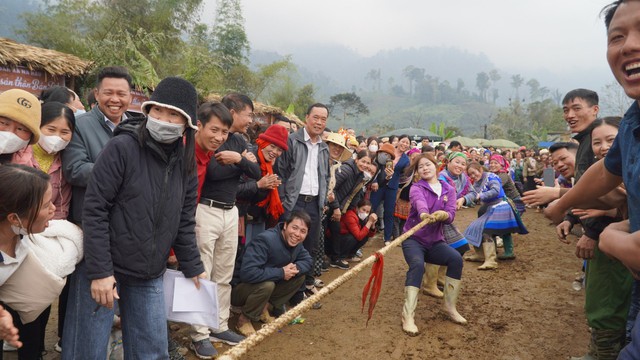
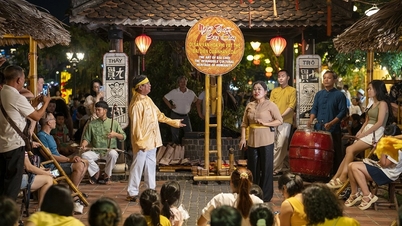
Combining cultural preservation with community tourism development is also a direction that many places focus on.
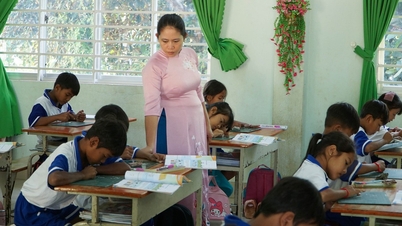
In parallel with teaching activities, many provinces and cities have promoted the application of technology to preserve intangible heritage in the long term. The digitization of documents, recordings, videos, and the construction of cultural data warehouses... are carried out on a topic-by-topic basis, helping to fully store and serve research and management work. Some localities have also included ethnic cultural education content in schools, creating conditions for students to have the opportunity to access indigenous knowledge early.
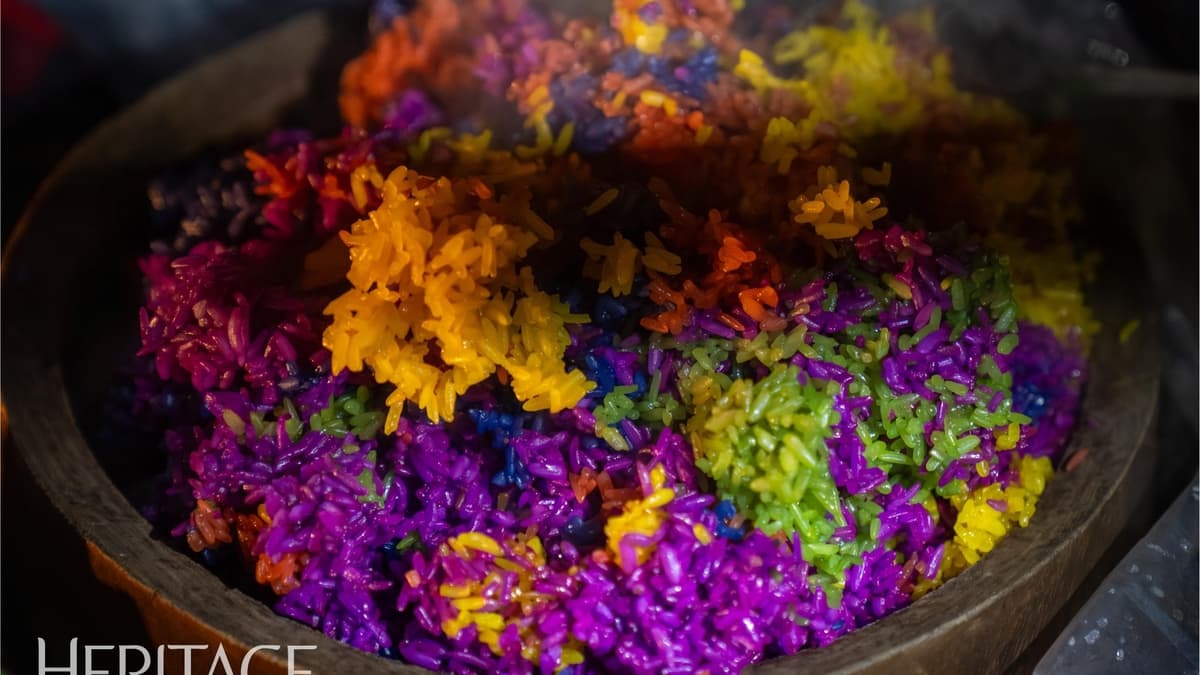
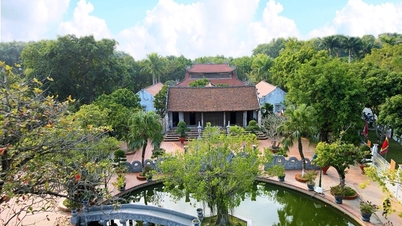
In addition, linking cultural preservation with community tourism development is also a direction that many places pay attention to. Traditional values such as festivals, cuisine, crafts, traditional houses, cultural activities, etc. are selected to be included in tourism products in a suitable way, preserving identity while still creating a stable source of income. Many villages have become attractive destinations for tourists, thereby creating more livelihoods for people, while raising awareness of protecting and preserving the culture of the community itself.
It can be seen that the work of restoring and preserving the traditional cultural identity of ethnic minorities is receiving close attention from authorities at all levels, artisans and the community. The programs being implemented not only help preserve precious heritage values, but also create a foundation for sustainable tourism development, contributing positively to the socio-economic development of ethnic minority and mountainous areas.
Source: https://bvhttdl.gov.vn/cac-dia-phuong-day-manh-khoi-phuc-va-bao-ton-ban-sac-van-hoa-truyen-thong-cua-dong-bao-dan-toc-thieu-so-20251209152851655.htm

![[Photo] Urgently help people soon have a place to live and stabilize their lives](/_next/image?url=https%3A%2F%2Fvphoto.vietnam.vn%2Fthumb%2F1200x675%2Fvietnam%2Fresource%2FIMAGE%2F2025%2F12%2F09%2F1765248230297_c-jpg.webp&w=3840&q=75)








































![[Photo] General Secretary To Lam works with the Standing Committees of the 14th Party Congress Subcommittees](https://vphoto.vietnam.vn/thumb/402x226/vietnam/resource/IMAGE/2025/12/09/1765265023554_image.jpeg)



















Comment (0)