

According to Dr. Do Thi Minh Nghia, Head of the Dermatology Department at the Central Traditional Medicine Hospital, skin pigmentation is not just a purely aesthetic issue but also greatly affects psychology, causing many people, especially women, to become self-conscious in their daily interactions and activities.
According to doctors, the most common cause of dark spots and melasma is hormonal changes. This condition is often seen in postpartum women, women in the pre-menopausal stage, or those who use birth control pills for extended periods. In addition, the impact of sunlight with ultraviolet rays stimulates the body to produce excessive melanin, leading to the formation of brown spots and dark patches on the skin over time. A diet lacking in vitamin C, vitamin E, and antioxidants also makes the skin prone to dullness and lack of radiance. Furthermore, prolonged stress and frequent insomnia impair blood circulation, directly affecting skin tone and the skin cell's ability to regenerate.
Sharing insights on treating melasma according to Traditional Chinese Medicine, Specialist Doctor Do Thi Minh Nghia stated that the core principle is to regulate blood circulation and nourish the body from within , allowing the skin to naturally recover. Based on this, the doctor recommended a herbal remedy commonly used in clinical practice to help brighten skin and fade melasma.
This herbal remedy uses ingredients that nourish the blood and vital energy, such as 15g of Atractylodes macrocephala, 10g of Angelica sinensis, 5g of Glycyrrhiza glabra, 10g of Coix lacryma-jobi, and 10g of Astragalus membranaceus. These herbs are decocted with approximately 800ml of water over low heat until only about one-third remains, and then divided into doses to be taken throughout the day. With regular use over time, the metabolic processes of skin cells improve, the complexion becomes brighter, and dark spots gradually fade.
Besides oral remedies, folk traditions also offer simple yet effective skincare tips. According to Dr. Nghia, a decoction made from coriander seeds – a familiar ingredient often used in bathwater during Tet (Vietnamese New Year) – can be used to wash the face daily. This helps cleanse the skin, reduce dark spots, and provides a relaxing sensation. This is also one of the methods often combined in traditional Eastern medicine for skin treatment and care.
Based on her experience in treatment, Specialist Doctor Do Thi Minh Nghia emphasizes that skin health is closely linked to overall body health. Healthy skin not only contributes to external beauty but also helps individuals feel more confident in social interactions, as the folk saying goes, "First comes figure, then comes skin."
Achieving beautiful and lasting skin requires a combination of factors, with nutrition playing a fundamental role . A balanced and adequate diet ensures the supply of essential vitamins such as vitamins A, C, and E, along with trace elements like zinc and selenium, which help increase the resilience and regenerative capacity of skin cells. Drinking enough water daily is also crucial for maintaining skin hydration and softness.
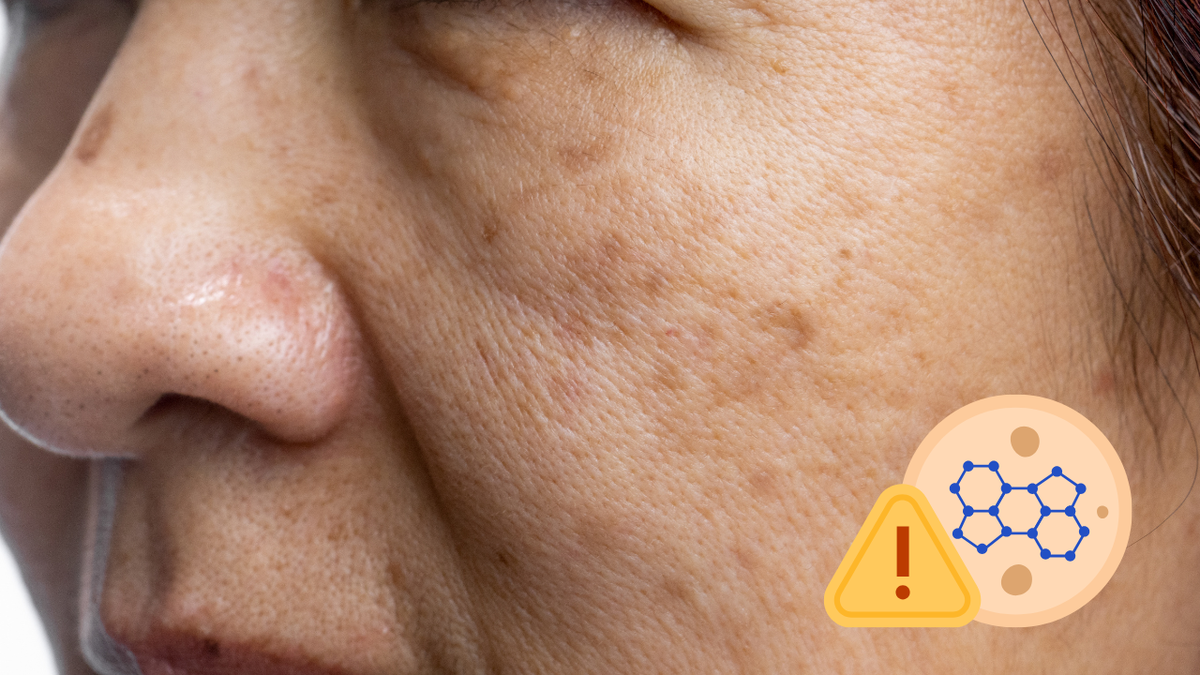
Hyperpigmentation can be completely improved with a combination of internal and external care.
In addition, choosing the right foods also contributes to improving skin complexion. Green vegetables, fresh fruits, fish, omega-3 rich oils, and nuts are all beneficial for the skin if consumed in moderation. This should be combined with a healthy lifestyle, including getting enough sleep, avoiding staying up late, maintaining a regular exercise routine, and proactively managing stress. Prolonged stress not only affects mental health but also negatively impacts blood circulation and skin.
Environmental factors also need to be given due attention . When going outside, especially in hot, dusty conditions, protecting and shielding the skin is essential. Doctors recommend using sunscreen with an SPF of 30 or higher, combined with careful protection using hats, masks, and sun-protective clothing. At the same time, it's necessary to maintain skin moisture through proper facial cleansing and using suitable moisturizing products to minimize irritation and premature aging.
According to Dr. Do Thi Minh Nghia, traditional Chinese medicine remedies and natural skincare tips do not provide immediate results but require time to show effects. Typically, users need to be persistent for at least 4 to 6 weeks and maintain regular use to see noticeable improvement. In cases of severe, persistent melasma or melasma with no signs of improvement, patients should visit a specialized dermatology clinic for examination, consultation, and appropriate treatment, avoiding self-treatment with methods of unknown origin.
Hyperpigmentation is a common problem, but it can be improved with proper and comprehensive care. A harmonious combination of internal care through nutrition and herbs, and external care through skin protection and lifestyle adjustments, will not only help the skin become brighter and healthier but also bring relaxation and balance to the body. Most importantly, persistence and a conscious effort to make these good habits a part of your daily self-care journey are key.
Source: https://phunuvietnam.vn/cach-dieu-tri-sam-nam-da-don-gian-bang-dong-y-238260108164940759.htm









































































































Comment (0)