

For people with diabetes, controlling blood sugar levels and monitoring HbA1C is important for overall health as well as eye health, helping to prevent eye diseases.
1. Common eye diseases in diabetics
Eye damage from uncontrolled blood sugar often has no symptoms at first. That's why people with diabetes need regular eye exams to catch problems before they cause damage. Diabetic eye disease can develop over about 5 to 10 years.
1. Cataracts
People with diabetes are twice as likely to develop cataracts as people without diabetes. The disease appears earlier and progresses more quickly in people with diabetes. High blood sugar levels lead to the accumulation of cells and proteins in the lens, causing the lens to become cloudy. Therefore, people with diabetes need to control their blood sugar well to help slow the onset of cataracts.
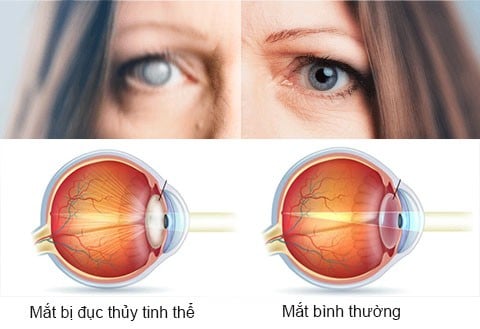
Diabetics are twice as likely to develop cataracts as normal people.
2. Diabetic retinopathy in pregnant women with diabetes
Pregnant women with diabetes are at increased risk of diabetic retinopathy, which can lead to vision loss. Therefore, it is important to have an eye exam early in pregnancy and follow-up visits as recommended. However, women with gestational diabetes are not usually at this risk.
3. Ocular paralysis, diplopia and ocular motility disorders
Diabetic circulatory damage can cause ophthalmoplegia. When one or more eye muscles don’t work properly, the eyes don’t work together, resulting in double vision. This condition usually lasts for a few days to a few weeks. Controlling your blood sugar and taking medication as prescribed by your doctor can help improve this condition.
4. Eye infections
People with diabetes are more susceptible to infections because their immune system is weakened. This can lead to conjunctivitis (pink eye) and other infections. To prevent this, control your blood sugar, wash your hands frequently, and avoid touching your eyes.
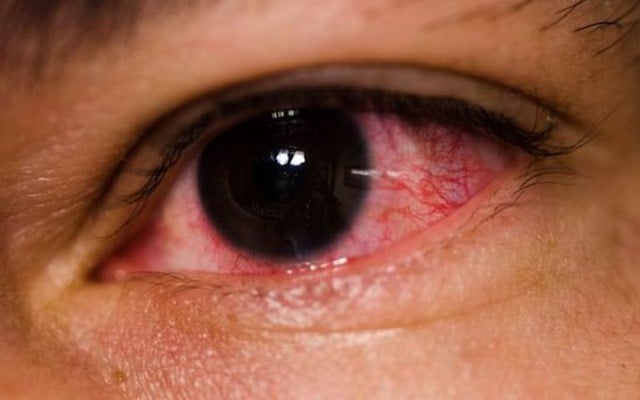
Diabetics are susceptible to pink eye due to weakened immune systems.
5. Blurred vision
Unstable blood sugar can cause temporary blurred vision. In addition, long-term damage to the retina and blood vessels of the eye from diabetes can cause permanent vision loss. Therefore, regular check-ups with an ophthalmologist are necessary.
2. How to prevent diabetic eye disease
1. Have a comprehensive eye exam with an ophthalmologist at least once a year
A dilated eye exam provides a close look at the retina and optic nerve to detect early damage. Diabetes damages the microvasculature, the smallest blood vessels at the back of the eye; leakage or bleeding can cause vision loss if not treated promptly.
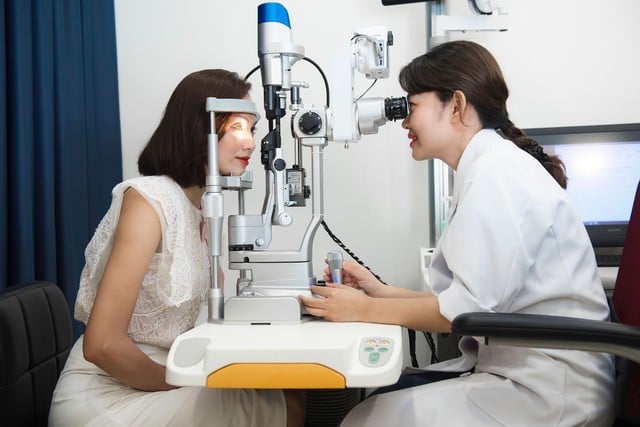
A comprehensive eye exam once a year helps detect eye diseases early in people with diabetes.
2. Good blood sugar control
High blood sugar can change the shape of the lens, causing blurred vision and damaging the blood vessels in the eye. Controlling blood sugar helps prevent this condition.
3. Maintain blood pressure and cholesterol within acceptable limits
High blood pressure and high cholesterol increase your risk of eye disease. Keeping these numbers in check is good for both your eyes and your overall health.
4. Quit smoking
Smoking increases your risk of diabetic retinopathy and other eye diseases. Quitting smoking significantly reduces this risk.
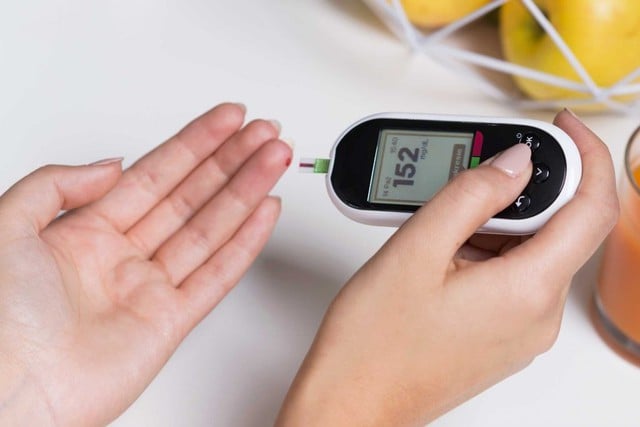
Good blood sugar control helps prevent eye diseases in people with diabetes.
5. Exercise regularly
Exercise helps control blood sugar and maintain eye health.
If you have diabetes, you can still maintain good vision. Be proactive in controlling your diabetes and see your eye doctor regularly to reduce your risk of eye disease.
See more popular articles:
Source: https://suckhoedoisong.vn/cach-phong-tranh-cac-benh-mat-thuong-gap-o-nguoi-tieu-duong-169251128181154803.htm



![[Photo] Worshiping the Tuyet Son statue - a nearly 400-year-old treasure at Keo Pagoda](/_next/image?url=https%3A%2F%2Fvphoto.vietnam.vn%2Fthumb%2F1200x675%2Fvietnam%2Fresource%2FIMAGE%2F2025%2F12%2F02%2F1764679323086_ndo_br_tempimageomw0hi-4884-jpg.webp&w=3840&q=75)
![[Photo] Parade to celebrate the 50th anniversary of Laos' National Day](/_next/image?url=https%3A%2F%2Fvphoto.vietnam.vn%2Fthumb%2F1200x675%2Fvietnam%2Fresource%2FIMAGE%2F2025%2F12%2F02%2F1764691918289_ndo_br_0-jpg.webp&w=3840&q=75)


























































































Comment (0)