

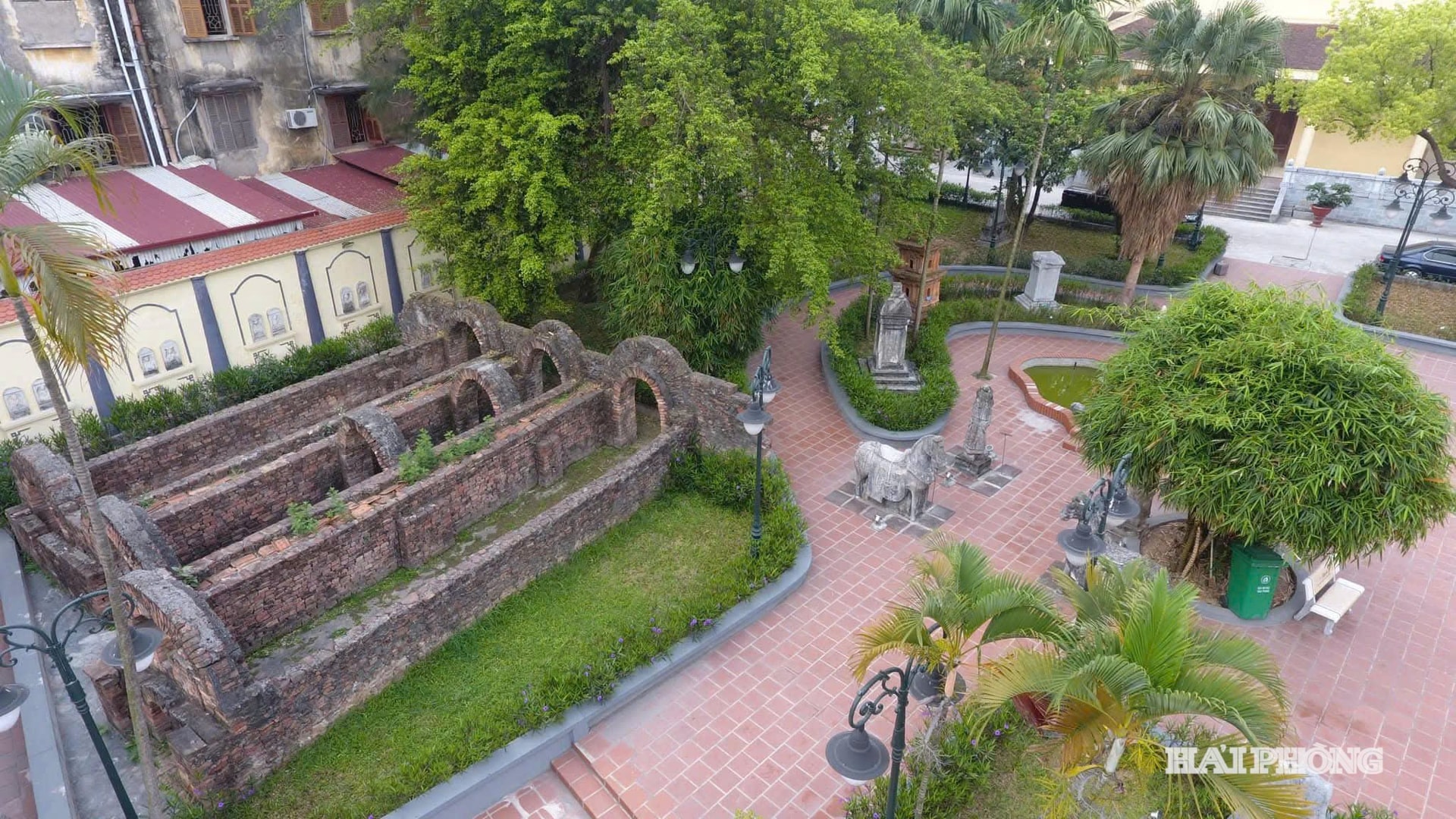
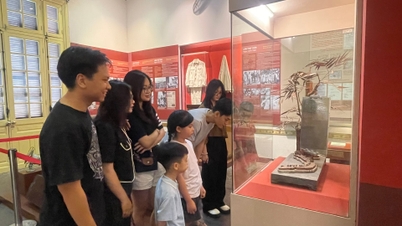
The remarkable exhibit is an ancient tomb that attracts many visitors and locals who come to learn more about it. Ms. Nguyen Thi Tuyen from Hai An ward, who brought her children here to visit, was naturally curious about this model of an ancient tomb. "At first glance, it didn't look like a tomb. After the tour guide explained it, my children and I were amazed by its scale, architecture, and construction materials," Ms. Tuyen said.
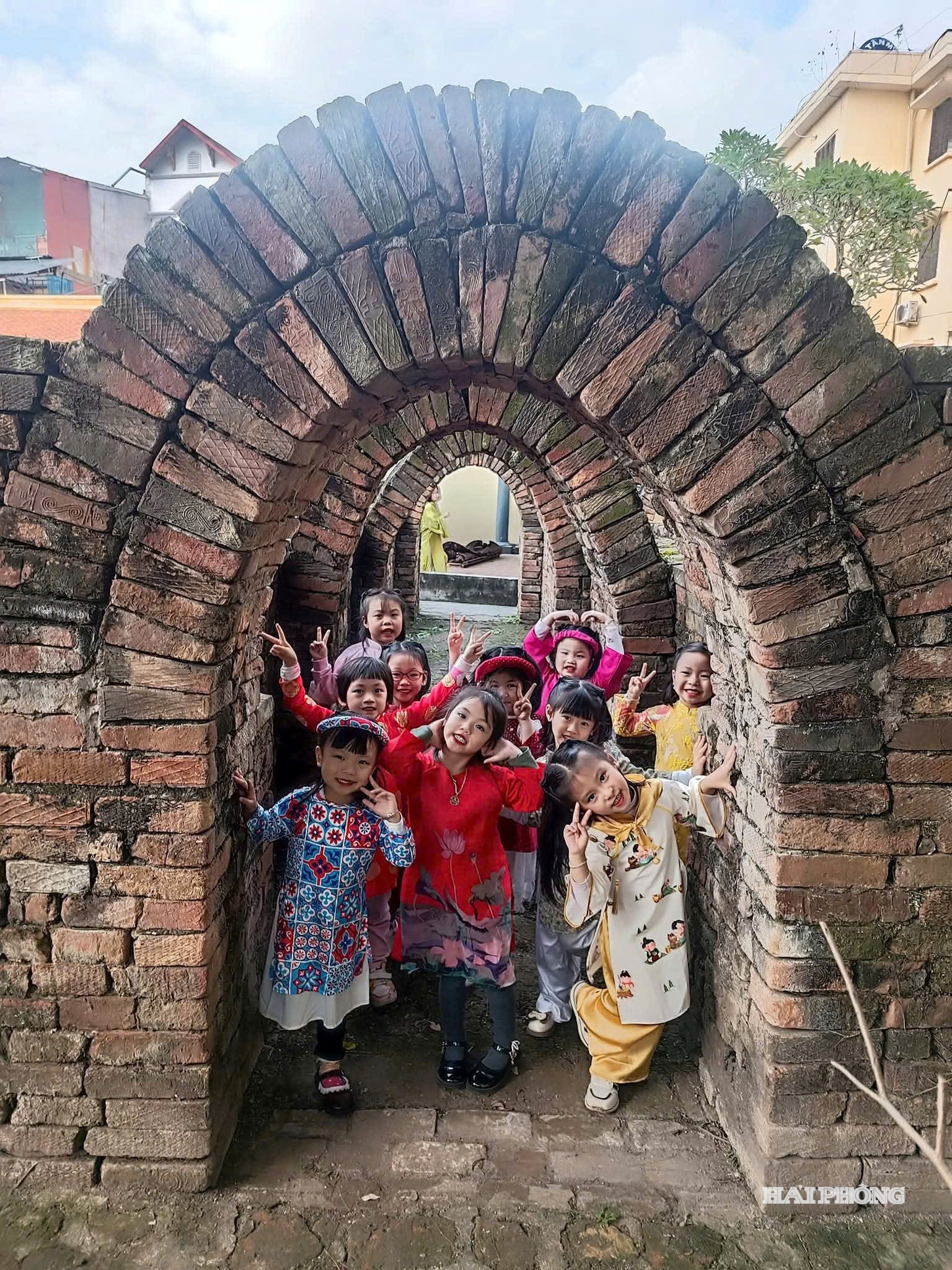
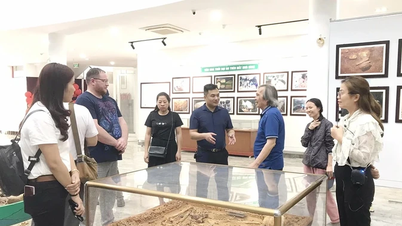
Assessing the value of the ancient tomb being preserved and displayed in the unit's historical and cultural space, Mr. Do Dinh Quyet, Deputy Director of the Hai Phong Museum, said that this is one of the exceptionally rare artifacts, possessing historical and archaeological value.
According to Mr. Do Dinh Quyet, the tomb is not only vivid material evidence of the architectural techniques, ceramic art, and high aesthetic thinking of the inhabitants of the early Common Era, but also a "historical document in the form of artifacts" clearly reflecting the strong flow of cultural exchange between indigenous identity and contemporary foreign elements.
Preserving and promoting the value of this ancient tomb at the Hai Phong Museum not only helps today's young generation gain a more visual and profound understanding of the historical origins of this coastal region, but also affirms Hai Phong's position as an important trading hub and cultural convergence point from thousands of years ago.
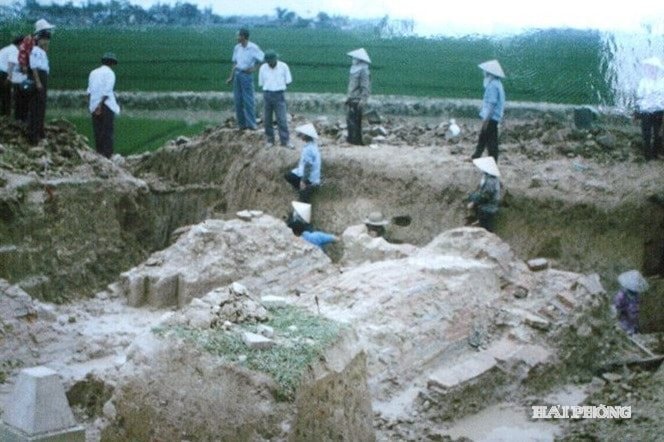
The ancient tomb was unearthed in 1996 in Vu Xa village, Ai Quoc commune, Nam Sach district, Hai Duong province (now Vu Xa residential area, Ai Quoc ward, Hai Phong city). Mr. Tang Ba Hoanh, former Director of the Hai Duong Provincial Museum, was the person who discovered, excavated, reconstructed, and researched the tomb. According to Mr. Hoanh, this is a restored tomb (reconstructed to its original form, including the tomb's orientation, dimensions, and materials).
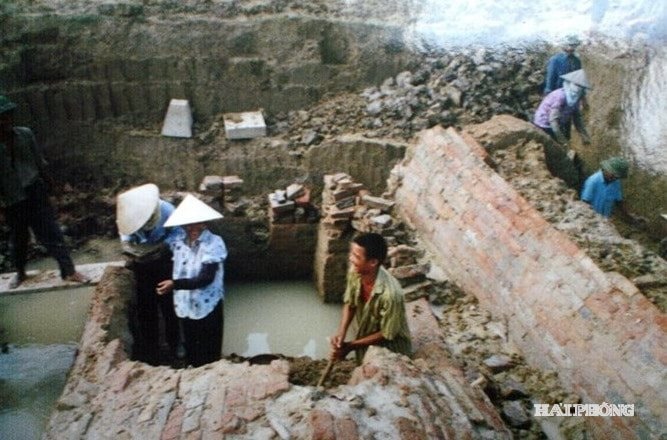
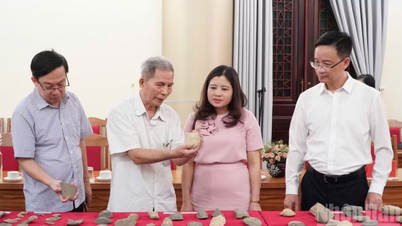
One of the bricks of the tomb had some ancient Chinese characters on it. Mr. Hoang translated a few characters: "Yongjian fifth year, seventh month." This means the tomb was built in 130 AD, which is almost 1,900 years ago.
Based on the large scale of construction, the quality of the bricks, and the technique of not requiring a binder—simply stacking the bricks—it can be seen that 19 centuries ago, the area was densely populated and had a developed socio-economic life.
THU HUONGSource: https://baohaiphong.vn/canh-cua-thoi-gian-o-phuong-thanh-dong-543498.html



































































































Comment (0)