

Landlords who charge high electricity fees will be fined.
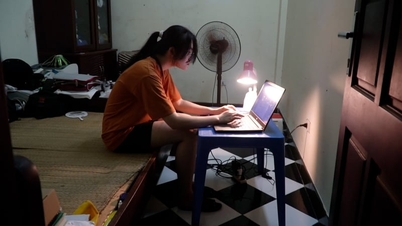
At the end of April 2026, Mr. Nguyen Van Dinh, a worker at a food processing factory in Nha Be commune (Ho Chi Minh City), sat down to add up all the expenses in his rented room of over 15 square meters. Rent was nearly 3 million dong, plus a few hundred thousand dong for parking, water, and garbage, but the bill that worried him the most was the electricity bill. “Some months, I only use a fan, cook rice with a mini-refrigerator, and the electricity bill is nearly 600,000 dong. The landlord charges 4,000 dong/kWh. I know it’s high, but I don’t know who to complain to,” Mr. Dinh said.
For many migrant workers, electricity bills for rented rooms have long been an "unclear" expense that many accept out of fear of losing their accommodation, to avoid conflict, or simply because they think that renting means they have to bear the cost.
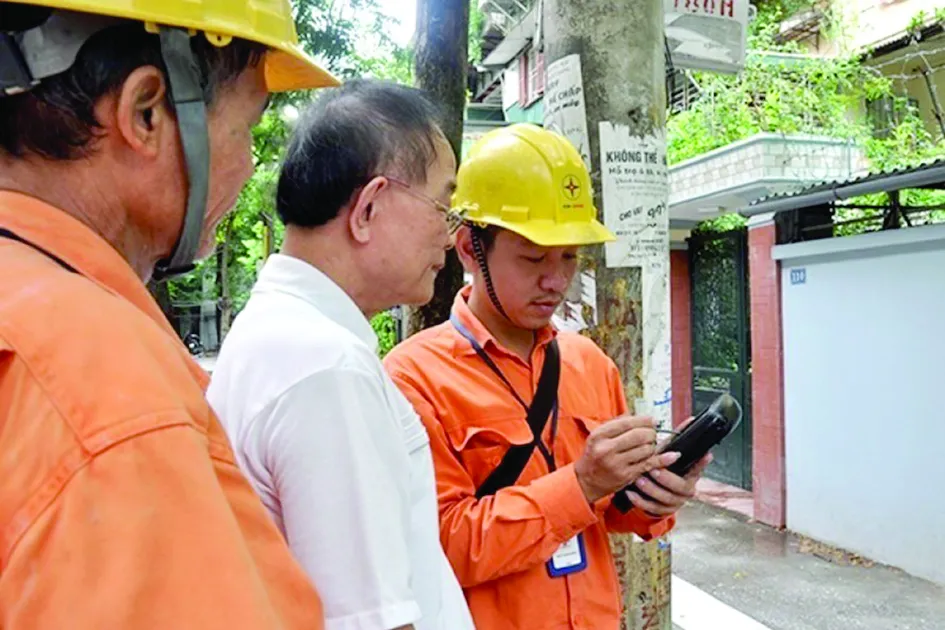
According to Lawyer Tran Duc Phuong of the Ho Chi Minh City Bar Association, Decree 17/2022 stipulated penalties for landlords who charge higher electricity prices than regulated rates. However, the new regulations have clarified the situation and continue to apply higher fines, ranging from 20 to 30 million VND. The new decree focuses on handling cases where landlords purchase electricity at residential rates but then charge tenants more than the regulated price.
This aligns with reality, as the majority of tenants use electricity for their daily needs. He explained that landlords are not electricity businesses but merely sign contracts with the electricity company, then allocate the electricity to tenants. In many cases, they collect electricity fees to pay the electricity supplier and cover common expenses such as lighting and water pumps.
However, recent experience shows that while the practice of charging higher electricity prices than regulated has decreased, it hasn't completely disappeared, and there's even a tendency towards "distortion." In some places, instead of directly raising electricity prices, uninspected meters are used, resulting in higher recorded electricity consumption than the actual amount, leading to tenants paying more. Therefore, it is necessary to fully inspect the electricity metering equipment of each tenant.
Crack down on electricity theft.
In many lodging areas, construction sites, or small roadside shops, the practice of illegally tapping into electricity is not uncommon. Some places connect directly to the power lines, while others tamper with the meters to falsify readings. These methods, when combined, lead to energy waste and pose potential safety risks.
Decree 133/2026 has tightened regulations on such acts with a clearer penalty framework. Specifically, any form of electricity theft, from illegal connections to tampering with meters, is punishable by fines ranging from 4 to 20 million VND, not including compensation for the electricity used improperly. Violations in electricity usage can be fined from 3 million to 80 million VND, depending on the severity. The act of using uninspected and uncalibrated electricity meters, a common form of "circumventing the law," can be fined from 10 to 14 million VND.
According to lawyer Tran Duc Phuong, to assess the extent of damage caused by electricity theft (tampering with meters to falsify readings, transmitting electricity outside the meter, etc.), electricity supply companies need to conduct inspections, monitoring, and analysis. This should focus on high-risk groups to implement appropriate preventative measures that minimize the impact on other customers.
Furthermore, regulations on handling administrative violations have not had a significant impact in reducing the number of violations in this group. Therefore, a realistic assessment of the effectiveness of regulations on handling administrative violations is needed to determine the most effective methods and measures for preventing violations.
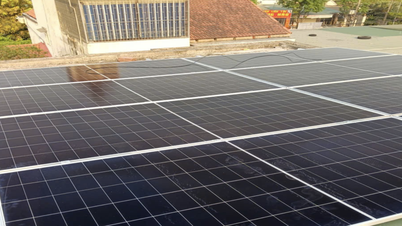
With Decree 133/2026/ND-CP, for the first time, the development of renewable energy, especially rooftop solar and wind power, is subject to stricter management. According to the regulations, renewable energy development is still encouraged, but investment must be linked to legal responsibilities, power system safety, and national planning. This also aims to avoid the negative consequences that arose during the previous solar power boom.
Specifically, self-generating and self-consuming power systems connected to the national grid without notifying or registering for power source development as required, or operating in a manner inconsistent with the registered content, will be subject to warnings or administrative penalties, depending on the severity. In large-scale solar and wind power projects, failure to dismantle structures or fulfill investment commitments after the expiration of the contract period may result in fines of up to 90 million VND.
Source: https://www.sggp.org.vn/chan-thu-sai-gia-dep-nan-cau-chui-post852179.html

































































































Comment (0)