

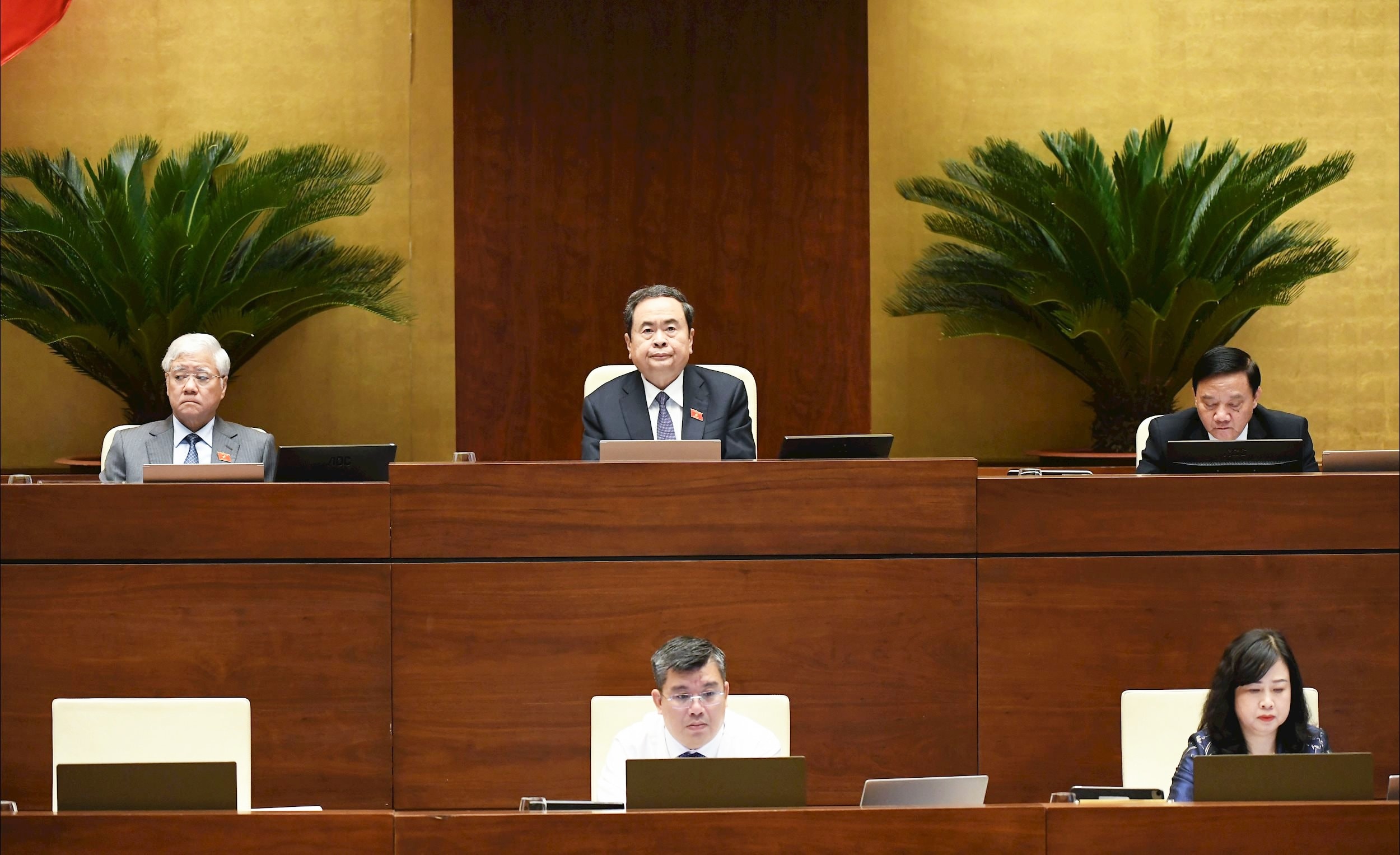
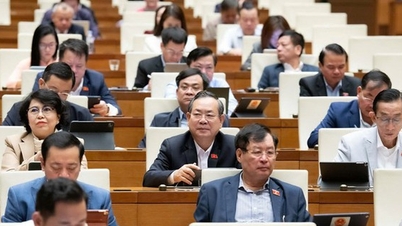
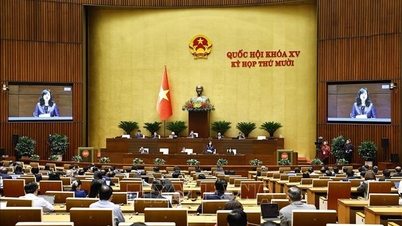
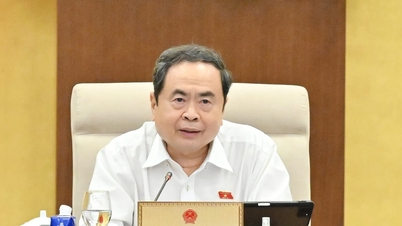
On the morning of December 2, under the direction of Vice Chairman of the National Assembly Vu Hong Thanh, the National Assembly discussed in the Hall the draft Resolution of the National Assembly on a number of breakthrough mechanisms and policies for the work of protecting, caring for and improving people's health; investment policy for the National Target Program on health care, population and development for the period 2026 - 2035. The discussion session was broadcast live on television and radio.
.jpg)
Quantifying the concept of basic level of hospital exemption
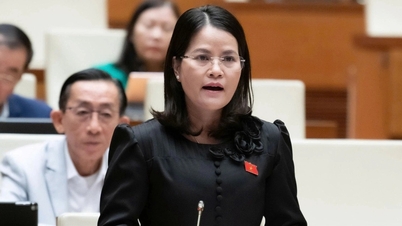
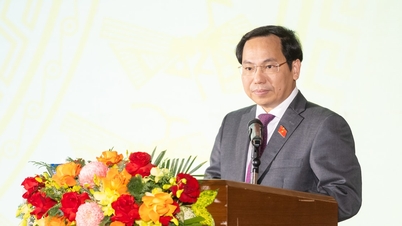
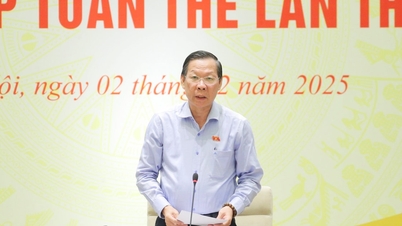
Highly agreeing with the necessity and strategic significance of the National Assembly's issuance of a Resolution on a number of breakthrough mechanisms and policies for the protection, care and improvement of people's health, National Assembly Deputy Pham Thi Kieu (Lam Dong) affirmed that this is a policy that demonstrates a long-term vision in line with the Party's viewpoint of considering human health as the center of development, meeting urgent practical requirements, when the health sector is under great pressure in terms of finance, infrastructure and human resources.
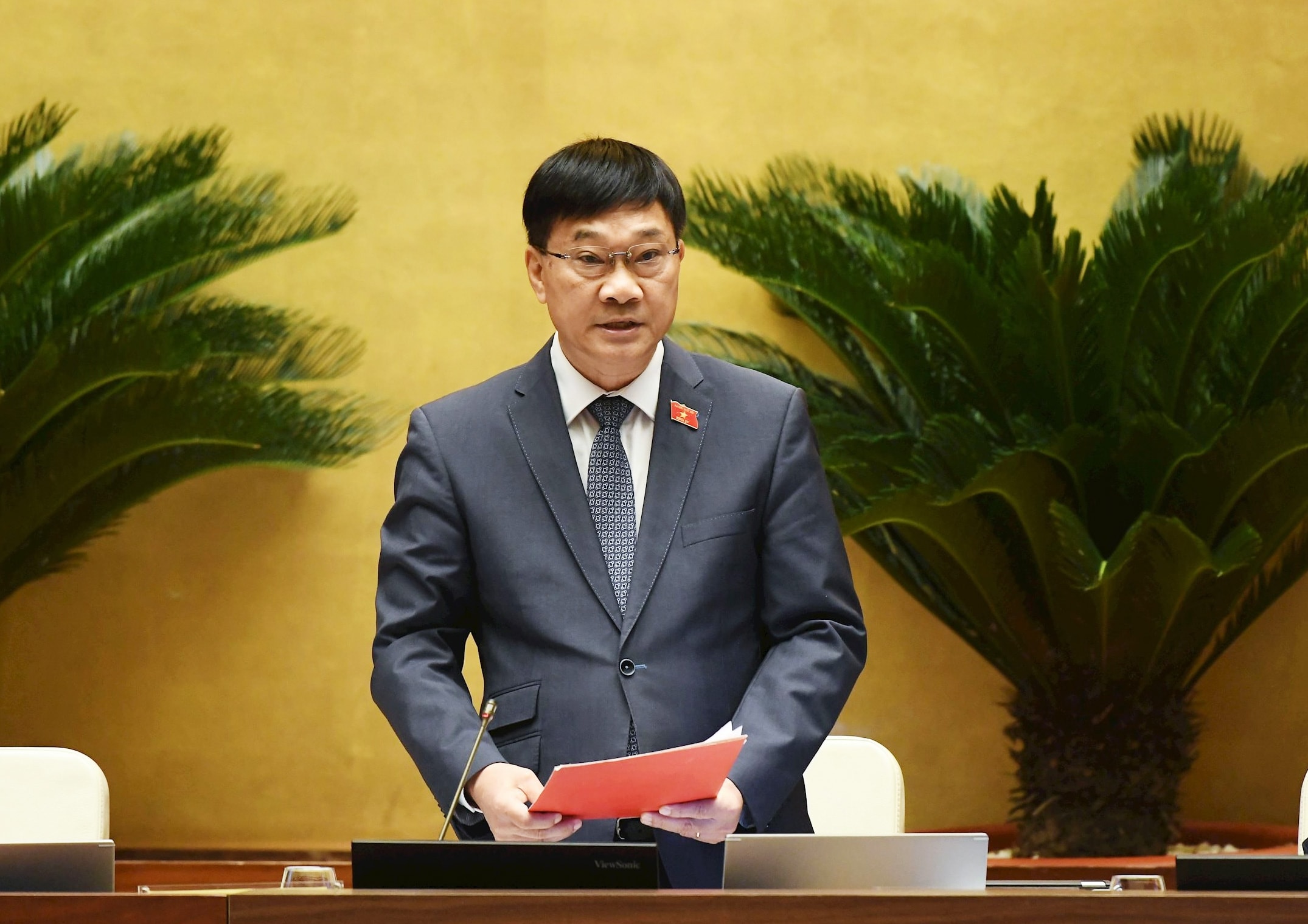
Regarding the expansion of health care benefits and reduction of medical costs for people in Article 2, delegate Pham Thi Kieu highly appreciated the orientation of implementing basic exemption of hospital fees within the scope of health insurance benefits by 2030. This is a historic step, contributing to reducing the direct cost burden for people and strengthening social security.
However, for the policy to be feasible and sustainable, delegates suggested that it is necessary to clearly define and quantify the concept of the basic level of exemption from hospital fees; more clearly stipulate the scope, roadmap, and operating mechanism towards building a set of transparent scientific criteria, accompanied by a full assessment of scenarios for balancing the Health Insurance Fund and the state budget.
.jpg)
In addition, when increasing the benefits for policy beneficiaries and low-income people, careful calculation is needed to avoid putting too much pressure on the Fund's resources, ensuring policy breakthroughs but not sacrificing the financial sustainability of the health system.
Regarding salaries and allowances for health workers, delegates noted that allowing doctors, preventive medicine doctors, and pharmacists to be ranked from the second level of their professional title when recruited is completely appropriate, timely, and has a direct effect in attracting and retaining high-quality human resources.
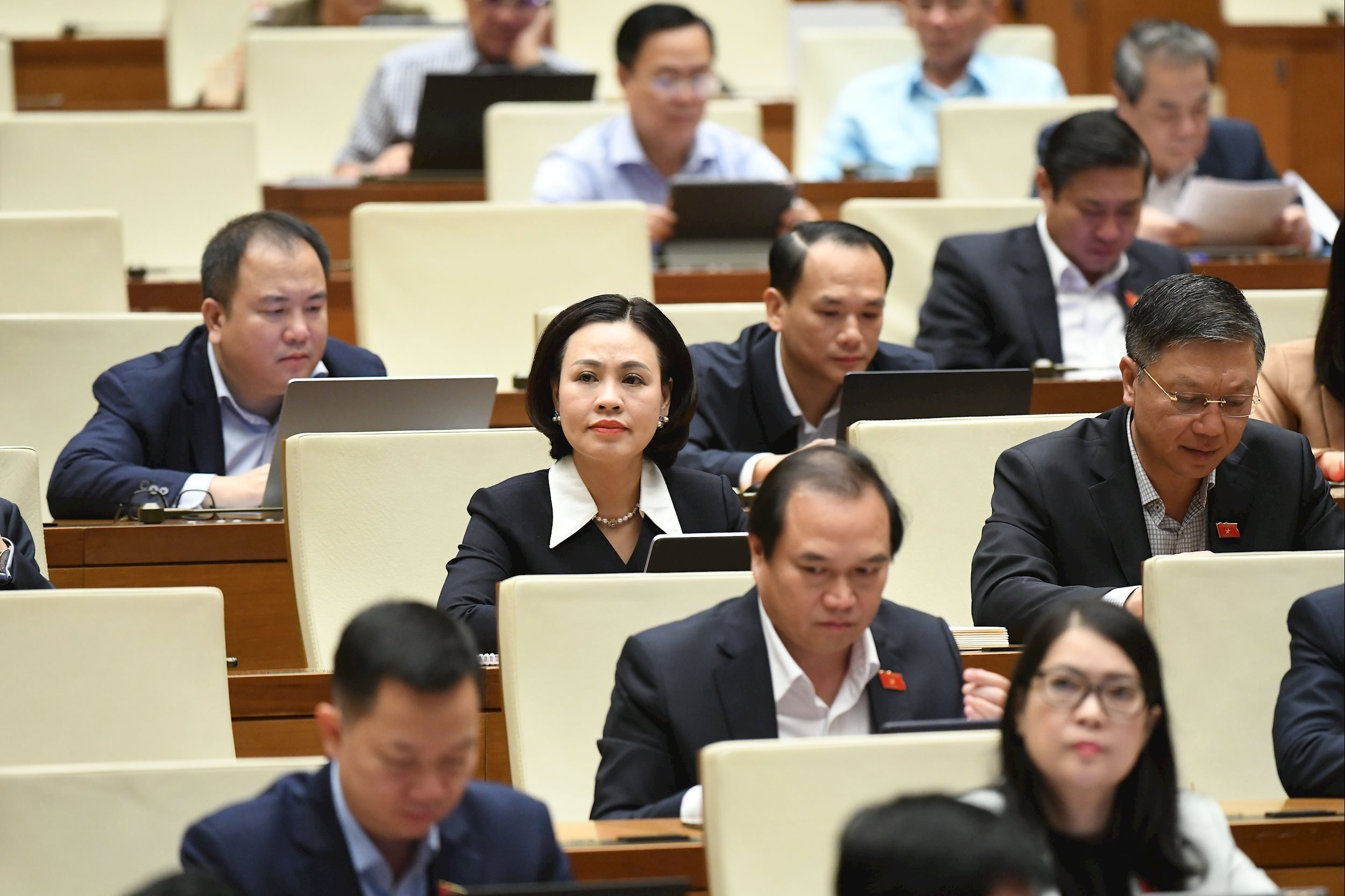
However, delegates suggested that it is necessary to consider selectively expanding the beneficiaries of this policy to nursing bachelors with advanced professional qualifications and highly skilled medical technicians in specific technical fields such as: Diagnostic imaging, testing, positions that are in serious shortage and play an essential role in modern medical examination and treatment activities. Adding scientific bases and according to practical needs will create internal balance between professional titles, increase the competitiveness of human resources in the health sector and contribute to improving the quality of medical services for the people.
In Article 5 on land, tax and financial mechanisms, the draft Resolution allows the conversion of land use purposes to medical land without having to adjust the land use planning, and at the same time prioritizes the use of surplus state agency headquarters as medical facilities, which is a breakthrough solution, especially suitable for large cities where land funds for healthcare are very limited.
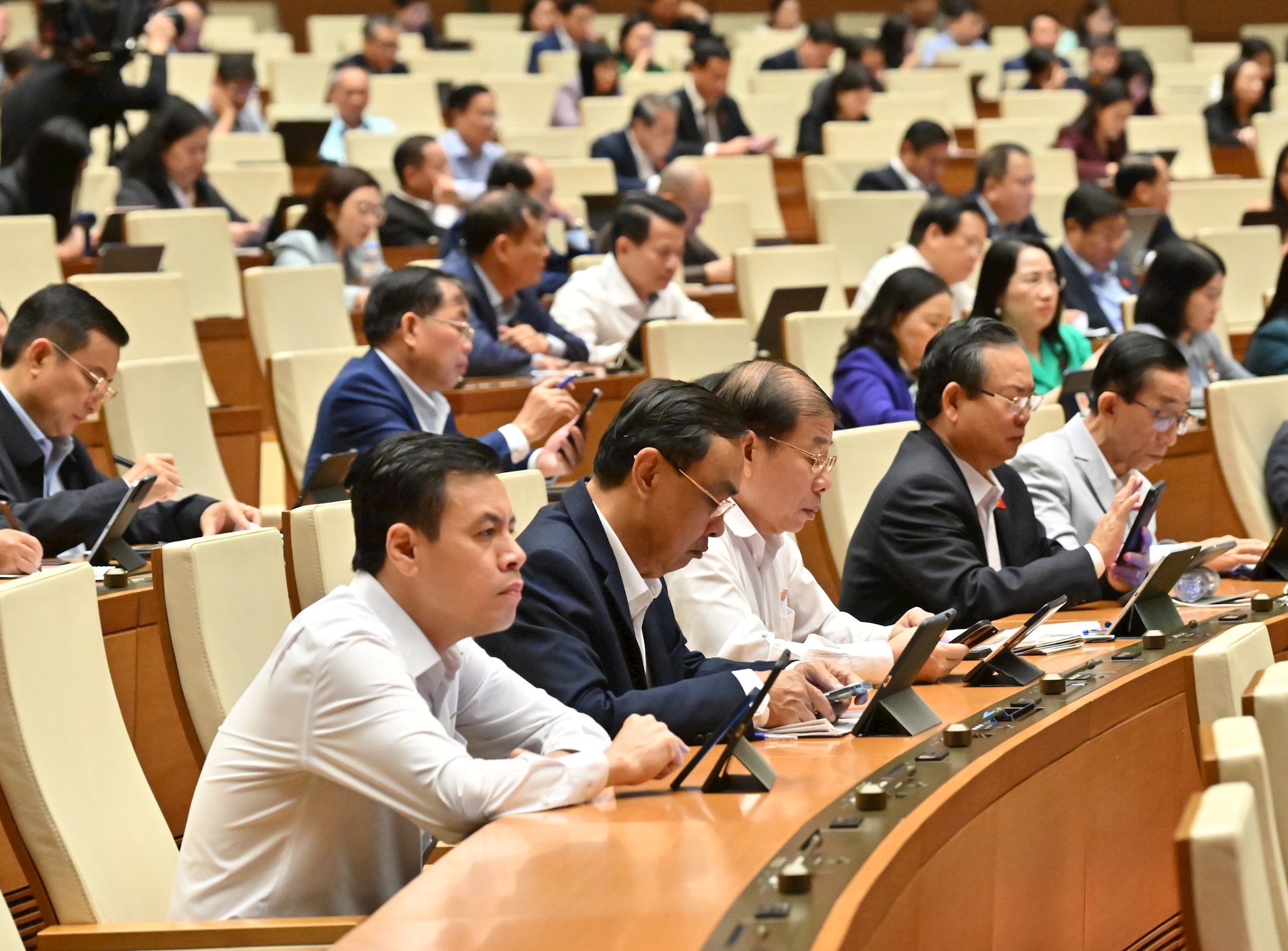
However, to speed up the implementation progress, delegate Pham Thi Kieu proposed to clearly define which agency has the authority to decide, instead of just stating generally that it is the state agency with authority over land management.
“Clearly defining authority will help unify implementation, reduce time and administrative procedures, quickly form clean land for healthcare, create conditions to improve healthcare infrastructure capacity and expand access to quality healthcare services for people,” the delegate emphasized.
Supplementing incentive and reward mechanisms linked to work performance for medical staff
Also concerned about the rights to expand health care and medical expenses for the people, National Assembly Deputy Ha Sy Huan (Thai Nguyen) agreed with the policy that from 2026, people will be able to have regular health check-ups or free screening at least once a year according to priority groups and schedules.
.jpg)
However, delegates suggested adding regulations on specific priority groups. For example: the elderly, workers in toxic environments or workers in difficult areas so that localities can proactively allocate resources for implementation and unify nationwide. At the same time, the Government is assigned to issue a framework for basic screening to avoid the situation of scattered, formal and ineffective implementation.
At point b, clause 2, Article 2, the delegate proposed to supplement and clearly identify the vulnerable, low-income people and some priority groups to ensure consistency in the process of organizing and implementing the Resolution when it is passed.
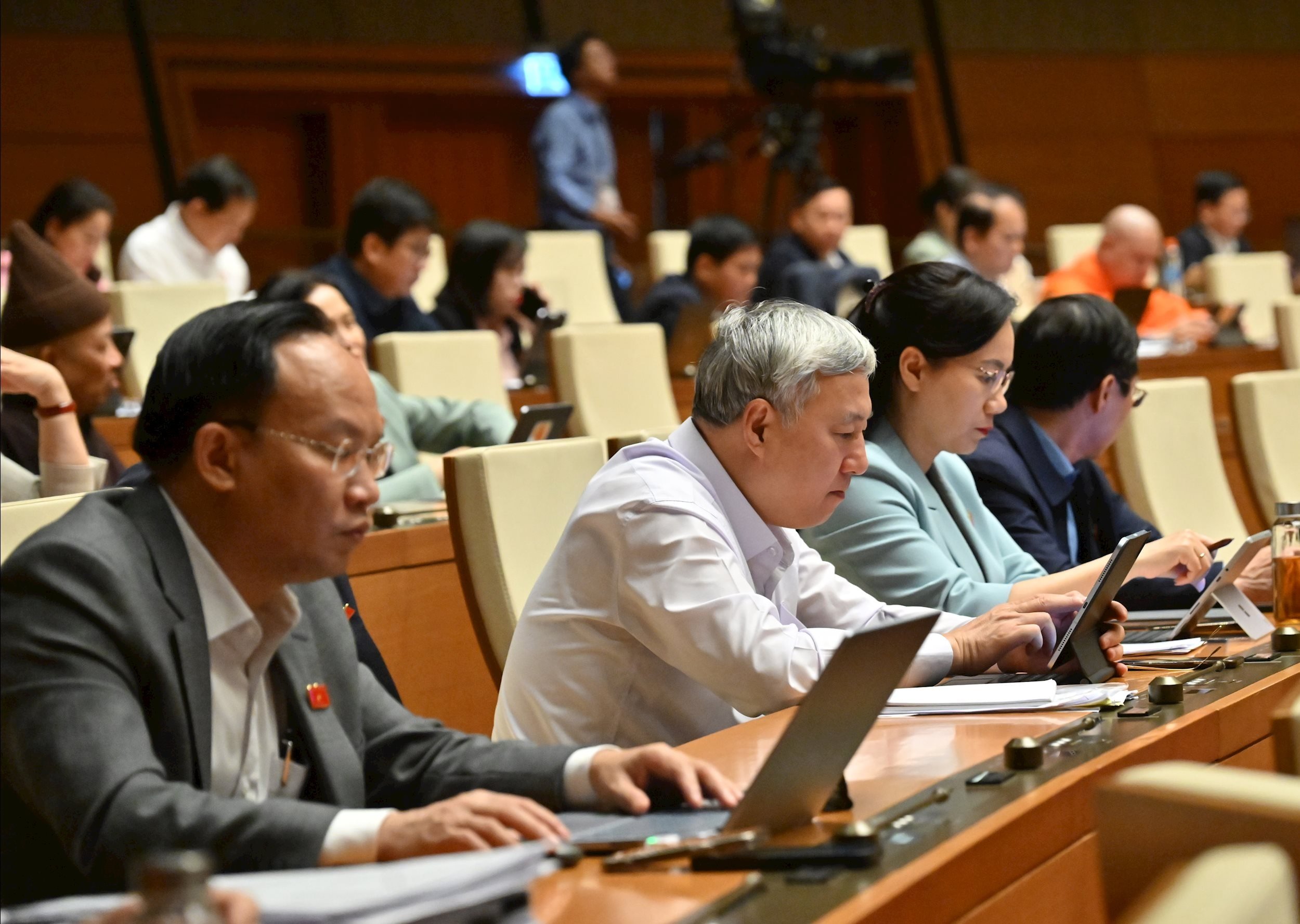
In Clause 3, Article 2 stipulates the organization of pilot implementation of diversifying health insurance packages and supplementary health insurance according to people's requests. Delegate Ha Sy Huan said that this regulation is necessary, in line with the development trend of the economy. However, there should be regulations on the agency to supervise the mechanism to protect insurance buyers, to avoid over-commercialization in this field.
Article 3 on salary and allowance policies and regimes for medical staff, delegates proposed clarifying the concept of specific subjects to unify the policy application; research and supplement incentive and reward mechanisms linked to work efficiency, especially for specific and high-pressure fields such as emergency, resuscitation, disease prevention and control... to encourage the spirit, responsibility and dedication of medical staff.
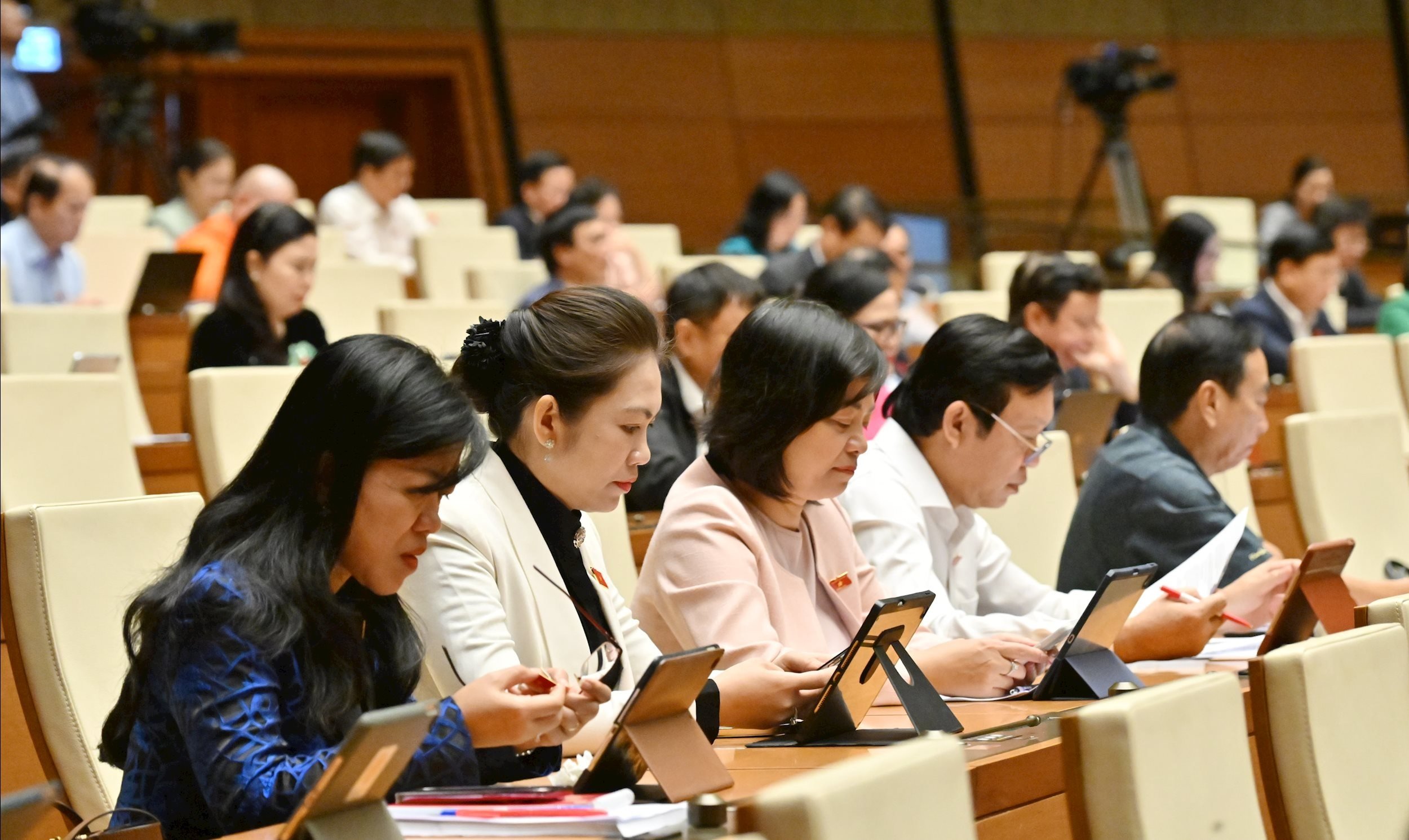
Delegate Ha Sy Huan also agreed with the regulations on specialized and advanced training in the national education system; he said that this is a correct policy, contributing to standardizing and improving the capacity and quality of medical human resources, ensuring compatibility with the international training system.
However, to ensure consistency and feasibility in implementation, delegates proposed to study regulations on output standards for specialized and advanced specialized training programs. The training program framework, training content and requirements for lecturers at practice facilities and the authority of the process of granting certificates and diplomas must ensure consistency, transparency and mutual recognition among medical training facilities nationwide.
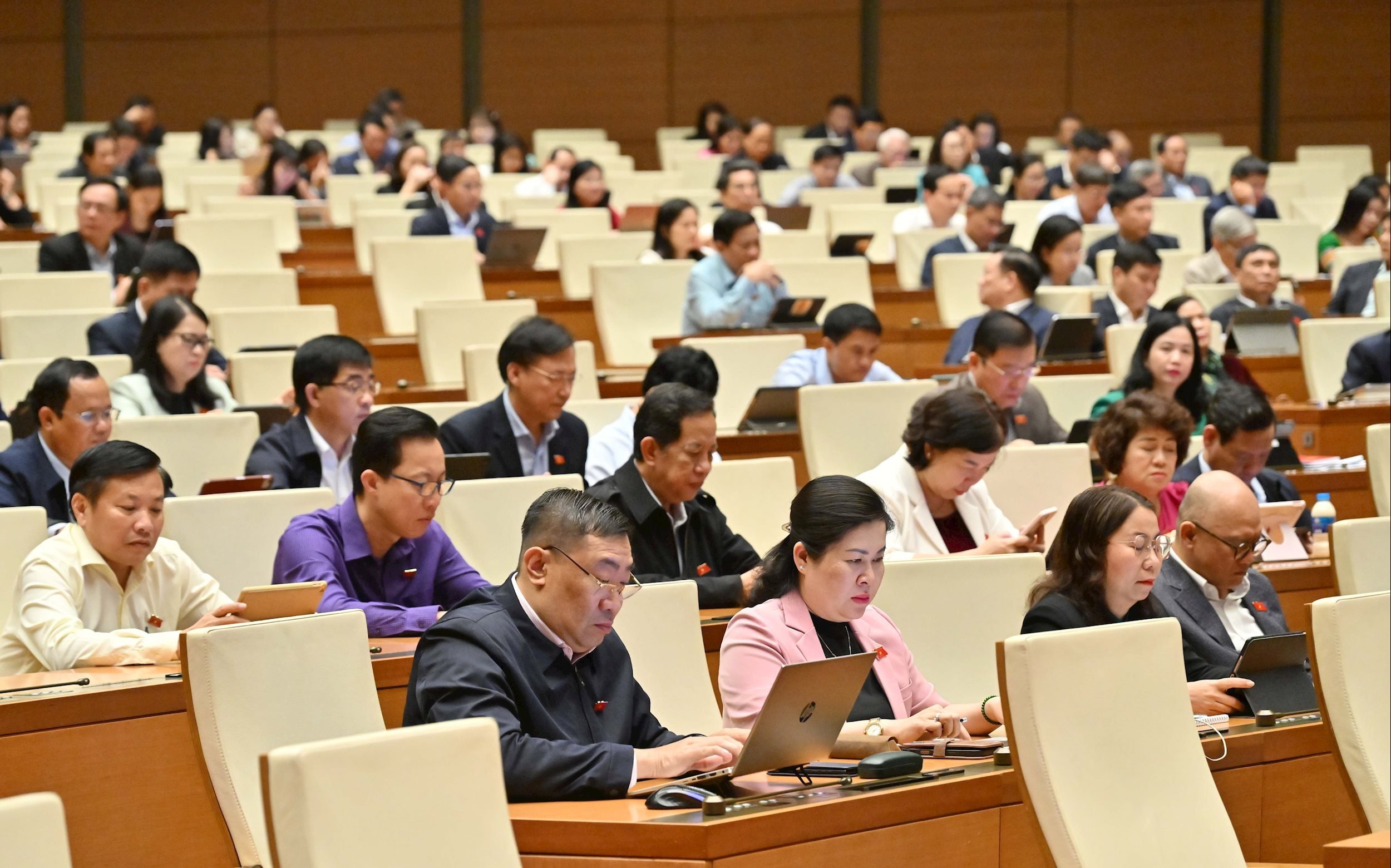
In addition, it is proposed to add regulations to encourage international cooperation in postgraduate training in the medical field associated with technology transfer, improving research capacity and application of modern medicine, contributing to integration and upgrading of medical human resources.
Regarding implementation, delegate Ha Sy Huan proposed adding more responsibilities to the Ministry of Home Affairs and the Ministry of Health in arranging the organization of health human resources in accordance with the new policy mechanism, and at the same time adding responsibilities to inspect and supervise the use of health budget, ensuring fairness and transparency.
.jpg)
To ensure that the Resolution is issued and implemented seriously and synchronously, delegates proposed to add a provision on the Government's responsibility to report to the National Assembly annually on the implementation of the Resolution. Specifically, on the progress of implementing the policy of exempting and reducing hospital fees within the scope of health insurance benefits and the quality of primary health care services and preventive medicine - two important pillars to realize the goal of improving people's health.
Source: https://daibieunhandan.vn/chinh-phu-bao-cao-quoc-hoi-ve-tien-do-thuc-hien-chinh-sach-mien-giam-vien-phi-10397860.html


![[Photo] Parade to celebrate the 50th anniversary of Laos' National Day](/_next/image?url=https%3A%2F%2Fvphoto.vietnam.vn%2Fthumb%2F1200x675%2Fvietnam%2Fresource%2FIMAGE%2F2025%2F12%2F02%2F1764691918289_ndo_br_0-jpg.webp&w=3840&q=75)
![[Photo] Worshiping the Tuyet Son statue - a nearly 400-year-old treasure at Keo Pagoda](/_next/image?url=https%3A%2F%2Fvphoto.vietnam.vn%2Fthumb%2F1200x675%2Fvietnam%2Fresource%2FIMAGE%2F2025%2F12%2F02%2F1764679323086_ndo_br_tempimageomw0hi-4884-jpg.webp&w=3840&q=75)







![[Video] Urgently preparing for the inauguration and groundbreaking ceremony of projects to welcome the 14th National Party Congress](https://vphoto.vietnam.vn/thumb/402x226/vietnam/resource/IMAGE/2025/12/02/1764691316170_dung00-16-00-06still005-jpg.webp)


























































Comment (0)