

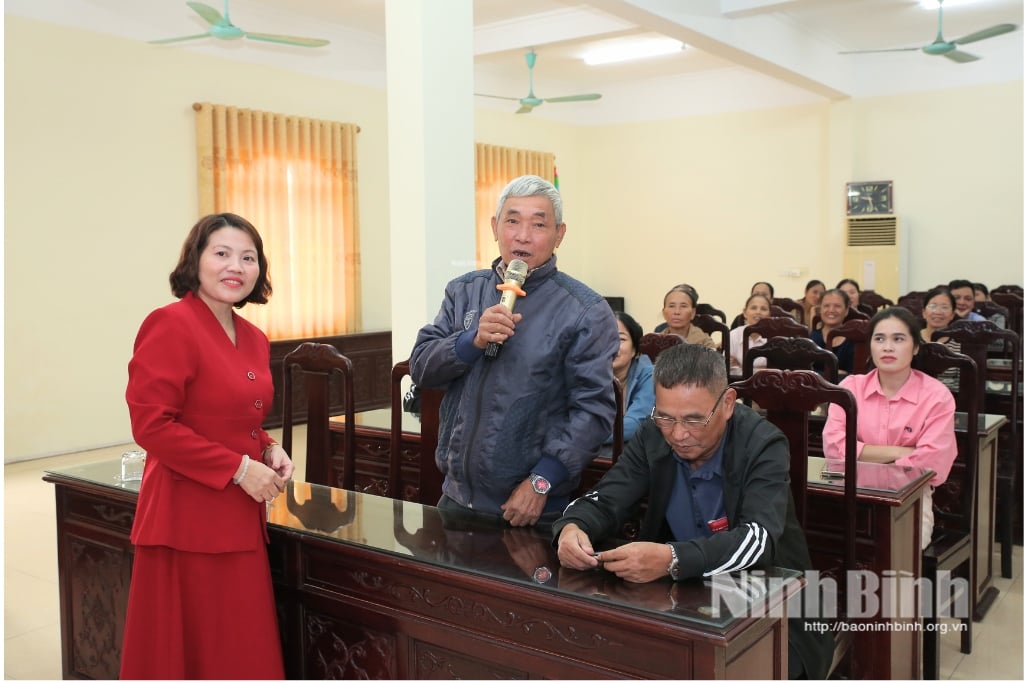
In recent times, the team of cadres and collaborators working on population and children at the grassroots level in Ninh Binh province has made efforts to stay close to the locality, being the focal point to fully and promptly grasp population fluctuations and information related to children; effectively implementing data updating activities, communicating and propagating new policies; and at the same time directly advising the commune and ward authorities in handling situations arising in the community. This is also the force that directly approaches households, identifies cases of children at risk, pregnant women, third-child midwives or situations that require intervention, helping the health sector and the government to develop practical solutions. Thanks to this initiative, many important indicators in the field of population, family planning and children in the province have been maintained stably; the rate of monitoring and managing population and children information in communes and wards reaches over 95% each year, contributing to ensuring the data system serving management is smooth.
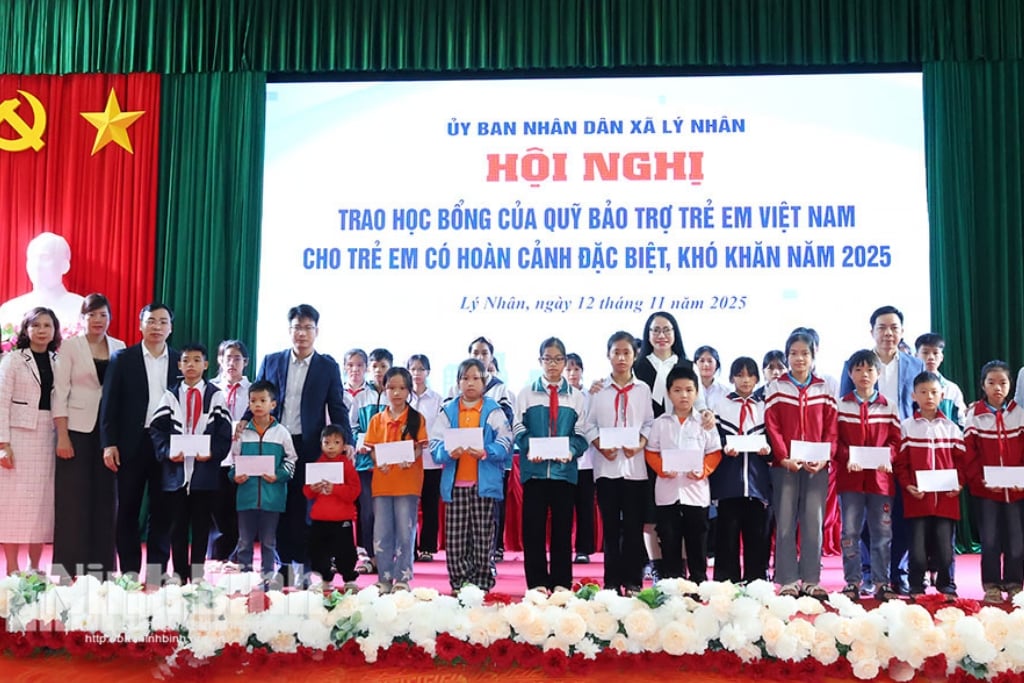
However, the population and children workforce still faces some difficulties and limitations. Professional qualifications are uneven, the proportion of staff holding multiple positions is high, while the pressure of tasks is increasing. Access to new knowledge on population, children, gender equality and digital transformation requirements is limited, especially in mountainous areas. The team of commune-level staff and collaborators often changes, making training and updating of communication and consulting skills not timely. Many collaborators are older and have limited ability to use electronic devices, leading to uneven implementation at the grassroots level, especially with tasks that require continuous monitoring and in-depth expertise.
Faced with this situation, in recent times, the Department of Health and the Ninh Binh Department of Population and Children have proactively implemented many solutions to strengthen the grassroots force and improve management efficiency. In particular, the focus is on promoting training, fostering and professional training for population and children officers in communes, wards and collaborators in villages and hamlets, ensuring that they are fully equipped with knowledge, skills and updated with new requirements in the current period.
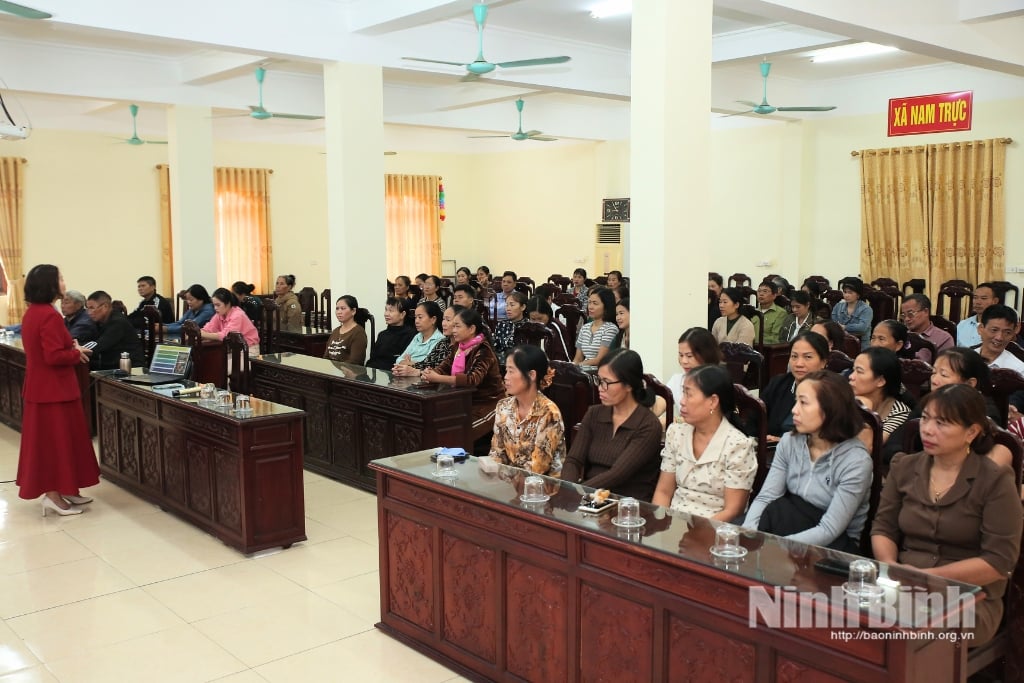
Training programs are designed in a practical manner, closely following the actual needs of the facility. Contents include: updating new policies on population - family planning, improving population quality, reproductive health care for adolescents and young people; at the same time equipping communication skills, counseling skills and skills to detect and support children at risk. Facility staff are also given detailed instructions on managing records, forms, information collection and updating processes to ensure consistency and accuracy of data.
In particular, training courses on digital transformation in data management and electronic reporting are held regularly, helping population and child workers and collaborators gradually approach modern working methods, meeting the requirements of administrative reform and improving the effectiveness of population management in the province in the new period.
Comrade Phung Thi Duc Hanh, Deputy Head of the Department of Population and Children, Ninh Binh Provincial Department of Health, said: Currently, the prioritized training contents and skills mainly focus on requirements arising directly from grassroots practices. In particular, the focus is on direct communication skills and behavioral change counseling for target groups; skills in handling situations in the community; along with inter-sectoral connection skills in supporting children, especially for cases at risk that require timely intervention. Another priority content is digital skills training, helping grassroots staff proficiently use population and child management software, reduce procedural burden and improve data accuracy. Thanks to that, in some communes and wards, the time to synthesize and send reports has been shortened by 30-50% after participating in training courses.
Training methods have also been innovated to increase effectiveness. Instead of one-way communication, training courses are organized in a practical direction, combining situational discussions, simulations of communication activities and "hands-on" methods right in the classroom. In addition, online learning is applied flexibly, helping grassroots cadres to easily participate despite time and location limitations.
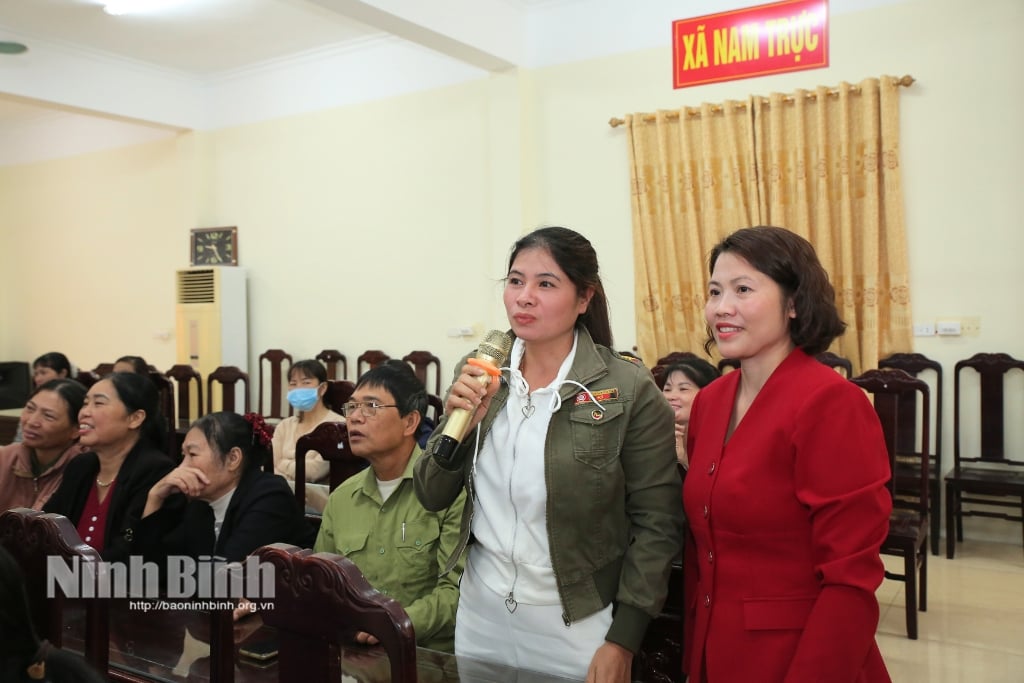
Participating in a training session on children's rights and child protection skills in the community organized by the Department of Population and Children, Ms. Nguyen Mai Chi, a population and children collaborator in village I, Nam Truc commune, said: "Today's training session helps me understand more about children's rights and responsibilities, as well as self-protection skills, preventing abuse and avoiding accidents and injuries. In reality, there are many special groups of children, many cases of children showing signs that need to be closely monitored, so the requirements for legal knowledge and skills in working with each group of children are also higher. The training method is based on practice and discussing situations, helping us to absorb more easily and be able to apply it immediately to our daily work in the community."
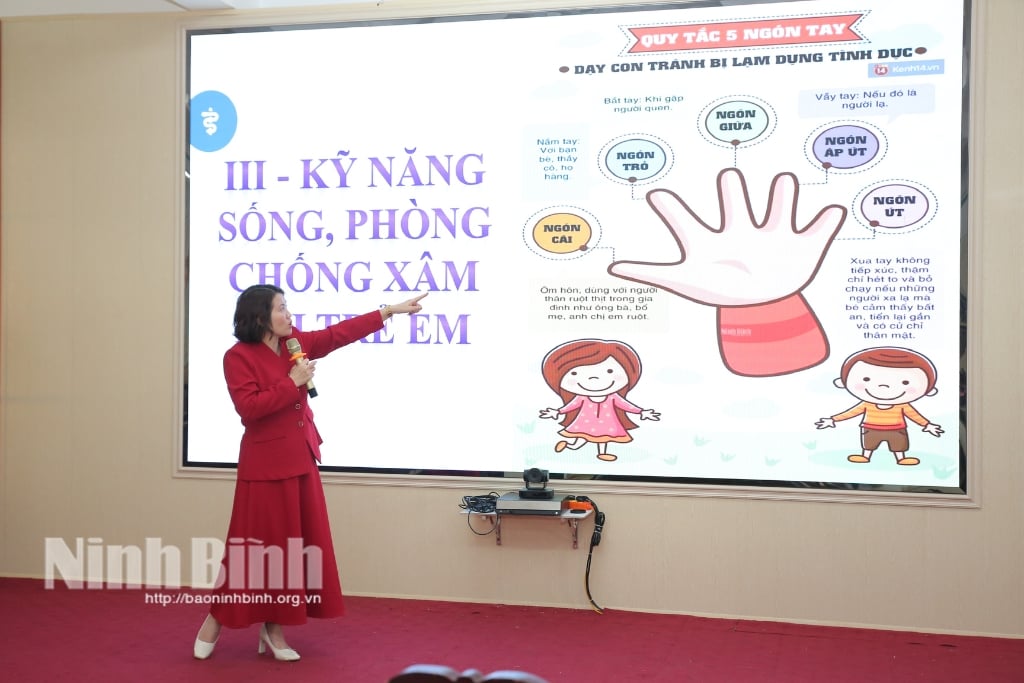
To continue improving the quality of staff and collaborators, in the coming time, the Provincial Department of Population and Children has determined to focus on four key groups of solutions: continuous and in-depth training for each group of positions; promoting digital transformation and standardizing reporting processes; enhancing support at the grassroots level through orientation testing and online consultation; at the same time, advising on perfecting policies on allowances and working conditions to create long-term working motivation for staff and collaborators. Ninh Binh aims to build an increasingly professional population and children work team, meeting the requirements of tasks in the new period.
Source: https://baoninhbinh.org.vn/chu-trong-dao-tao-nang-cao-chat-luong-doi-ngu-lam-cong-tac-dan-so-tre-em-tai-co-251208143058728.html




![[Photo] Urgently help people soon have a place to live and stabilize their lives](/_next/image?url=https%3A%2F%2Fvphoto.vietnam.vn%2Fthumb%2F1200x675%2Fvietnam%2Fresource%2FIMAGE%2F2025%2F12%2F09%2F1765248230297_c-jpg.webp&w=3840&q=75)














































![[Photo] General Secretary To Lam works with the Standing Committees of the 14th Party Congress Subcommittees](https://vphoto.vietnam.vn/thumb/402x226/vietnam/resource/IMAGE/2025/12/09/1765265023554_image.jpeg)





















Comment (0)