

|
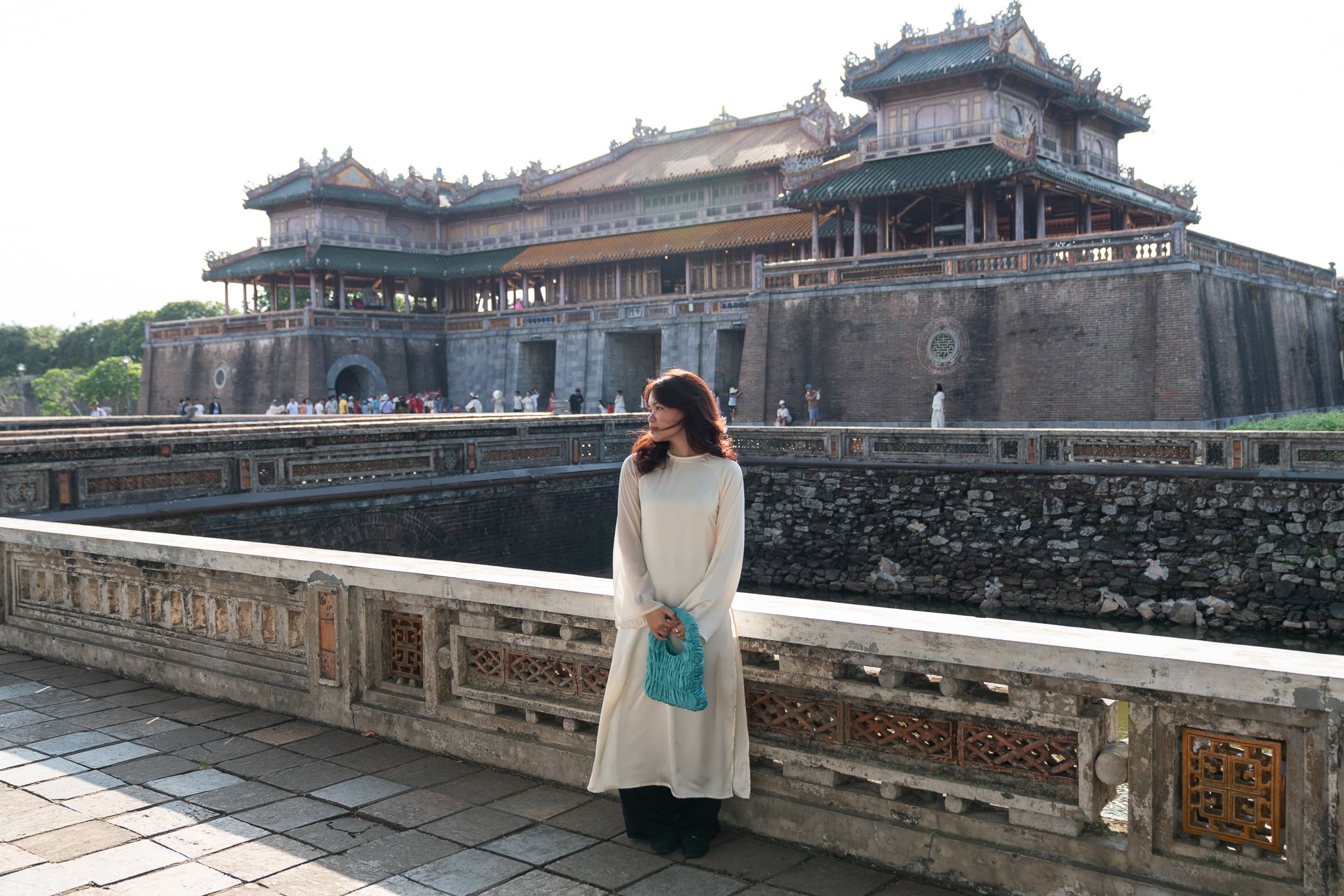
As an interpreter for a foreign company, Mr. Nguyen Tri Dung (77 years old, residing in Can Tho) had the opportunity to travel across the three regions during long business trips. During the period 1996-2001, he took advantage of his free time to visit and take photos of a series of World Heritage Sites of Vietnam recognized by UNESCO. In the photo is Ngo Mon (Hue), taken by Mr. Dung on January 27, 2000 - when the ancient capital was still very peaceful, with few tourists. The Complex of Hue Monuments, honored by UNESCO in 1993, stands out for its unique royal architecture and ancient urban planning according to feng shui principles. Photo: Nguyen Tri Dung, Linh Huynh. |

|
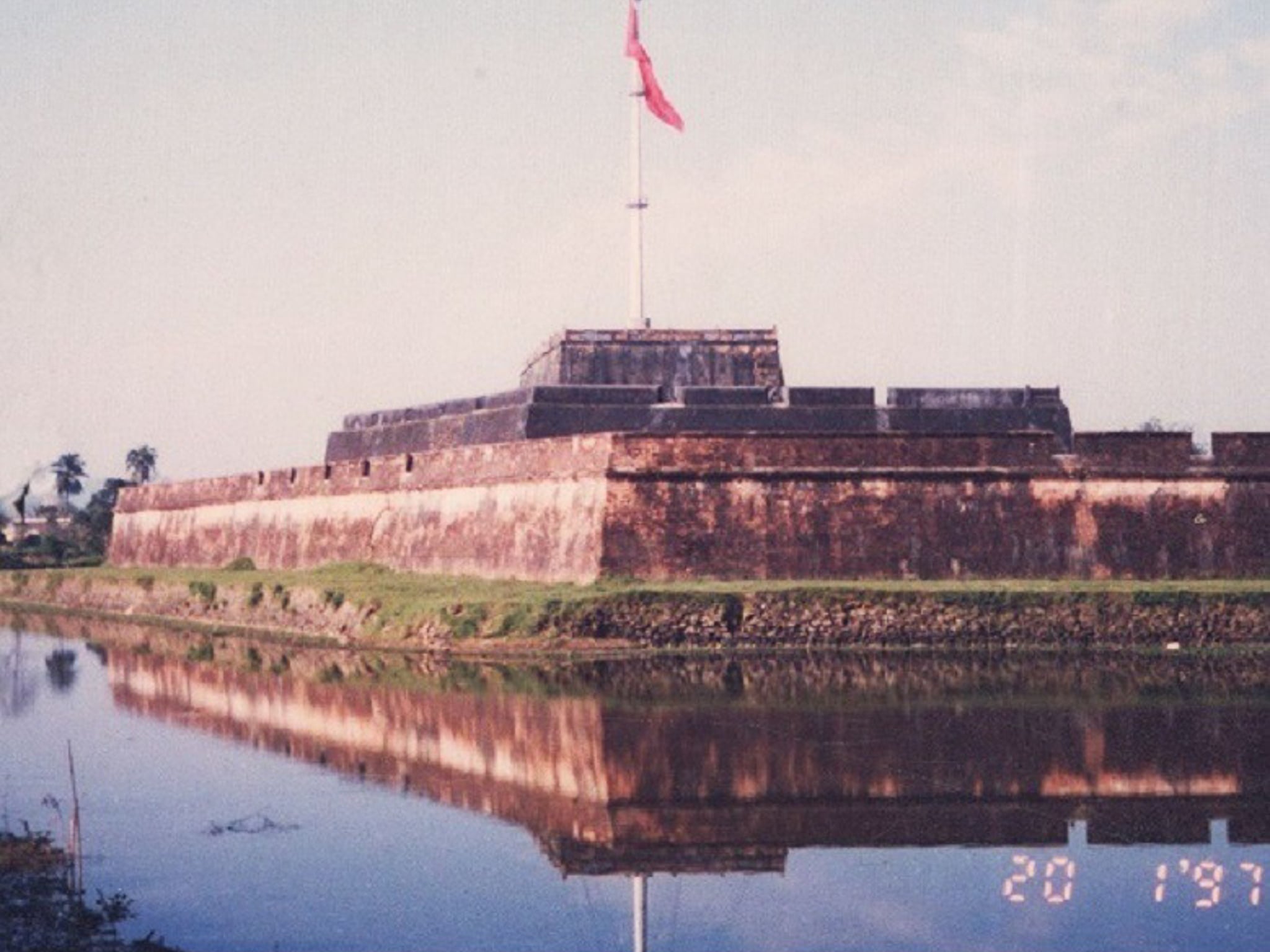
The above photos were taken by Mr. Dung with a Canon camera using film. "At that time, film and film development were quite expensive. Therefore, whenever I had a photo that I liked, I would laminate it to preserve it," he shared. In the photo is Ky Dai, also known as Hue flagpole - a symbolic structure representing the power of the Nguyen Dynasty, built during the reign of King Gia Long. Located in the complex of Hue relics, Ky Dai is still preserved almost intact after many years of history. The photo on the left was taken by Mr. Dung in 1997, capturing the quiet look of the structure during the days when Hue was still empty of tourists. Photo: Nguyen Tri Dung, Linh Huynh. |

|
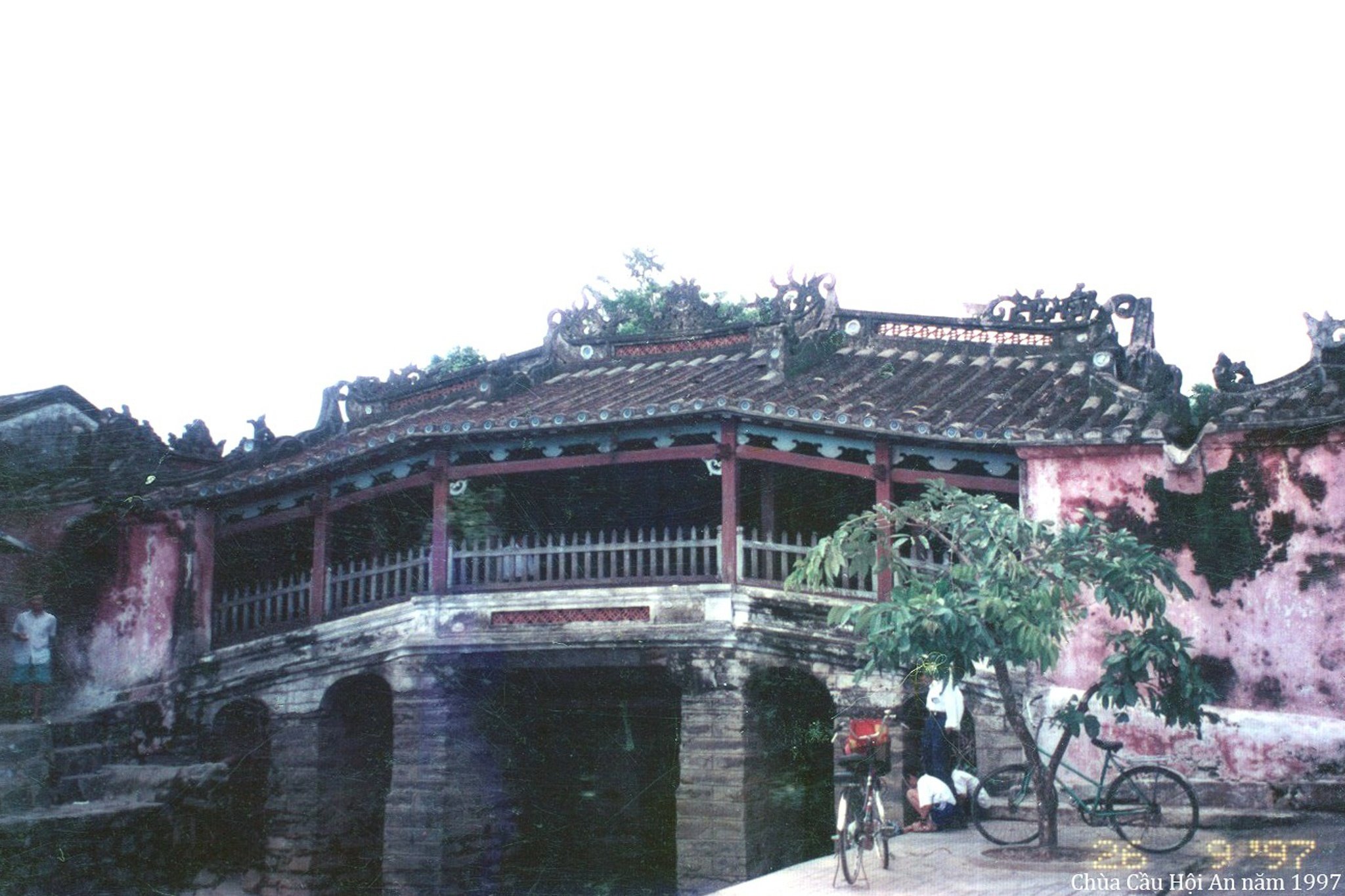
In the photo is the Japanese Covered Bridge located on the banks of the Hoai River, in the heart of Hoi An ancient town ( Da Nang ) - a World Cultural Heritage recognized by UNESCO in 1999. After more than 400 years of existence, this tiled wooden bridge has undergone many restorations to preserve its original appearance. The most recent restoration lasted more than 1.5 years and was inaugurated on August 3, attracting great public attention and becoming the center of many debates about the originality of the work, the photo on the left was taken on September 26, 1997. Photo: Nguyen Tri Dung, Pham Toan. |

|
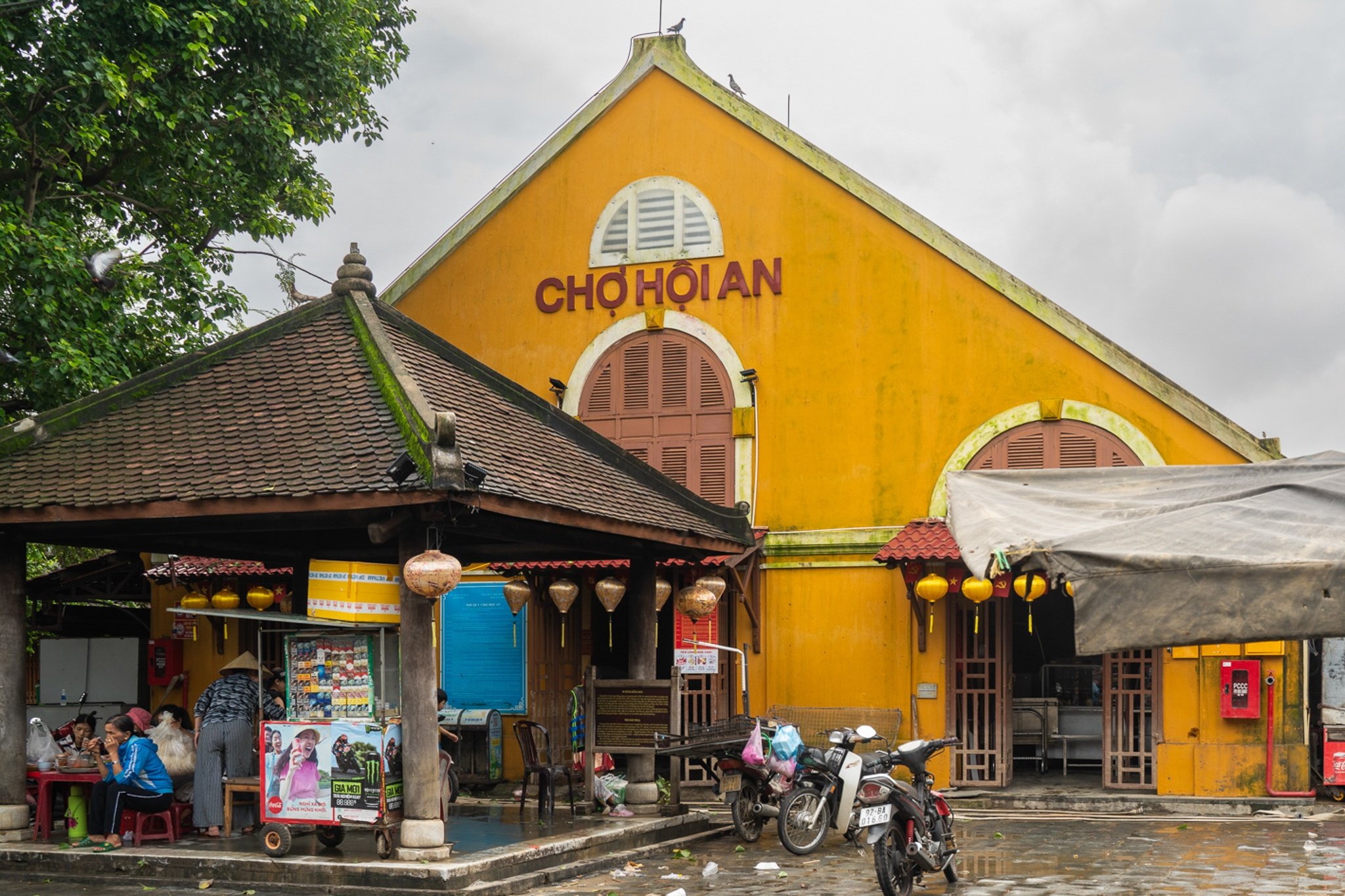
"In those years, Hoi An had very few visitors, including Vietnamese visitors, so it was easy to walk around and take photos without worrying about getting caught in 'trash'. Hoi An's cao lau was both delicious and cheap... I still remember it to this day," he shared. Photo (left) was taken on September 29, 1997. Photo: Nguyen Tri Dung, Pham Phung. |

|
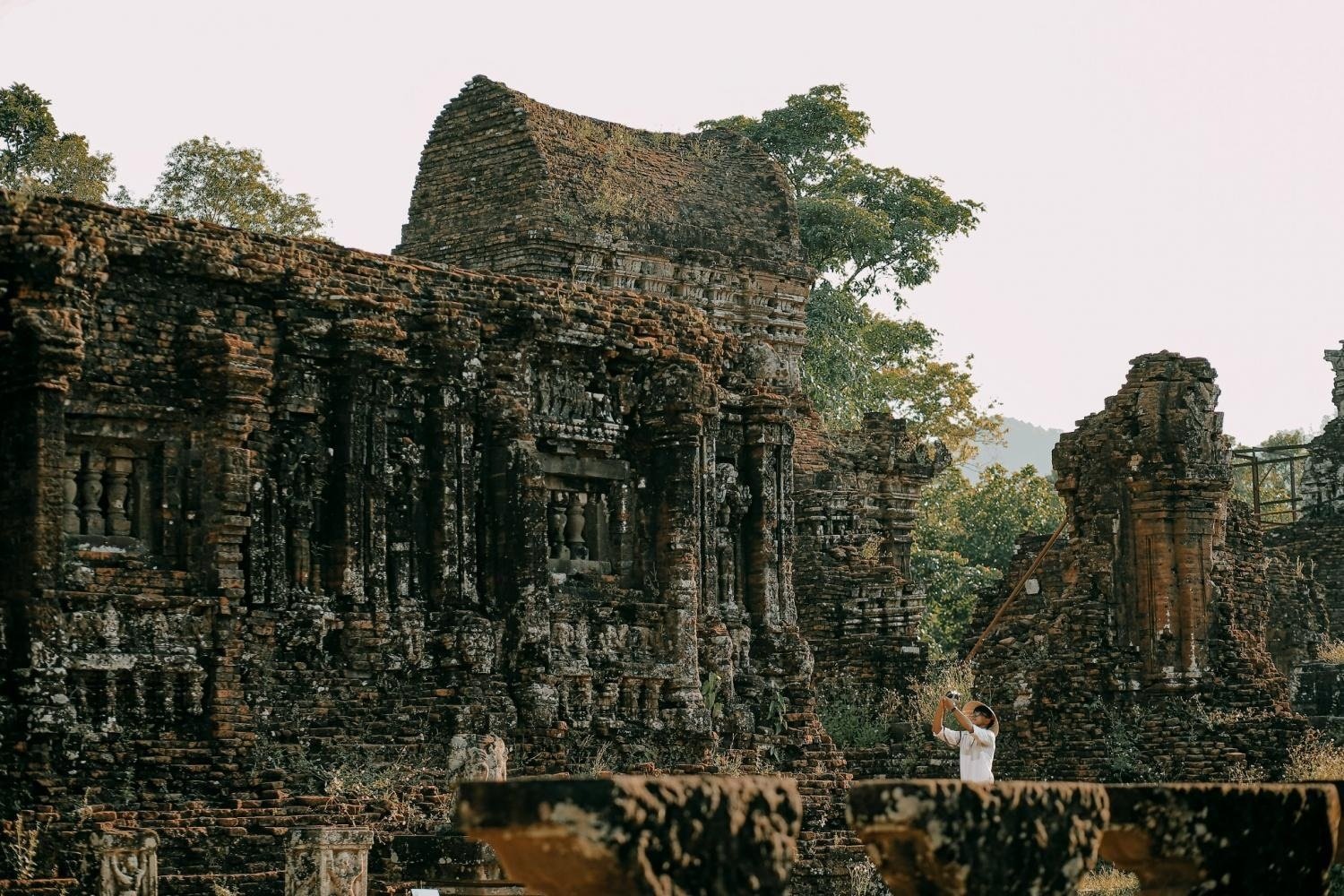
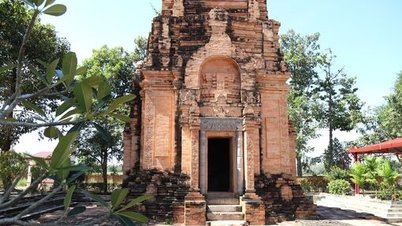
Of the 9 heritage sites he has visited, My Son (Da Nang) is the place that impressed Mr. Dung the most. My Son Sanctuary - the religious center of the Champa kingdom and a World Cultural Heritage - stands out with nearly 70 ancient brick towers bearing the strong imprint of Hinduism. He visited My Son in late 1997, when this place was still very wild, untouched by human intervention, the ancient towers covered in moss and the quiet landscape like an old memory. Photo: Nguyen Tri Dung, Ky Anh Nguyen. |

|
The Cham architecture and sculptures here are heavily influenced by Hinduism. The complex of relics was recognized by UNESCO as a World Cultural Heritage in 1999. Photo: Nguyen Tri Dung. |

|
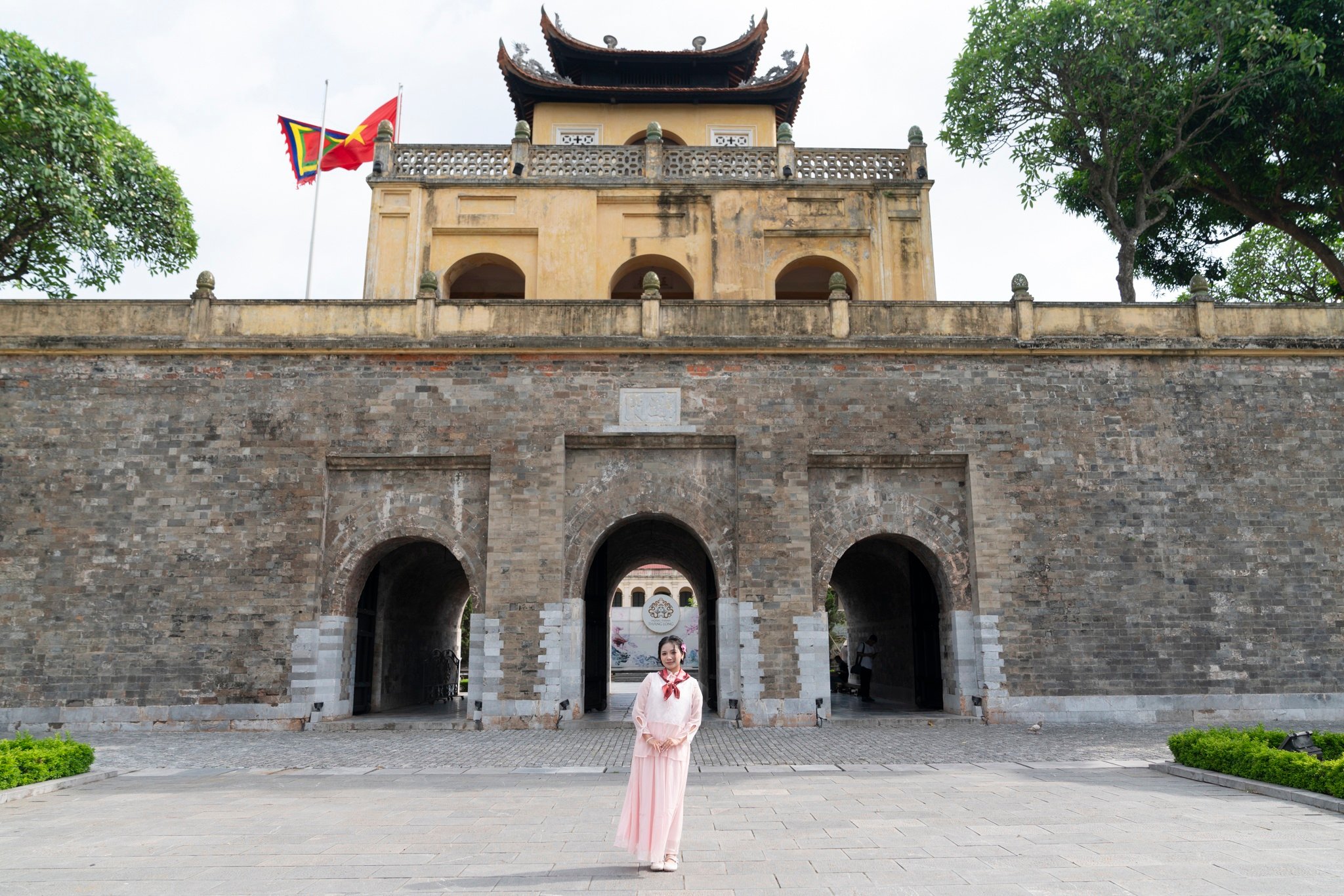
The Thang Long Imperial Citadel was recognized by UNESCO as a World Cultural Heritage in 2010. This is where King Ly Thai To chose as his capital in 1010, and is also a space that recreates the cultural and historical flow throughout the thousand years of building and defending the country of the Vietnamese people. In the photo on the left is Hau Lau, taken by Mr. Dung on December 9, 2001. Photo: Nguyen Tri Dung, Linh Huynh. |

|
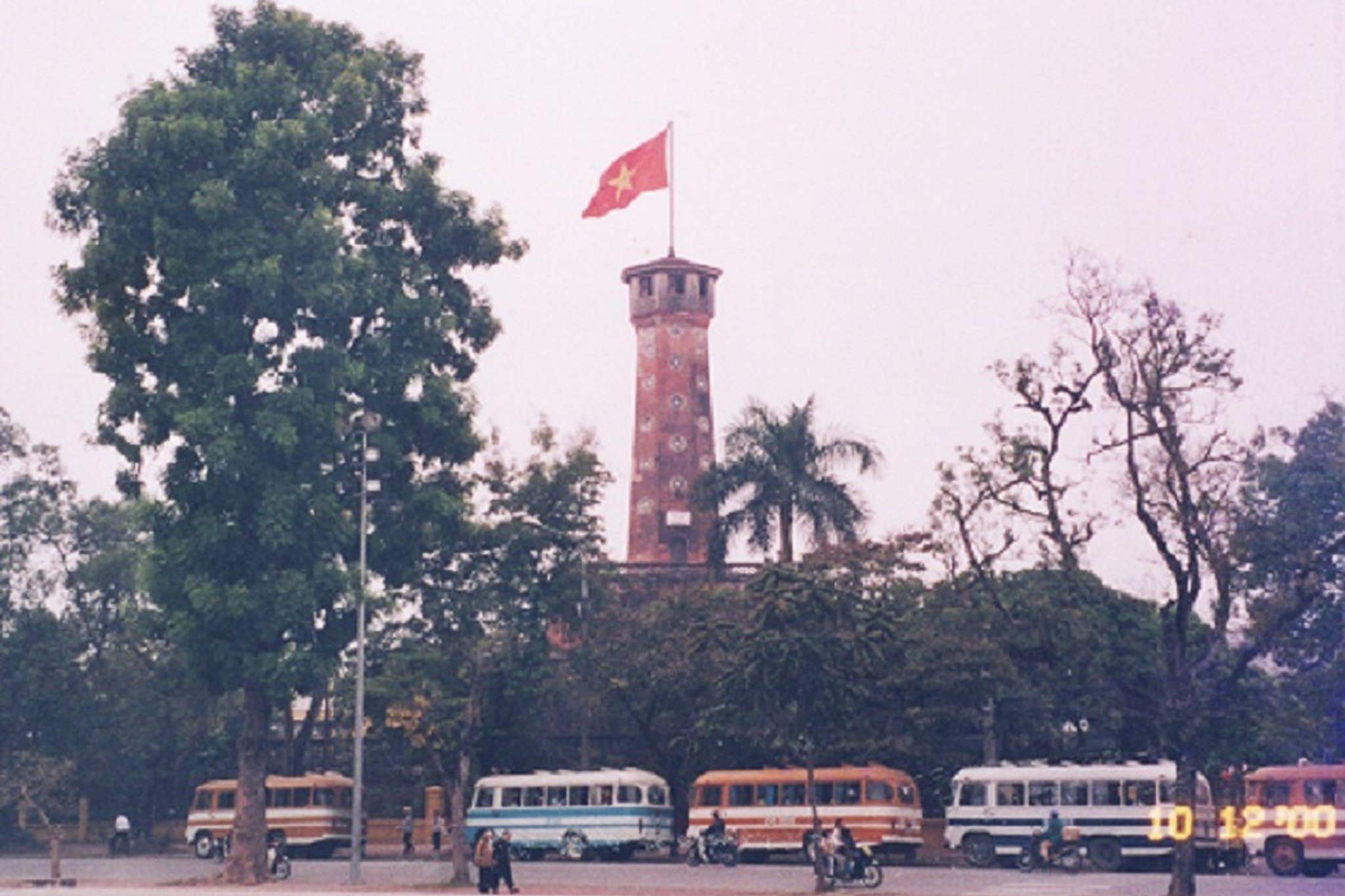
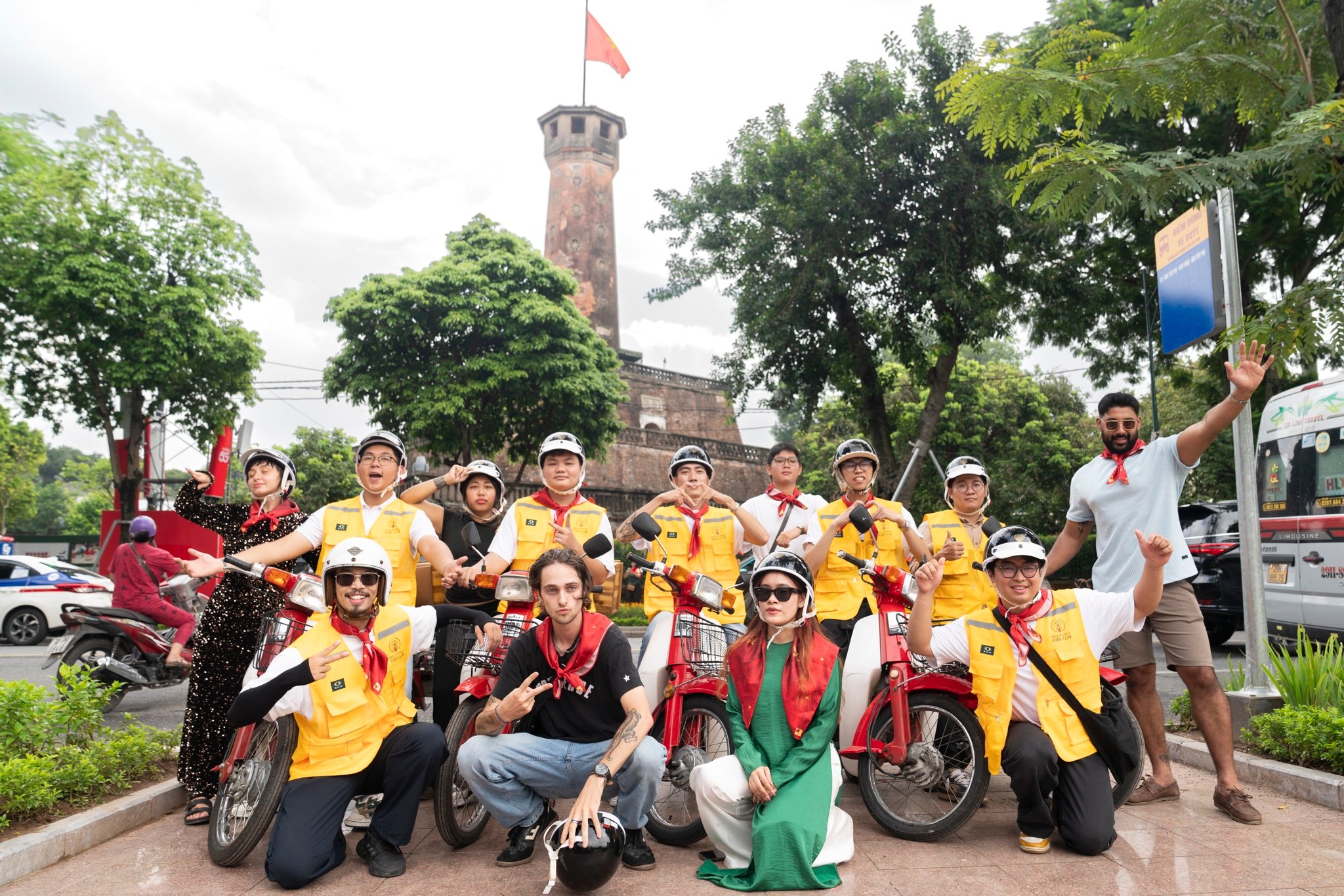
Hanoi Flag Tower - built in 1812, under the reign of King Gia Long. With the red flag flying on top for decades, Hanoi Flag Tower has become a symbol of the capital's proud and enduring spirit through war and peacetime. Today, this is also a favorite check-in spot for domestic and foreign tourists when visiting Hanoi. Photo: Nguyen Tri Dung, Linh Huynh. |
|
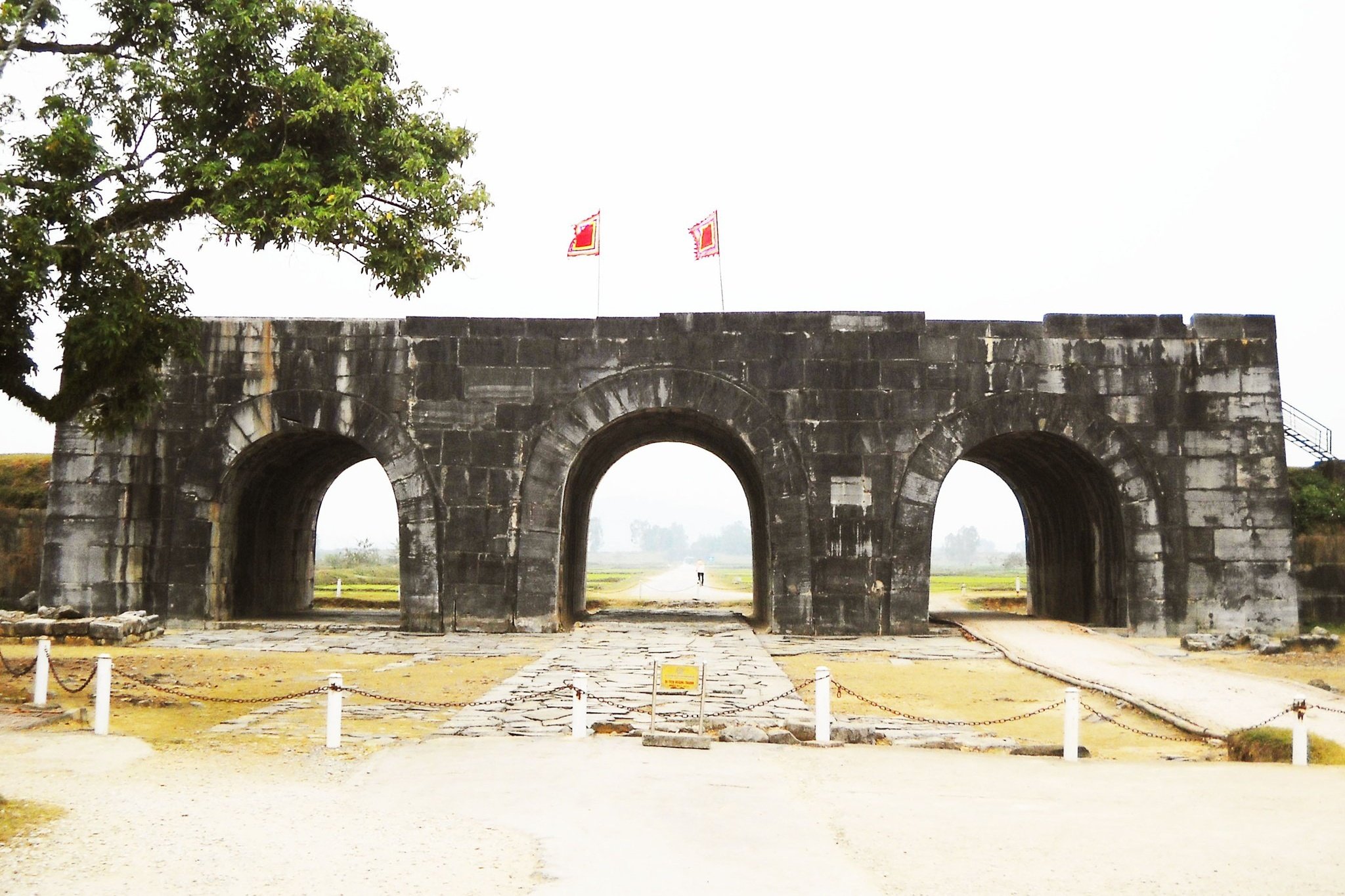
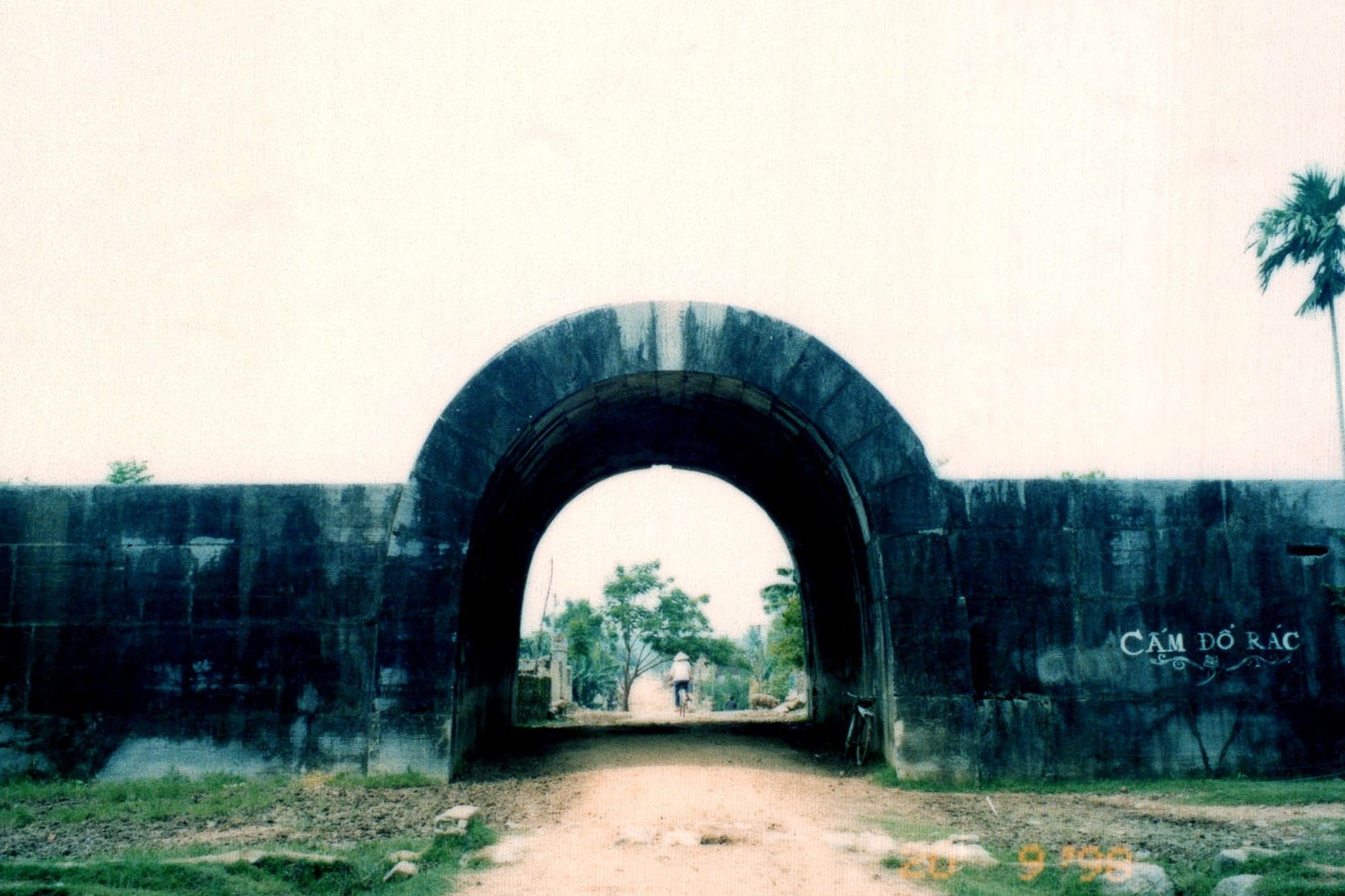
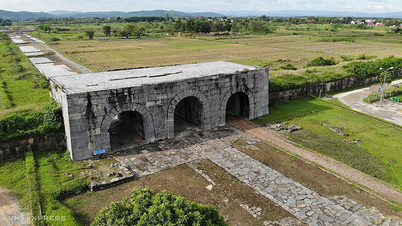
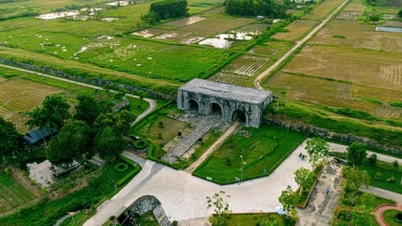
Over the years, Mr. Dung has returned to visit many heritage sites. My Son, Hoi An, Hue, Phong Nha - Ke Bang and Ninh Binh are now more crowded and bustling. The Ho Dynasty Citadel (Thanh Hoa) in particular, according to him, "almost retains its old appearance", with the least changes compared to the time he took the photo more than two decades ago. The photo on the left was taken by Mr. Dung in 1998. Photo: Nguyen Tri Dung. |

|
The East - West - North gates of the Ho Dynasty Citadel were recorded by Mr. Dung on September 20, 1998. The citadel wall was built from large stones without using adhesives, and was recognized by UNESCO as a World Cultural Heritage in 2011. Photo: Nguyen Tri Dung. |


|
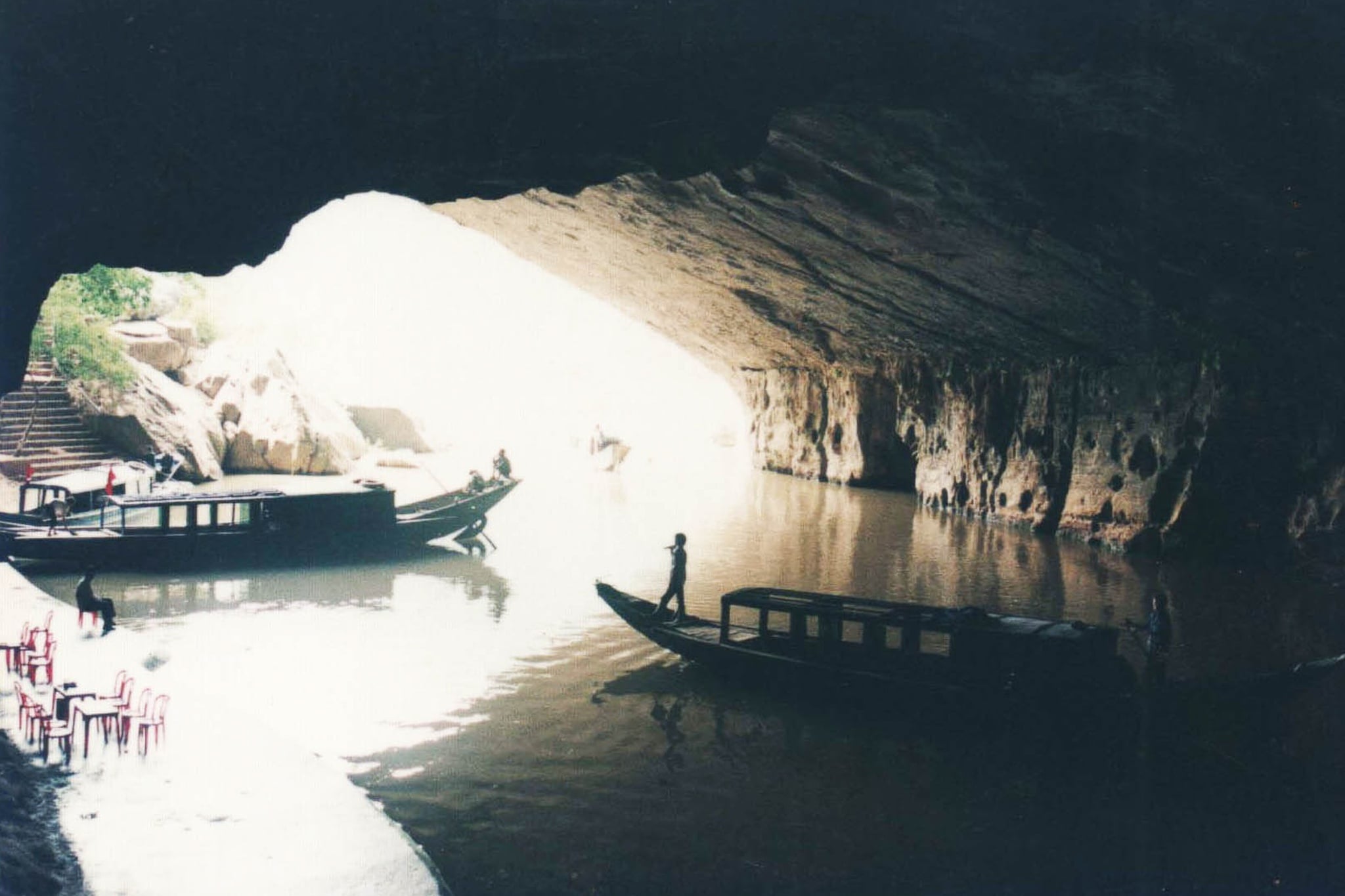
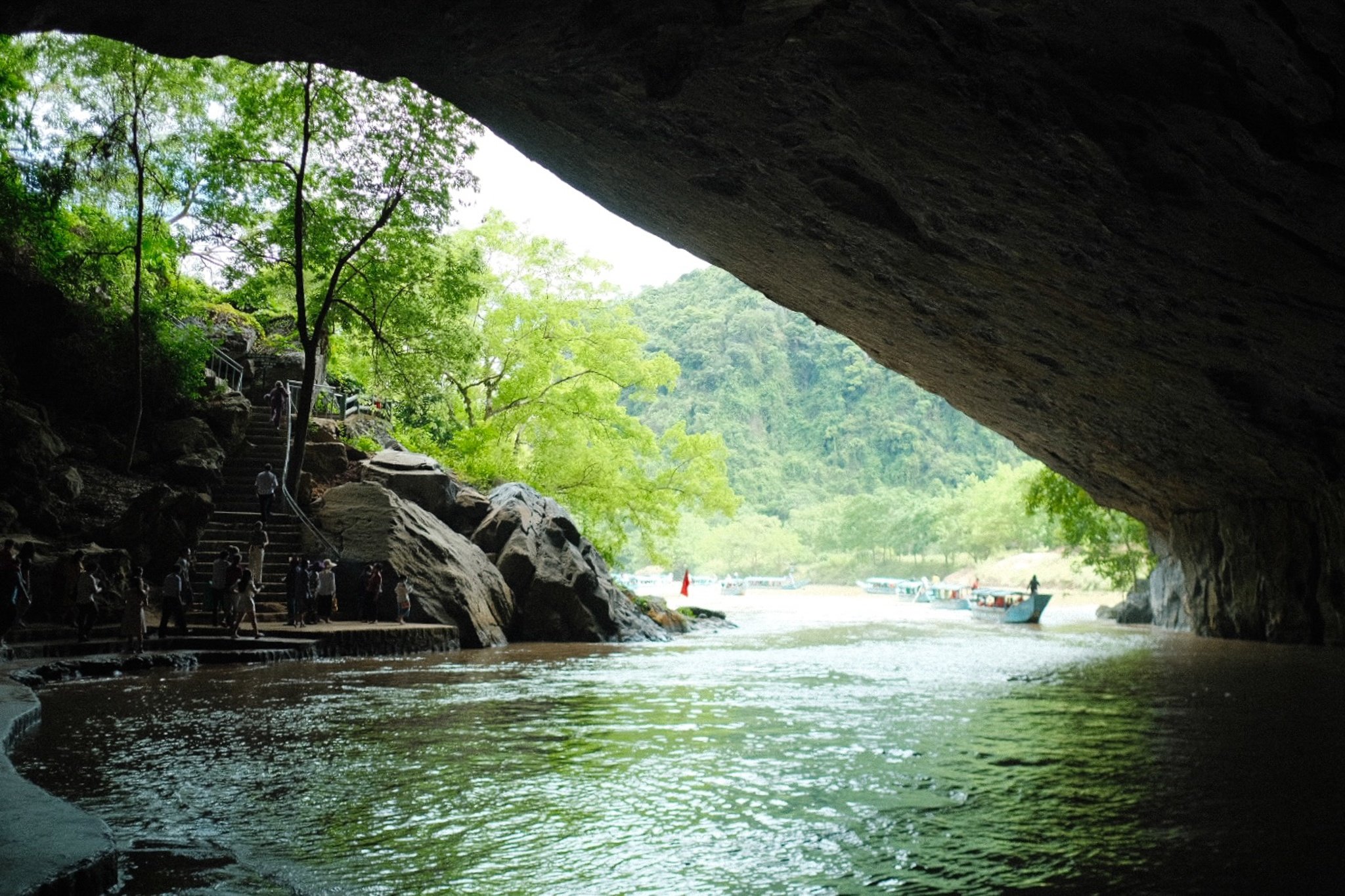
Phong Nha - Ke Bang National Park (Quang Tri), recognized by UNESCO in 2003 and expanded in 2015, is famous for its massive cave system such as Son Doong, Phong Nha or Thien Duong, and primeval forests on limestone mountains more than 400 million years old. Photo: Nguyen Tri Dung, Linh Huynh. |
|
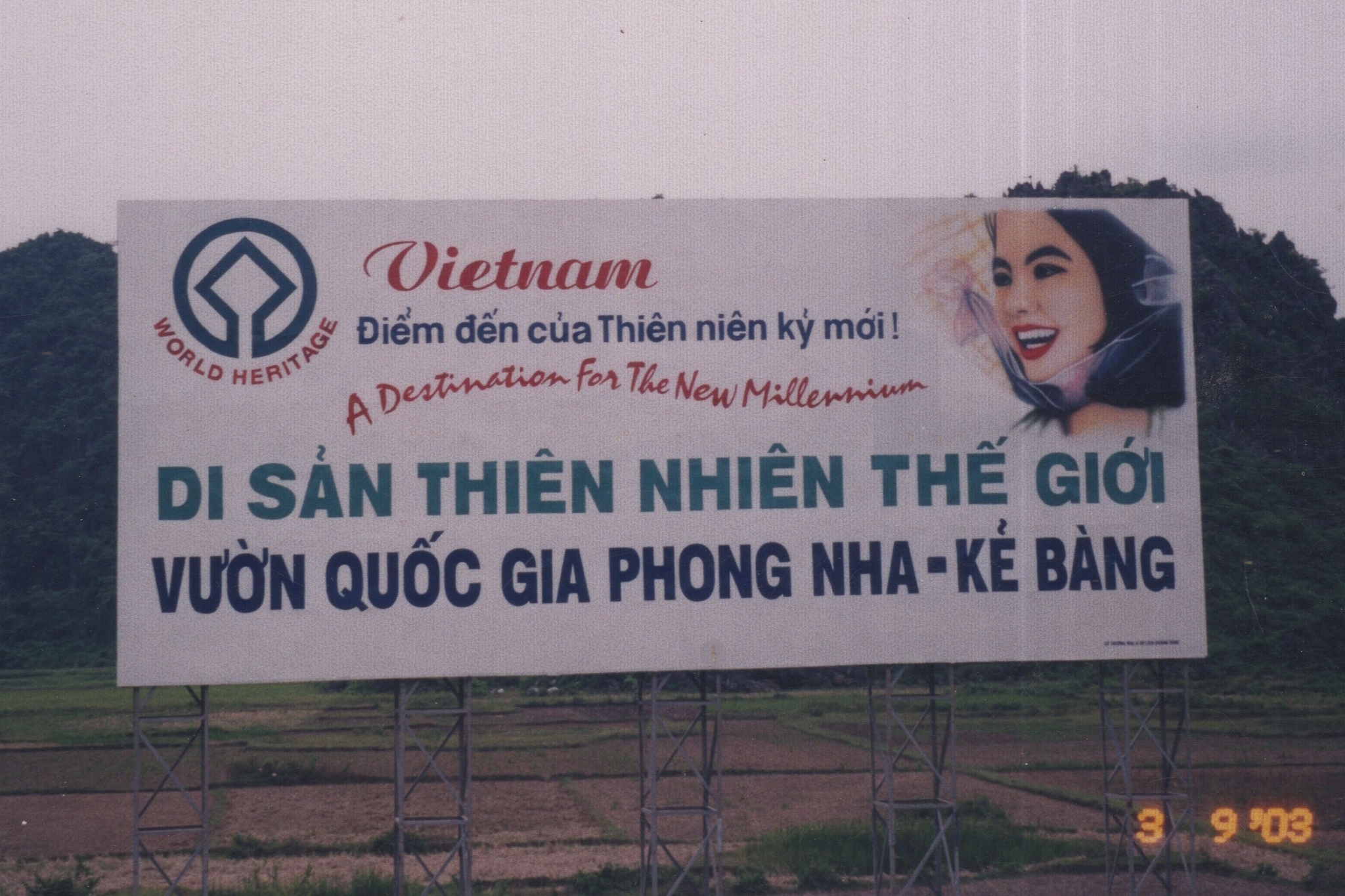
In the photo is a welcome sign, taken by Mr. Dung in early September 2003 - the time this area was officially recognized by UNESCO as a World Heritage Site. Six years later, in April 2009, an expedition team from the British Royal Caves Association discovered and announced Son Doong Cave as the largest cave in the world. This event quickly put Vietnam on the global tourism map. Photo: Nguyen Tri Dung . |
|
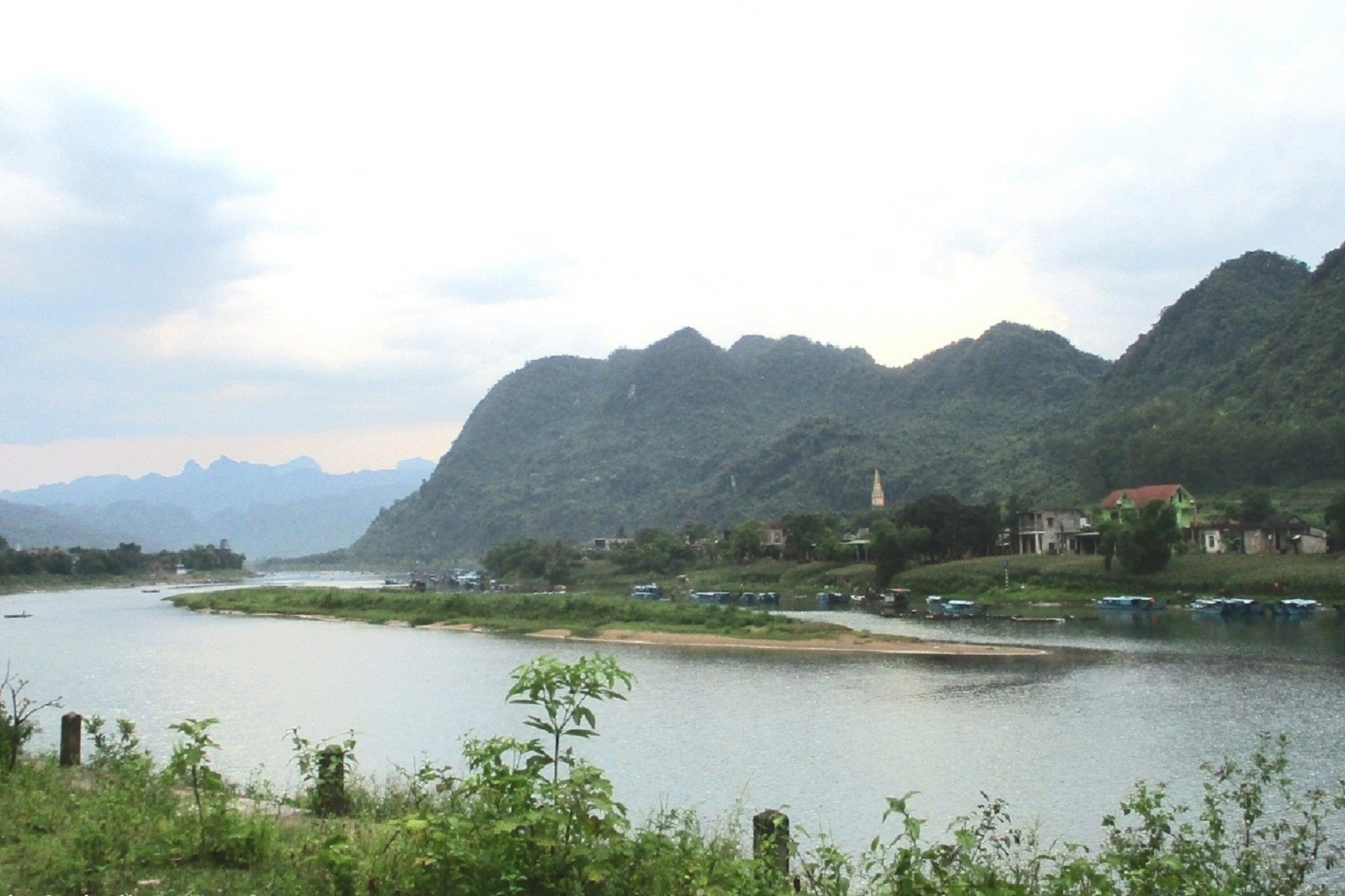
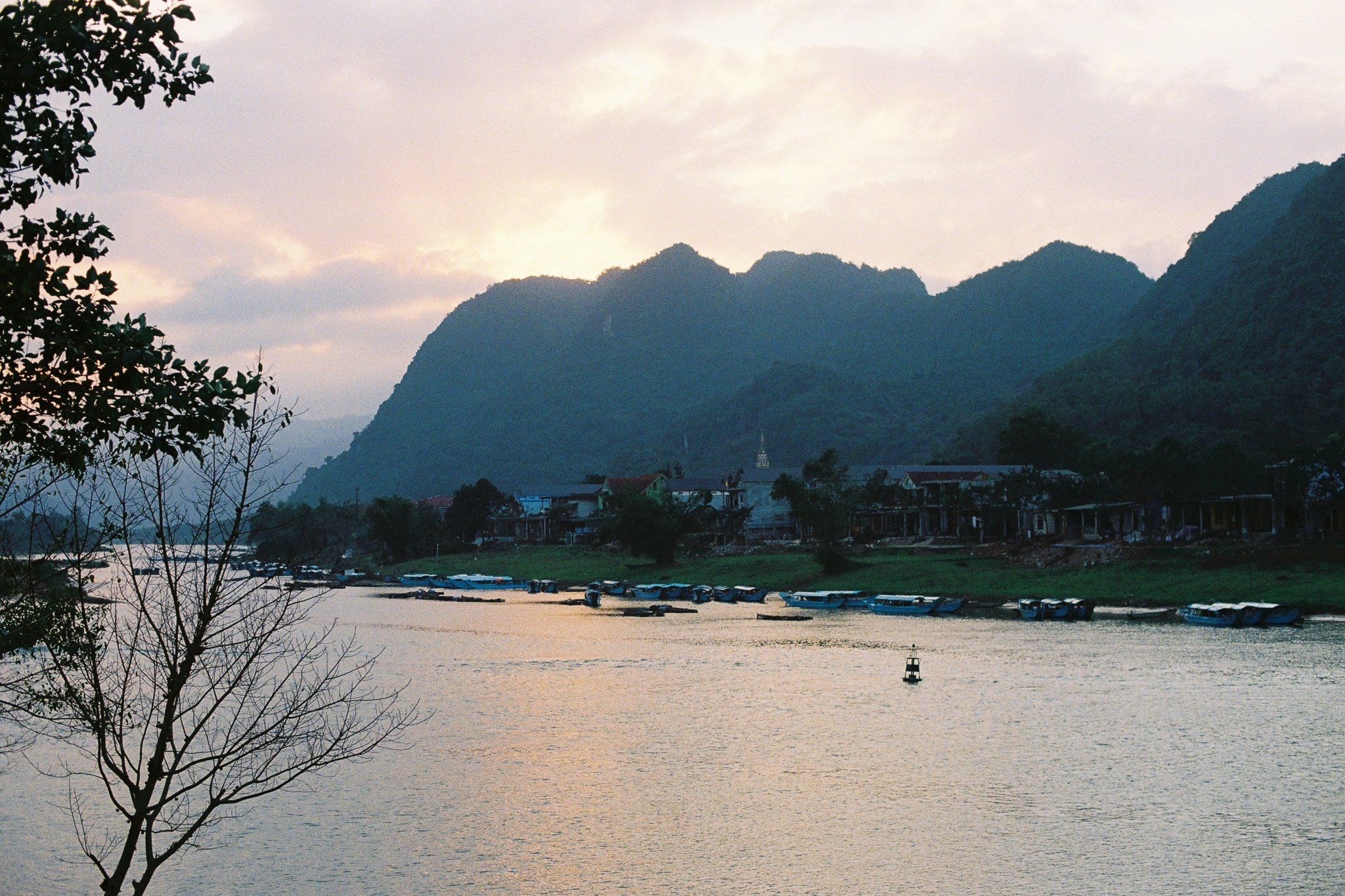
Mr. Dung still remembers the boat trip on the Son River to Phong Nha Cave that year - when the scenery was still very peaceful, the water was clear, and the mountains were green on both sides. He compared it to a "fairyland", one of the most beautiful experiences in the journey to explore the heritage. Photo: Nguyen Tri Dung, Linh Huynh. |
|
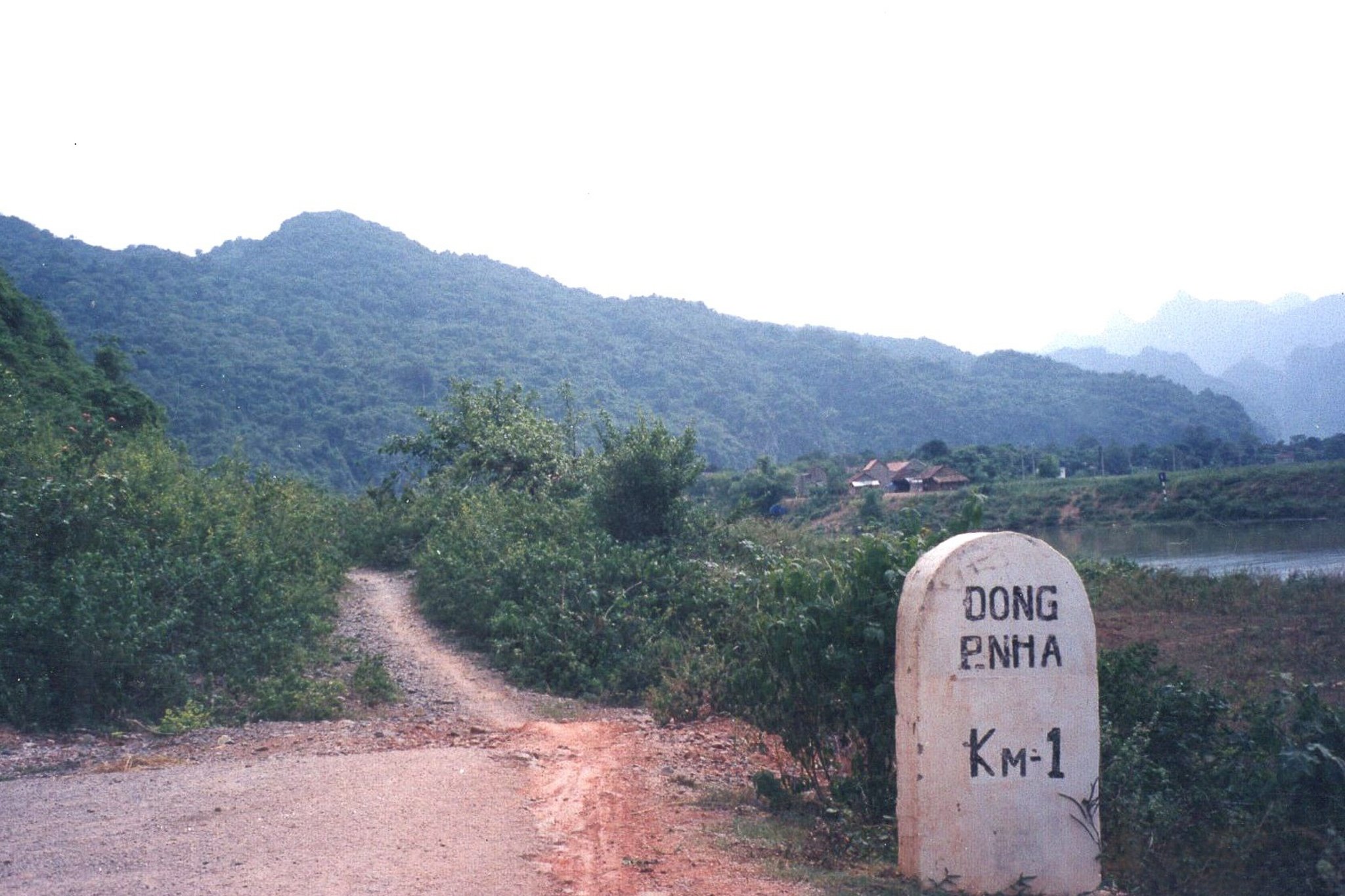
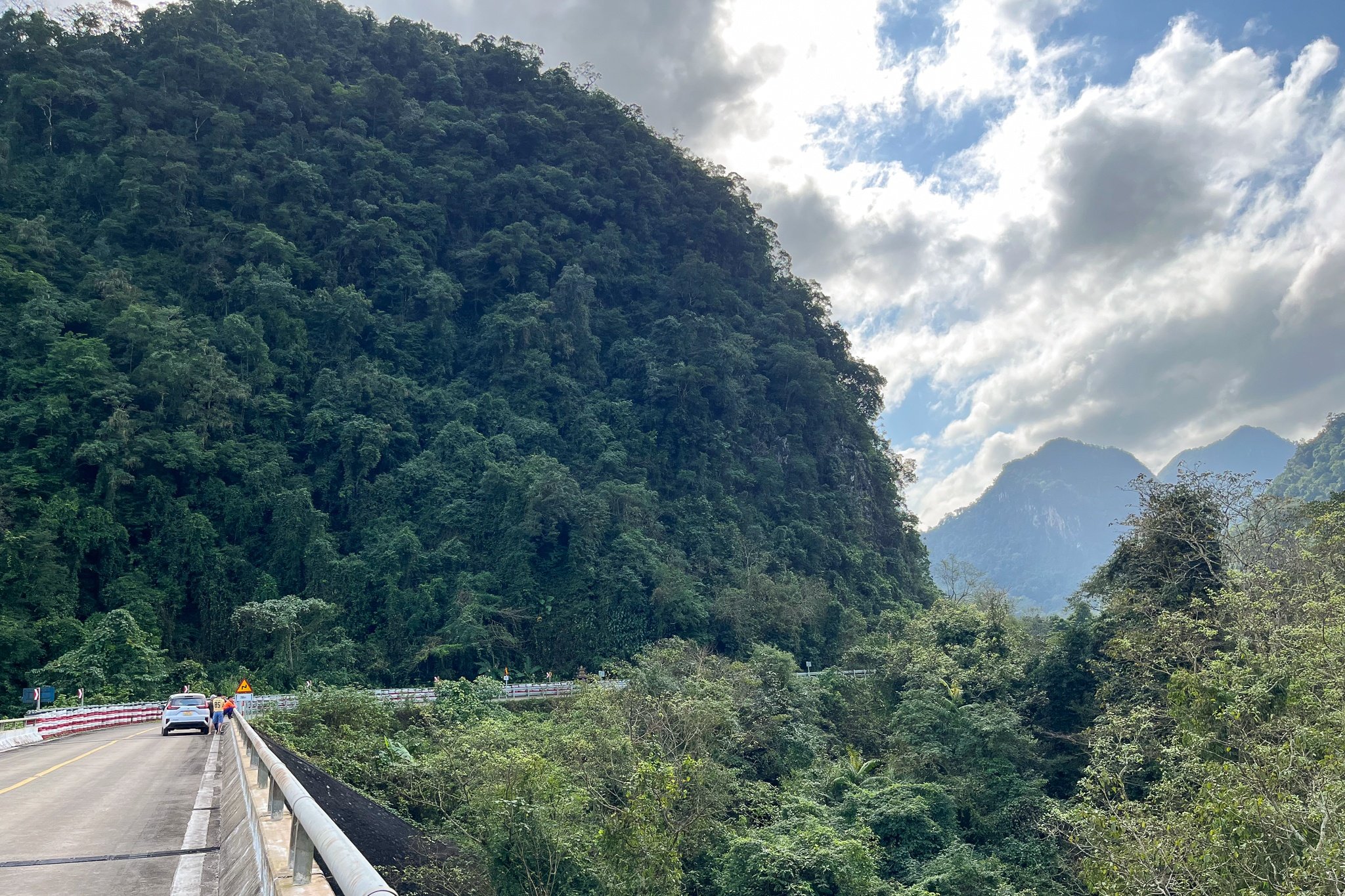
The Ho Chi Minh Trail has now been paved with flat asphalt, replacing the bumpy dirt roads of the past, creating more convenient conditions for traveling and exploring along the Truong Son range. Photo: Nguyen Tri Dung, Linh Huynh. |
|
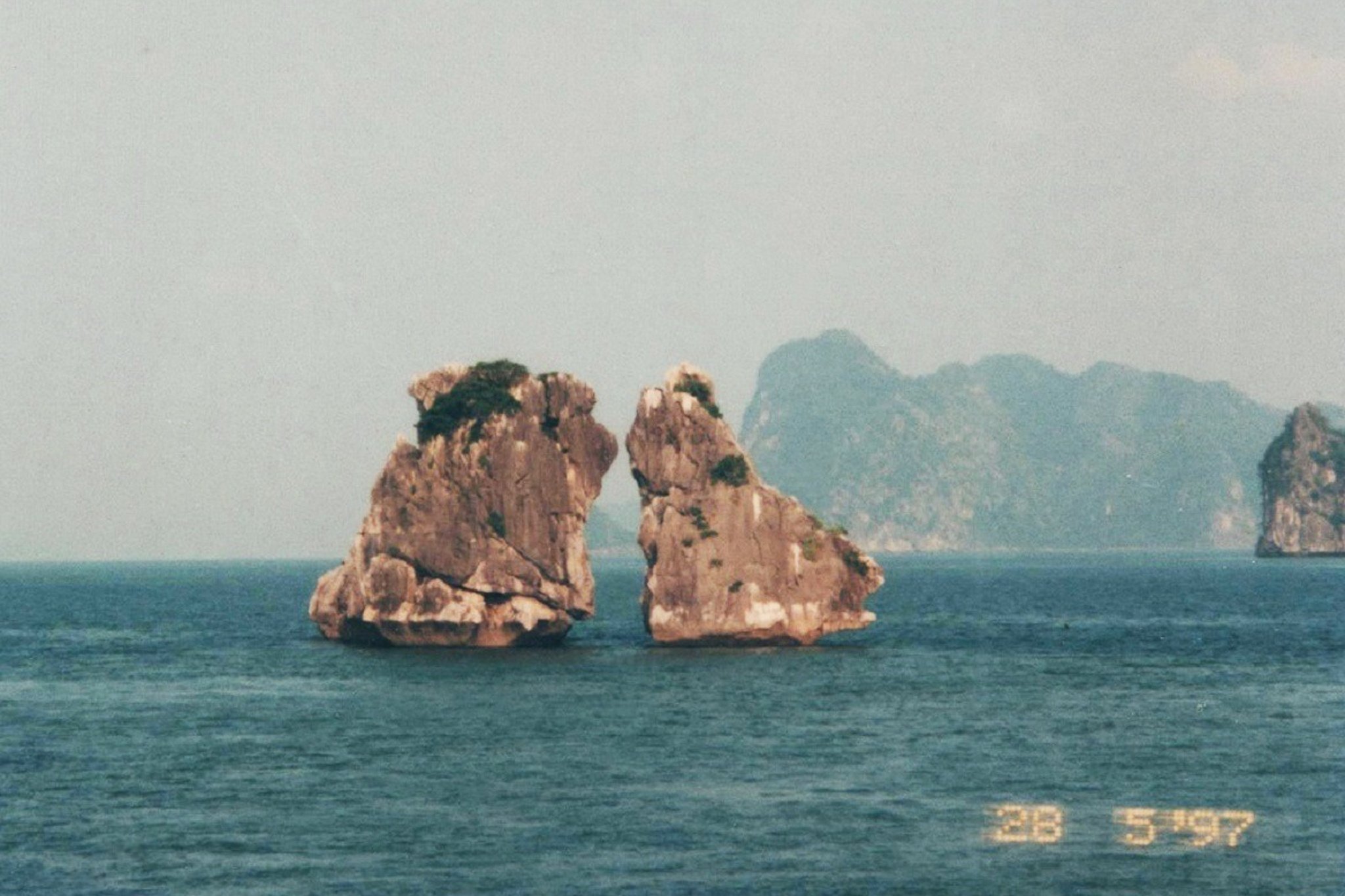
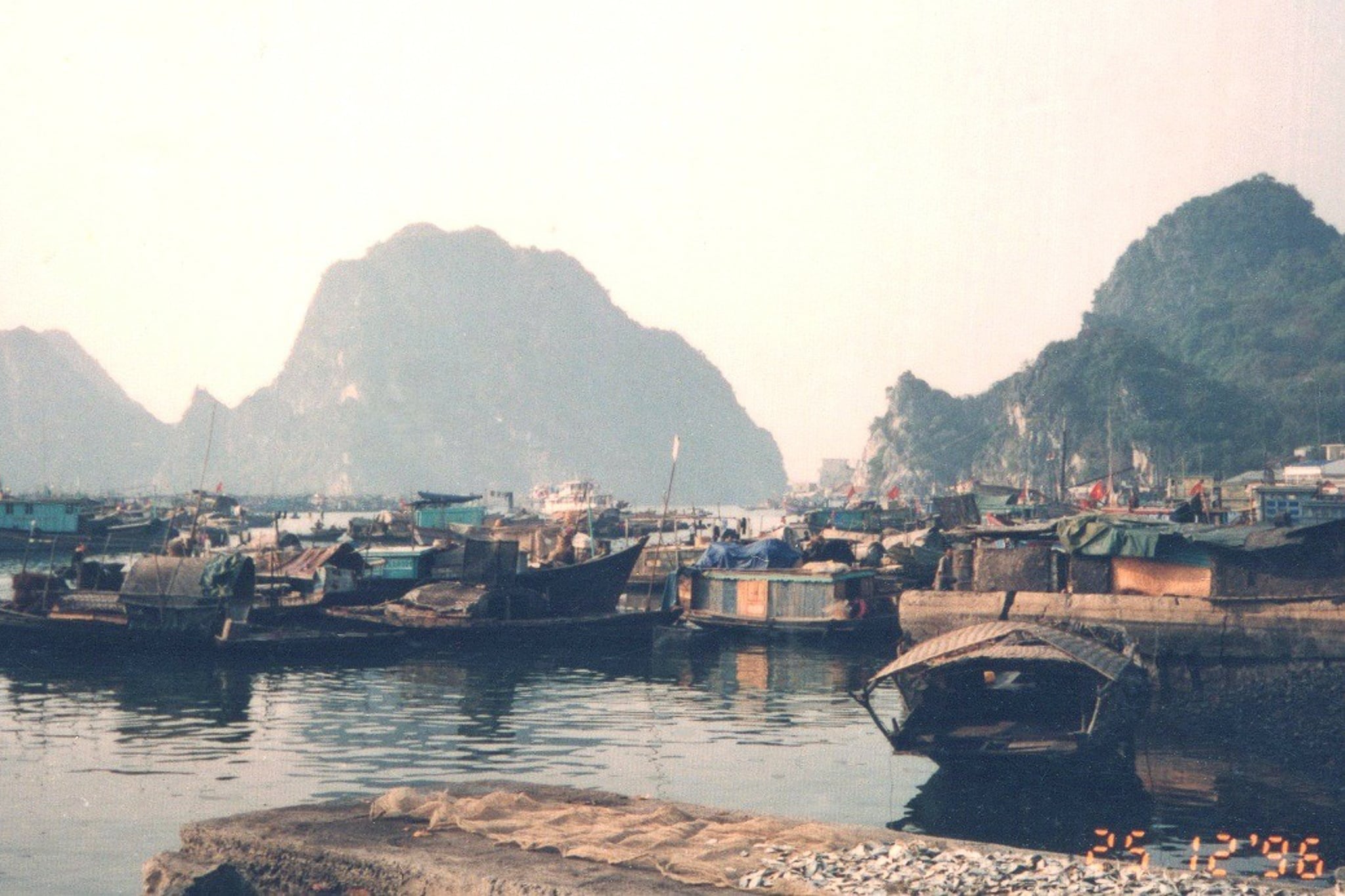
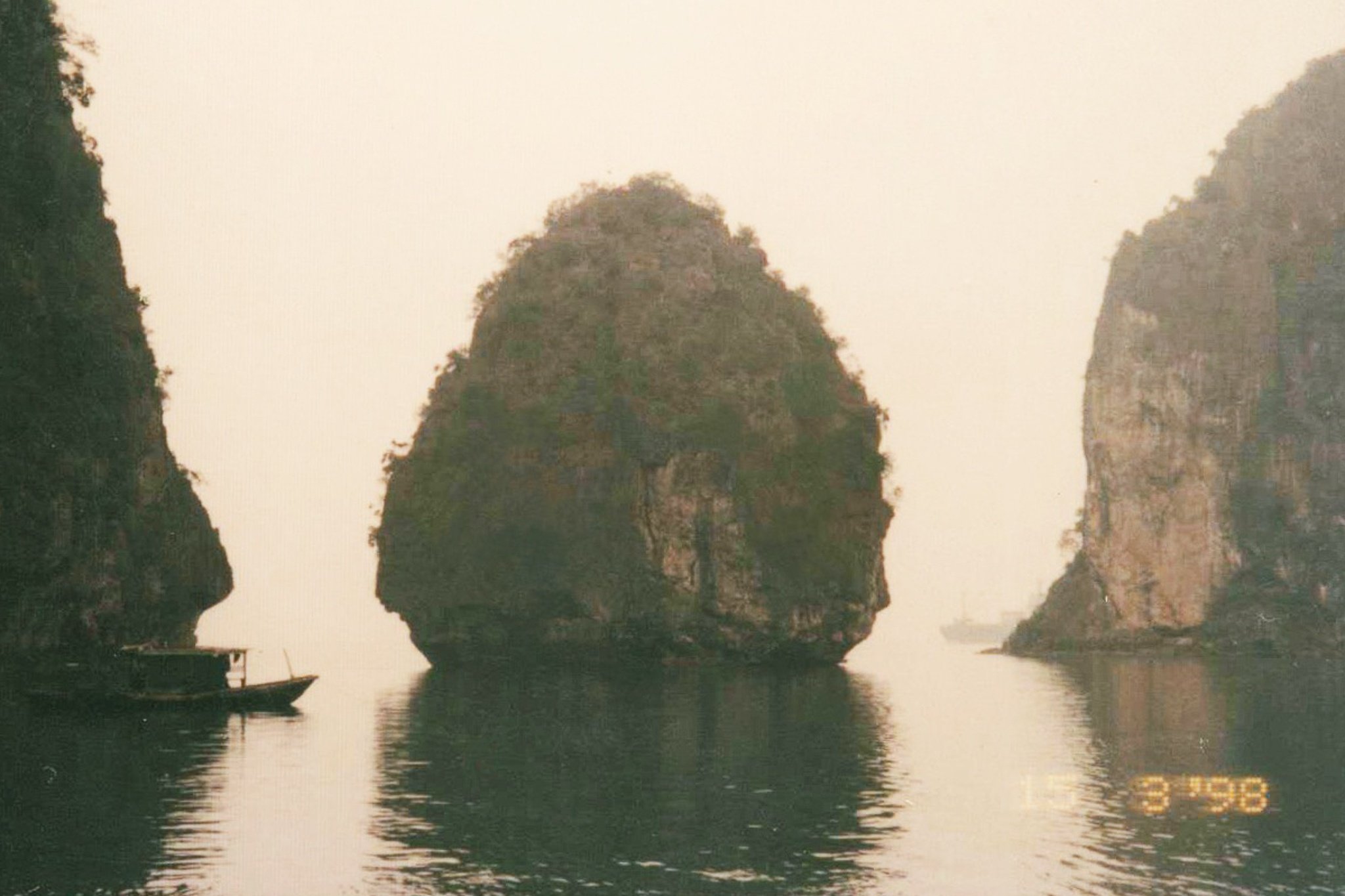
Ha Long Bay - one of the most outstanding natural wonders of Vietnam - was recognized by UNESCO as a World Natural Heritage in 1994 and 2000. The bay has 1,969 islands emerging from the emerald green water, creating a rare submerged karst structure, along with a rich ecosystem, magical caves and small sandbanks hidden under the cliffs. During his visits to Ha Long from 1996 to 1998, Mr. Dung recorded a series of famous natural creations such as Hon Oan, Con Cho gac bien or Hon Trong Mai... What he remembers most is the moment of dawn on the sea, when the sun dyes the towering rocky mountains in the middle of the bay golden, creating an unforgettable scene in his journey. Photo: Nguyen Tri Dung. |

|
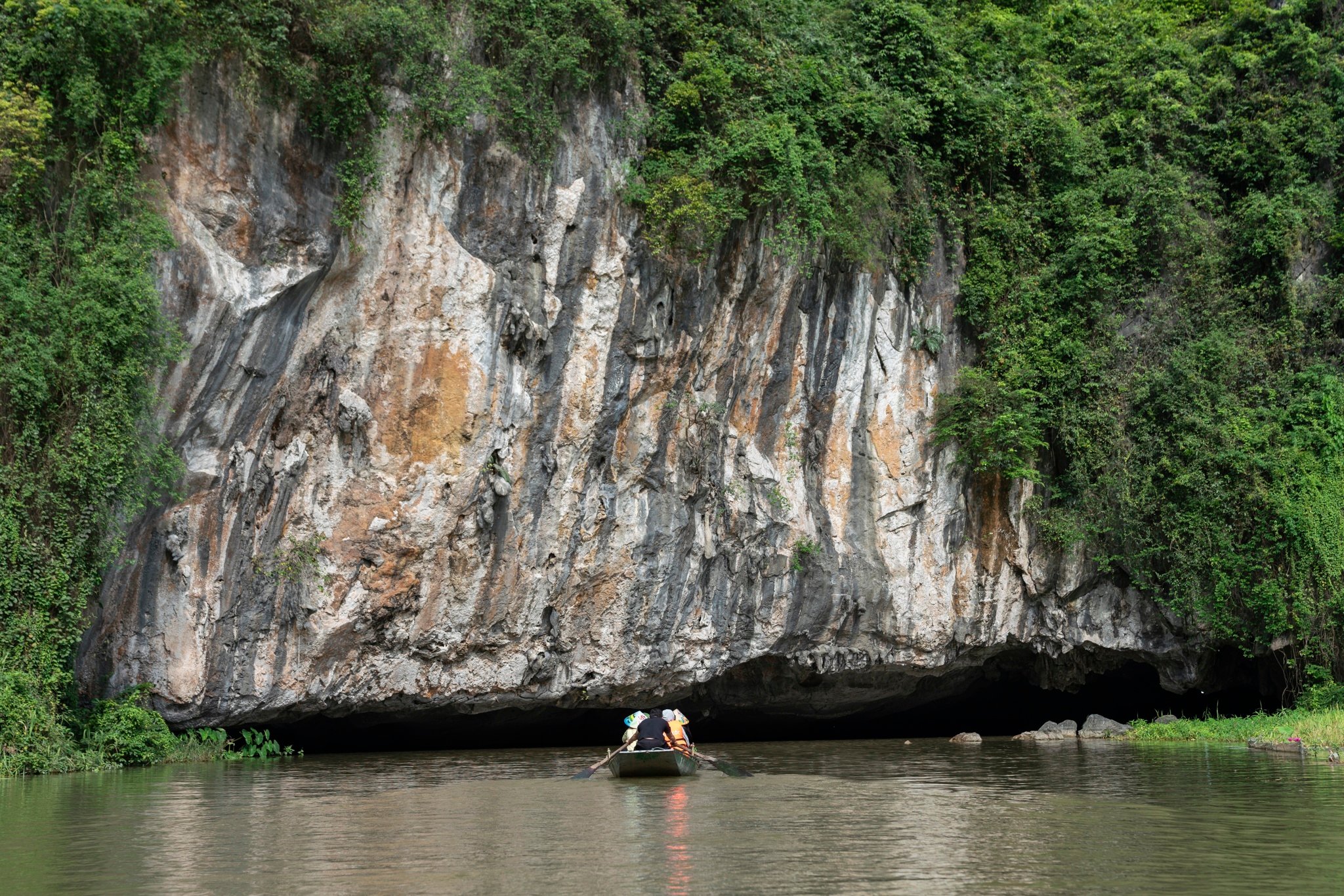
Trang An Scenic Landscape Complex (Ninh Binh), recognized by UNESCO as a World Cultural and Natural Heritage, became the first mixed heritage in Vietnam in 2014, featuring a system of limestone mountains, underground rivers and interconnected caves. Archaeological findings show that there were traces of prehistoric human habitation here. Trang An is highly appreciated for its unique combination of karst topography and ancient cultural sediments, rarely seen in the world. The photo on the left was taken in 1994. Photo: Nguyen Tri Dung, Linh Huynh. |

|
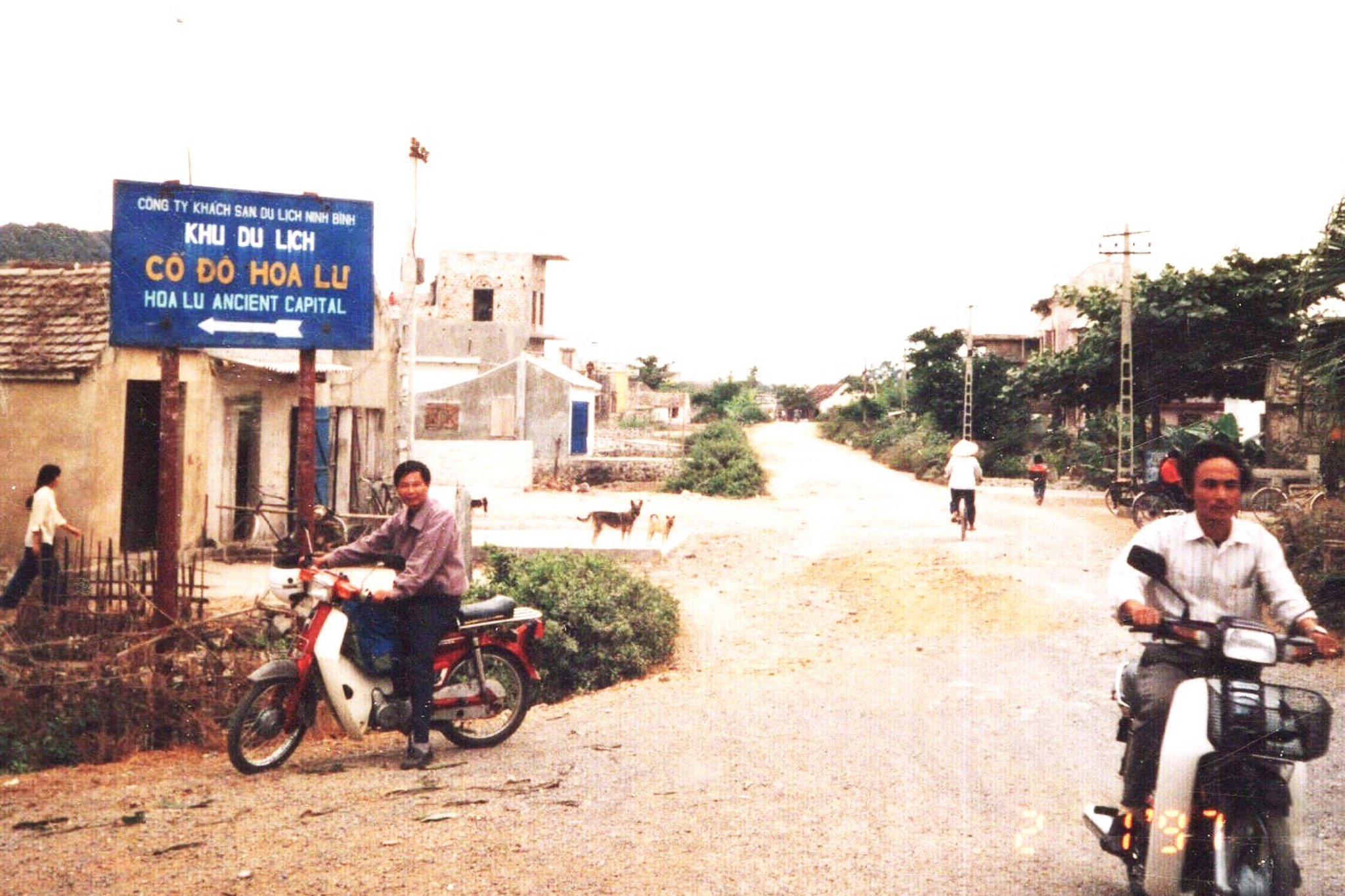
Trang An Scenic Landscape Complex includes three main conservation areas: Hoa Lu Ancient Capital, Trang An - Tam Coc - Bich Dong Scenic Landscape and Hoa Lu Special-Use Forest. Photo: Nguyen Tri Dung. |
|
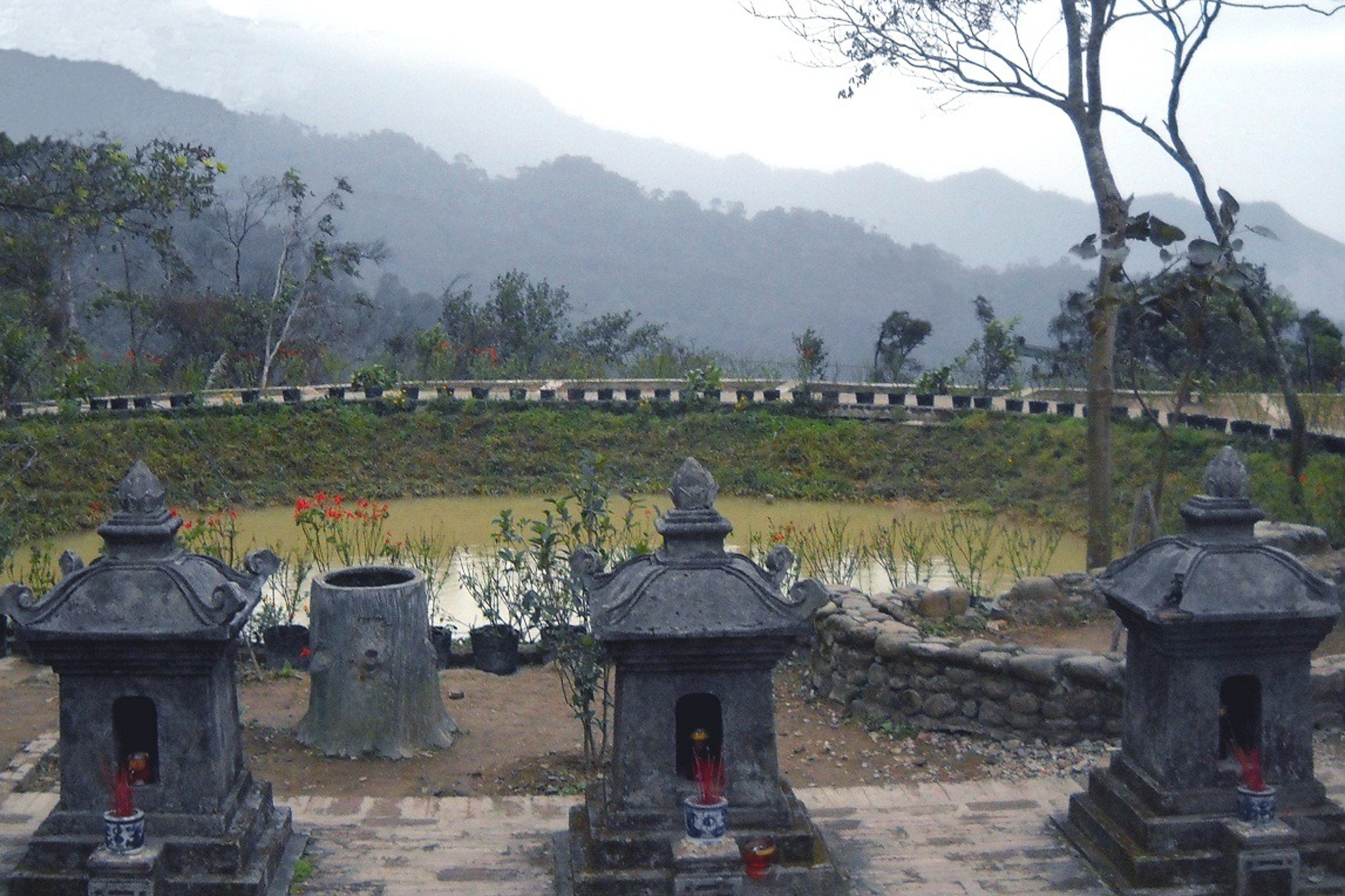
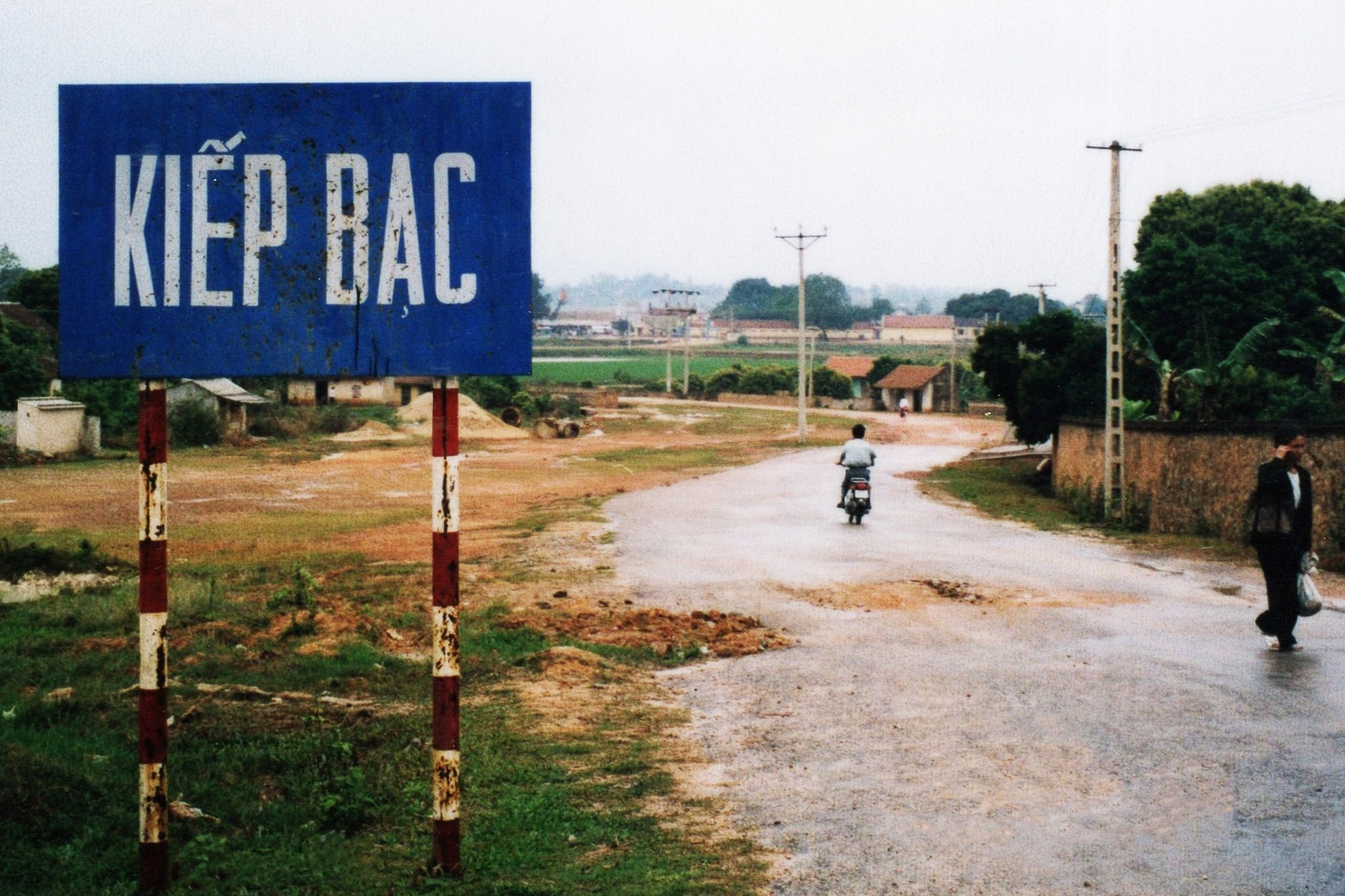
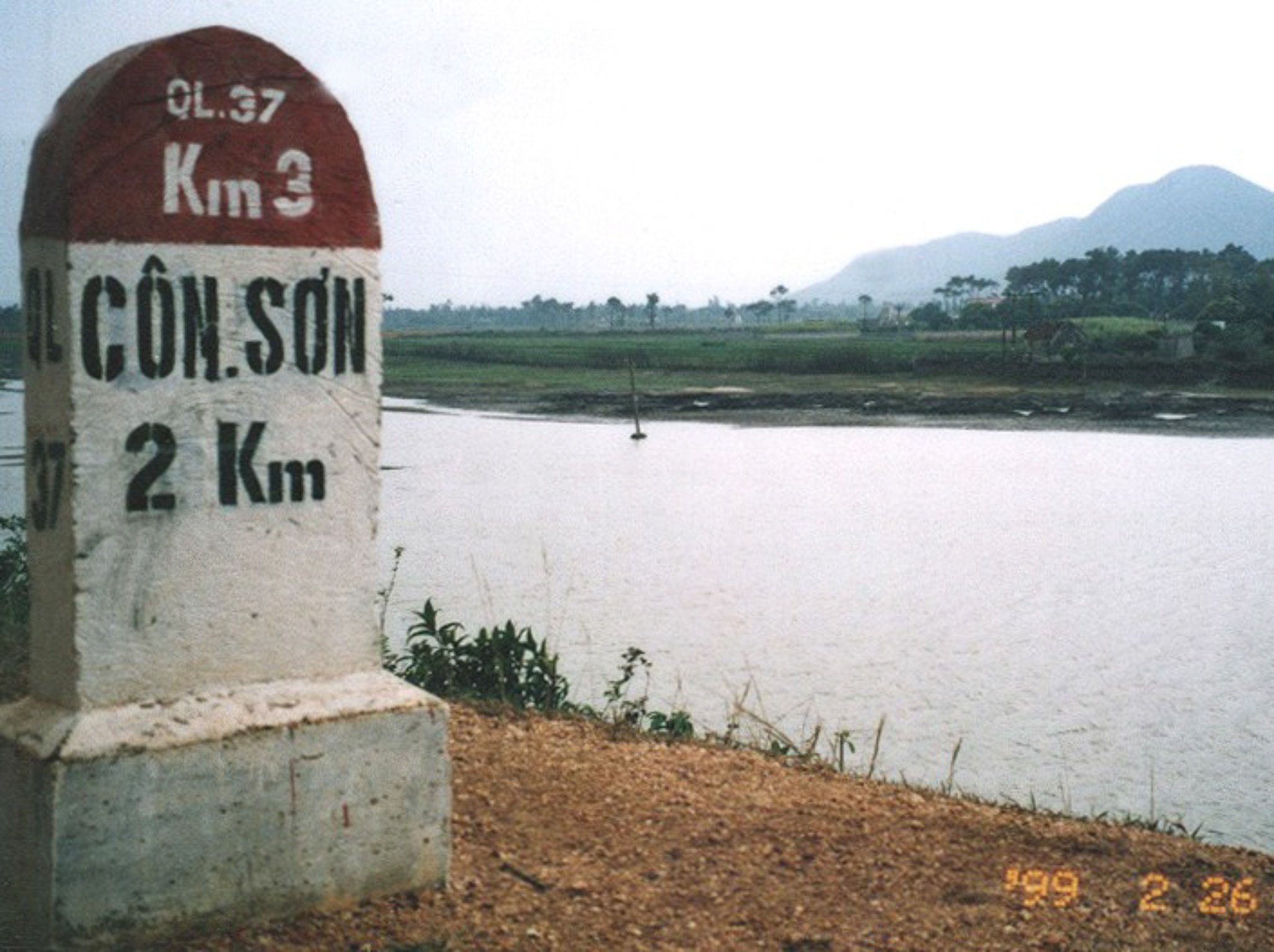
In July 2025, Yen Tu - Vinh Nghiem - Con Son - Kiep Bac was recognized as a World Cultural Heritage by the UNESCO World Heritage Committee at the 47th session. This is the first inter-provincial heritage site in Vietnam, spanning three localities: Quang Ninh, Bac Ninh and Hai Phong, recognizing the outstanding value of the relic system associated with Truc Lam Buddhism and medieval history of Vietnam. In the photo are Hung Dao Vuong Temple, Con Son Pagoda and Phu Van Yen Tu, respectively, taken by Mr. Dung in 1997 and 2001. Photo: Nguyen Tri Dung. |


|
Nowadays, Mr. Dung still maintains the habit of traveling and taking photos, although digital cameras have replaced film cameras because they are "cheap and beautiful", and few places accept film development. Technology has changed, but the joy of admiring and preserving the beauty of Vietnam remains intact in him. Occasionally, he goes on a trip "to relieve his restless legs". Photo: Nguyen Tri Dung. |
Source: https://znews.vn/ngam-9-di-san-thien-nhien-the-gioi-tai-viet-qua-loat-anh-phim-post1607518.html

![[Photo] Parade to celebrate the 50th anniversary of Laos' National Day](/_next/image?url=https%3A%2F%2Fvphoto.vietnam.vn%2Fthumb%2F1200x675%2Fvietnam%2Fresource%2FIMAGE%2F2025%2F12%2F02%2F1764691918289_ndo_br_0-jpg.webp&w=3840&q=75)
![[Photo] Worshiping the Tuyet Son statue - a nearly 400-year-old treasure at Keo Pagoda](/_next/image?url=https%3A%2F%2Fvphoto.vietnam.vn%2Fthumb%2F1200x675%2Fvietnam%2Fresource%2FIMAGE%2F2025%2F12%2F02%2F1764679323086_ndo_br_tempimageomw0hi-4884-jpg.webp&w=3840&q=75)




























































Comment (0)