

In recent nutrition counseling sessions, I've received many questions from parents such as: "How can I ensure my child eats enough nutrients without becoming overweight?" or "What should I cook to help my child concentrate better on their studies?".
In reality, a student's meal is not simply about filling a hungry stomach, but about providing a nutritional "ecosystem" to support both cognitive and physical development. From a clinical perspective, we need to view meals through the lens of balance and bioavailability.
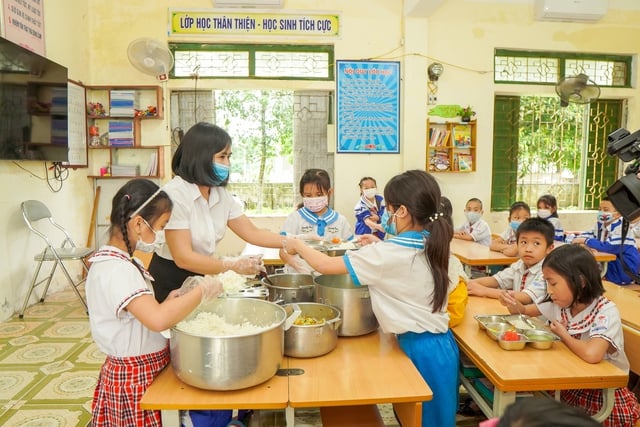
A balanced school meal should ensure the inclusion of four nutrient groups: carbohydrates, protein, fats, and vitamins and minerals.
Here's a recipe for a "perfect" meal based on scientific evidence:
The "Four Pillars" of nutrient groups: Not just sufficient, but correct.
To achieve optimal learning conditions, children's meals need to include four key components:
Carbohydrates – "Fuel" for the brain: The brain consumes about 20% of the body's total energy. However, instead of only eating white starches (white rice, bread), we can eat them in between and should prioritize complex carbohydrates (whole grains, root vegetables). These have a low glycemic index (GI), which releases energy slowly, keeping blood sugar levels stable, thus helping children maintain focus for longer periods.
Protein Group – The "building blocks": Students are in a crucial growth phase. Protein intake should consist of a combination of animal protein (meat, fish, eggs) and plant protein (beans). In particular, essential amino acids like Tryptophan and Tyrosine are precursors to neurotransmitters, helping children reduce stress and improve their mood.
Fats (Lipids) – The "Structure" of the Brain: 60% of the brain is fat. Prioritize unsaturated fats, especially Omega-3s (DHA, EPA) from fatty fish or nuts. They play a crucial role in the formation of nerve cell membranes and enhance memory.
Vitamins and Minerals – The "Microchip" Control System: Iron, Zinc, Calcium, and B vitamins are essential components. Iron deficiency leads to insufficient blood flow to the brain, causing children to feel tired and sleepy during class.
The "Plate Method"
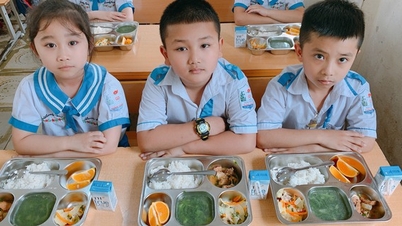
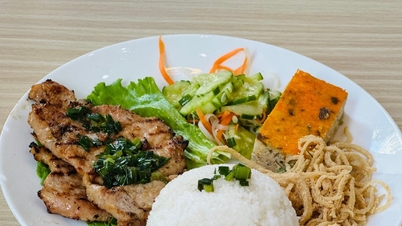
To visualize this, parents can imagine a round plate with a diameter of about 20-22cm and the contents arranged as follows:
Half the plate should be vegetables and fruits: A variety of colors to provide fiber and antioxidants (phytonutrients).
1/4 of the plate should be cereals: Prioritize less refined varieties.
1/4 of the plate is Protein-Rich Food: Approximately the size of a child's palm.
Supplement: Include a serving of milk or dairy products to ensure adequate calcium intake. If your child doesn't drink milk, ensure they get enough calcium from plant-based sources such as sesame seeds, beans, dark leafy greens (kale, broccoli), and small fish eaten whole with bones.
Energy allocation according to circadian rhythms.
Eating at the right time is just as important as eating the right kind of food. Total daily energy (Kcal) should be divided proportionally:
Breakfast (25-30%): The most important meal to kickstart metabolism after a long night.
Lunch (35-40%): Provides energy for afternoon extracurricular activities and studying.
Dinner (25-30%): This meal should be light, prioritizing easily digestible foods so as not to disrupt sleep – the time when the body releases Growth Hormone (GH).
Each child is a unique individual with varying physical conditions and activity levels. Monitoring body composition metrics (such as muscle mass and fat mass) through in-depth measurements will help us personalize and adjust diets as accurately as possible.
Nutrition is a long journey, not an instant destination. May all parents always be the talented "architects" of their children's health.

Source: https://suckhoedoisong.vn/co-cau-bua-an-hop-ly-cho-hoc-sinh-169260518100012838.htm






































































































Comment (0)