

Pilot model of residential care for the elderly
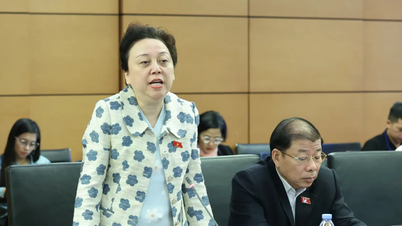
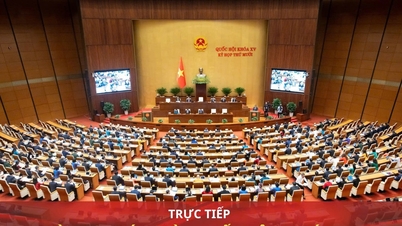
According to National Assembly Deputy Tran Thi Hien ( Ninh Binh ), the National Assembly is considering the draft Resolution of the National Assembly on a number of breakthrough mechanisms and policies for the work of protecting, caring for and improving people's health and the investment policy for the National Target Program on health care, population and development for the period 2026 - 2035 in the context that since 2011, our country's population has entered the aging stage and is forecast to become an "aged population" by 2036 and a "super-aged population" by 2049.
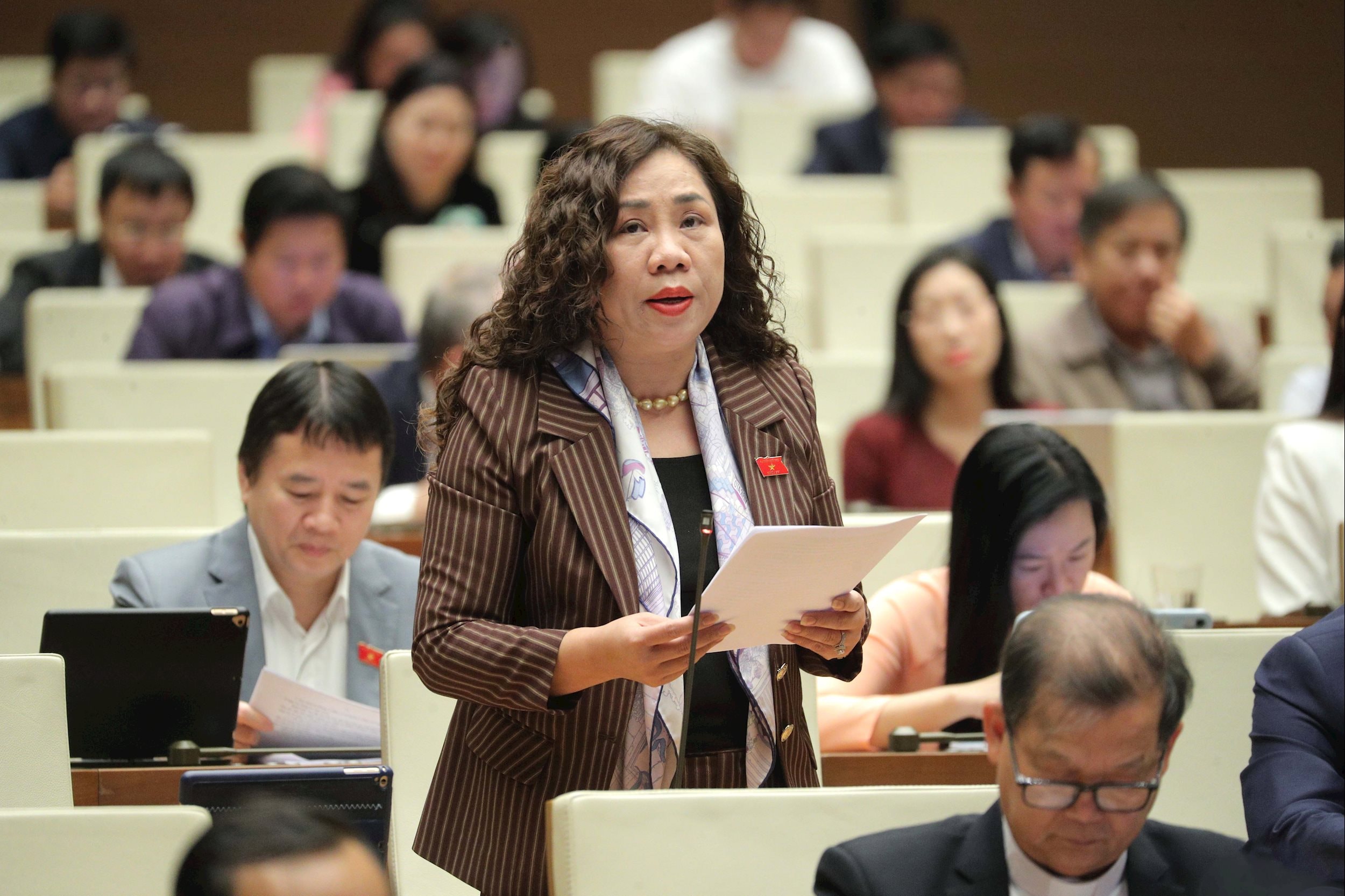
“In addition to the goal of becoming a high-income country by 2045, the challenge of “aging before getting rich” is very real, creating great pressure on both the state budget and social resources for health care issues, ensuring social security, preparing social infrastructure suitable for the elderly, especially the development of nursing homes and professional elderly care,” delegate Tran Thi Hien emphasized.
Delegates said that in the context of limited public investment resources, promoting socialization and attracting private resources to develop elderly care services is an objective, urgent and strategic requirement.
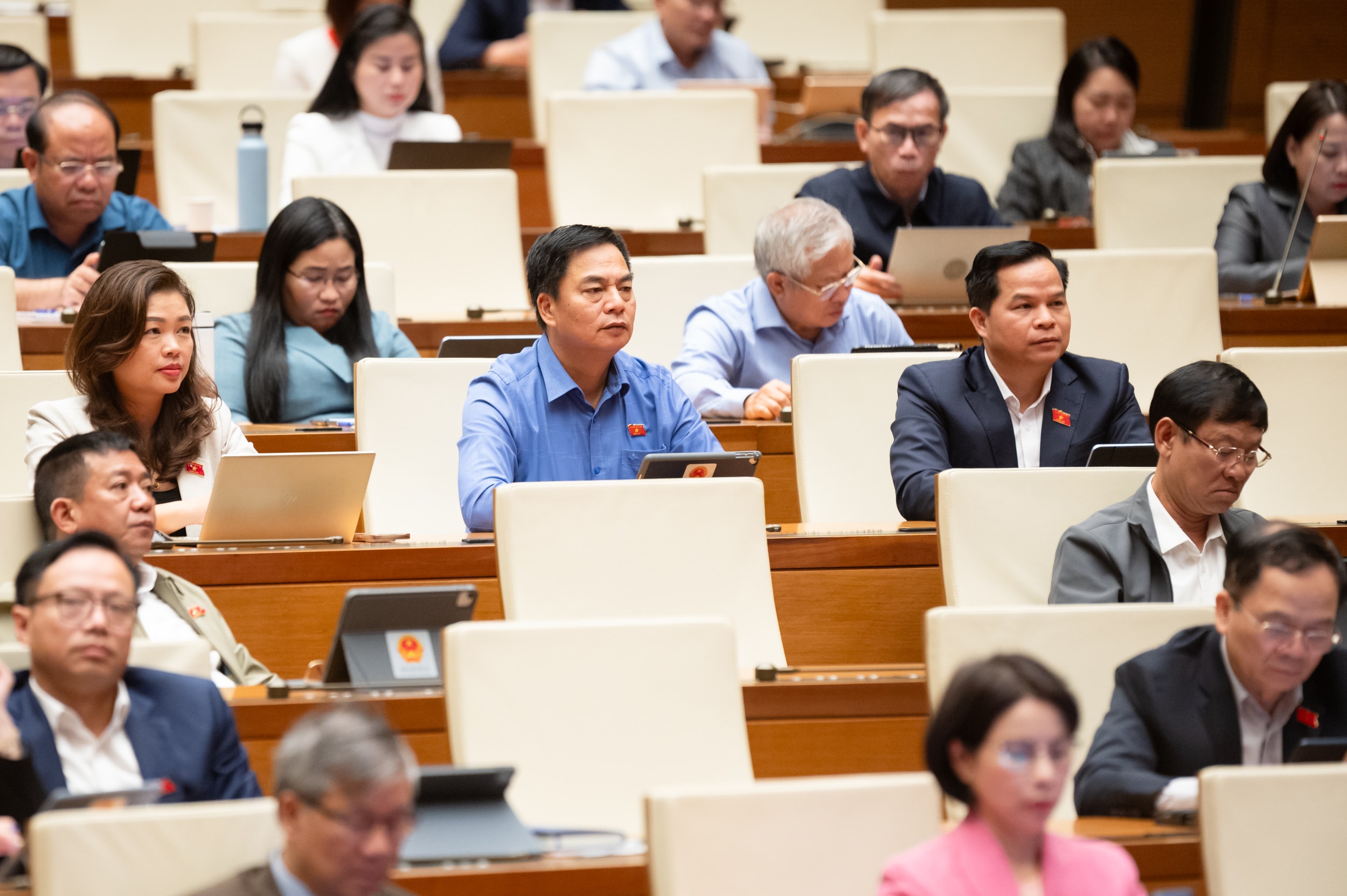
However, delegates noted that the draft Resolution of the National Assembly on a number of breakthrough mechanisms and policies for the protection, care and improvement of people's health has almost no breakthrough policies that focus on handling "bottlenecks" to effectively implement the policies of Resolution 72 on " Encouraging the development of elderly care facilities", "effectively combining medical facilities and elderly care facilities" ; "strongly promoting the participation of the private economic sector, mobilizing social resources in people's health care".
At the same time, in the investment policy of the National Target Program on health care, population and development for the period 2026 - 2035, although there is project 4 on developing social assistance facilities, delegates pointed out that there are still points that are not really compatible with related planning and socialization policies.
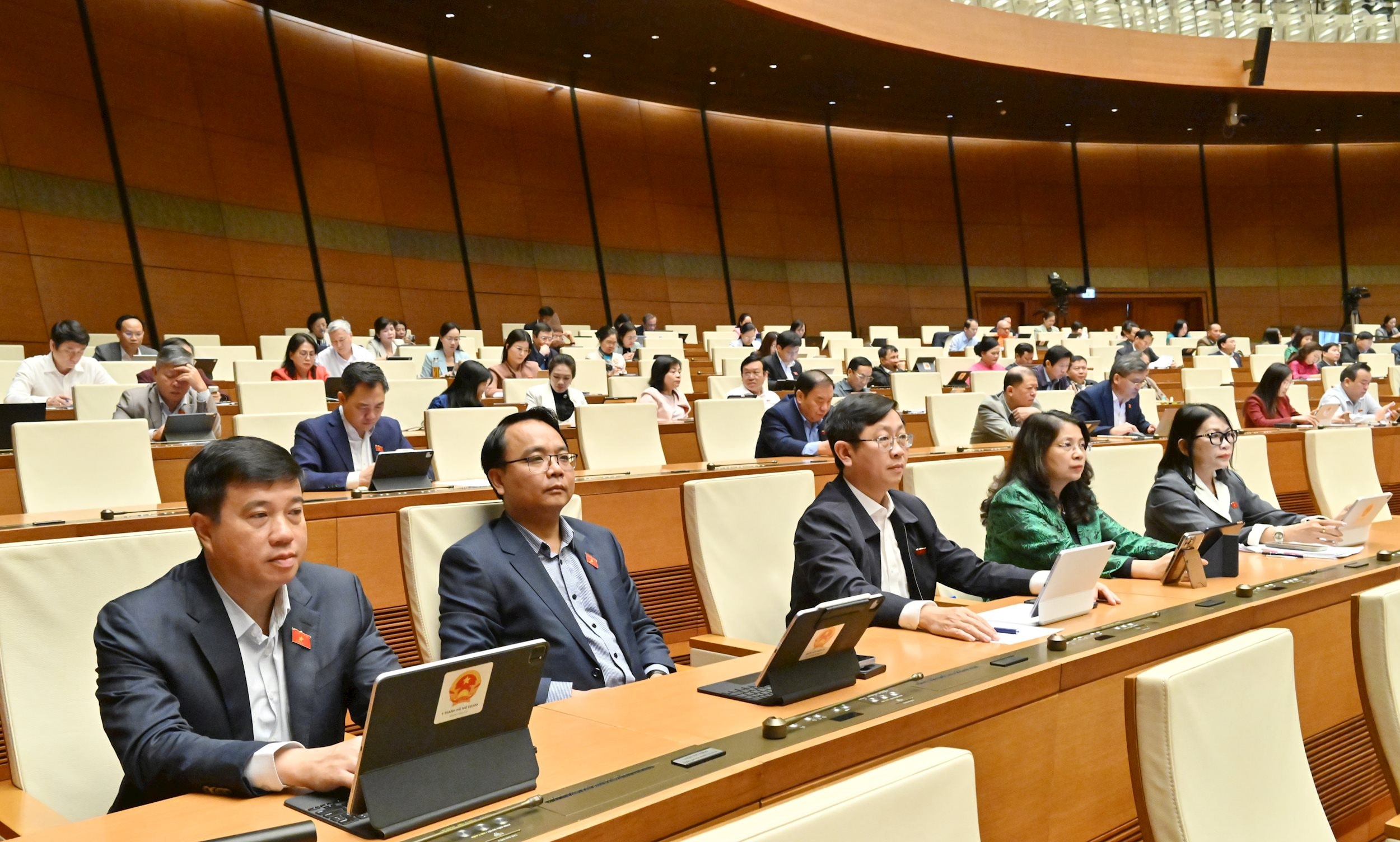
The delegate recommended that, in the post-organizational restructuring condition, the health sector has been assigned to manage the social assistance system (previously under the Ministry of Labor, War Invalids and Social Affairs), it is necessary to consider and have a policy to treat nursing homes that perform the functions of medical examination and treatment, long-term care, and rehabilitation for the elderly as medical facilities and enjoy special policies on land, tax, and finance as stipulated in Article 5 of the draft Resolution on breakthrough policies.
Accordingly, it is proposed to add a new clause to Article 5 as follows: " Nursing facilities providing medical examination, treatment, rehabilitation, and long-term care services for the elderly shall enjoy policies on land, tax, and finance as for medical facilities as prescribed in this Article ". "This will be a breakthrough solution to concretize the policy of effectively combining medical facilities and elderly care facilities as set out in Resolution 72", the delegate emphasized.
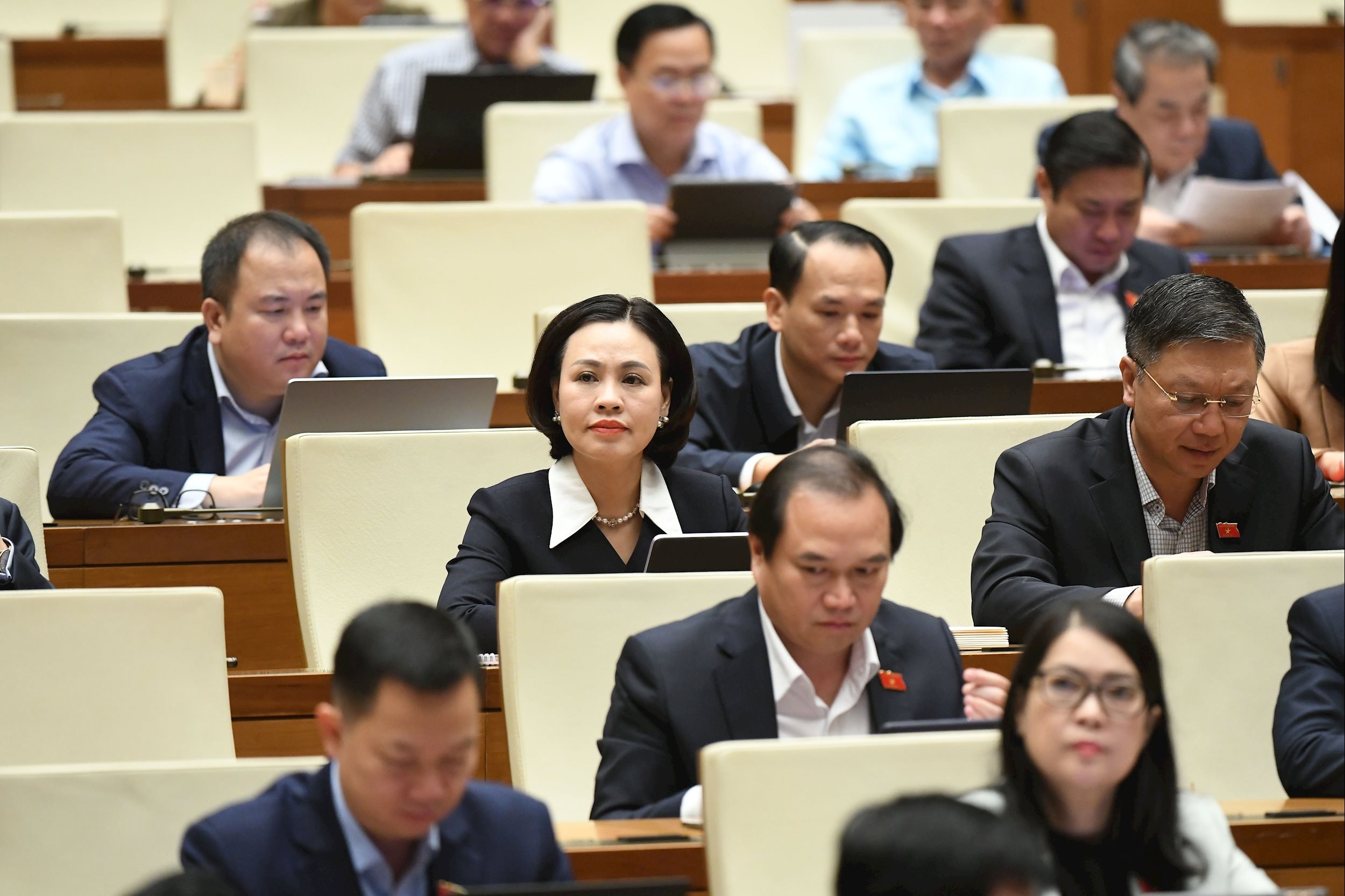
At the same time, add to Sub-project 4, Project 3, National Target Program on health care, population and development for the period 2026 - 2035 on adapting to population aging and aging population, promoting health care for the elderly. in Some activities are: researching and perfecting mechanisms and policies to promote the attraction of social resources to strongly develop nursing facilities and care for the elderly; perfecting technical standards for nursing facilities; piloting a model of semi-boarding care for the elderly.
Strive to implement and complete the creation of electronic health books by 2026.
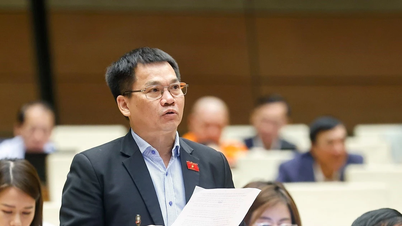
National Assembly Deputy Dang Bich Ngoc (Phu Tho) said that according to the draft Resolution of the National Assembly on a number of breakthrough mechanisms and policies for the protection, care and improvement of people's health, starting from 2026, people will be given free periodic health check-ups or screenings at least once a year according to priority groups and roadmaps. Thus, in the immediate future, we will focus on periodic health check-ups according to priority groups and roadmaps in order.
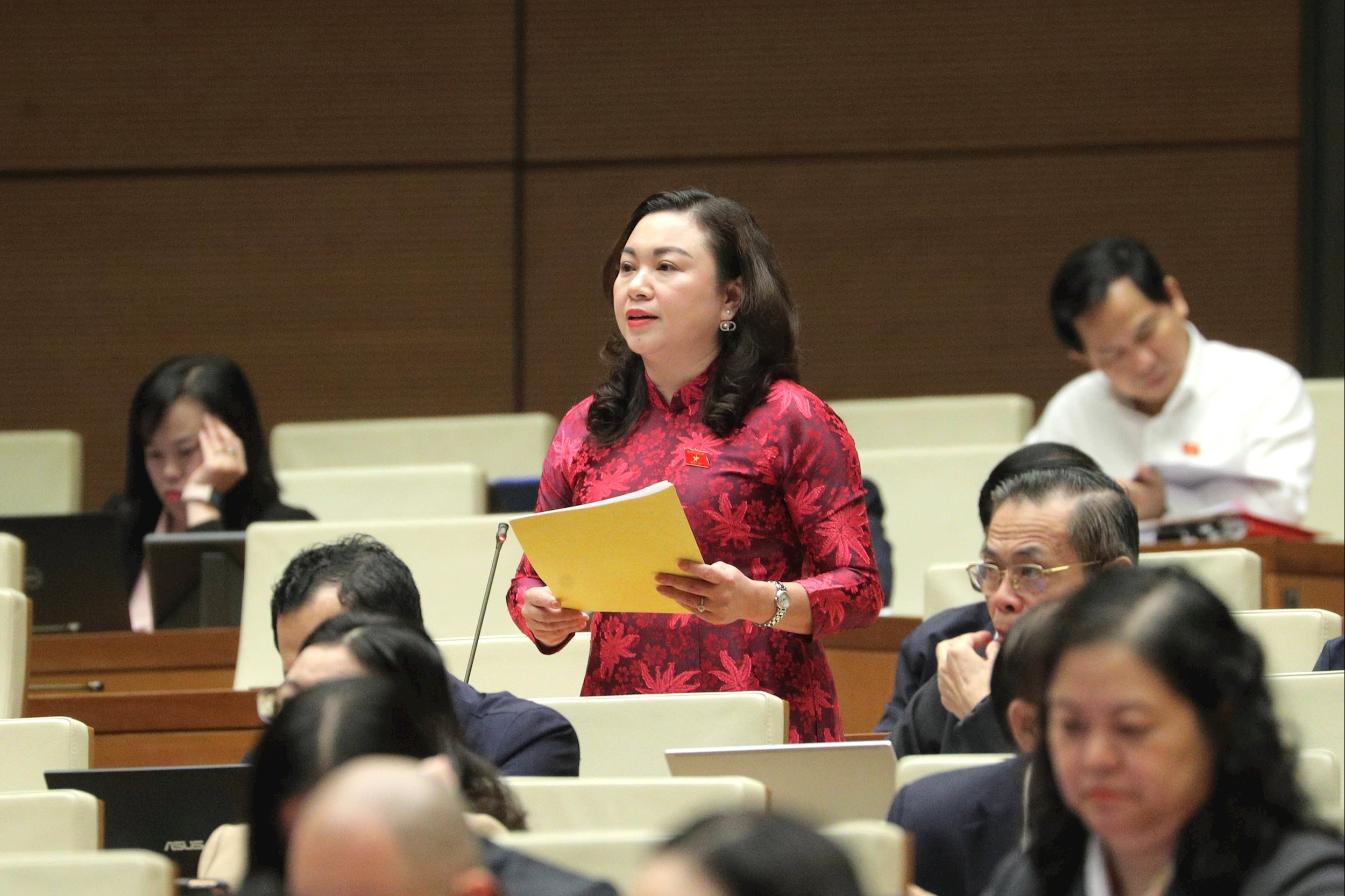
The delegates said that the draft resolution needs to have very clear and specific regulations. Because in reality, people are really looking forward to having a health check-up at least once a year. This requires a preparation roadmap.
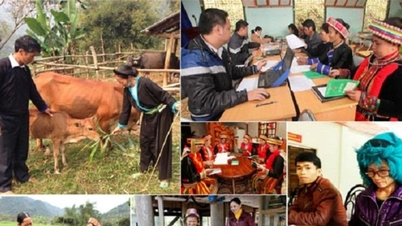
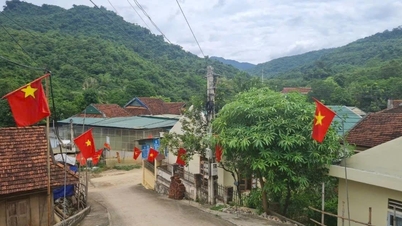
Currently, the grassroots health network in localities is still very difficult, uneven between places, regions, and areas in the country, especially in remote areas, ethnic minority areas and areas with special socio-economic difficulties. The conditions of facilities are not met, machinery, network system equipment, information technology to implement electronic health records for all people is extremely difficult. Along with that is the shortage of doctors, human resources, people who can perform tasks in the electronic environment.
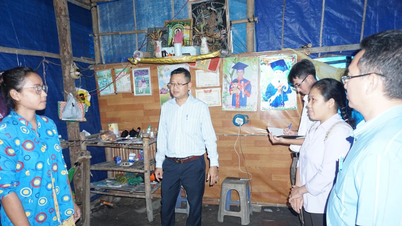
From the survey of the National Assembly Delegation of Phu Tho province, the delegates said that the commune and ward health stations still have difficulties in terms of medical staff, facilities, and equipment that do not meet the requirements for medical examination. There are machines and equipment that are too old, only for formality to ensure the prescribed criteria but cannot be used, there are no doctors to use them, so it is very wasteful, difficult to meet the requirements for initial medical examination and treatment for the people.
From there, the delegates proposed that the Government continue to issue appropriate spending norms and mechanisms and have a roadmap to prioritize investment in human resources and facilities in areas with difficult conditions. At the same time, there must be an appropriate mechanism to train and foster a team of local medical staff, especially those who have worked for many years. These are people who have stayed with the village and determined to stay with the people for a long time.
The delegate also suggested that the draft Resolution should stipulate that by 2026, the creation of electronic health books for all people should be implemented and completed.
In reality, the information technology system at the grassroots level can hardly meet the immediate requirements for creating electronic health records, while in remote areas and ethnic minority areas, most of the elderly do not have smartphones, do not use phones, do not know how to connect to the internet, and cannot use information technology, so the use of electronic health records is very difficult to implement in practice. Therefore, it is necessary to have a longer roadmap, focusing on implementation in areas that meet the requirements for facilities and human resources.
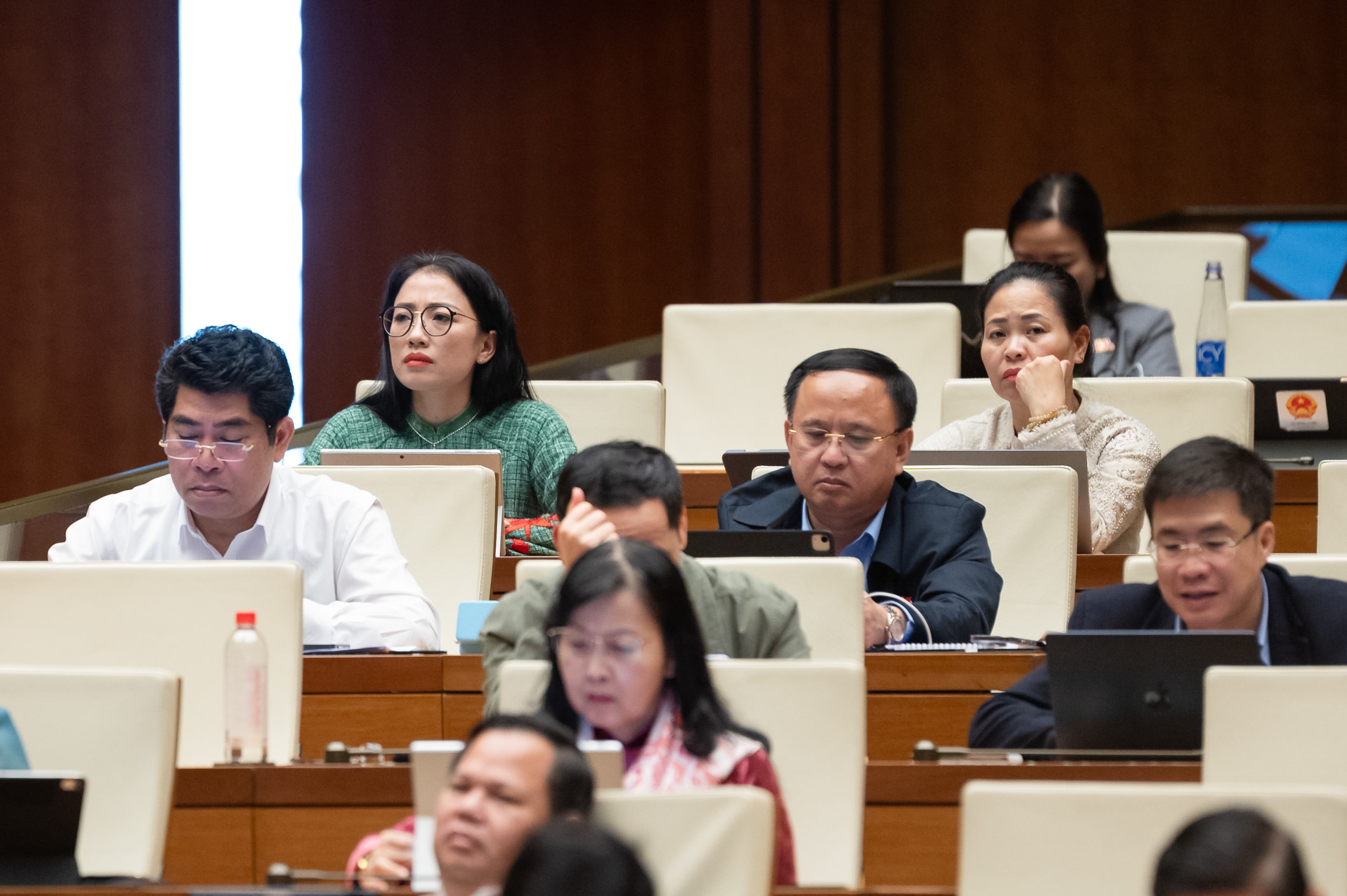
"If the draft Resolution stipulates that the creation of electronic health records for all people must be completed by 2026, it will be unfeasible and create pressure and difficulties for localities in the implementation process," the delegate emphasized.
Delegate Dang Bich Ngoc also said that the draft Resolution should prioritize the first groups of subjects to carry out periodic health check-ups from the beginning of 2026, including: ethnic minority groups in remote, isolated, and particularly difficult areas, poor households, near-poor households, and vulnerable groups, to create conditions for these subjects to access health check-ups, ensuring fairness in access to healthcare nationwide.
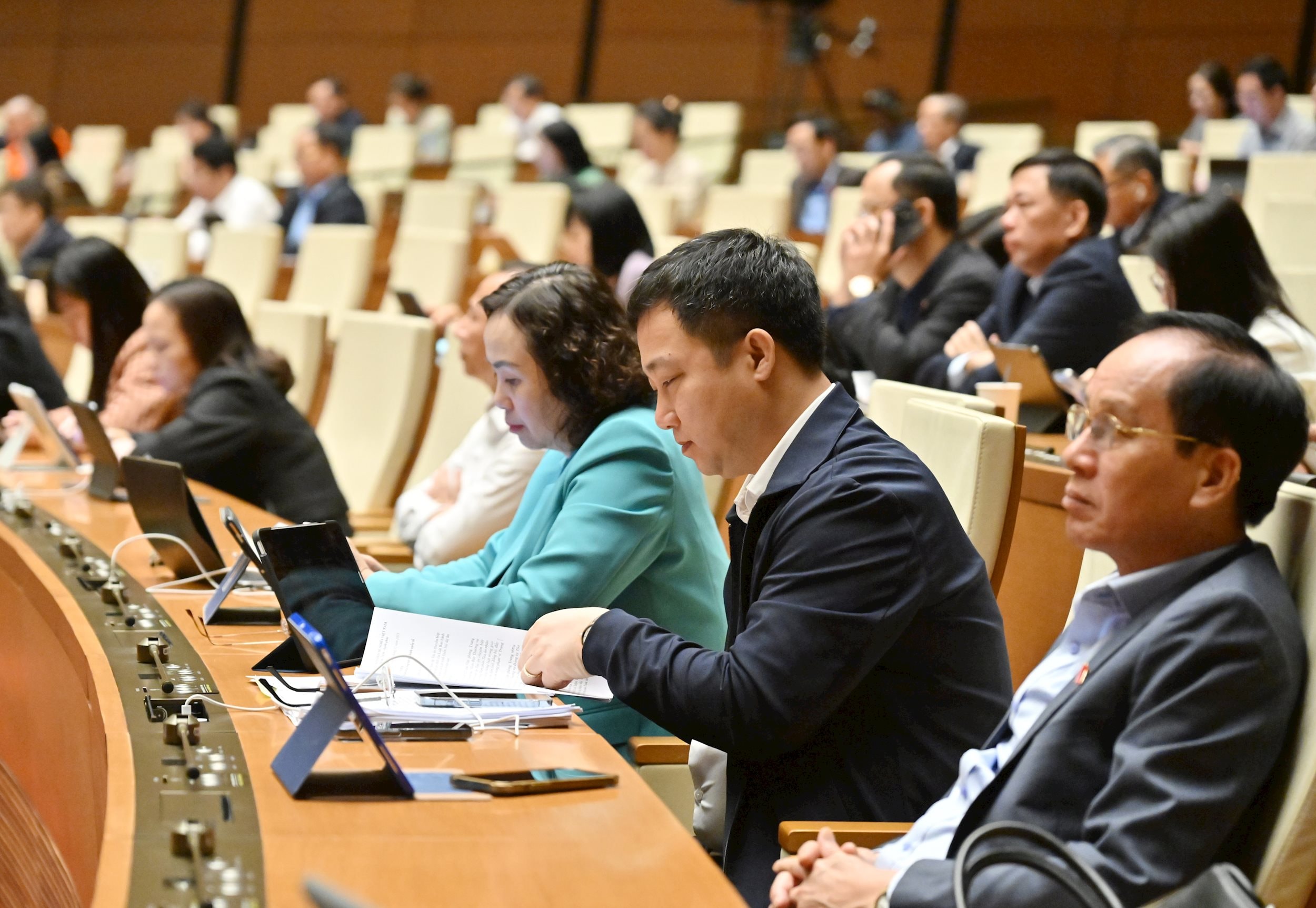
Referring to the salary and allowance policies for medical staff, delegates proposed having breakthrough and specific policies to implement training, fostering and attracting doctors to work in mountainous, remote and border areas.
"To make a breakthrough, in the coming time, it is necessary to have policies to attract specific human resources according to regions; have training and development mechanisms, focusing on developing local human resources, or implementing specific training programs in the form of "hand-holding" for medical staff in remote areas, ethnic minority areas, and areas with difficult economic conditions; promote the application of digital transformation to provide remote medical consultation and treatment," the delegate recommended.
Source: https://daibieunhandan.vn/co-chinh-sach-dot-pha-thu-hut-bac-sy-cong-tac-tai-vung-sau-vung-xa-10397871.html
![[Photo] National Assembly Chairman Tran Thanh Man receives First Vice Chairman of the Federation Council of the Federal Assembly of the Russian Federation](/_next/image?url=https%3A%2F%2Fvphoto.vietnam.vn%2Fthumb%2F1200x675%2Fvietnam%2Fresource%2FIMAGE%2F2025%2F12%2F02%2F1764648408509_ndo_br_bnd-8452-jpg.webp&w=3840&q=75)

















































![[Photo] General Secretary To Lam and his wife attend the 50th Anniversary of Laos National Day](https://vphoto.vietnam.vn/thumb/402x226/vietnam/resource/IMAGE/2025/12/02/1764644139308_1.jpeg)
























Comment (0)