

Vietnam has added 41 border gates allowing entry with e-visas, bringing the total to 83 points, which is expected to relieve pressure on major airports and open the way to welcome high-spending tourists by sea and road.
The Government has just issued Resolution 389, adding 41 international border gates that allow foreigners to enter and exit the country with electronic visas (e-visas). This list includes 4 air border gates, 11 land border gates and 26 sea border gates, bringing the network accepting e-visas to 83 nationwide.
The highlight of this resolution is the emergence of strategic airports and a network of seaports stretching from North to South, forming a closed belt to welcome international visitors.
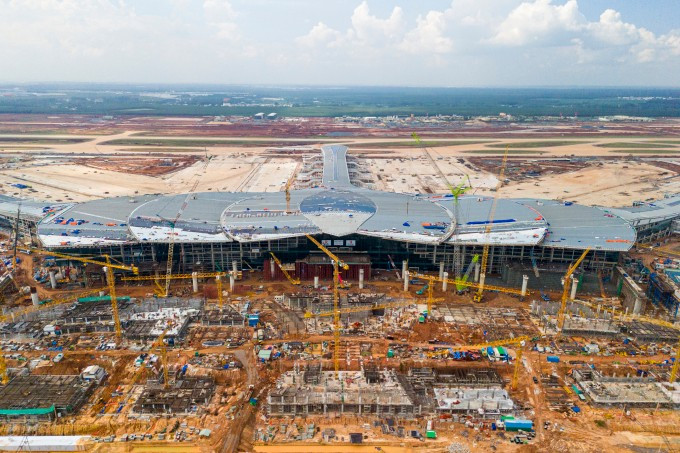
Among the four new airports, Long Thanh (Dong Nai) and Gia Binh ( Bac Ninh ) airports are notable for their "anticipatory" nature. Long Thanh International Airport is in the final stages of operating its first flight in 2026, planned as a "super airport" to reduce the load on Tan Son Nhat.
Meanwhile, Gia Binh Airport, which was started by the Ministry of Public Security in December 2024, is expected to be completed by the end of 2025. The airport has a model to serve the tasks of the Police Air Force Regiment, ensuring security combined with socio-economic development, similar to the model of Phan Thiet Airport.
The two remaining airports are Vinh (Nghe An) and Chu Lai (formerly Quang Nam) which help connect tourists directly to the Central heritage sites without having to transfer through Noi Bai or Tan Son Nhat.
Speaking with VnExpress , Mr. Vu Van Tuyen, General Director of Travelogy Tourism Company, commented that this policy is a signal that Vietnam is modernizing its infrastructure to "roll out the red carpet" to welcome guests.
According to Mr. Tuyen, adding Chu Lai or Vinh airport to the e-visa list will help travel companies easily design direct flights (charter) to bring tourists from Northeast Asia or Southeast Asia directly to resorts in Da Nang and Nghe An. This helps tourists save 3 to 5 hours of waiting for connecting flights, reduce fatigue and increase service experience time.
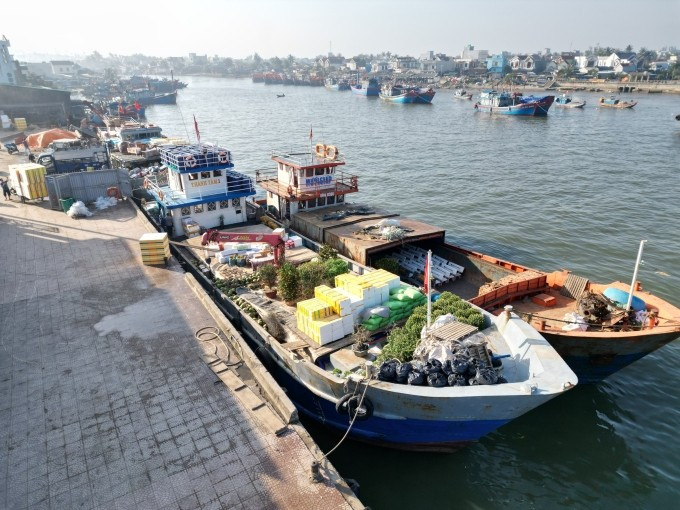
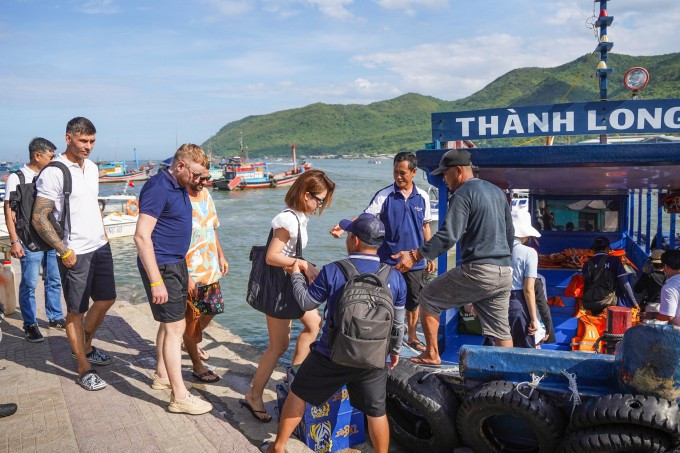
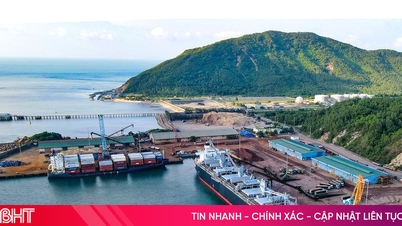
Apart from aviation, the biggest expansion of e-visas this time is at the system of 26 seaports. According to the National Tourism Administration, this is a strategic move to catch the wave of cruise tourism that is recovering strongly after the pandemic. Cruise tourists often come from the US, Europe, and Australia with high spending levels, short stays but require quick procedures.
The widespread acceptance of e-visas at local seaports instead of just a few major ports as before will help shipping lines confidently add more new stops to their trans-Vietnam itineraries.
Experts believe that the newly added group of 11 land border gates will strongly stimulate demand for caravan (self-driving) and cross-border backpacking tourism. Mr. Pham Hai Quynh, Director of the Asian Tourism Development Institute, said that these border gates are mostly located in the northern and central border provinces, which have majestic natural landscapes but previously had few international visitors due to complicated visa procedures at the border gate (visa on arrival) or the lack of e-visa application. The new policy helps to facilitate the flow of tourists from Laos, Thailand and China traveling by road to Vietnam, boosting the border economy.
The most obvious benefit of expanding the e-visa network is the ability to streamline customers right at the "gateway".
In fact, for many years, the overload situation at Tan Son Nhat or Noi Bai airports during peak season has always been a nightmare for international tourists, when the waiting time for immigration procedures can last for hours. Having new entry points allows tourists to land or arrive closer to their desired destination.
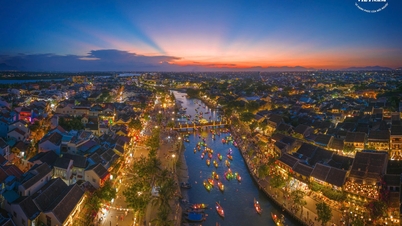
For example, visitors who want to visit Hoi An can fly directly to Chu Lai; visitors who want to explore the caves of Quang Tri and Nghe An can enter through Cua Lo port or Nam Can border gate. This dispersion not only reduces pressure on large cities but also spreads tourism revenue to localities, helping to balance socio-economic development.
From a business perspective, this policy opens up space for new product creation.
With a nationwide network of border gates, travel agencies can design more diverse tours, combining many regions and types (sea, mountain, plain, border, river, cruise, road-trip, rail-tour). This not only helps to extend the length of stay, but also stimulates spending and service consumption in many localities, spreading economic and social benefits.
Multimodal tourism tours such as flying to Vinh, traveling by road to Laos, then re-entering Vietnam through another border gate using an e-visa (because Vietnam's e-visa currently allows multiple entries and exits within 90 days) will become more feasible and attractive.
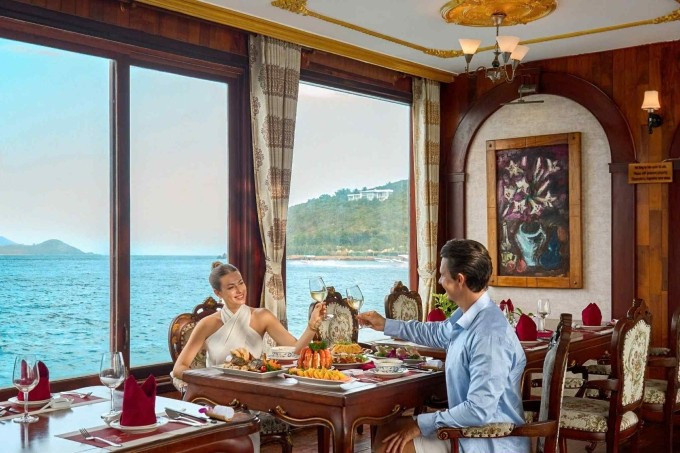
Mr. Tuyen believes that high-end travelers, who prefer privacy and unique experiences, will be the biggest beneficiaries. They can access unspoiled, less populated areas by private yachts or charter flights to small airports without facing legal barriers such as visas.
According to experts, opening the "door" legally is only a necessary condition, the sufficient condition is synchronization of infrastructure and human resources.
Mr. Pham Hai Quynh is concerned about the pressure of security control when the number of border gates increases rapidly. At small or newly added border gates, the passport scanning system, data transmission lines and e-visa processing software need to be equipped in sync with the national system to avoid "network congestion" or manual processing causing delays.
In addition, the image of immigration officers is the first impression of tourists about Vietnam. Therefore, training foreign languages and professional service attitude for the force at these 41 new points is an urgent requirement, avoiding the situation of "open policies but uninformed people".
Tourism infrastructure at new destinations is also a difficult problem. Many land border gates or seaports are located in remote areas, lacking high-end hotels, standard restaurants or night entertainment services.
If there is no quick investment in upgrading the roads connecting the border gate to the inland and rest stops, tourists may only consider this a "passing through" point rather than a "destination" point, reducing the economic efficiency of the policy. Mr. Tuyen recommends that localities with new border gates should proactively re-plan traffic, multilingual signs and have policies to attract investment in ancillary services right now.
Resolution 389 is considered the perfect piece for the open visa policy that Vietnam has pursued since the pandemic.
Previously, from August 2023, Vietnam has applied an electronic visa policy for citizens of all countries and territories, with a stay of up to 90 days and allowing multiple entries and exits. With the expansion to 83 border gates, Vietnam is possessing the most open visa policy in the region, competing directly with Thailand or Malaysia, according to the National Tourism Administration.
According to Mr. Tuyen of Travelogy, having many convenient e-visa entry gates is an "open door". To truly turn Vietnam into an attractive destination for high-spending international visitors, additional policies and investments are needed.
Accordingly, Vietnam tourism needs to continue promoting high-end service segments such as luxury resorts, luxury resorts and spas, health care tourism, golf, yachting as well as private and unique experiences.
The tourism industry needs to improve service quality, train human resources, and provide professional services that meet international standards. Developing "Vietnamese-style" tourism products is also the direction the industry needs to aim for if it wants to bring tourists different and impressive experiences, helping them introduce Vietnam to the world or return many times.
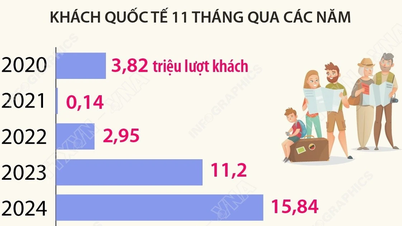
In the context that the tourism industry aims to welcome 25 million international visitors by 2025, and in fact has welcomed more than 17 million in 10 months, the opening of 41 more e-visa border gates is expected to be a lever for Vietnam to not only achieve but also exceed growth targets, "repositioning the national brand as a safe, convenient and diverse destination", Mr. Tuyen said.
Source: https://baohatinh.vn/co-hoi-cho-du-lich-viet-nam-khi-them-41-cua-khau-nhap-canh-bang-e-visa-post300746.html


































































Comment (0)