

 |
Blue Lake (also known as Rotomairewhenua in Māori) is known as the clearest lake in the world . Photo: Janet Newell . |
Hidden deep in Nelson Lakes National Park (South Island, New Zealand), Lake Rotomairewhenua appears with a mystical purple-blue color, fed by the meltwater of Lake Constance. First discovered by the Ngāti Apa, a Māori tribe, this is a sacred place where the remains of the deceased are washed before their souls return to their ancestral home, Hawaiki.
Today, trekkers often speak of the lake’s strange color and calming energy. Just a decade ago, scientists confirmed the lake’s “exceptional optical clarity,” with visibility of 70-80 meters, the clearest ever recorded, making Rotomairewhenua the “clearest lake in the world.”
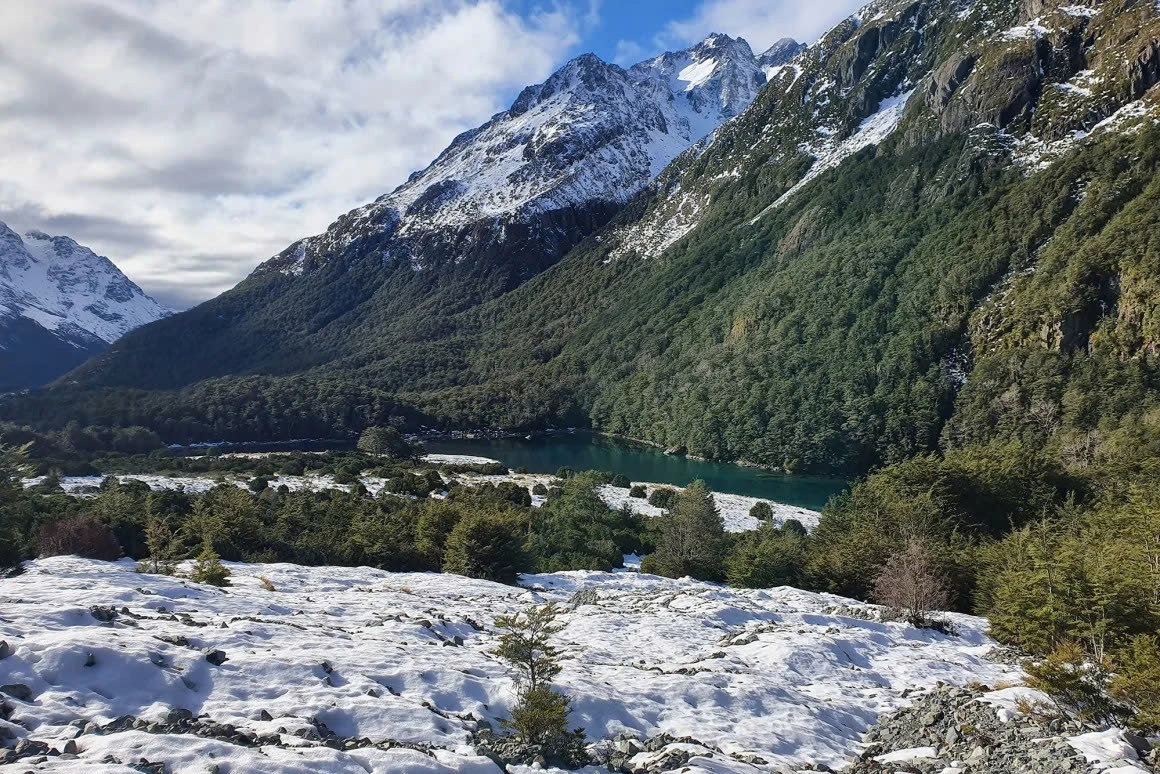 |
The lake is 1,200 m above sea level, located on high mountains surrounded by dense forests. Photo: Janet Newell. |
The name and viral images have turned Rotomairewhenua into a popular tourist destination from December to March. However, the rapid rise in popularity has raised concerns among conservationists and the Ngāti Apa community about the potential impact on the lake's purity.
Since the 2013 study was published, visitor numbers recorded at the lakeside rest stop have more than doubled, mainly from 2-7 day treks or the Te Araroa long-distance trail.
"It used to be a beautiful place but not many people visited. Since the name was introduced, the number of people walking to the lake has increased significantly," Melissa Griffin, biodiversity manager at the New Zealand Department of Conservation, told CNN .
 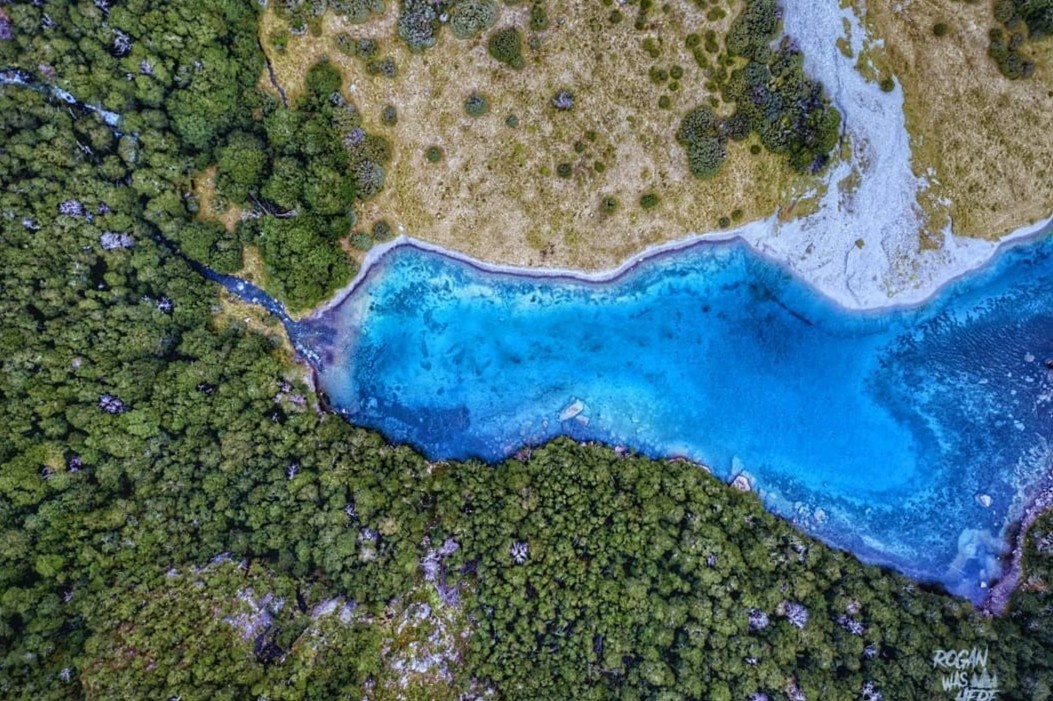  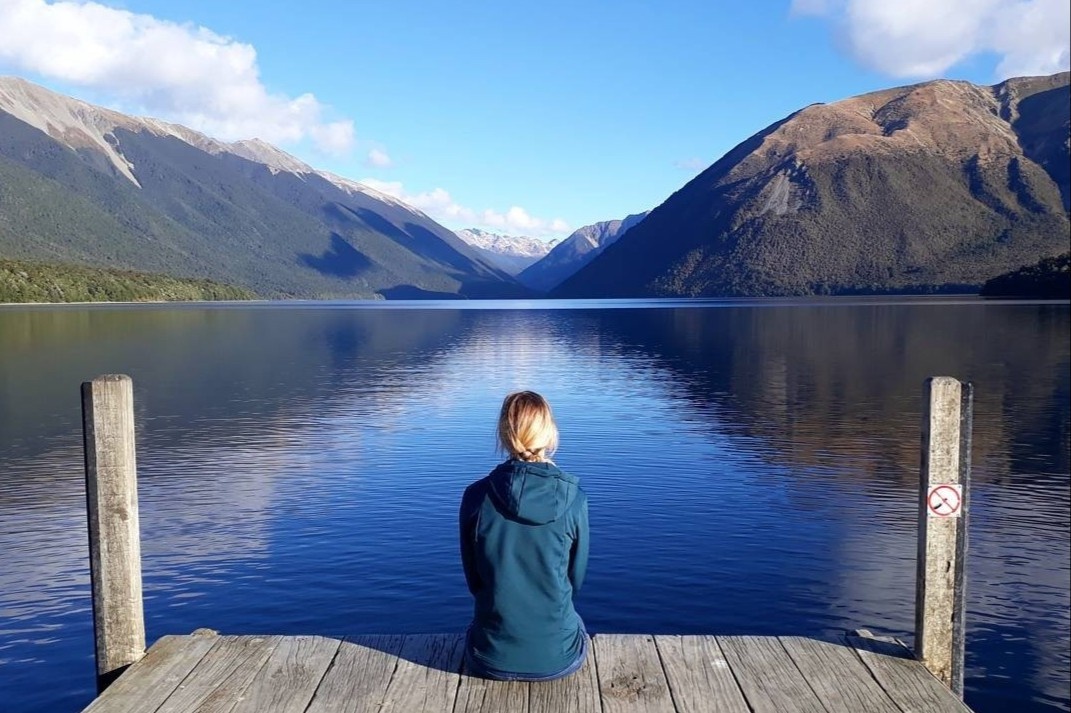 |
The lake's popularity has led to a large number of tourists. Photo: Nastroy, Rogiebeer, Alexwiniata, lisettetimmermans. |
To reduce the risk, the conservation authority has installed shoe cleaning stations and posted signs asking visitors to clean their shoes and equipment before entering Rotomairewhenua. Signs and videos on the trail app also remind visitors not to touch the water, swim, dip towels or place equipment in the lake to limit bio-risk and maintain the sanctity of the sacred site.
Compliance rates have improved, but the survey found a gap between “knowing” and “doing.” Many admitted not cleaning their shoes despite reading the instructions, believing the responsibility lies with “someone else.”
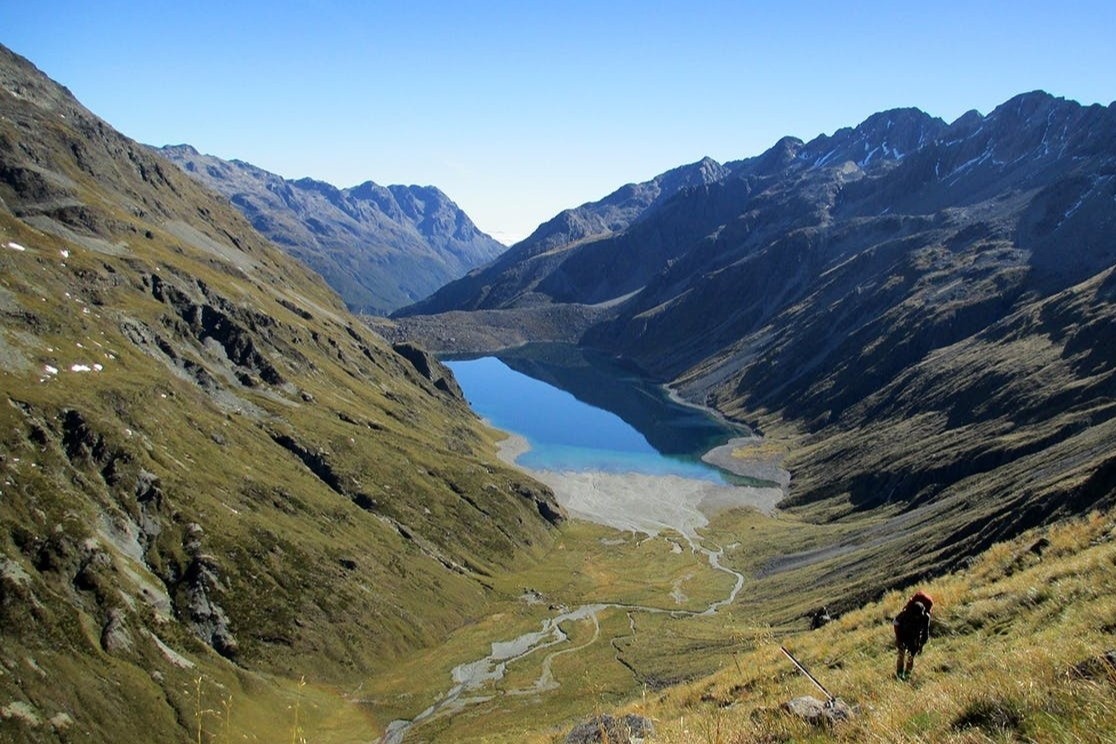 |
Blue Lake is one of New Zealand's most famous natural wonders. Photo: Wilderness. |
Another concern threatening the world's clearest lake is the spread of lindavia, a microscopic algae commonly known as "lake snow" or "lake weed."
The algae has appeared in lakes downstream of Rotomairewhenua and is at risk of being carried back up in visitors' shoes or water bottles.
The algae are not toxic to humans, but produce long, slimy strands called mucilage that can clog fishing lines, boat filters, or hydroelectric systems. In Rotomairewhenua, this slimy film can obscure the lake’s remarkable clarity.
If this invasive species enters the lake, the water and ecosystem will be severely affected. This will be a great loss for Ngāti Apa, as the lake has deep cultural and spiritual significance.
Although they no longer perform the ancient rituals, they still see Rotomairewhenua as a symbol of identity and heritage that needs to be preserved.
Source: https://znews.vn/con-nguoi-va-tao-de-doa-ho-nuoc-trong-nhat-the-gioi-post1607256.html
![[Photo] Parade to celebrate the 50th anniversary of Laos' National Day](/_next/image?url=https%3A%2F%2Fvphoto.vietnam.vn%2Fthumb%2F1200x675%2Fvietnam%2Fresource%2FIMAGE%2F2025%2F12%2F02%2F1764691918289_ndo_br_0-jpg.webp&w=3840&q=75)


![[Photo] Worshiping the Tuyet Son statue - a nearly 400-year-old treasure at Keo Pagoda](/_next/image?url=https%3A%2F%2Fvphoto.vietnam.vn%2Fthumb%2F1200x675%2Fvietnam%2Fresource%2FIMAGE%2F2025%2F12%2F02%2F1764679323086_ndo_br_tempimageomw0hi-4884-jpg.webp&w=3840&q=75)















































































Comment (0)