

1. What are the benefits of mangoes?
According to traditional medicine, mangoes have a sour and sweet taste and a cooling nature; some sources even describe them as neutral. This is a harmonious combination of two basic medicinal properties: the sour taste has astringent and calming effects; the sweet taste is nourishing and soothing; and the cooling nature helps to clear heat and detoxify.
In terms of its meridian pathways, mangoes enter three main meridians: the Liver meridian, the Spleen meridian, and the Stomach meridian. Because they enter these meridians, mangoes have specific effects related to digestion, the liver and gallbladder, and the regulation of qi and blood in the body.
Main medicinal uses: Thanks to its unique properties and meridian affinity, mangoes offer many health benefits. First, mangoes have the effect of tonifying qi and harmonizing the stomach (reducing vomiting and nausea, soothing the stomach). In addition, mangoes are known for their ability to generate fluids, quench thirst, and promote urination, helping the body eliminate toxins through urination.
In daily life, eating ripe mangoes regularly in moderation can help improve digestive function, stimulate appetite, and help cool the body during hot summer days.

Mangoes, with their sweet and sour taste and cooling properties, offer many health benefits.
2. Traditional remedies using mangoes
In the treasury of traditional medicine, there are many remedies that use mangoes to treat illnesses:
1. Remedy for cough, excessive phlegm, and shortness of breath: Use a fresh green mango (with the peel), weighing about 150g - 250g, eat one mango three times a day. The sour and astringent taste of green mango helps to constrict phlegm and reduce coughing.
2. A remedy to aid digestion, relieve indigestion, and reduce bloating: Eat one ripe mango every day. The natural enzymes in ripe mangoes help break down food and reduce the uncomfortable feeling of bloating.
3. A remedy to help treat hemoptysis (coughing up blood), menorrhagia, and intestinal bleeding: Take 30-50g of dried ripe mango peel, boil it into a liquid extract, and drink one teaspoonful every 1-2 hours. Mango peel has astringent properties and is quite effective at stopping bleeding.
4. Treating bleeding gums and gingivitis: Take about 20g of dried ripe mango peel, boil it with 200ml of water until only 100ml remains, and use this liquid to gargle and rinse your mouth several times a day.
5. Relieves coughs and sore throats: Wash fresh mango peels, boil them to make a concentrated decoction, add a little salt, and use it as a mouthwash.
6. Sunstroke and thirst: Peel and slice green mangoes, then boil them with water and rock sugar. Drinking this decoction helps replenish electrolytes and cool the body effectively.
7. Treatment for intestinal worms: Dry mango seeds, grind them into powder, and take 1–2g daily with warm water early in the morning on an empty stomach.
8. Treatment of diarrhea and dysentery: Take dried mango kernels (10g) and boil them in water to drink, or grind them into a fine powder and take 2g twice a day.
9. Treatment for menorrhagia and blood deficiency (in women): Roast mango seeds until golden brown, grind into powder, and take 10g each time with warm water.
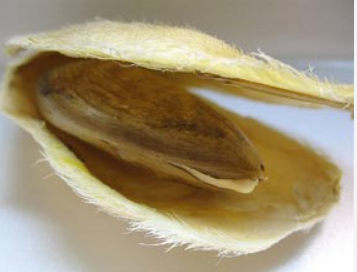
Mango seeds are used to treat intestinal worms, dysentery, postpartum hemorrhage, and other ailments.
3. Notes on using mangoes
Despite its many uses, mangoes shouldn't be consumed indiscriminately by everyone. Traditional medicine indicates that certain groups should exercise caution:
- People suffering from diarrhea or those with weak spleen and stomach (cold stomach) should avoid mangoes because their cooling properties and high fiber content can worsen their condition. Those with boils, ulcers, or skin diseases should also avoid mangoes because they belong to the group of foods that "generate dampness and heat," potentially causing inflammation to spread.
- People with diabetes should only eat very small amounts, no more than 200-300g per day, or prefer green mangoes to avoid sudden spikes in blood sugar. People with kidney disease also need to limit their consumption due to the relatively high potassium content in mangoes.
Additionally, it's important to note that mangoes should not be eaten with seafood (which can easily cause allergies and indigestion) or with alcohol (which can harm the kidneys and stomach). Some people with sensitive constitutions may be allergic to the sap in the mango peel, causing itching and rashes, so they should be thoroughly washed and peeled before eating.
Source: https://suckhoedoisong.vn/cong-dung-chua-benh-cua-qua-xoai-16926042814392975.htm








































































































Comment (0)