

Meta postpones mixed reality glasses to 2027
Meta is developing a new line of mixed reality glasses, codenamed Phoenix. The product was originally planned to launch in the second half of 2026, but has now been pushed back to the first half of 2027.
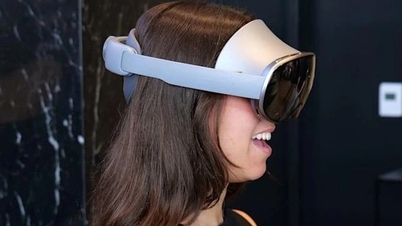
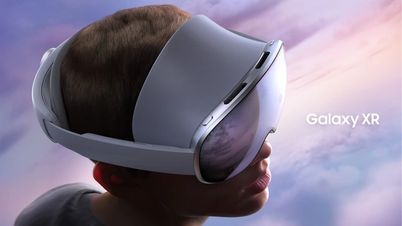
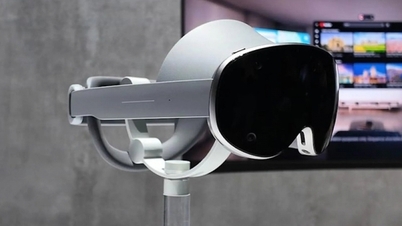
Unlike the Ray-Ban smart glasses or VR headsets that Meta is selling, Phoenix is said to have a similar design to Apple Vision Pro, with a separate “puck” power supply. This is considered a big step forward in the company's metaverse strategy.

Meta CEO Mark Zuckerberg with a sample of the company's virtual reality glasses. (Source: Getty Images)
The delay stems from CEO Mark Zuckerberg’s decision to take more time to ensure the product is high quality and the business model is sustainable. Meta’s metaverse leaders say the delay will give them more “breathing space” to finalize the details.
The move comes as Meta recently announced plans to cut its metaverse budget by 30%. This shows that the company is adjusting its strategy, focusing on efficiency and user experience instead of chasing progress.
Google's monopoly power is being reduced
A federal judge in the US has just ruled that Google must limit the terms of contracts to make its search and AI services the default on devices to one year. This means that Google will have to renegotiate agreements with partners every year, creating a fairer opportunity for competitors.
The new ruling comes after the US Justice Department accused Google of maintaining a monopoly by paying companies like Apple to make its search engine the default. In September, Judge Amit Mehta ordered Google to end exclusive agreements and share some of its search data with rivals to narrow the gap in scale.
Notably, the court did not force Google to sell its Chrome browser as originally proposed by the Justice Department, but the contract and data sharing restrictions are seen as an important step in reducing the monopoly power of this corporation.
Micron withdraws from consumer memory card market
Micron Technology Group has announced that it will stop selling computer memory cards to the consumer market. The decision is to focus resources on the AI data center sector, where demand for memory and storage is growing rapidly. According to Sumit Sadana, Micron's chief business officer, the withdrawal from the consumer business will help the company secure supplies for strategic customers in faster-growing segments.
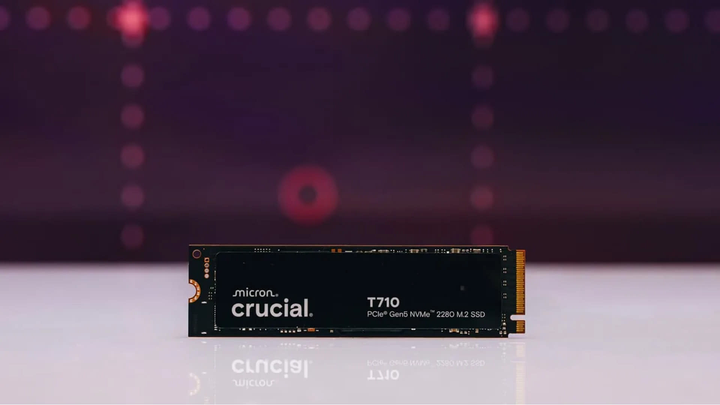
Micron and its Crucial brand are household names in the RAM and SSD space. (Source: PCMag)
For decades, Micron and its Crucial brand have been a household name in RAM and SSDs. Ron Siemion, owner of Trusted IT, a computer repair shop in Champaign, said he has been ordering parts from Crucial every week for 30 years. He wasn’t surprised by the shift to AI, but he worries it will negatively impact Crucial’s software-dependent business.
Micron said it will continue to ship Crucial RAM and SSDs through February 2026. After that point, consumers will no longer be able to buy memory products from Micron, marking the end of an era for the brand that has long been associated with the personal computer market.
Source: https://vtcnews.vn/cong-nghe-7-12-meta-hoan-ra-mat-kinh-hon-hop-google-bi-gioi-han-doc-quyen-ar991495.html

































































































Comment (0)