

On May 22nd, the Vietnam Security Summit 2026 officially took place with the theme "Protecting the Digital Future in the Post-Quantum & AI World ," bringing together regulatory agencies, technology experts, and cybersecurity businesses from Vietnam and internationally.
The event, organized by the National Cybersecurity Association in collaboration with IEC Group and related organizations, takes place against the backdrop of AI and quantum computing profoundly changing the global cybersecurity landscape.

AI has become a "double-edged sword" for cybersecurity.
According to the organizers, artificial intelligence (AI) is having a dual impact on the field of information security. On the one hand, AI helps businesses detect attack risks early, automate operations, and optimize data analysis.
However, conversely, this technology is also being exploited by hackers to create phishing, ransomware, and identity spoofing attacks with unprecedented sophistication.
Furthermore, the development of quantum computing is considered to have the potential to disrupt current traditional encryption standards, forcing countries and businesses to quickly develop new defense strategies, moving towards the era of post-quantum cryptography.
In this context, the Vietnam Security Summit 2026 is organized to create a forum connecting regulatory agencies, organizations, businesses, and technology experts to discuss strategies for data protection, ensuring digital infrastructure security, and enhancing resilience against cybersecurity threats in the AI and post-quantum era.
Therefore, the event aims to promote cooperation, share experiences, and update on advanced cybersecurity trends and solutions, contributing to protecting the digital economy and building sustainable digital trust.
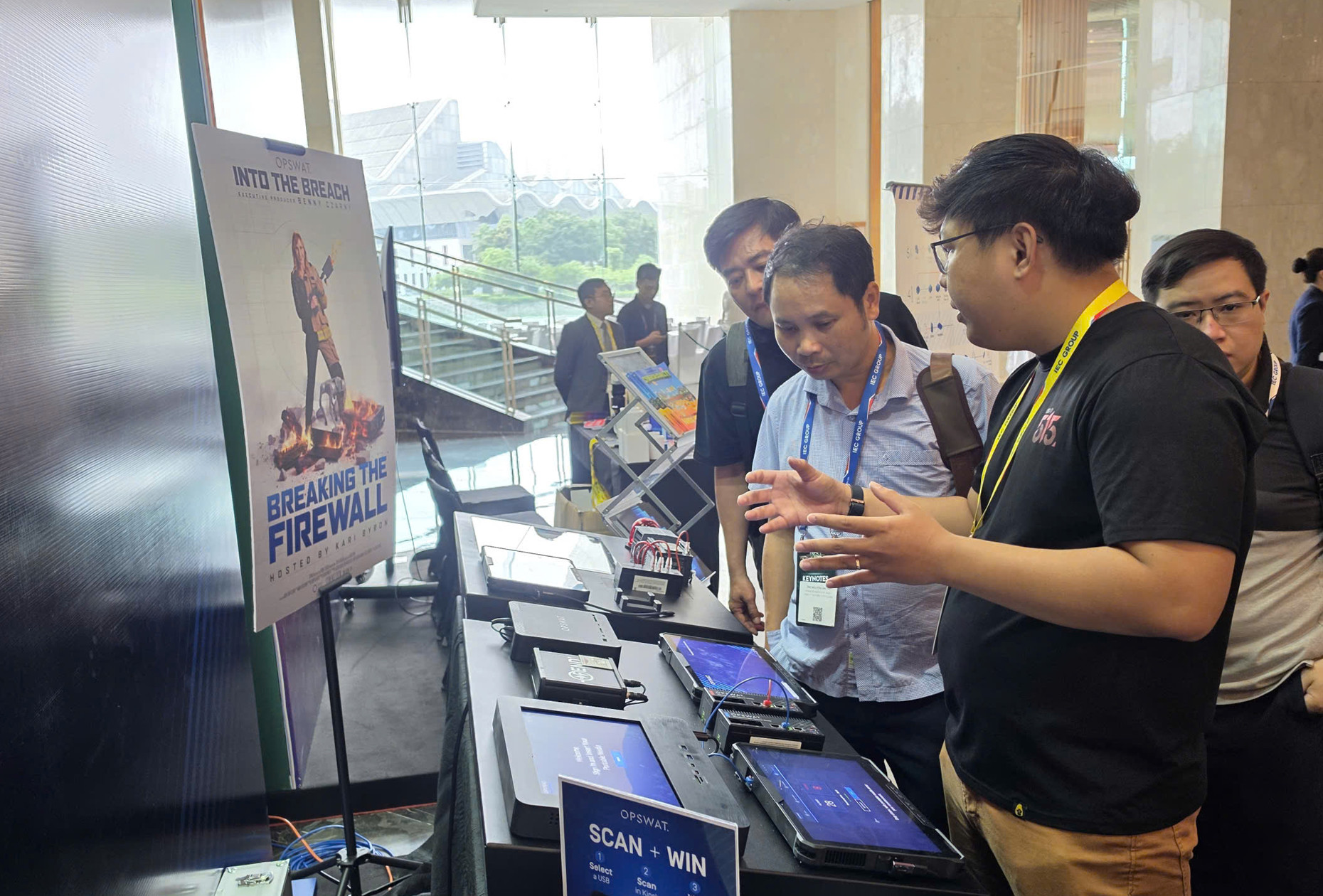
Bringing together many leading experts in cybersecurity and AI.
The highlight of the event was the plenary session themed "Protecting the Digital Future in the Post-Quantum & AI World".
Speaking at the event, Colonel Nguyen Hong Quan, Deputy Director of the Cyber Security and High-Tech Crime Prevention Department, Ministry of Public Security , emphasized that digital transformation is taking place vigorously and digital technology is becoming the foundation for the operation of society. However, this is accompanied by increasingly sophisticated cyberattacks. Current practice shows that cyberattack activities are trending upwards in scale, sophistication, and cross-border nature. Notably, cybercriminals have begun to utilize AI to carry out fraud, impersonation, malware distribution, and organize targeted attacks on agencies, organizations, businesses, and individuals.
Many new forms of cyberattacks, such as deepfake, voice spoofing, data theft, account hijacking, and financial fraud, are causing very serious consequences, directly affecting assets, business operations, and public trust in the digital environment.
According to Mr. Nguyen Hong Quan, the rapid development of quantum technology in the near future is also posing new challenges to traditional security systems.
Many current encryption methods are at risk of no longer being secure against the processing power of quantum computing.
This shows that the current requirement is not only to respond to immediate threats, but also to proactively prepare cybersecurity capabilities for the next phase.
"Agencies, organizations, and businesses need to further enhance their awareness of cybersecurity; proactively invest in technology, human resources, and risk management capabilities; and strengthen coordination with relevant agencies to promptly prevent, detect, and address threats early and remotely. In addition, it is necessary to strongly promote the development of a national cybersecurity ecosystem in a proactive, synchronized, and sustainable manner; in which coordination between state management agencies, technology companies, research organizations, and the cybersecurity expert community needs to be strengthened," said Mr. Nguyen Hong Quan.
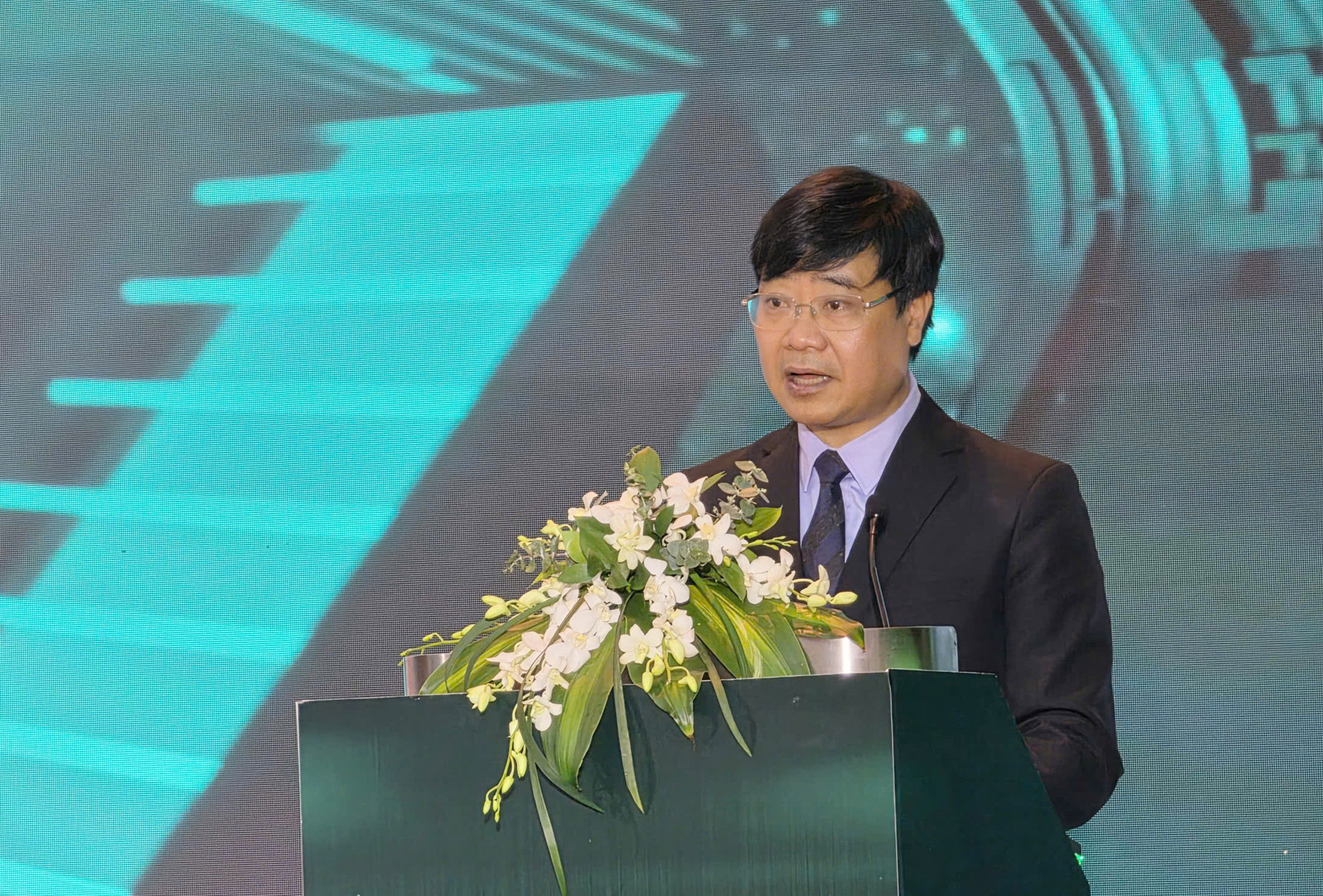
Continuing his remarks at the event, Major General Nguyen Tung Hung, Deputy Commander of the Cyber Warfare Command, Ministry of National Defense, emphasized: "We also see that today's topic addresses the era of quantum mechanics and AI. We are facing 'collect first, decode later' strategies from countries possessing technologies such as quantum technology."
The plenary session continued with keynote presentations from international regulatory bodies and technology companies.
Major Tran Trung Hieu, Deputy Director of the National Cyber Security Center and Director of the VNCERT Center, Department of Cyber Security and High-Tech Crime Prevention, Ministry of Public Security, presented the topic "Shaping Cyber Security Priorities: Key Trends for 2026 and Beyond".
At this event, Philip Dimitriu, Senior Director for Asia-Pacific and Japan at Sophos, presented "Mastering Cybersecurity Threats," emphasizing the challenge of enhancing the ability to control, monitor, and respond to increasingly complex threats in the digital transformation process.
Mr. Lee Sang Yoon, Head of Global Business at PIOLINK INC, presented the report "Cloud-based AI: The New Confrontation Between Cybersecurity Attacks and Defenses," focusing on the risks arising from hybrid, multi-cloud environments and the increasing number of AI-based attacks.
One of the key topics discussed at the conference was the issue of AI agent security in enterprise environments.
Mr. Mai Xuan Cuong, representing Viettel, stated that as AI agents become increasingly involved in system operations, businesses will face many new security challenges related to data access, model monitoring, and risk control.
From an AI governance perspective, Mr. Nguyen Tuan Khang, Head of Data & AI at IBM Southeast Asia, shared insights on building reliable AI, emphasizing the role of data governance and AI model monitoring in modern businesses.
The high-level panel discussion, moderated by Mr. Do Ngoc Duy Trac, CEO and founder of VinCSS, also attracted the participation of representatives from many large enterprises such as Masan, Ford Vietnam, and VietinBank.

Focus on protecting data and digital identities.
Against the backdrop of organizations and businesses accelerating digital transformation while facing increasing risks of data leaks, identity fraud, and targeted attacks, the first thematic workshop, themed "Ensuring Data and Identity Security: Building Trust in the Digital Ecosystem," offers strategic perspectives, practical experiences, and technological solutions to protect data and digital identities and enhance resilience in the modern digital environment.
Key areas of focus include: data security governance, digital identity protection, organizational and user responsibilities, building trust in automated payment transactions, preventing data leaks, and enhancing digital resilience and adaptability.
Ms. Dao Thu Thao, CEO of WEEDS VINA, shared the Blackbox Series solution, which helps businesses identify and manage risks throughout the entire data lifecycle and flow – from collection and processing to completion.
In addition, Ivo Gajdica, Head of Cybersecurity Services at EmbedIT, will provide a completely new perspective on external risks such as shadow IT, brand impersonation, and data leaks – factors often beyond the observation of internal security teams. He will also share approaches to detecting external vulnerabilities in real time and deploying rapid responses.
From a business perspective, Mr. Nguyen Dinh Toan, Head of Information Security at Vietnam Maritime Commercial Bank (MSB), will share insights on the challenges of data protection in organizations with high growth and digital transformation rates, and propose policy directions to balance security, compliance, and operational innovation requirements.
The final discussion session of the program brought together representatives from the State Bank of Vietnam, Vietcombank, Visa, Thales, and Imperva, focusing on solutions for building digital trust and protecting the data ecosystem in the age of AI and post-quantum technology.
Source: https://vietnamnet.vn/bao-ve-tuong-lai-so-trong-ky-nguyen-hau-luong-tu-va-ai-nong-tren-ban-nghi-su-2518165.html
































































































Comment (0)