

The “gold mine” of the creative economy
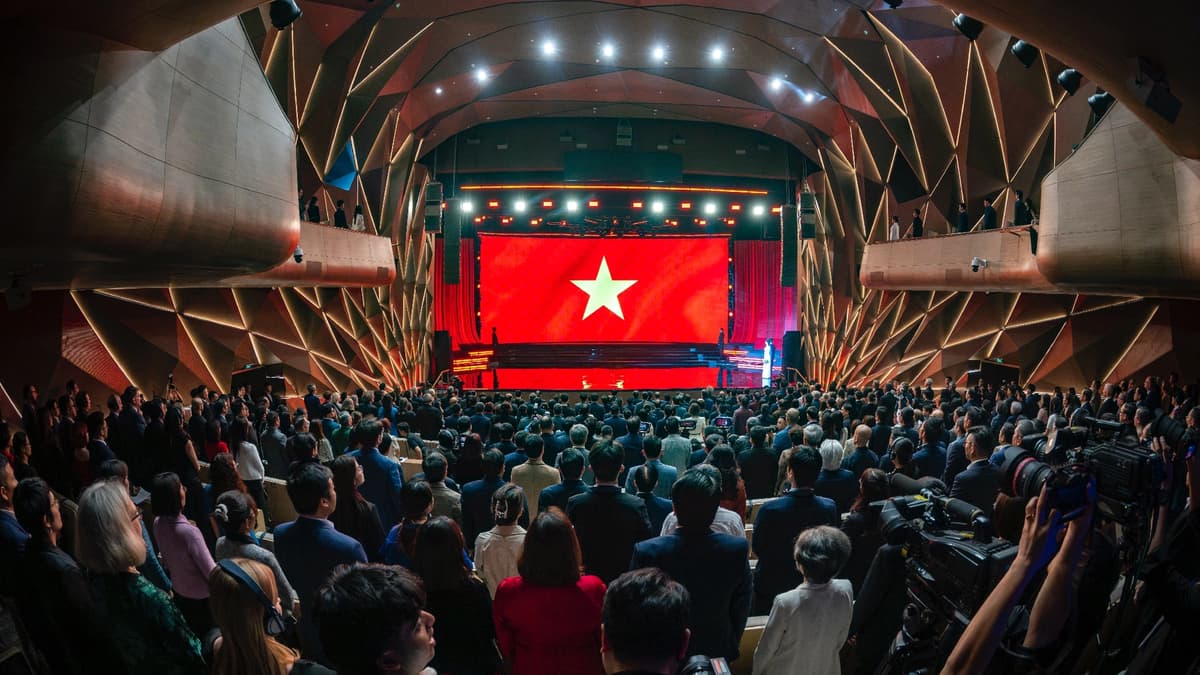
On November 14, 2025, the Prime Minister signed Decision 2486/QD-TTg, approving the Strategy for the development of Vietnam's cultural industries to 2030, with a vision to 2045 (Strategy). This is a landmark document. For the first time, Vietnam clearly identified the cultural industry as an economic pillar with specific orientations, goals, industries, policies and implementation roadmap.
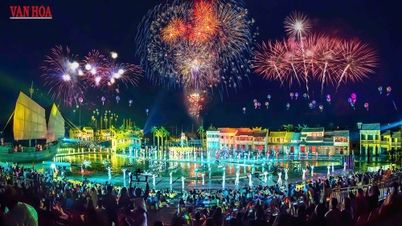
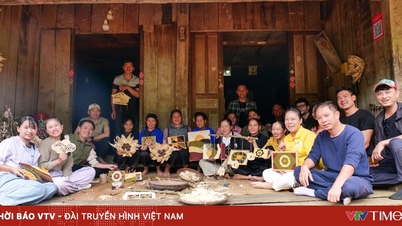
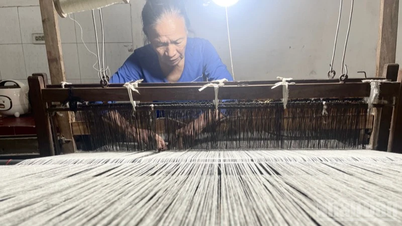
Specifically, according to the Strategy, Vietnam's cultural industries include: Cinema; Fine arts, photography and exhibitions; Performing arts; Software and entertainment games; Advertising; Handicrafts; Cultural tourism ; Creative design; Television and radio; Publishing. These are industries that create products that combine cultural, creative, technological and intellectual property elements, meeting the people's consumption and cultural enjoyment needs and in line with the goals of international integration and sustainable national development.
“Developing the cultural industry into important economic sectors, striving for high growth and increasing export turnover of cultural industry products in key and focal areas; contributing to promoting and spreading the historical, cultural and people values of Vietnam and affirming the national brand and position in the international arena. Developing the entertainment industry to meet the diverse entertainment needs of people and tourists; strengthening community connections, honoring media values and exporting entertainment industry products to the world”, the Strategy sets out the general goal.
The target by 2030 is that the cultural industries will achieve an average growth rate of about 10%/year and contribute 7% of the country's GDP. The labor force in the cultural industries will increase by 10%/year on average, accounting for 6% of the total labor force of the economy. The growth rate in the number of economic establishments operating in the cultural industries will reach an average of 10%/year. Strive for an average growth rate in export value of the cultural industries to reach 7%/year...
The goal by 2045 is to strive for sustainable development of Vietnam's cultural industries, in which revenue contributes 9% of the country's GDP, labor accounts for 8% of the total labor force of the economy, the scale of digital cultural industry products accounts for over 80% of cultural industry products, the growth in export value of cultural industries reaches 9%/year and becomes a developed country in cultural industry and entertainment industry in the Asian region, affirming Vietnam's position on the world cultural industry map.
Legal corridors turn cultural advantages into economic strength
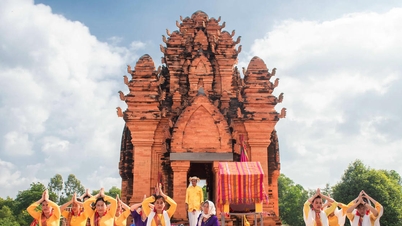
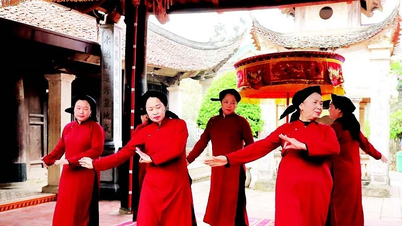
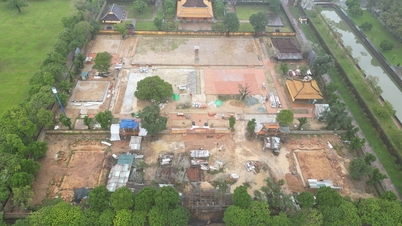
Why did Vietnam first clearly identify the cultural industry as an economic pillar? To answer this question, we need to start from the perspective of the unique advantages of Vietnam's cultural industry. First of all, our country has a very diverse cultural resource, heritage, and identity, from relics, tangible and intangible heritage; folk songs, traditional musical instruments; folk arts; ethnic cultures; to traditional crafts, cuisine... This is a great advantage for developing cultural industries in the priority list of the Strategy. Not only do these cultural and identity elements have intrinsic value, they are also “soft values” that help Vietnam differentiate itself in the global market, when consumer trends are moving towards experience, identity, and creativity, instead of just material things.

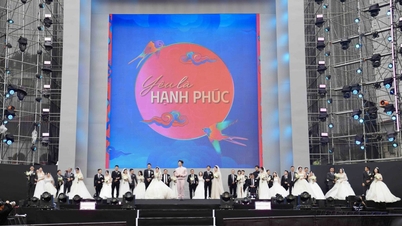
One of the goals of the Strategy is to “develop the entertainment industry to meet the diverse entertainment needs of the people”. The target audience of the entertainment industry is the young population with a huge demand for cultural and entertainment consumption. Vietnam has a high proportion of young, dynamic population with easy access to technology, which is a favorable condition for the development of modern entertainment industries such as cinema, entertainment game software, advertising, media, and performing arts. Along with that, life is improved, the need to enjoy culture, entertainment, and creativity is increasing sharply. This is a huge domestic market driver, helping the entertainment industry not only serve exports but also primarily meet domestic needs, from entertainment, aesthetics to the need for identity and cultural experiences.
In the context of the global fuel crisis leading to the economic crisis, the cultural industry, by its nature a creative industry, produces products and services based on identity, intelligence, art, and technology, so it has the advantage of being "clean", not consuming too many natural resources, and less dependent on mineral resources. At the same time, cultural products often have very high added value: a movie, a game, a design, a handicraft product can be reproduced, consumed many times, widely spread, and export value can be easily increased. This is the type of economy that is suitable for the trend of sustainable development, creative economy and easy international integration...
This is the goal in the Plan for implementing the Cultural and Sports Facility Network Planning for the 2021-2030 period, with a vision to 2045, recently issued by the Ministry of Culture, Sports and Tourism. The above Plan aims to effectively implement Decision No. 991/QD-TTg dated September 16, 2024 of the Prime Minister approving the Cultural and Sports Facility Network Planning for the 2021-2030 period, with a vision to 2045. According to the Plan, by 2045, the national cultural and sports facility network will be developed in a balanced manner, becoming a brand, representing an advanced culture with a strong identity; The Ministry of Culture, Sports and Tourism advocates developing a network of cultural and sports facilities associated with market mechanisms, as a resource for developing the cultural industry and sports economy.
In order for the cultural industry to be an economic pillar, Decision 2486/QD-TTg dated November 14, 2025 is considered a legal corridor and long-term orientation to turn cultural advantages and creative potential into economic strength. This is also the basis for the cultural industry to not be fragmented, but to develop systematically, sustainably and competitively. With the set targets, if achieved, the cultural industry will contribute significantly to GDP, create many high-quality jobs, and reduce pressure on traditional industries. This is a trend that many developed countries have been following.
However, it is also necessary to look directly at the difficulties and challenges in implementing the Strategy. First of all, although Decision 2486 exists, to turn it into reality, it is necessary to improve many institutional steps, investment incentive policies, intellectual property protection, creative space planning, business support... which are currently still fragmented and scattered.
CNVH requires people with diverse skills: art, technology, marketing, management, export, content production. Vietnam currently does not have a strong enough human resource in both quantity and quality to meet the proposed scale.
The international market is demanding, requiring products with high standards in content, technology, and brand. If domestic products cannot meet these standards, it will be difficult to reach the global market. In addition, when culture is turned into a commodity, there is a risk of "commodifying identity", which means reducing spiritual value, turning heritage into a consumer product, and losing cultural depth if there is no appropriate orientation.
To develop the culture industry, it is necessary to overcome the barriers of regional differentiation, which can easily cause inequality. Developed areas such as big cities and centers are more likely to benefit than remote, rural, and mountainous areas that are disadvantaged. Without support, it will lead to gaps in cultural and economic development, uneven advantages, etc.
As mentioned above, culture can only develop on the basis of intrinsic values, cultural elements, and Vietnamese identity. That is why many comments on the draft documents of the 14th Congress emphasized the issue of promoting the strength of Vietnamese culture and people.
Editor-in-Chief of the Culture and Arts Magazine, Ministry of Culture, Sports and Tourism Hoang Ha affirmed that for the first time, our Party has determined to build and develop an advanced Vietnamese culture, imbued with national identity, synchronously based on the national value system, cultural value system, family value system and Vietnamese human standards. These are new and fundamental viewpoints in the draft document, demonstrating the development in theoretical thinking of our Party. This core viewpoint is not only drawn from the nation's thousands of years of precious cultural traditions, as well as through the rich practice of the Vietnamese revolution, but also originates from the great achievements of today's renovation and deep international integration.
Associate Professor, Dr. Bui Hoai Son, full-time member of the National Assembly's Committee on Culture and Society, commented that the Draft Documents of the 14th National Party Congress this time have many new points, demonstrating an important development in the Party's theoretical thinking and action orientation on culture and people. One of those new points is that culture is officially established as being on par with economics, politics and society.
According to Associate Professor Dr. Bui Hoai Son, although the Draft Document of the 14th Party Congress on culture has many important new points, it still needs to be further improved to truly become a strategic orientation with high feasibility. Commenting on this Draft Document, Mr. Bui Hoai Son said that it is necessary to further specify the Vietnamese value system in the new period; there must be clear solutions to overcome the situation of inadequate investment in culture, in which the Document needs to supplement specific budget targets, mechanisms to encourage public-private cooperation and socialization, as well as clearly stipulate the responsibility for resource allocation of each level and each sector; there needs to be stronger policies for the development of digital culture and cultural industry...
Source: https://baophapluat.vn/cong-nghiep-van-hoa-mot-tru-cot-cua-nen-kinh-te.html














![[Photo] National Assembly Chairman Tran Thanh Man attends the VinFuture 2025 Award Ceremony](/_next/image?url=https%3A%2F%2Fvphoto.vietnam.vn%2Fthumb%2F1200x675%2Fvietnam%2Fresource%2FIMAGE%2F2025%2F12%2F05%2F1764951162416_2628509768338816493-6995-jpg.webp&w=3840&q=75)



















































Comment (0)