

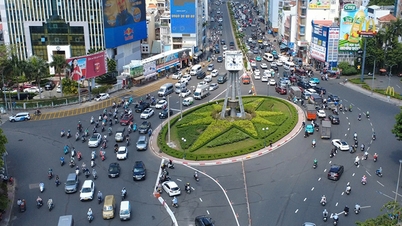
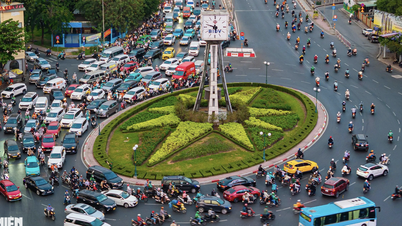
It's easy to see that, over the years, along with the proliferation of high-rise buildings, the image of congested traffic jams in smog during rush hour in Hanoi remains a persistent problem, causing frustration for residents. The pace of development of the city's transportation infrastructure has not kept up with the skyrocketing number of private vehicles, creating significant pressure on urban infrastructure.
The root cause lies not only in the number of vehicles but also in the lack of coordinated planning and implementation. To thoroughly address this problem, Hanoi cannot rely solely on temporary solutions such as rerouting traffic or installing more traffic lights; it needs a groundbreaking and long-term strategy. Recently, the city has implemented many major policies with a 100-year planning vision, from expanding urban space through multi-layered planning; developing an urban rail system seamlessly connected to the bus network; expanding smart parking facilities; to focusing on improving urban discipline and order.
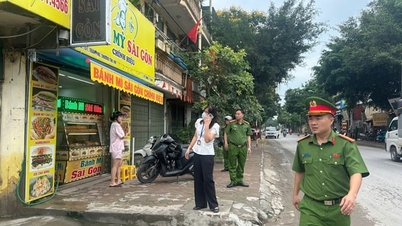
The wards and communes have identified and addressed the issue of urban order violations as a key and ongoing task, moving beyond mere "on-the-spot" enforcement campaigns. The city is also actively applying technology in urban management, such as installing cameras for automated traffic enforcement and managing parking lots via applications to minimize manual intervention and reduce negative practices.
Notably, on May 11th, at its second session (special session), the 17th Hanoi City People's Council passed a Resolution amending the regulations on temporary use fees for roads and sidewalks in Resolution No. 06/2020/NQ-HĐND. Accordingly, the maximum temporary use fee for roads and sidewalks in Hanoi for car parking is 400,000 VND/m2/month; for bicycle and motorbike parking, the maximum is 220,000 VND/m2/month… Renting out sidewalks is considered a practical step, shifting the management mindset from "prohibition" to "management and creation".
Renting out sidewalk space has positive impacts. Firstly, economically , it generates revenue for local budgets to reinvest in urban infrastructure; secondly, in terms of urban order management, the fee forces users of roads and sidewalks to comply with conditions such as: not affecting traffic, allocating a portion of the sidewalk for pedestrians, and keeping the remaining part of the road clear... thereby contributing to restoring order and urban aesthetics; thirdly, socially, it creates greater fairness and transparency, avoiding situations where some people use the space illegally while others have to ask for permission...
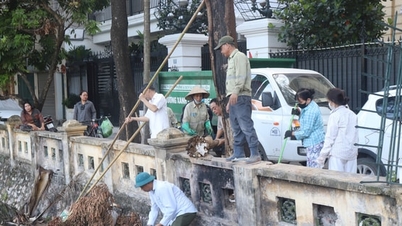
However, no technical or planning solution will achieve the desired results without the consensus and awareness of the people. The city government has been demonstrating its leadership role through transparency, decisiveness, and development policies that put the people at the center.
Removing traffic bottlenecks and restoring urban order in Hanoi is a challenging journey requiring perseverance. Success necessitates a strong commitment from leaders at all levels, management agencies, and the collective efforts of every citizen of the capital. A sufficiently powerful impetus from a combination of long-term planning, modern technology, and strict discipline will be the key to creating a civilized living space for Hanoi. This is not just a task related to traffic and urban development, but also a commitment to achieving the comprehensive strategic vision of building a cultured, civilized, modern, and happy capital city.
Source: https://hanoimoi.vn/cu-hich-cho-kien-tao-do-thi-749815.html






























































































Comment (0)