

Nem Lau – a delicious and unique specialty that customers “can’t bear to eat”
Nem lau (also known as nem bi lau, bi lau) is a unique dish, once famous in the river region of the West, especially in the coconut land of Vinh Long (old Ben Tre province).
Accordingly, people will use coconut leaves (old or young coconut leaves are fine) and weave them into a tower shape, with many floors above and a hollow compartment below to hold the spring rolls.
To make nem lau, locals can use nem chua or nem bi, but nem bi is often preferred. Because after pre-processing, all the ingredients are already cooked, just wait a few hours to enjoy.
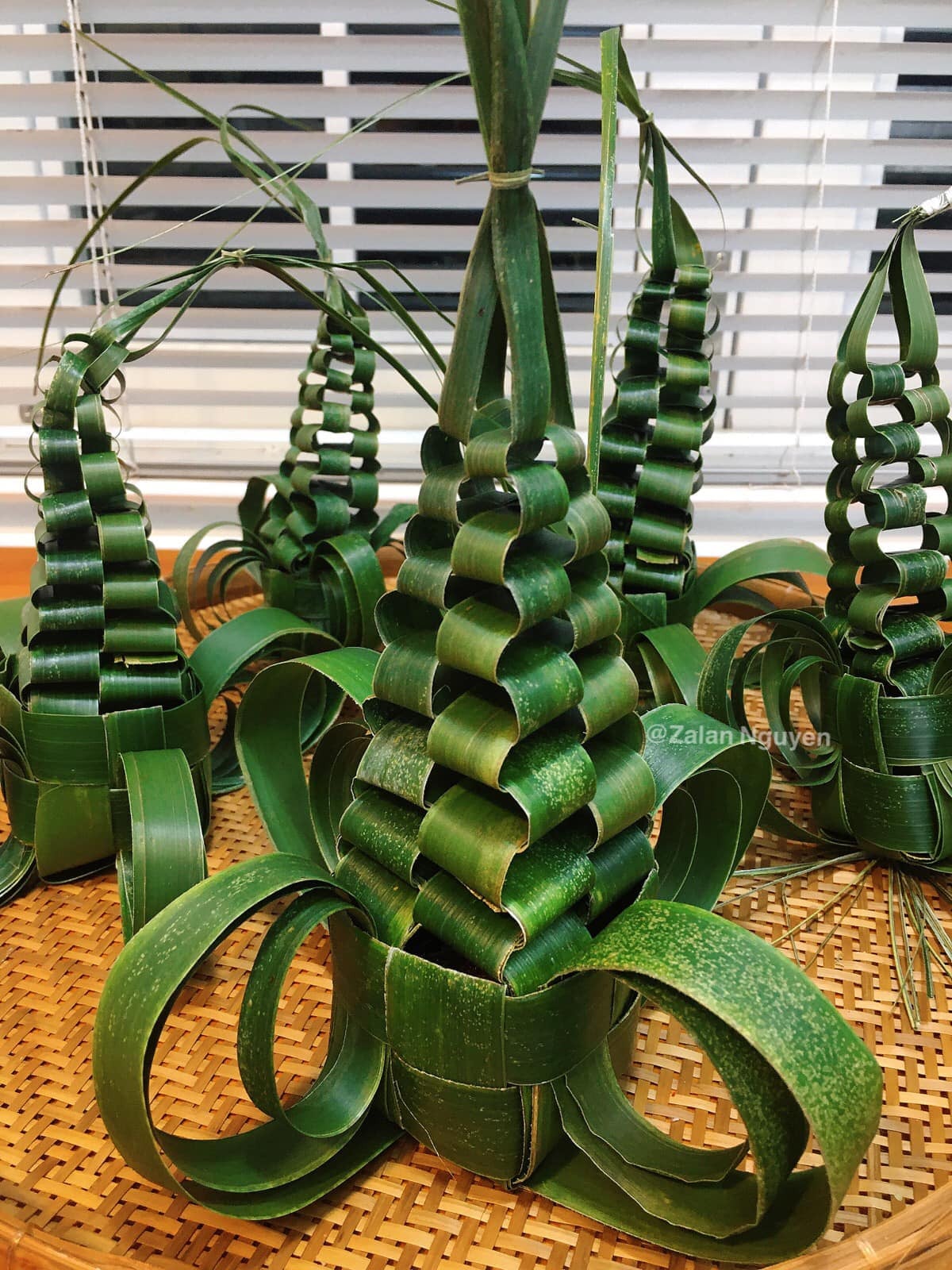
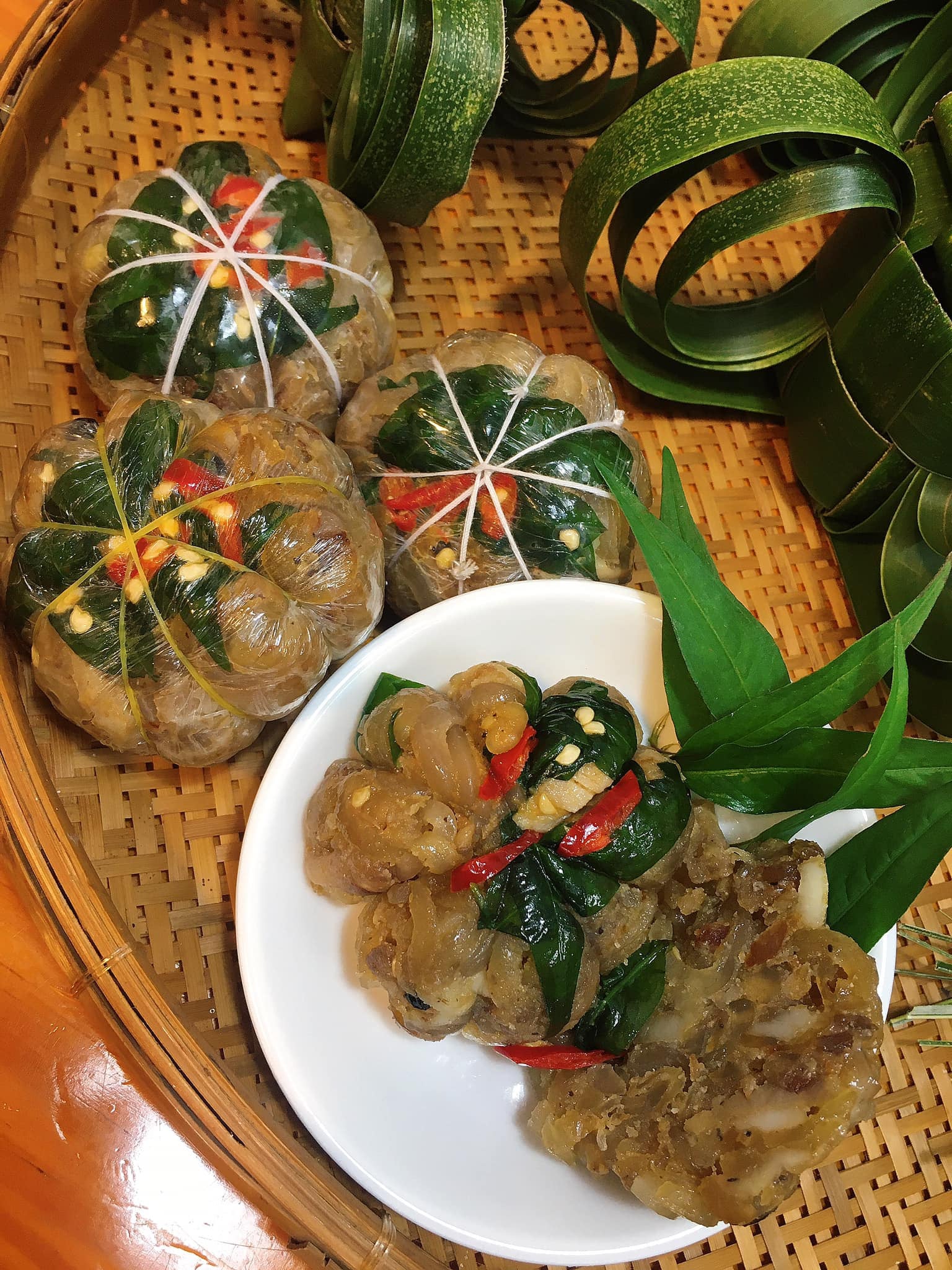
In the past, nem lau was considered a “difficult” dish on the wedding day between the groom’s and bride’s families. People had to know how to open the nem, and then after taking out the filling, they had to tie the nem lau back up again. If they did not do it properly, they would be laughed at for not knowing how to eat it.
That's why Nem Lau is considered a dish that "no one can bear to eat" because of its elaborate and beautiful appearance.
Bun suong – a specialty with a strange name, with pieces that look like coconut worms
Bun suong is not only famous in Vinh Long but also recognized as one of the 10 Vietnamese dishes achieving Asian culinary value in 2013.
Bun suong is also known as bun duong. This name is said to originate from the shape of the shrimp cake – the main ingredient in the dish.

The processed shrimp cakes have the same shape as coconut worms (a type of worm that lives in coconut trees), are light yellow in color and have soft bodies.
In addition to shrimp cakes, this unique noodle dish also has other ingredients including vermicelli, broth and pork belly, served with white cabbage, water spinach, banana blossom, herbs, bean sprouts with onions and cilantro.
The broth of Bun Suong is simmered from pork bones, shrimp, dried squid and a little tamarind, creating a mild sour taste and a faint aroma. The broth is not clear but has a light brown color, due to the influence of tamarind and soy sauce.
Coconut rat - a 4-legged specialty that is tastier than hill chicken
In Vinh Long (old Ben Tre province) there is a dish related to coconut but not everyone knows and has the opportunity to enjoy it, that is coconut mouse.
Coconut rats are quite similar to field rats but live on coconut trees. They eat the coconut heart - the young core that is likened to the marrow of the tree - and also destroy the fruit to eat the coconut meat and drink the coconut water inside.
Also because of the nutrients it gets from there, coconut mouse is considered to have a delicious, attractive taste with firm, slightly chewy meat, naturally sweet.
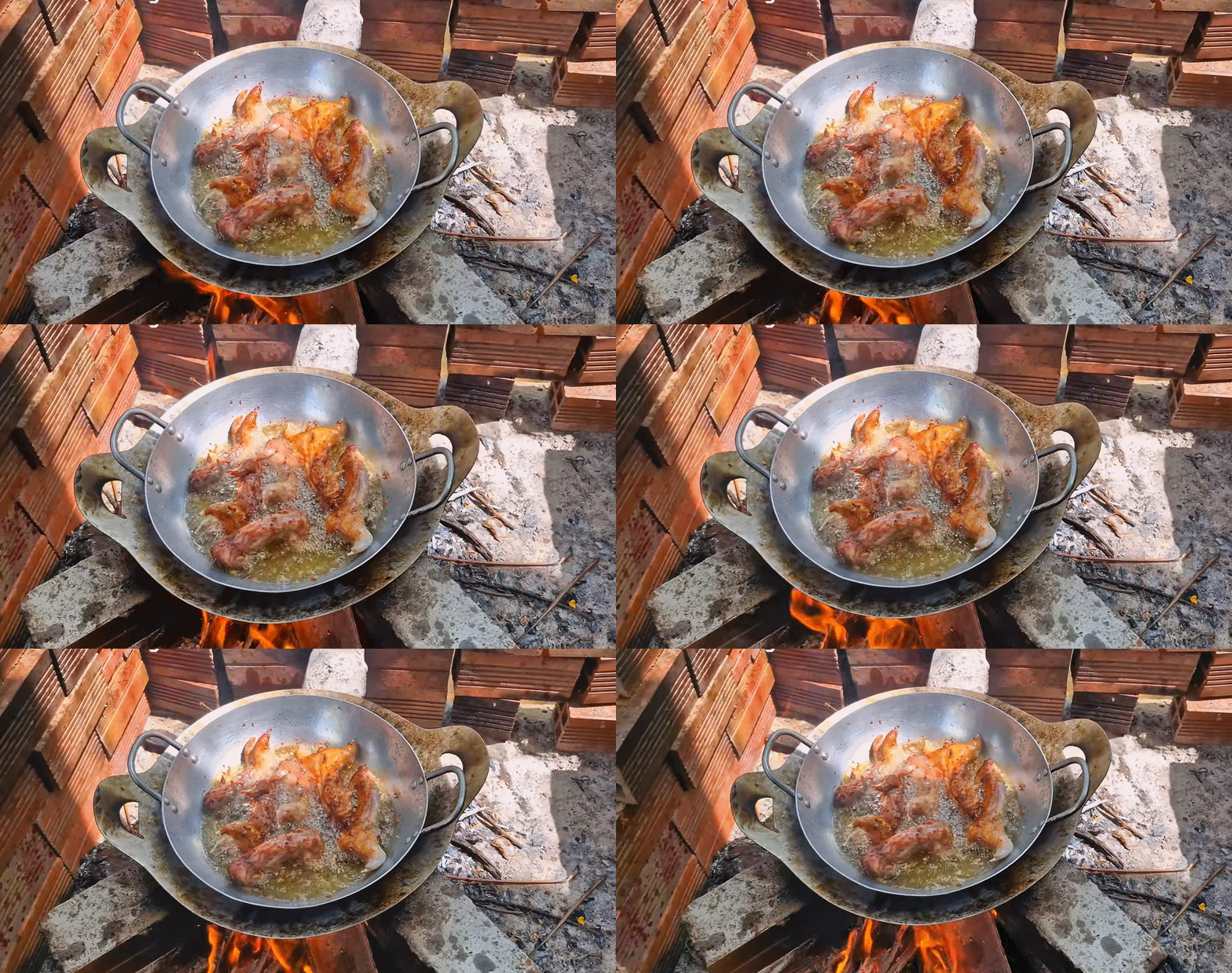
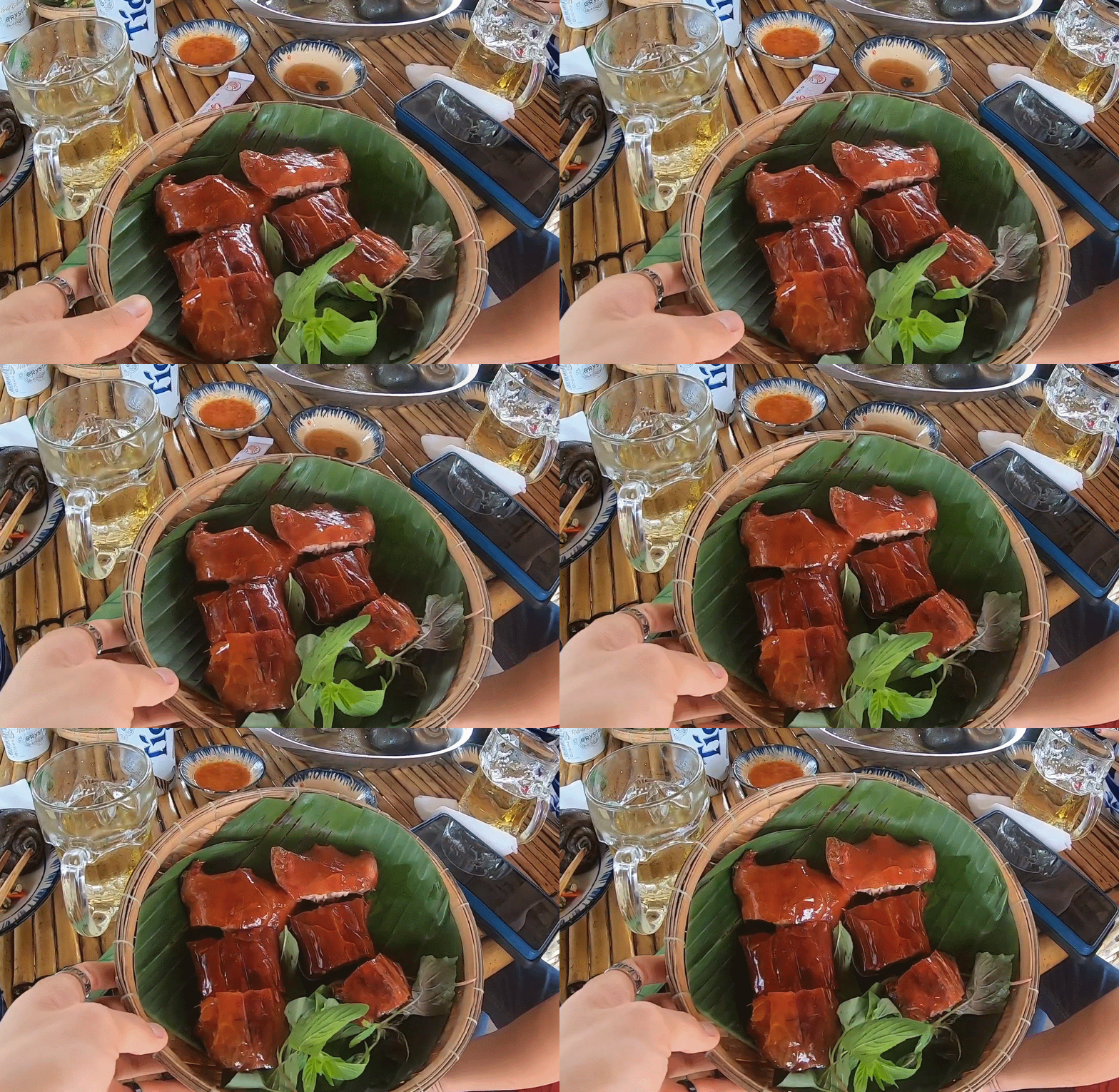
Coconut mouse can be processed into many dishes such as steamed, pan-fried, stir-fried, braised..., but the most delicious and popular is still grilled coconut mouse.
Coconut rats are best grilled over charcoal, keeping the heat at medium and turning constantly to ensure the meat is cooked evenly, while the skin is crispy and has an attractive golden brown color.
Sliced rice noodles - a specialty with thick broth, eaten with ginger fish sauce
Sliced rice noodles are a specialty of the old Ben Tre province, made from the main ingredient of rice flour.
The reason for this name is because when preparing, the rice noodle dough is rolled thinly and cut into small, bite-sized pieces, then put into a pot of boiling water to cook.
The difference of this dish is the thick broth cooked from Muscovy duck meat, not thin like tapioca dumpling soup and has a milky white color from the rice flour.
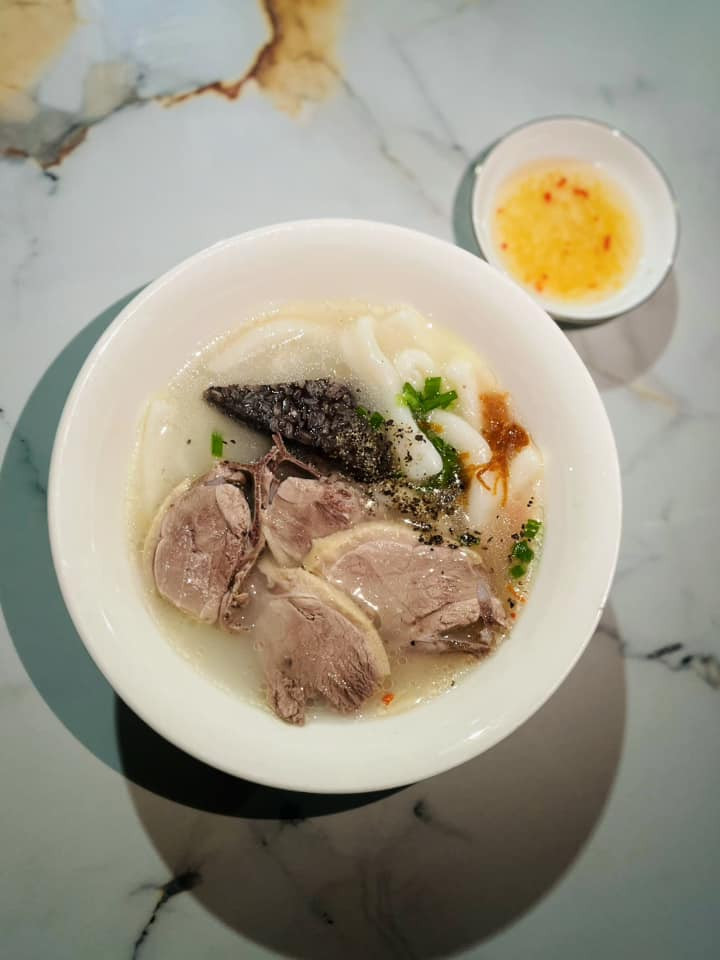
Before cooking, the duck meat will be marinated with spices such as onion, pepper, salt, wait until it is absorbed, then stir-fry and put into the pot to cook the broth.
Depending on the taste and preparation method of each restaurant, people can add coconut milk to the flour and broth or prepare duck organs to eat with it.
In particular, the duck blood is cooked with sticky rice, creating a unique sticky blood dish, making the noodle soup more delicious and unique.
(Synthetic)
Source: https://vietnamnet.vn/dac-san-vinh-long-la-mieng-co-mon-khach-ngai-thu-co-mon-khong-ai-no-an-2470635.html

![[Photo] Urgently help people soon have a place to live and stabilize their lives](/_next/image?url=https%3A%2F%2Fvphoto.vietnam.vn%2Fthumb%2F1200x675%2Fvietnam%2Fresource%2FIMAGE%2F2025%2F12%2F09%2F1765248230297_c-jpg.webp&w=3840&q=75)












































![[Photo] General Secretary To Lam works with the Standing Committees of the 14th Party Congress Subcommittees](https://vphoto.vietnam.vn/thumb/402x226/vietnam/resource/IMAGE/2025/12/09/1765265023554_image.jpeg)


























Comment (0)