

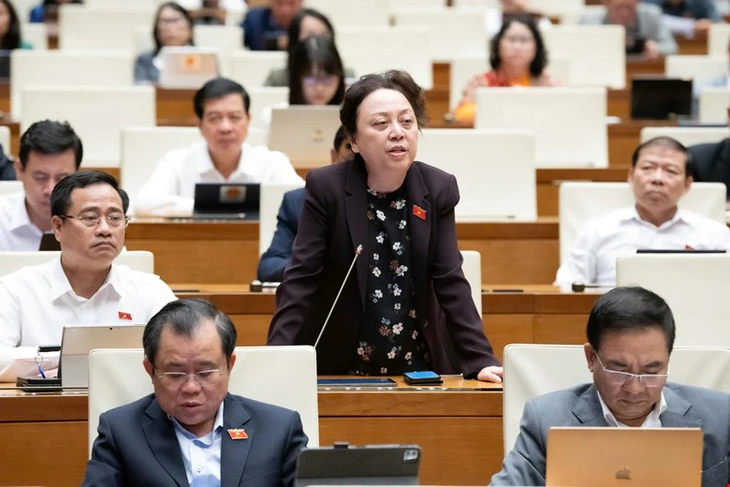
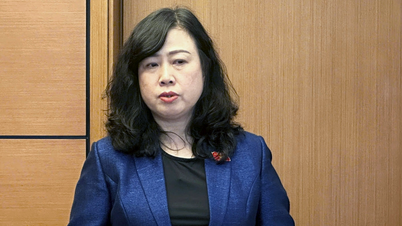
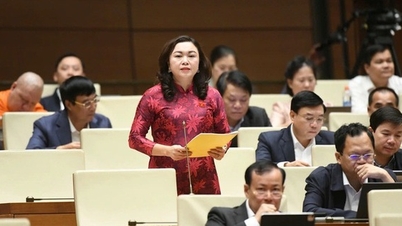
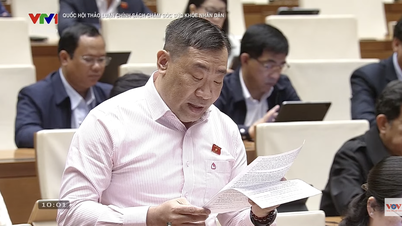
Delegate Pham Khanh Phong Lan - Photo: National Assembly
Raising the issue of free hospital fees, delegate Nguyen Anh Tri ( Hanoi ) said that this is a good condition to create a breakthrough in medical examination and treatment and needs to be realized in the draft resolutions this time to make the content clearer.
There is a roadmap for free hospitalisation, solving the problem of drug shortages.
In which, the delegates suggested that there should be regulations to improve the quality of medical examination and treatment, good medicine and standard, updated diagnosis and treatment regimens. At the same time, create convenience, proactively examine and treat at the nearest, most convenient place, carry out real communication, not be dependent and eliminate the ceiling on health insurance payments and must do it for real.
Ensuring equality in benefits means organizing a three-level specialized health care system, the basic medical examination and treatment level must be located closest to the people, with enough medicine to treat the people. All people, depending on the level of illness, must enjoy the same policies.
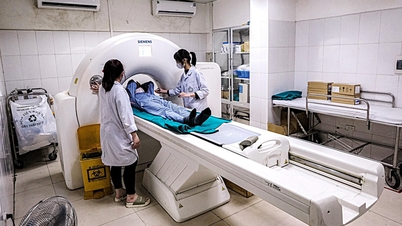
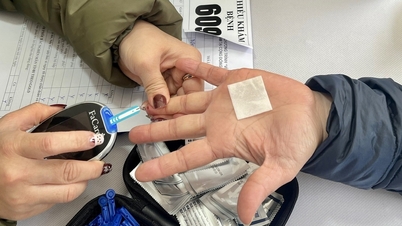
The implementation of free hospital fees must be feasible and effective, with a suitable roadmap to achieve free hospital fees for all people by 2030. In particular, early implementation of free hospital fees for those undergoing cancer treatment, difficult-to-treat patients, and chronic patients such as those on dialysis is currently very difficult while the medicine is very expensive.
Meanwhile, delegate Pham Khanh Phong Lan (HCMC) said that before implementing free hospital fees and health care for the people, it is necessary to effectively implement current policies to avoid the situation of repeating old lessons and a few years later the resolution falls into oblivion.
Because in reality, since the COVID-19 pandemic, there have been many patients coming to the hospital but there is no medicine, the medicine is out or the machines are broken, they have to use outside medical services but are not compensated.
Therefore, the delegate proposed to add a resolution clause to make the return of health insurance payments practical, because this is the people's right. Currently, this is implemented according to Circular 22, effective from January 1, 2025, but there are problems in resolving previous cases and there is no summary of how many patients have paid this amount. "Before talking about anything lofty, let's implement and resolve the problems that have existed for many years" - delegate Phong Lan said.
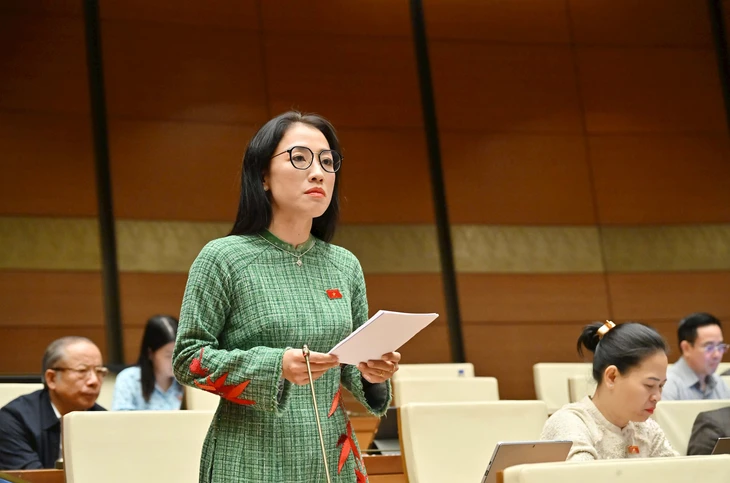
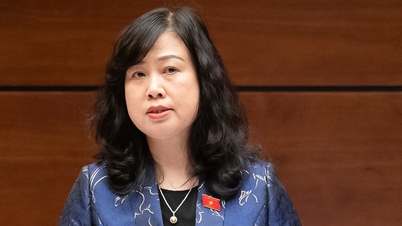
Delegate Pham Khanh Thu - Photo: National Assembly
Meanwhile, giving comments on the policy mechanism for medical staff, delegate Tran Thi Nhi Ha (Hanoi) said that the policies mentioned are not really a breakthrough in attracting and retaining qualified doctors.
In fact, there is a serious shortage of doctors at the grassroots level, but the policies we are applying, such as sending young doctors to the grassroots level or seconding them for 2 to 3 years, are only temporary.
"The psychology of doctors when transferred under the short-term model is often unstable, making it difficult to concentrate for a long time. Without a stronger, more sustainable mechanism regarding income, working conditions and career development roadmap, it will be very difficult for grassroots health care to have a sufficient number of human resources with strong quality as expected" - delegate Ha stated.
Therefore, the female delegate from Hanoi proposed that doctors from the non-state sector who are attracted to work at the grassroots health care system should be considered for seniority and be given the same salary level as doctors working in the state sector. Doctors are considered for special recruitment into civil servants at health stations (without having to go through an exam) if they have a certificate or practice license.
Regarding preferential allowances for professions, it is necessary to apply 100% for doctors directly working at commune health stations and preventive medical facilities; for other medical professional positions, they are entitled to a minimum of 70%.
Delegate Tran Khanh Thu (Hung Yen) also said that the policies in training medical human resources are only postgraduate training in some majors and there are no breakthrough solutions.
Therefore, the delegates proposed that medical doctor training subjects of public training institutions be included in the group guaranteed by the state budget, with tuition support during the training period; with a commitment that after graduation, they will work according to the State's assignment.
This policy not only ensures that students, especially those from disadvantaged backgrounds, have the opportunity to achieve their dream of becoming doctors, but also solves the problem of medical human resources in remote areas and areas lacking doctors.
Source: https://tuoitre.vn/national-congress-delegates-before-the-free-congress-can-giai-quyet-viec-thieu-thuoc-thanh-toan-bao-hiem-20251202105218422.htm
![[Photo] National Assembly Chairman Tran Thanh Man receives First Vice Chairman of the Federation Council of the Federal Assembly of the Russian Federation](/_next/image?url=https%3A%2F%2Fvphoto.vietnam.vn%2Fthumb%2F1200x675%2Fvietnam%2Fresource%2FIMAGE%2F2025%2F12%2F02%2F1764648408509_ndo_br_bnd-8452-jpg.webp&w=3840&q=75)

















































![[Photo] General Secretary To Lam and his wife attend the 50th Anniversary of Laos National Day](https://vphoto.vietnam.vn/thumb/402x226/vietnam/resource/IMAGE/2025/12/02/1764644139308_1.jpeg)






















Comment (0)