

What is Halal meat?
Halal, meaning "permitted" in Arabic, refers to food and products that are permitted under Islamic law. When it comes to meat, the rules are very specific: Animals must be healthy at the time of slaughter, and the slaughter must be carried out by Muslims, following ethical and humane principles.
Halal certification ensures compliance with these standards, giving Muslim consumers confidence that the meat they are consuming adheres to their religious principles.
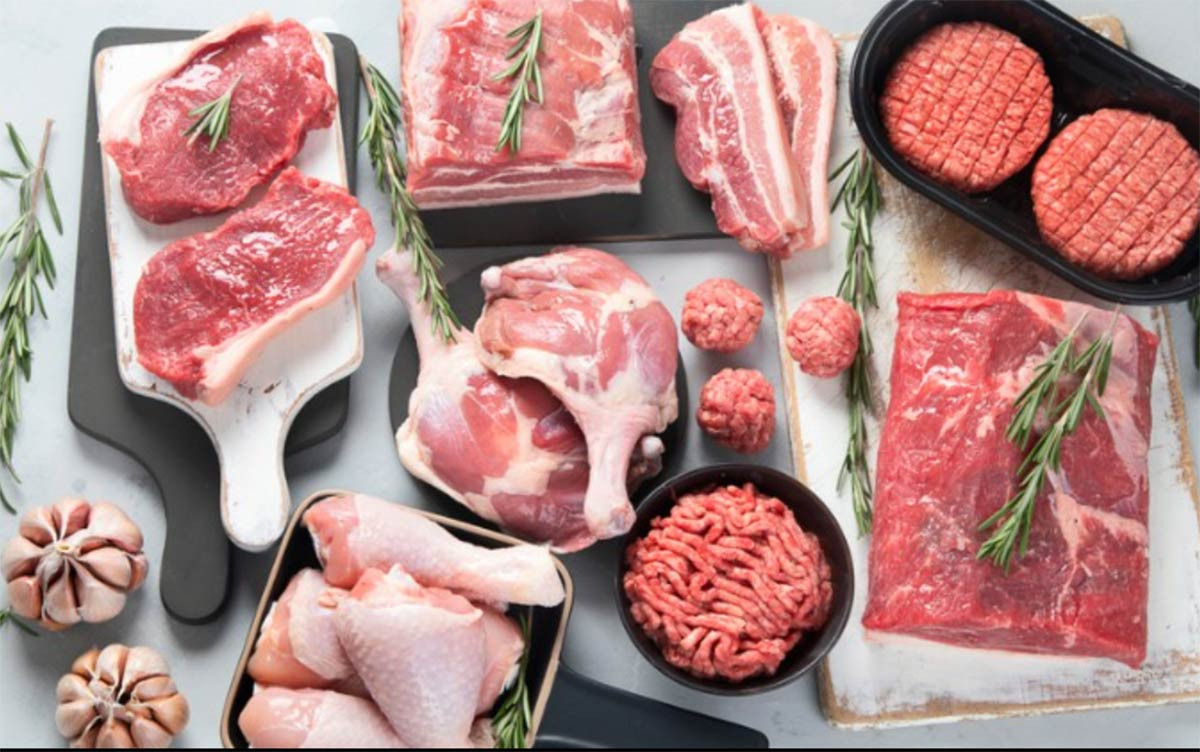
The costs behind the price of Halal meat in Vietnam.
At first glance, many might think that Halal meat is more expensive simply because of the slaughtering requirements imposed by Muslims. But the reality is more complex. The additional costs associated with Halal meat stem from several factors, including:
Certification and Compliance: Halal meat producers must adhere to specific slaughter guidelines, often requiring certification from religious bodies/organizations. This certification process adds to operating costs. Producers and retailers must also comply with strict quality and food safety controls, further increasing expenses.
Small supply chain : Halal meat is often produced and distributed by small suppliers, meaning they don't benefit from economies of scale. A smaller supply chain means less purchasing power, higher transportation costs, and less flexibility in price negotiations.
Niche Market : In non-Muslim countries like Vietnam, Halal meat is a niche product. Essentially, specialty markets tend to be more expensive due to lower demand compared to mainstream products. This can drive prices up as suppliers have fewer opportunities to achieve economies of scale.
Are Muslim consumers willing to pay more?
From an economic standpoint, the higher cost of Halal meat can be justified by the additional processes involved in production and certification. For Muslim consumers, purchasing Halal meat is not a matter of choice but a religious obligation.
Unlike non-Muslim consumers who have a wide range of price options, Muslims often feel obligated to pay higher prices to maintain dietary restrictions based on their faith.
This leads to an ethical dilemma. On the one hand, Halal certification and the associated costs are necessary to ensure compliance with religious law. On the other hand, it places an additional financial burden on Muslim consumers. This raises the question of fairness: Should products tied to faith come with significant additional costs, while they are essential to a community's religious life?
Is it worth paying for Halal meat?
According to the American Halal Foundation, Halal consumers are 35% more loyal to Halal-certified brands than consumers of conventional products. The importance of adhering to Halal guidelines extends beyond dietary preferences; it is an integral part of their religious identity.
Paying a higher price for Halal meat is seen as an investment in maintaining faith, supporting ethical practices, and ensuring that their consumption aligns with their beliefs.
Furthermore, Halal meat is often associated with better quality and more ethical treatment of animals, which may make the higher price more acceptable to consumers who prioritize animal welfare.
However, the higher price may be a barrier for low-income families, who may struggle to afford Halal products.
The future of Halal meat prices
Halal meat prices are likely to remain higher than non-Halal meat prices due to smaller supply chains and certification processes that continue to increase costs. However, as demand for Halal products increases, economies of scale can improve and the price gap may narrow.
Initiatives aimed at improving the efficiency of Halal meat production and distribution can also help reduce costs for consumers, making the product more accessible to a wider audience.
Huu Truong Tariq
Source: https://vietnamnet.vn/dang-sau-gia-thit-halal-tai-viet-nam-2442236.html








![[Video] Al-Noor Mosque - A religious space in the heart of Hanoi](https://vphoto.vietnam.vn/thumb/402x226/vietnam/resource/IMAGE/2026/05/22/1779436133186_video-thanh-duong-hoi-giao-al-noor-khong-gian-ton-giao-giua-long-ha-noi-20260522144501.jpeg)


























































































Comment (0)