


The story began when the locality identified tourism as the main economic driver. Mr. Dinh Thanh Hai, Secretary of Party Branch 3, Gia Vien Commune, boldly incorporated the idea of linking tourism development with agriculture and rural areas into thematic meetings. This seemingly novel idea received widespread attention and support from Party members and residents. From there, a model of growing flowers on approximately 3 hectares of barren land gradually took shape, with the joint efforts of many villagers.

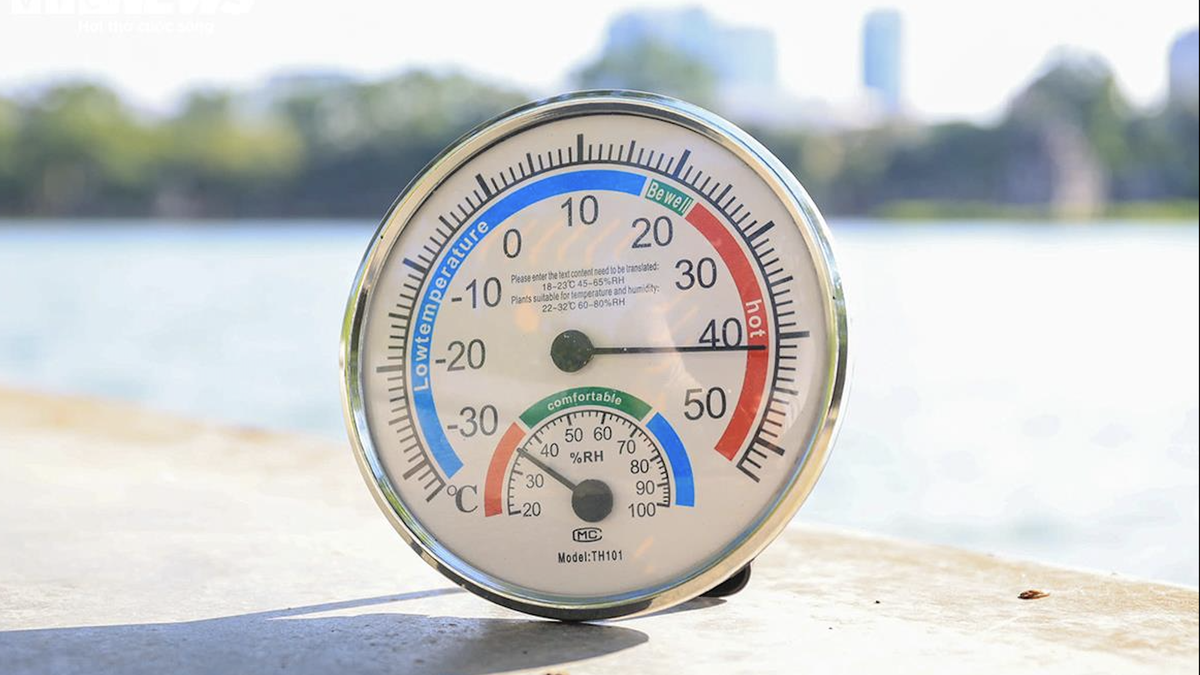
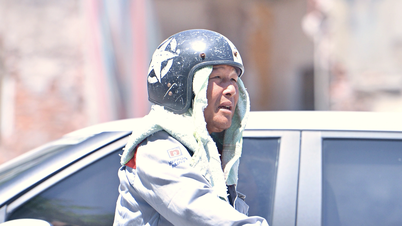
Accompanying Mr. Hai were two other men: Diep Anh and Hung Cuong. Diep Anh shared: initially, this area was barren land, no longer cultivated, left fallow for decades. The soil was barren, weeds grew densely, and it was located in a low-lying area, so it flooded every time it rained. Therefore, the reclamation process required not only capital but also a great deal of effort. In August 2025, when they started implementing the model, the group faced harsh weather conditions. Amidst the scorching sun, with the help of machinery, they persistently tilled each patch of dry, hard soil, improving the irrigation and drainage system. “Many people said we were… crazy, for working in such blazing hot weather. At that time, even we weren't sure we would succeed,” Diep Anh recalled.
Undeterred, the team began researching and experimenting with various plants. Ultimately, they chose hardy flowers like impatiens (butterfly flowers), which are more drought-tolerant and nutrient-poor. However, the difficulties didn't end there. Seeds purchased online repeatedly failed to germinate, forcing them to start over. When the first green shoots emerged, they practically "ate and slept with the flowers," caring for them while anxiously awaiting their first harvest.
Theoretically, it only takes about 50 days from sowing the seeds to harvest the flowers. However, in reality, the first bloom only comes from August to December in the lunar calendar. Fortunately, the flowers bloom right before Tet (Lunar New Year), when the weather is cool and dry, creating a vibrant and romantic scene. The convenient transportation and picturesque mountain scenery make this place even more attractive. Tourists started coming in larger numbers. That's when we truly breathed a sigh of relief. And it also motivated the whole team to continue with the next season. We hope to contribute to creating a unique feature for our homeland in the increasingly diverse tourism landscape," said Mr. Hai.
With entrance fees of just a few tens of thousands of VND per person, the flower field targets the general public, a place where everyone can come, enjoy the peaceful atmosphere, and take beautiful photos. The model also opens opportunities for local residents to participate in providing services such as selling drinks, renting costumes, and souvenirs… but with clear principles: no price gouging, no counterfeit goods, and no overcharging of tourists.
Beyond the dilemma of choosing which flowers to plant, the challenge of creativity continues with each flowering season. How to make each crop unique and appealing is no easy task. While the first crop was planted using a natural "mix of colors," this time, Hai's team has reorganized the planting into separate areas with shades of white, red, yellow, etc., creating impressive backdrops for visitors to take photos. Particularly striking is the area where flowers are arranged to form the shape of the Vietnamese flag (red with a yellow star) to commemorate the April 30th National Day. Carefully selecting the flower colors, especially the red ones, to represent the flag requires meticulous attention to detail, but the initial results are promising. The flower field is expected to open to visitors during the upcoming Hung Kings' Commemoration Day.
For the local people, this change holds great significance. Ms. Tran Thi Dung, a villager, shared her admiration for the perseverance, boldness, and creativity of those implementing the flower field model. The blooming flowers not only beautify the landscape and attract tourists visiting the village, but also open up opportunities to increase income for the people. Many hope that tourism models like this will be increasingly replicated, so that young people do not leave farming, and older people can participate in suitable services to generate income right in their hometown.

Ms. Vu Thu Phuong, a tourist who came to experience and take photos, excitedly shared: "Having the opportunity to come here during the first blooming season, I was truly overwhelmed by the vibrant flower field. Every step felt like stepping into a living painting; the gentle fragrance of the flowers and the fresh air made me feel relaxed. I am eagerly awaiting the day the flower garden reopens so I can experience it again. This is a new and attractive destination for rural tourism."
Gia Viễn commune is located near famous tourist destinations such as Bai Dinh Pagoda, Kenh Ga, and Van Long. However, for a long time, the people haven't dared to think about creating new and attractive tourism products. Young, healthy people work as factory workers, while older people engage in aquaculture, but the results are uncertain. Therefore, the flower cultivation model is not simply about creating a check-in spot, but also opens up a new direction, a new story for the village, where farmers dare to think differently and do things differently to improve the efficiency of their barren land.
From a forgotten field, this place has donned a vibrant cloak of color. More importantly, it proves that with the right ideas, perseverance, and a daring spirit, seemingly dormant lands can awaken and become shining examples of rural tourism. If properly invested in and developed, this model will not only bring economic value but also serve as a catalyst, spreading innovative approaches to "awaken" other barren lands, creating sustainable livelihoods and preserving the essence of the countryside.
Source: https://baoninhbinh.org.vn/danh-thuc-dat-hoang-thanh-diem-check-in-hut-khach-260422154410407.html




































































Comment (0)