

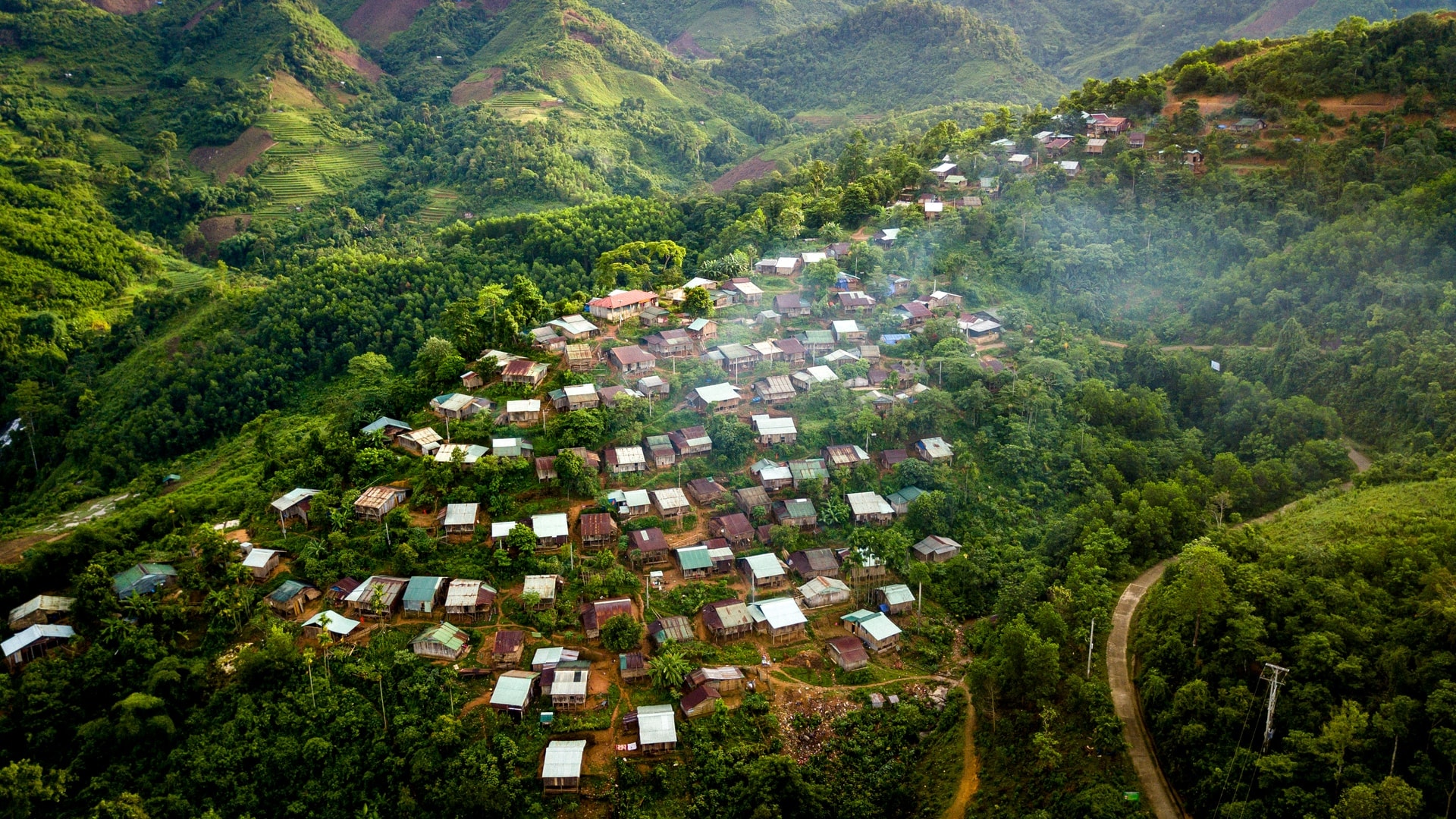
In this context, Resolution 06/NQ-HĐND on adjusting the Da Nang city planning for the period 2021-2030, with a vision to 2050, has clearly established the direction of narrowing the development gap between urban and rural areas, especially mountainous areas and ethnic minority regions, as a prerequisite for realizing the goal of sustainable, strategic, and humane development.
"Activating" local values
Over the years, Da Nang's urban core has experienced impressive development, becoming one of the most dynamic centers in the country. However, as the area expands, disparities in infrastructure and living standards between regions are becoming increasingly apparent. Mountainous communes in the west still face limitations in accessing transportation, healthcare, education , clean water, digital infrastructure, electricity, and more.
Previously, Decision 72/QD-TTg dated January 17, 2024, of the Prime Minister approving the Quang Nam Provincial Planning for the period 2021-2030, with a vision to 2050, had oriented the western mountainous area as a region for preserving natural forest ecosystems; developing national forest product and medicinal plant raw material areas; garden , farm, and livestock farming; exploiting hydropower and minerals; and protecting the border area.
According to the same plan, Kham Duc - Phuoc Son and Thanh My - Nam Giang are transitional urban areas, connecting and facilitating development between the Quang Nam province delta region and Da Nang city with the Central Highlands and other countries along the East-West international corridor.
The intersection of the two planning spaces necessitates a new approach: urban development in mountainous areas should not merely be about "compensating for deficiencies," but should be positioned as a driving force for the formation of satellite cities, thereby contributing to reducing pressure on the central area and establishing a balanced socio-economic development.
Accordingly, thinking about urban development in mountainous areas needs to be reformed towards a proactive, integrated, and long-term vision, closely linked to the overall urban network and maximizing the unique potential of each locality. Instead of applying traditional urban models, it is necessary to develop urban types that are suitable to the natural conditions and local culture.
In line with Resolution 06/NQ-HĐND, science and technology, innovation, and digital transformation are central driving forces, linked to the development of a green and circular economy. This opens up opportunities for mountainous regions to shift from traditional development thinking to an "open urban" approach – flexible, decentralized, yet closely interconnected through networks, based on the unique identity and advantages of each region.
Accordingly, models such as eco-cities, community-based tourism cities, and medicinal plant cities are not merely spatial development orientations, but also new socio-economic structures where people, nature, and culture are placed in a harmonious and sustainable relationship. These models help to effectively exploit local resources in a way that increases their value, while preserving forest ecosystems and traditional cultural values.
In particular, given the increasing impact of climate change on the central region, developing green, circular, and low-emission open urban areas in mountainous regions will contribute to enhancing adaptation capacity and mitigating disaster risks.
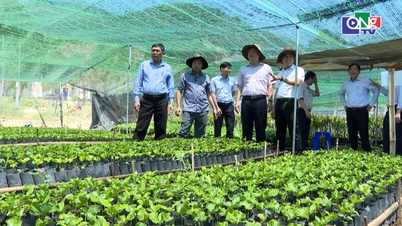
Based on this, specific development hubs can be defined, such as: Nam Tra My aiming for a medicinal herb urban area linked to a center for research, production, and commercialization of local products; Tien Phuoc developing a community-based tourism and garden-based urban area focusing on experiential and green economy; Kham Duc - Phuoc Son forming an ecological urban area, acting as a gateway connecting and transiting the region; and Thanh My shaping an urban area deeply rooted in the architecture and living spaces of ethnic minorities, both preserving and "bringing to life" cultural heritage... These are not only development models, but also ways to "activate" local values, creating a unique appeal for mountainous urban areas.
Sustainable, inclusive, and balanced development.
To unlock development potential and narrow the gap between mountainous and lowland areas, urban development in mountainous regions needs a holistic, synchronized, and long-term approach. Urban development planning in mountainous areas should be integrated, ensuring close linkages between sectors and localities. Planning should not only focus on spatial allocation but also become a tool to guide development, based on the topographical features, population structure, cultural identity, and economic advantages of each region, thereby forming focused growth poles with the potential for spillover effects.
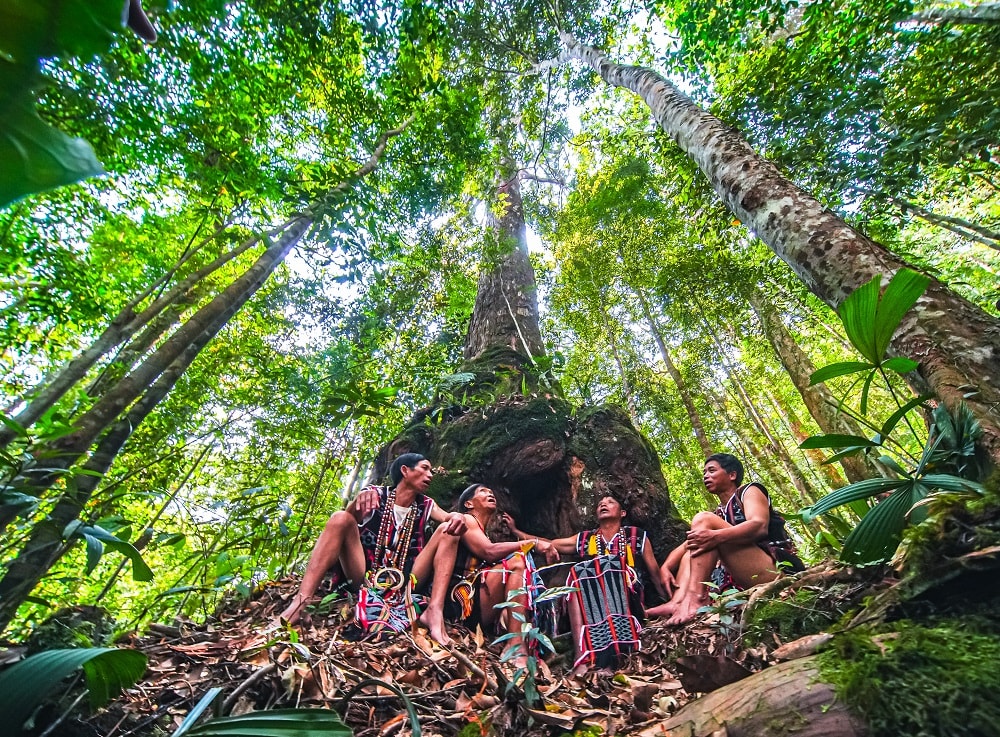
Based on the planning framework, connecting infrastructure needs to be identified as a strategic leverage. Prioritizing investment in and expansion of inter-regional transport axes connecting mountainous areas with the plains, such as National Highways 14B, 14G, 14D - Dak Ta Ooc Border Gate, 14E, Tam Tra - Tra Kot road (DT.617 to National Highway 40B)... not only expands development space but also creates conditions for localities to participate more deeply in the value chain.
Simultaneously, there needs to be a synchronized development of electricity and digital infrastructure, from high-speed internet to digital service platforms, in order to shorten the development gap, promote the digital economy, and enhance urban governance capacity. Furthermore, an integrated development approach needs to be implemented synchronously and consistently, in which open space planning must be closely linked to the green economy orientation, sustainable protection of forest ecological corridors, and rational resource exploitation.
Promoting the development of the local economy along the value chain, focusing on upgrading distinctive products and OCOP products, while simultaneously boosting the application of e-commerce and digital transformation to expand markets, increase value, and enhance competitiveness.
On the other hand, urban development in mountainous areas cannot be separated from socio-cultural factors. Preserving and promoting indigenous cultural values should be identified as a crucial pillar in development strategies, aiming to avoid the trend of "lowlandization," maintain unique identities, and create distinctive appeal for each urban area. This also forms the foundation for developing community-based tourism and ecotourism linked to cultural experiences, thereby contributing to diversifying livelihoods for the local population.
Priority should be given to allocating adequate investment resources to develop the healthcare, education, and cultural institutions in line with the practical needs of the locality, in accordance with the spirit of Central Committee resolutions such as: Resolution 80-NQ/TW on the development of Vietnamese culture; Resolution 72-NQ/TW on some breakthrough solutions to strengthen the protection, care, and improvement of people's health; Resolution 71-NQ/TW on the development of education… Investing in essential social services in a coordinated manner not only improves the quality of life but also creates conditions for people to access services locally, limiting spontaneous migration to central areas, thereby contributing to the sustainable, inclusive, and balanced development of mountainous urban areas.
Furthermore, it is necessary to expand livelihood opportunities for the people, especially ethnic minorities, through vocational training programs linked to market needs, forest management contracts, forest protection and development, support for sustainable job creation, and the effective implementation of social security policies. Local people should not only be beneficiaries but also be recognized as central actors, directly creating internal strength for the development of mountainous urban areas.
At the same time, it is necessary to establish mechanisms for the community to genuinely participate in the planning, implementation, and monitoring of development policies in order to ensure that mountainous urban areas develop sustainably, with rich identity and long-lasting vitality.
In its journey to becoming a major socio-economic center of the Central and Central Highlands regions, the city needs to remain steadfast in its goal of inclusive development, ensuring that no one is left behind. Therefore, "awakening" the mountainous city is not only a planning task but also a measure of the city's vision and development capabilities in this new phase.
Source: https://baodanang.vn/danh-thuc-do-thi-mien-nui-3337834.html





















































































Comment (0)