

The controversy surrounding soy has left many people confused, creating a debate about whether we should be eating foods like miso, edamame (Japanese soybeans) or tempeh (a food originating from the island of Java, Indonesia).
In 2008, researchers noted an unusual case: a man developed breast tissue and several other side effects after drinking three liters of soy milk a day, and soy's "bad reputation" was born.
But experts are tired of the confusion surrounding a food they consider incredibly beneficial, despite it containing plant hormones that act similarly to estradiol – the hormone more commonly known as estrogen in humans.
“Soy foods are one of the healthiest and easiest ways to get extra plant protein,” says Dr. Mark Messina, director of nutrition science at the Global Soy Nutrition Institute, who has been researching soy since 1989.
Scientists want people to better understand how to incorporate soy into their diets.
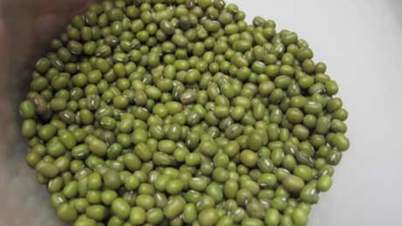
What is soybean?
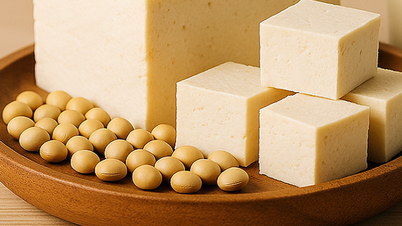
Soybeans are a protein-rich plant-based food that can be eaten whole or processed into various forms such as tofu or soy milk.
Soybeans are considered a rich source of vitamins B, C, K and minerals such as zinc and iron.
Nutritionist Lauren Manaker in South Carolina (USA) said that soybeans contain more nutrients than isoflavones - the most commonly mentioned compound of this food. Soybeans are a source of high-quality plant protein, rich in fiber and essential nutrients such as calcium, iron, magnesium, potassium, but low in saturated fat, so they are good for the heart. These nutrients support muscle strength, digestion and overall health.
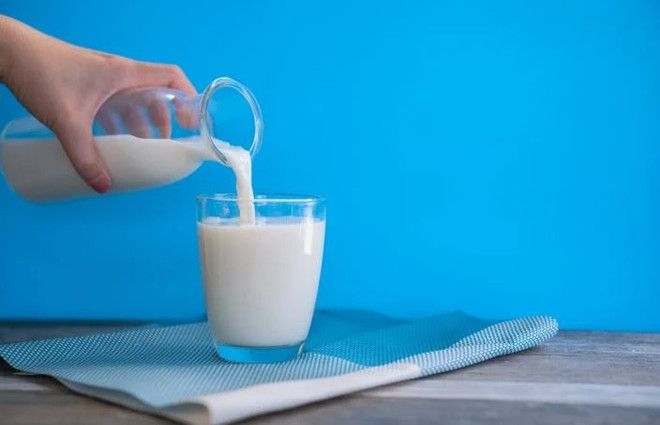
Dr. Messina adds that there are three ways to incorporate soy into the diet: traditional Asian soy dishes; concentrated protein in powder form used in meat substitutes, energy bars, or mixed into liquids; and supplement form.
Contrary to popular belief, soy does not contain human hormones. Instead, it contains large amounts of isoflavones, a type of plant estrogen.
Why are soybeans undervalued?
The myths surrounding soy stem from the case of a man who developed breast tissue. Concerns about “male feminization” spread after an article in a popular men’s magazine.
Intervention studies of nearly 2,000 men showed that soy and isoflavones did not affect testosterone or estrogen in men. It also did not increase the risk of breast tissue growth or affect sperm quality. Notably, soy protein even increased muscle mass and strength to the same extent as animal protein in resistance-trained men, said Dr. Messina.
Another common concern is whether soy causes cancer. This has also been disproven, and some studies have even shown that it may play a role in cancer prevention.
Dr. Marissa Shams-White of the American Cancer Society explains that much of the confusion has to do with studies on rodents, which metabolize isoflavones differently than humans. In humans, isoflavones can bind to estrogen receptors, preventing real estrogen from binding, which may help stop the growth of breast cancer cells.
Although more research is needed, there is evidence that soy foods have antioxidant and anti-inflammatory effects.
Not all soybeans are created equal
Not all soy is created equal. Isoflavone supplements may be convenient, but experts say the benefits are unclear and are not recommended for cancer prevention. Instead, they recommend getting soy from whole foods.
According to Manaker, women can benefit from one to two servings of soy per day, which equates to 25-50mg of isoflavones. This amount doesn’t change much with age, but during perimenopause and menopause, soy can help reduce symptoms.
For men, soy is completely safe and does not affect testosterone as previously misinformed.
Dr. Andrea Caamano of New Jersey (USA) emphasizes the benefits of soy for hot flashes. A 2023 study found that women who adopted a plant-based diet containing soy reduced their hot flashes by 84% in just 12 weeks, and 59% even stopped them completely.
Dr. Caamano recommends choosing soy in its most natural form possible, like whole soybeans, as they're high in fiber and protein, which aids weight loss and reduces menopausal symptoms.
Tofu is fine because it's minimally processed, but soy milk or soy yogurt often contain additives and sugar, which can worsen hot flashes and weight gain.
The Best Foods to Add Soy to Your Diet
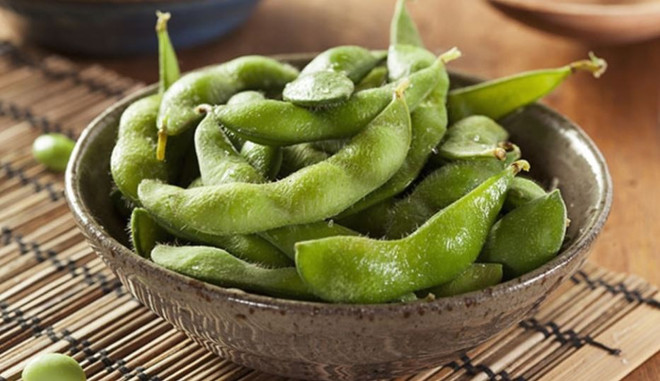
To add soy to your diet, Manaker suggests foods like edamame eaten raw or added to salads, tofu used in stir-fries, soups or protein-rich tempeh, crispy roasted soybeans and soy milk made from soaked beans.
According to Messina, the recommendation is to consume 25 grams of soy protein per day to lower cholesterol – which is quite easy if you use concentrated forms of protein. He claims that soy helps lower blood cholesterol directly.
Dr. Messina concluded that soybeans are a nutritious food that is easy to incorporate into meals, has no significant side effects, and offers many benefits./.
Source: https://www.vietnamplus.vn/dau-nanh-co-dang-bi-mang-tieng-xau-khong-post1080326.vnp
![[Photo] Urgently help people soon have a place to live and stabilize their lives](/_next/image?url=https%3A%2F%2Fvphoto.vietnam.vn%2Fthumb%2F1200x675%2Fvietnam%2Fresource%2FIMAGE%2F2025%2F12%2F09%2F1765248230297_c-jpg.webp&w=3840&q=75)
![[Photo] General Secretary To Lam works with the Standing Committees of the 14th Party Congress Subcommittees](/_next/image?url=https%3A%2F%2Fvphoto.vietnam.vn%2Fthumb%2F1200x675%2Fvietnam%2Fresource%2FIMAGE%2F2025%2F12%2F09%2F1765253019536_a1-bnd-0983-4829-jpg.webp&w=3840&q=75)




























































































Comment (0)