

Vocal training classes are booming.
The tightening of regulations on lip-syncing not only directly impacts performing artists but also creates significant changes in the entire music market. While the formal training system has not yet adapted to the actual needs, many artists are forced to proactively adjust by investing in vocal training and improving their singing skills. This has also led to a surge in demand for vocal lessons.
Composer Huu Vuong once shared with Tien Phong newspaper about the wave of artists taking vocal lessons. The music director of the "Homeland in My Heart" concert affirmed that if regulations on lip-syncing are strictly enforced, it will be difficult to avoid singers "encouraging each other to take lessons," or even "competing to take lessons." "When vocal ability becomes a mandatory criterion, those who don't want to learn or lack the necessary skills will have little chance of performing on stage," composer Huu Vuong stated.
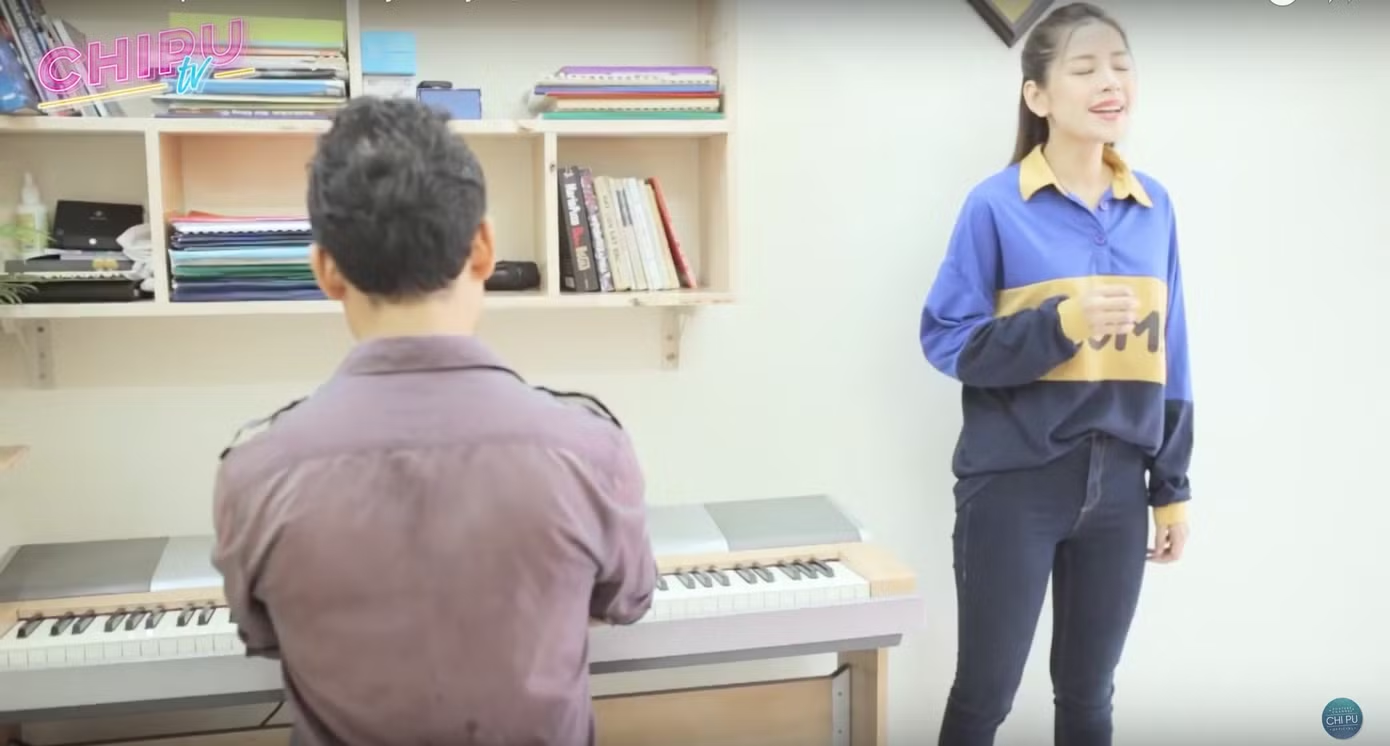
He also pointed out the advantage of studying vocal music: unlike learning a musical instrument, which often requires early training to reach a high level, vocal music is different. "With vocal music, students in their 20s or 30s can absolutely start. Even singers who have been active for many years but make technical mistakes can still build a solid foundation and continue to develop if they receive proper retraining," musician Huu Vuong stated.
According to vocal instructor Nguyen Van Quang from the Applied Music Department of Thang Long University, the crackdown on lip-syncing has created "positive pressure," leading to a significant increase in the demand for vocal training.
"I've noticed a clear increase in demand for vocal training, not only among beginners but also among those already working professionally who want to strengthen their technique for more sustainable performances. Initially, this might be an adaptive reaction, but in the long run, I believe it will become a positive and sustainable trend. As audiences become more demanding, the market will naturally filter, and those with real talent will have an advantage," shared vocal instructor Nguyen Van Quang.
The increasing demand has led to a proliferation of vocal training centers, offering flexible models ranging from long-term to short-term courses. However, this also poses a challenge regarding quality, forcing these centers to compete and upgrade their training programs.
"This is both an opportunity and a test, because places that provide genuine training will develop sustainably, while models that are merely 형식적인 (formalistic) will soon be eliminated," vocal instructor Nguyen Van Quang commented.
Proposal to issue certificates for live singing
With the increasing demands of live performances, the issue of standardizing singers' abilities is more pressing than ever. Vocal training should be seen as the foundation for a long-term career, rather than just serving short-term projects.
With decades of experience in the profession and in training, Ms. Dinh Lan Huong, Head of the Vocal Department at Hanoi College of Arts, believes that formal training helps young singers perfect both their technique and professional mindset, thereby giving them a more accurate understanding of their responsibility to the audience.
"A singer who pursues a professional career must hone their live singing skills to convey genuine emotions to the listener. Even if their voice isn't perfect, live singing still provides emotional value that lip-syncing can hardly replace," said Ms. Dinh Lan Huong.
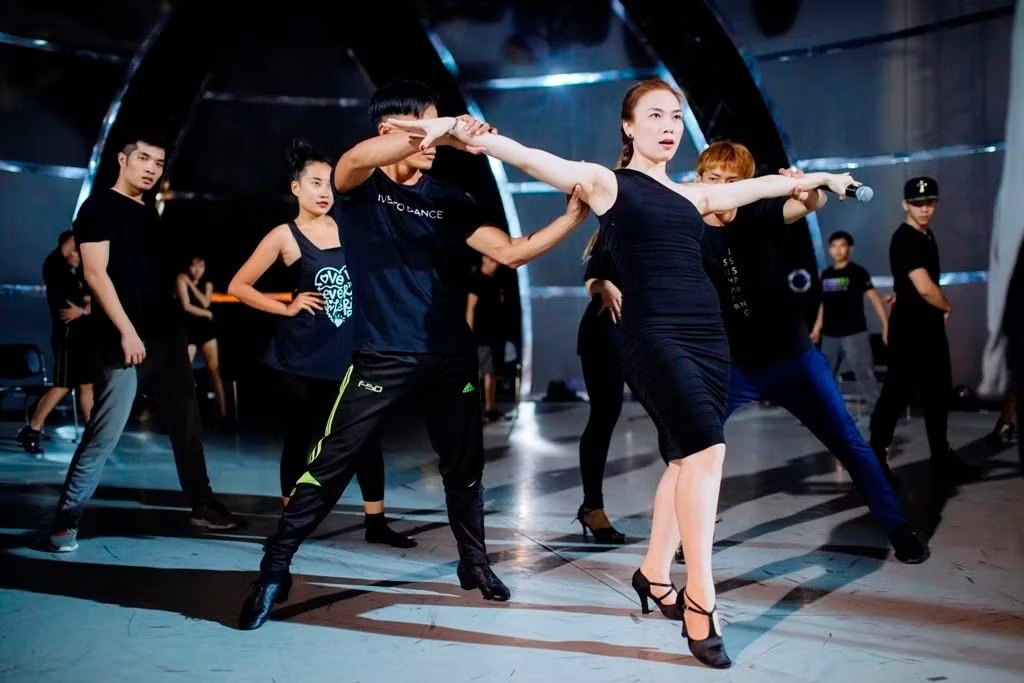
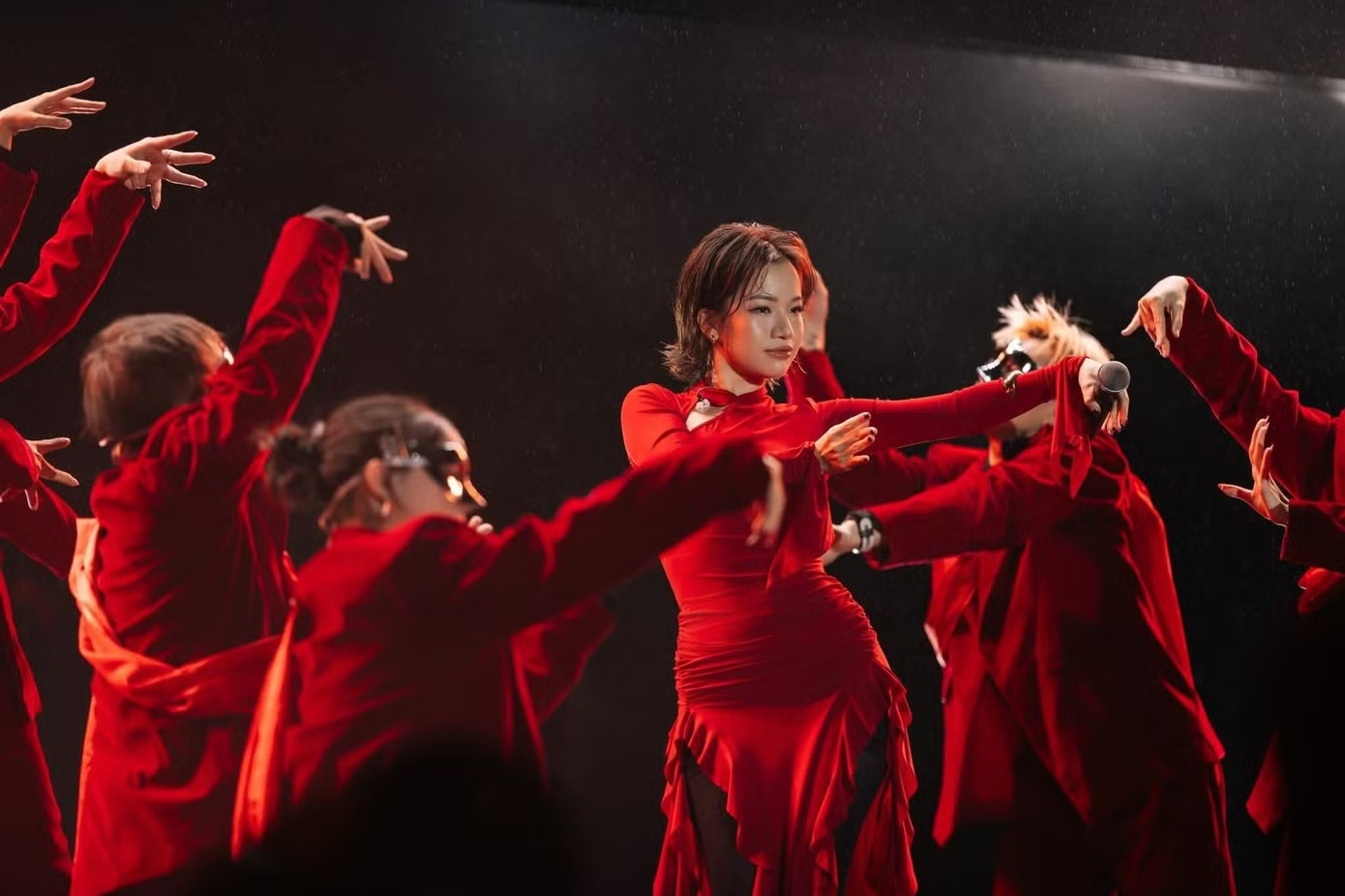
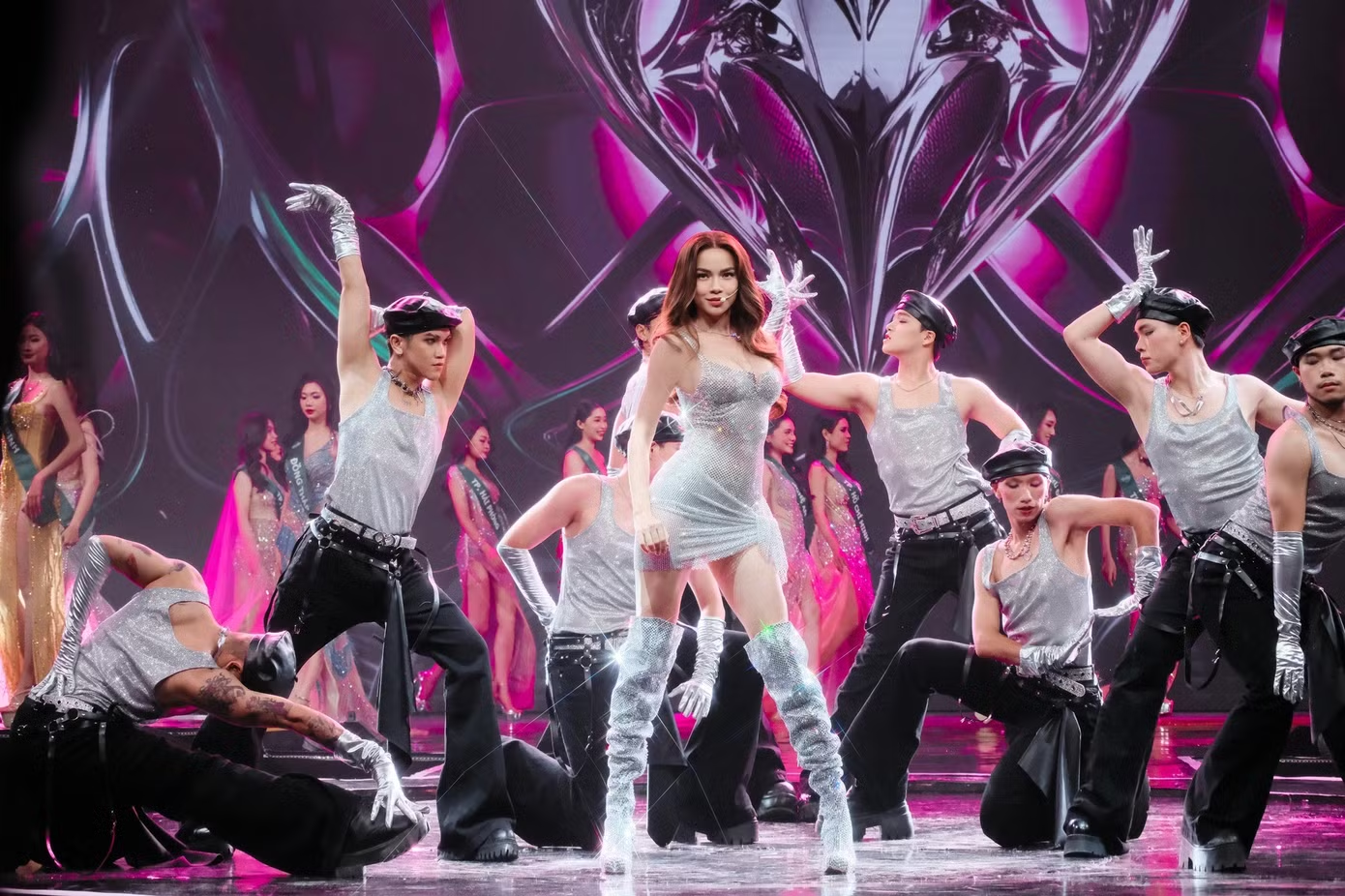
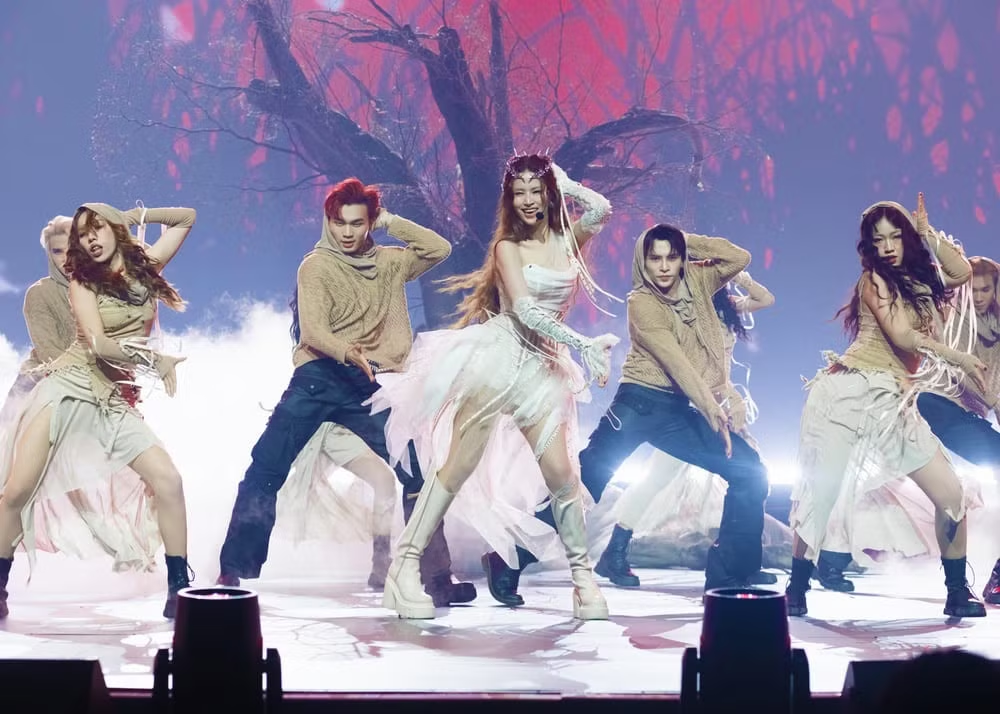
In particular, given that not all artists receive formal training, establishing an objective competency assessment mechanism becomes essential. In fact, the Department of Performing Arts previously used a licensing system for artists as a way to establish professional standards. At formal art training institutions, students typically undergo 3-5 years of training before embarking on a professional career.
Vocal instructor Dinh Lan Huong proposed a mechanism that would allow artists, whether formally trained or self-taught, to participate in evaluations based on a unified set of professional criteria, assessed by a council of reputable instructors and experts. Those who meet the requirements could be awarded a live singing certificate as a form of recognition of their ability, creating more favorable conditions for them to participate in performances.
"A more flexible mechanism could be considered, such as organizing independent competency assessments. These assessments would not depend on where or for how long the candidate studied, but would be based on a clear set of professional criteria, evaluated by a reputable judging panel from professional training institutions. Through this, artists could be certified for their competence, for example, their ability to sing live to a high standard and qualify for performance," shared Ms. Dinh Lan Huong.
This proposal not only opens up equal opportunities for those without formal training, but also contributes to establishing a "standard threshold" for singers. Instead of relying on fame or media attention, vocal ability and live performance skills will become the important criteria. From here, the boundary between professional and amateur is also more clearly defined in the music market.
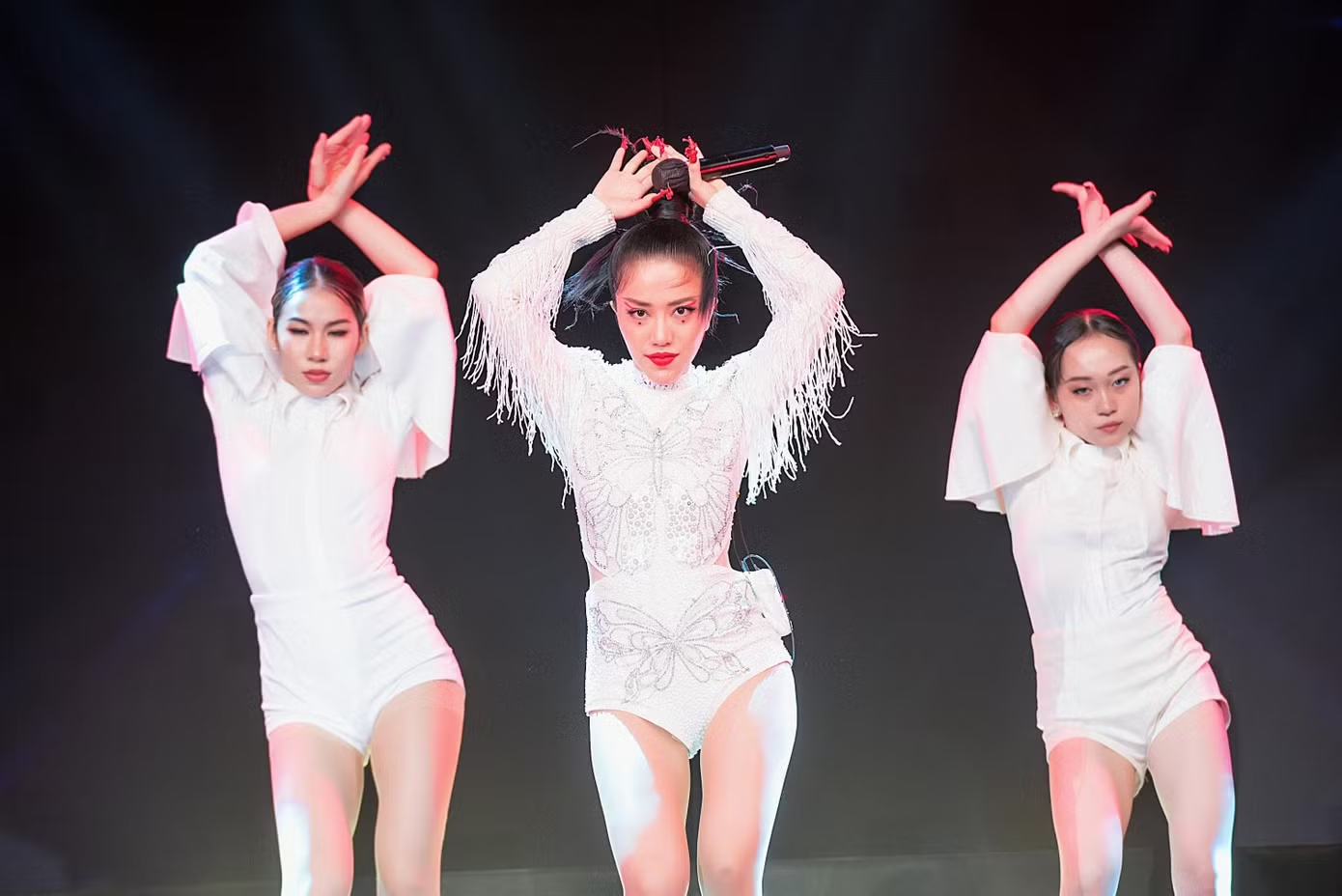
In the context of stricter regulations on lip-syncing, having such a certification system also serves as an incentive for artists to improve themselves. When live vocals become the core criterion, each singer is forced to invest seriously in technique, musical thinking, and stage presence. A live singing certification, if built transparently and with credibility, is not only a recognition of professional skill but also a commitment to the audience regarding the quality of performance.
However, this is not the only solution and requires broad consultation for flexible implementation, avoiding the creation of unnecessary administrative permits. More broadly, standardization through independent examinations could become a crucial step in improving the quality of artists and moving towards a more professional, transparent, and sustainable performing arts market.
Source: https://tienphong.vn/de-xuat-sat-hach-hat-live-cho-ca-si-viet-post1834983.tpo






































































































Comment (0)