

The Ministry of Health proposed increasing health insurance contributions in stages, up to 6% of the basic salary by 2032, contributing to solving the budget problem when moving towards free hospital fees for all people.
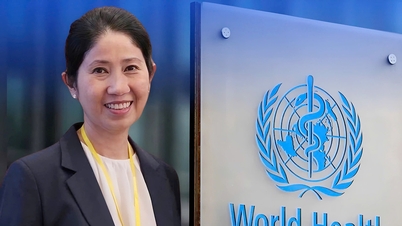
"Whether there is a policy of free hospital fees or not, health insurance premiums must still be increased to meet people's treatment needs because the current level is low while demand is high, and the disease model causes the proportion of health spending to increase," said Ms. Tran Thi Trang, Director of the Department of Health Insurance, Ministry of Health, at the Workshop to solicit opinions on the direction of developing a project to gradually implement a policy of free hospital fees, on December 1.
Currently, the health insurance premium is 4.5% of the base salary. However, the Ministry of Health believes that when expanding benefits, increasing the level of benefits, and moving towards exempting hospital fees, it is necessary to amend the Health Insurance Law, restructure the premium rate, and ensure affordability.
In 2024, the whole country recorded 183.6 million medical examinations and treatments, an increase of 9.7 million compared to 2023. Of which, about 40 million people regularly had health insurance examinations and treatments, with each person having an average of about 4.5 health insurance examinations and treatments per year. National health insurance examination and treatment expenditures were nearly VND 140,000 billion, an increase of more than VND 18,000 billion (15%) compared to the same period in 2023.
People are having to pay more than 40% of the medical examination and treatment costs themselves, showing that the burden of medical costs is still high. Meanwhile, primary health care facilities have not yet provided adequate primary health care services, and disease screening has not been widely implemented.
The Ministry of Health is building a roadmap for universal free hospitalisation in three phases, with health insurance premiums also increasing according to the roadmap . In the 2026-2027 period, people will receive free periodic health check-ups or screenings at least once a year according to priority groups and roadmaps.
For priority groups, from 2026, health insurance participants from near-poor households and elderly people aged 75 and over who are receiving social pension benefits will be entitled to 100% coverage of medical examination and treatment costs within the scope of health insurance benefits. From 2027, the health insurance contribution rate will increase to 5.1%.
In the 2028-2030 period, the goal is to reduce out-of-pocket expenditure to below 30%, pilot screening for 2-3 cost-effective diseases. Health insurance contributions from 2030 will increase to 5.4%. The Government allows piloting supplementary health insurance and diversifying health insurance packages.
The period after 2030 will move towards universal health insurance coverage, expanding cost-effective screening for 3-5 diseases. Hospital fees will be exempted for all people within the scope of the basic service package, expanding according to the roadmap and resources. This period will increase the health insurance contribution rate from 2032 to 6%, perfecting the grassroots health care network and the smart, multi-layered, multi-benefit health insurance payment system.
This is the first time the Ministry of Health has specifically proposed an increase in health insurance premiums related to the universal hospital fee exemption project.
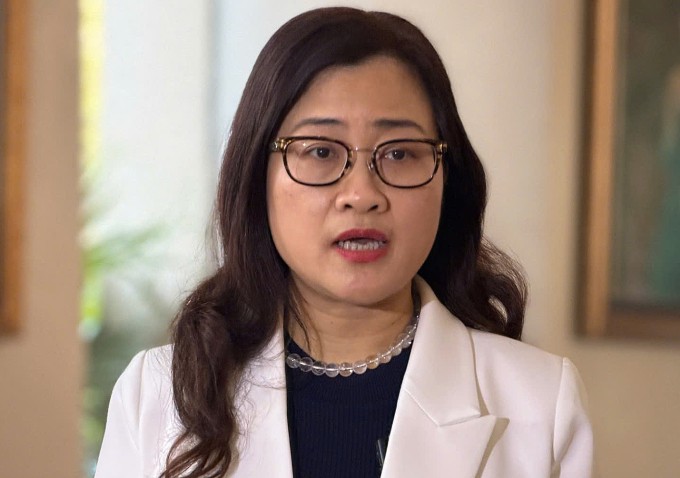
In addition to increasing the contribution rate, the Ministry of Health also proposed supplementary health insurance, mobilizing links with commercial health insurance, and not duplicating medical expenses. The Ministry of Health proposed finding new financial sources, gradually piloting the collection of tax revenue from products harmful to health.
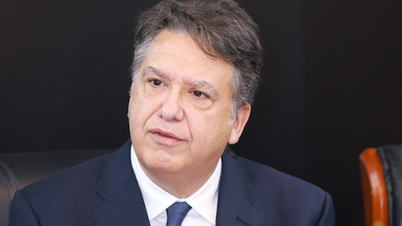
Deputy Minister of Health Nguyen Manh Ha said that although the health insurance coverage rate is high, Vietnam is still at risk of poverty due to illness, especially among people with chronic and serious illnesses; the out-of-pocket spending rate for medical examination and treatment is still high. Therefore, the policy of gradually exempting hospital fees is an objective and necessary requirement to ensure people's right to health care.
"This is an economic and financial solution with profound social significance, especially for the poor and vulnerable, increasing equity in access to healthcare, promoting sustainable healthcare development, and reducing the risk of people abandoning treatment," said Deputy Minister Ha.
Le Nga
Source: https://baolaocai.vn/de-xuat-tang-muc-dong-bhyt-len-6-de-tien-toi-mien-vien-phi-toan-dan-post887962.html
![[Photo] Parade to celebrate the 50th anniversary of Laos' National Day](/_next/image?url=https%3A%2F%2Fvphoto.vietnam.vn%2Fthumb%2F1200x675%2Fvietnam%2Fresource%2FIMAGE%2F2025%2F12%2F02%2F1764691918289_ndo_br_0-jpg.webp&w=3840&q=75)



![[Photo] Worshiping the Tuyet Son statue - a nearly 400-year-old treasure at Keo Pagoda](/_next/image?url=https%3A%2F%2Fvphoto.vietnam.vn%2Fthumb%2F1200x675%2Fvietnam%2Fresource%2FIMAGE%2F2025%2F12%2F02%2F1764679323086_ndo_br_tempimageomw0hi-4884-jpg.webp&w=3840&q=75)





































































Comment (0)