

Nghe An is located in the center of the North Central region, on the migration axis of ethnic groups and on the North-South highway. Through the historical process of cultural introduction and assimilation, this place has become a long-standing habitat of many ethnic groups: Kinh, Thai, Tho, Mong, Kho Mu, O Du... This land is not only the birthplace of many heroes, generals, historical figures for the country, especially President Ho Chi Minh - the great leader of the Vietnamese people, national liberation hero, outstanding cultural figure, but also a place that left a deep mark on the S-shaped land, because of its system of cultural heritages imbued with identity.
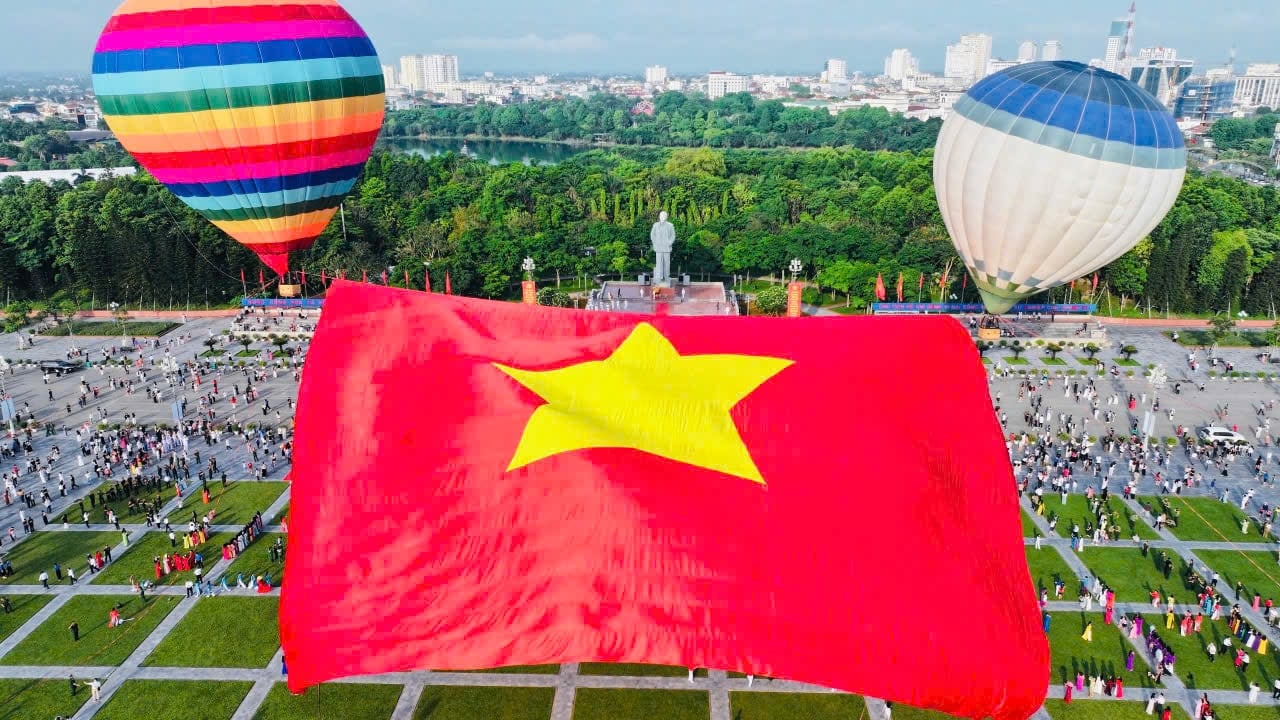
Flag-raising ceremony and flying of the national flag at Ho Chi Minh Square to celebrate Uncle Ho's birthday. Photo: Vo Hai
With more than 2,602 relics and 463 intangible cultural heritages listed, by the end of September 2025, Nghe An has 492 relics ranked at all levels. Of which, 7 relics are classified as special national level; 138 national relics; 347 provincial relics; 13 intangible cultural heritages are listed in the list of national intangible cultural heritages; 14 historical relics and 7 scenic spots are recognized as provincial tourist attractions. In addition, cultural heritages also appear and participate in activities in 25 hamlets and villages that are community tourism spots (folk songs and dances of ethnic minorities), contributing to building brands and creating unique marks at tourist attractions to help retain tourists.
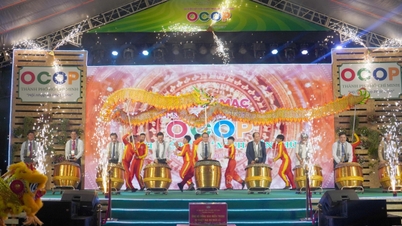
Nghe An also has nearly 30 unique traditional and new festivals at the provincial level, of which 8 traditional festivals are listed in the list of national intangible cultural heritage (Con Temple Festival, Qua Son Temple Festival, Chin Gian Temple Festival, Bach Ma Temple Festival, Thanh Liet Temple Festival, Ong Hoang Muoi Temple Festival, Thap Nien Su Le and Yen Luong Temple Festival). In addition, dozens of commune and ward level festivals have been restored, contributing to further enriching the cultural traditions of Nghe An, while increasing the choices to promote heritage values as well as meeting the increasingly diverse enjoyment needs of visitors from all over. Traditional folk games such as bamboo jumping, carving, tug of war, wrestling, boat racing, cu-wrestling... are increasingly interested, focused on organizing interwoven with modern games, creating a bustling atmosphere of the festival, contributing to connecting the source of ancient historical traditions and modern cultural lifestyle.
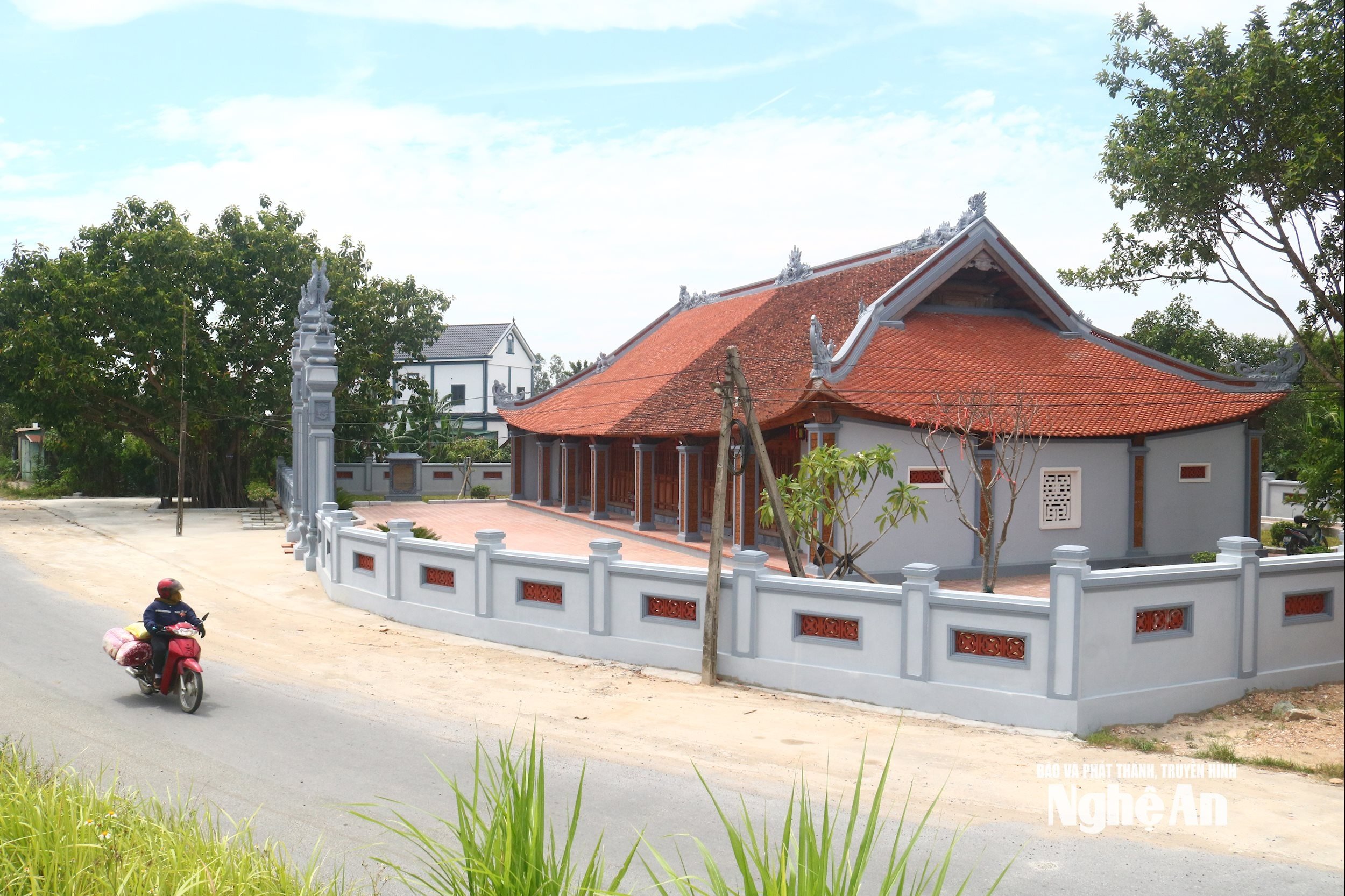
Hoanh Son Communal House was built in 1763 to worship Uy Minh Vuong Ly Nhat Quang (the 8th son of King Ly Thai To). The frame of the communal house is sculpted with unique carvings with rich and dense themes. In 1984, the communal house was ranked as a National Historical Monument, and in 2017 it was recognized as a special National Monument. Photo: Huy Thu
Another heritage sector that has also made strong progress is traditional craft villages such as making cakes and vermicelli (Dai Dong commune), making rice paper (Do Luong commune, Luong Son commune...), making gai cake (old Anh Son district), carpentry (Quynh Luu commune), fish sauce (Quynh Mai ward, Quynh Phu commune, Cua Lo ward, Duc Chau commune)... These heritages not only directly create economic value, but also contribute to tourism development, spreading cultural heritage with tourists.
Regarding Nghe Tinh Vi and Giam folk songs - a representative intangible cultural heritage of humanity recognized by UNESCO, after more than 10 years of registration, this heritage has been strongly spread. Up to now, there are 221 clubs in operation, bringing the heritage to village streets and alleys, attracting all ages to participate. Vi and Giam folk songs not only appear in Vi and Giam folk song festivals at all levels but also appear on many large stages and cultural exchange programs abroad. Teaching work is promoted, especially in schools. The form of promoting heritage is increasingly diverse, in addition to staging and performing on large and small stages, in competitions, Vi and Giam folk songs also appear in songs with folk melodies, performed by artists everywhere in and outside the country, and are spread and promoted on social networking platforms (Facebook, Zalo, Tiktok, ...).
Currently, Vi and Giam folk songs are being exploited and promoted in a new direction, combining sightseeing and experience on tourist routes along Lam River, with journeys along the Lam River to admire the poetic nature and immerse yourself in the folk songs and Vi melodies. This trend is currently effective, bringing both economic value and contributing to the spread of heritage.
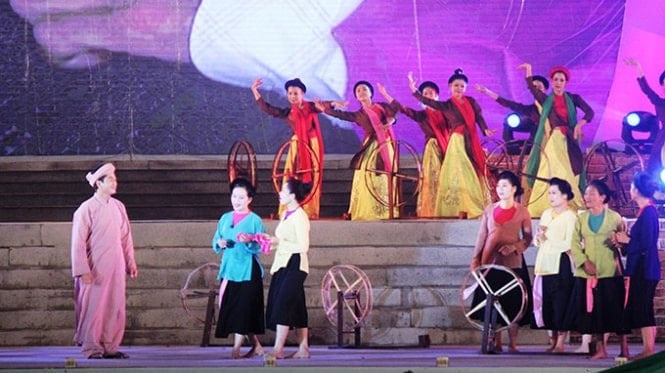
A folk song performance by folk song clubs in the province.
Up to now, Nghe An province has organized 3 times to award the title of People's Artisan, Meritorious Artisan with 90 recognized artisans (01 People's Artisan, 89 Meritorious Artisans). Currently, the province is organizing the awarding of the title of People's Artisan, Meritorious Artisan for the 4th time. This is an important resource, contributing to preserving and spreading Nghe An's cultural heritage beyond the space of Nghe An, of Vietnam and present in many international cultural spaces. Not only that, in recent times, cultural and artistic programs organized by the Department of Culture, Sports and Tourism have created a great resonance, creating a deep impression in the hearts of people and tourists (Sen Village Festival, programs to celebrate major holidays, the inauguration ceremony of Uncle Ho's statue...). That is thanks to the combination of traditional folk elements with the breath of contemporary culture, becoming a spiritual dish that people eagerly await.
In order to support the preservation and dissemination of heritage, in recent years, the province has issued a number of policies such as Resolution No. 29/2021/NQ-HDND dated December 9, 2021 stipulating support policies for artisans, clubs in the field of intangible cultural heritage and artists working at the Provincial Traditional Arts Center; Resolution No. 28/2022/NQ-HDND dated December 9, 2022 stipulating a number of policies to support the preservation and promotion of cultural heritage values in Nghe An province. These policies have helped many relics to be restored and revived, many artisans to confidently contribute, enthusiastically practice and teach heritage, especially young artisans.
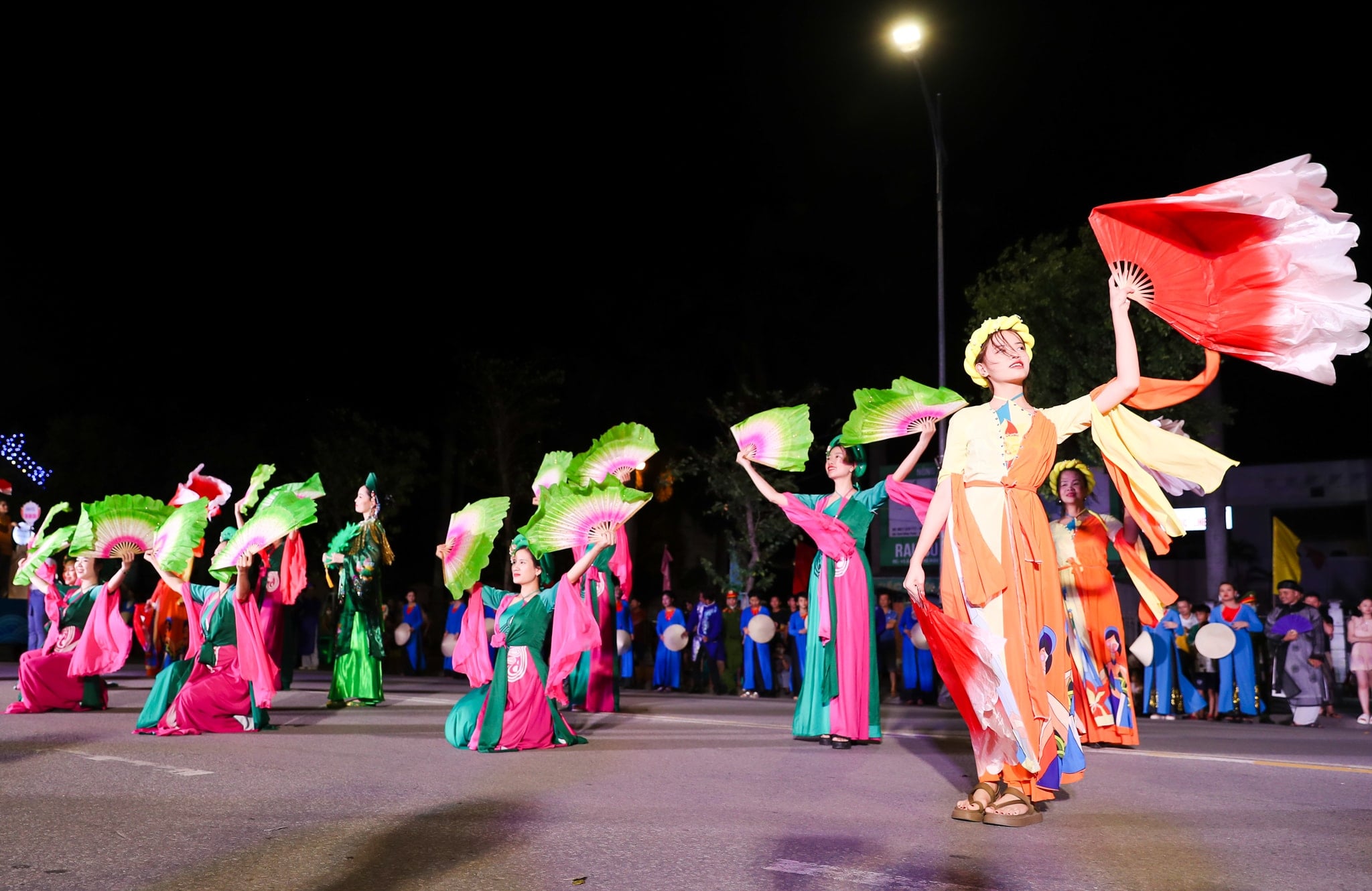
Attractive programs at the Nghe Tinh Vi Dam Folk Song Festival 2023. Photo: Duc Anh
With such potential and advantages, Nghe An cultural heritage is gradually contributing to becoming a driving force for economic development. Up to now, our province has about 204 production facilities based on cultural heritage types that can be developed into souvenir products with 104 types of products. In which, the main group is processed food from agricultural products. Production facilities have created jobs for local people, contributing to the consumption of raw materials.
Exactly 80 years since the Decree No. 65/SL dated November 23, 1945 on Preservation of Ancient Tales was issued and exactly 20 years since the Prime Minister issued Decision No. 36/2005/TTg recognizing November 23 every year as Vietnam Cultural Heritage Day, Nghe An's cultural heritage is still preserved by the honest, rustic but resilient, simple but strong-willed people. Heritage types shine in many important events of the province and the country. The province's cultural heritage also follows the people of Nghe An to distant lands, bringing its "character" to integrate into world culture and moving strongly according to the trend of the times. This year, the Department of Culture also completed many projects to restore and embellish large relics such as Hoanh Son communal house, Dong Vien communal house, Vi Van Khang's house, Kim Lien relic site... contributing to making heritage better serve the enjoyment needs of the people and tourists.
Through the process of formation, preservation and dissemination, Nghe An cultural heritage is no longer simply the "soul" of Nghe An but has become an important factor, one of the "endogenous resources" to promote tourism development, socio-economic development of the province and contribute to orienting new people in a digital, modern society but still imbued with national identity.
Source: ttps://baonghean.vn/di-san-van-hoa-nghe-an-80-nam-giu-gin-va-lan-toa-10313387.html


![[Photo] Worshiping the Tuyet Son statue - a nearly 400-year-old treasure at Keo Pagoda](/_next/image?url=https%3A%2F%2Fvphoto.vietnam.vn%2Fthumb%2F1200x675%2Fvietnam%2Fresource%2FIMAGE%2F2025%2F12%2F02%2F1764679323086_ndo_br_tempimageomw0hi-4884-jpg.webp&w=3840&q=75)
![[Photo] Parade to celebrate the 50th anniversary of Laos' National Day](/_next/image?url=https%3A%2F%2Fvphoto.vietnam.vn%2Fthumb%2F1200x675%2Fvietnam%2Fresource%2FIMAGE%2F2025%2F12%2F02%2F1764691918289_ndo_br_0-jpg.webp&w=3840&q=75)






















































Comment (0)