

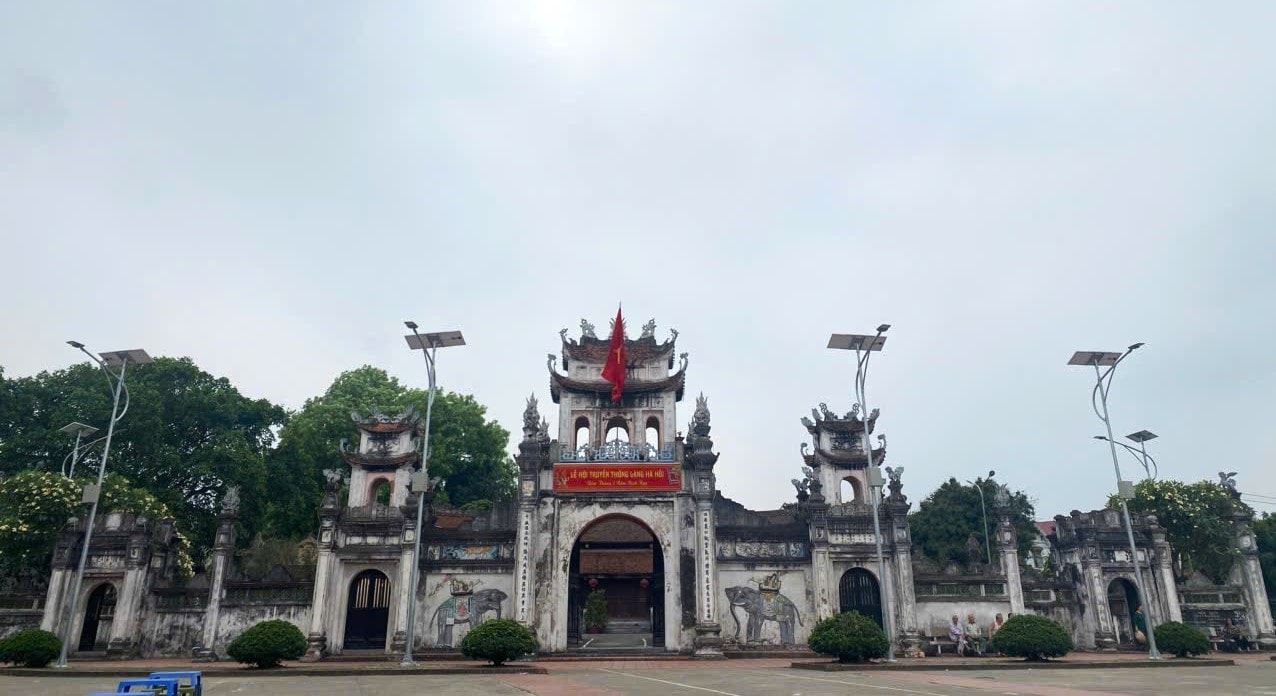
Historical sediment, the essence of Vietnamese village architecture.
Ha Hoi communal house (Hong Van commune, Hanoi city), built in the late 16th century, is one of the typical ancient communal houses of the Red River Delta region. Despite numerous renovations and restorations, the structure has retained its traditional appearance, becoming a landmark of memories for generations of local residents.
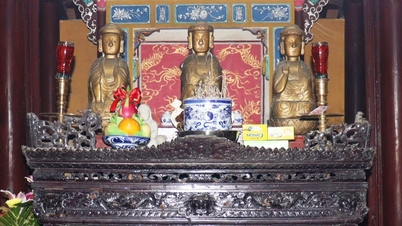
The communal house is dedicated to Cao Son Dai Vuong, the village's tutelary deity, revered as the "Supreme and Most Sacred God." In folk beliefs, he is considered a protective deity, safeguarding the villagers and symbolizing community cohesion. The feudal dynasties repeatedly bestowed imperial decrees, affirming the communal house's sacred status in religious life.
Overall, Ha Hoi communal house exhibits a typical layout of Northern Vietnamese village communal house architecture, with a "inner courtyard, outer sanctuary" structure. The space is organized along a sacred axis, from the ceremonial gate and courtyard to the main hall and rear sanctuary, creating symmetry and harmony. The massive wooden architectural system, with its sturdy truss system, main pillars, and supporting columns, ensures both structural integrity and a majestic appearance.
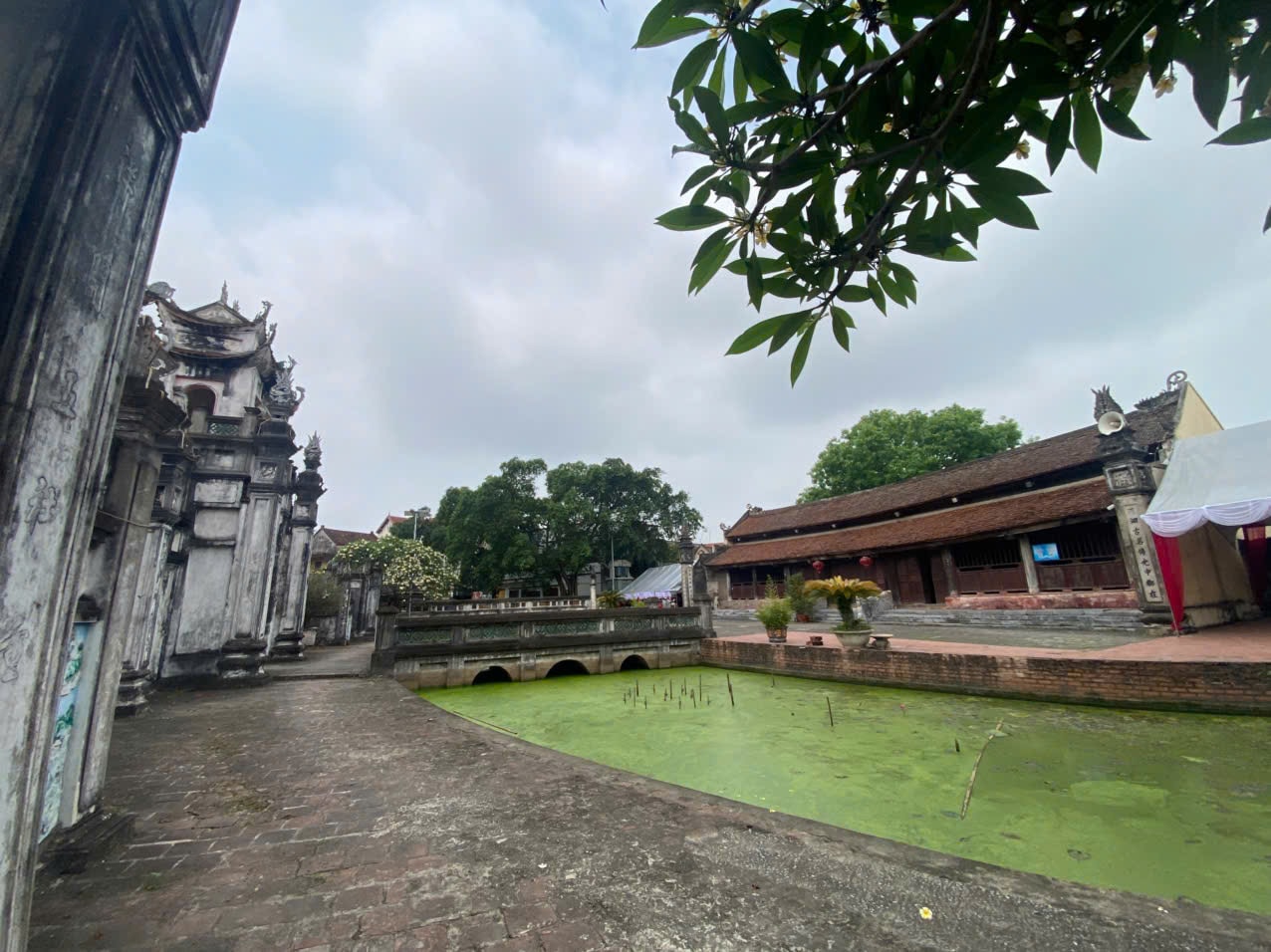
Particularly noteworthy is the art of carving on the wooden components. Familiar themes, such as the "four mythical creatures," "four seasons," and images of folk life, are depicted vividly and gracefully. Each carving not only possesses aesthetic value but also reflects the spiritual life and aspirations of the ancient agricultural population.
Beyond its architectural value, Ha Hoi communal house is also associated with a significant historical event of the nation. In early spring of 1789, during the campaign to defeat the Qing army, the Tay Son rebels attacked and captured the Ha Hoi fort, paving the way for their advance into Thang Long. According to historical records, after the battle, the rebels stopped at the communal house to consolidate their forces before attacking Ngoc Hoi - Dong Da. This historical significance makes the communal house not only a place of religious worship but also a witness to a glorious period of history.
With its outstanding values, Ha Hoi communal house has been classified as a national historical and cultural relic since 1985. This is not only a legal recognition but also a reminder of the responsibility to preserve a precious heritage in the heart of a constantly expanding urban area.
March festivals connect communities and spread cultural identity.
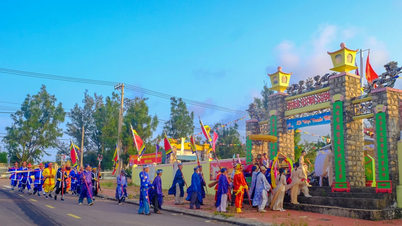
If the communal house is a repository of heritage, then the festival is what gives Ha Hoi communal house its enduring vitality. Every year, on the 15th day of the third lunar month, the local people organize a traditional festival in a solemn yet vibrant atmosphere.
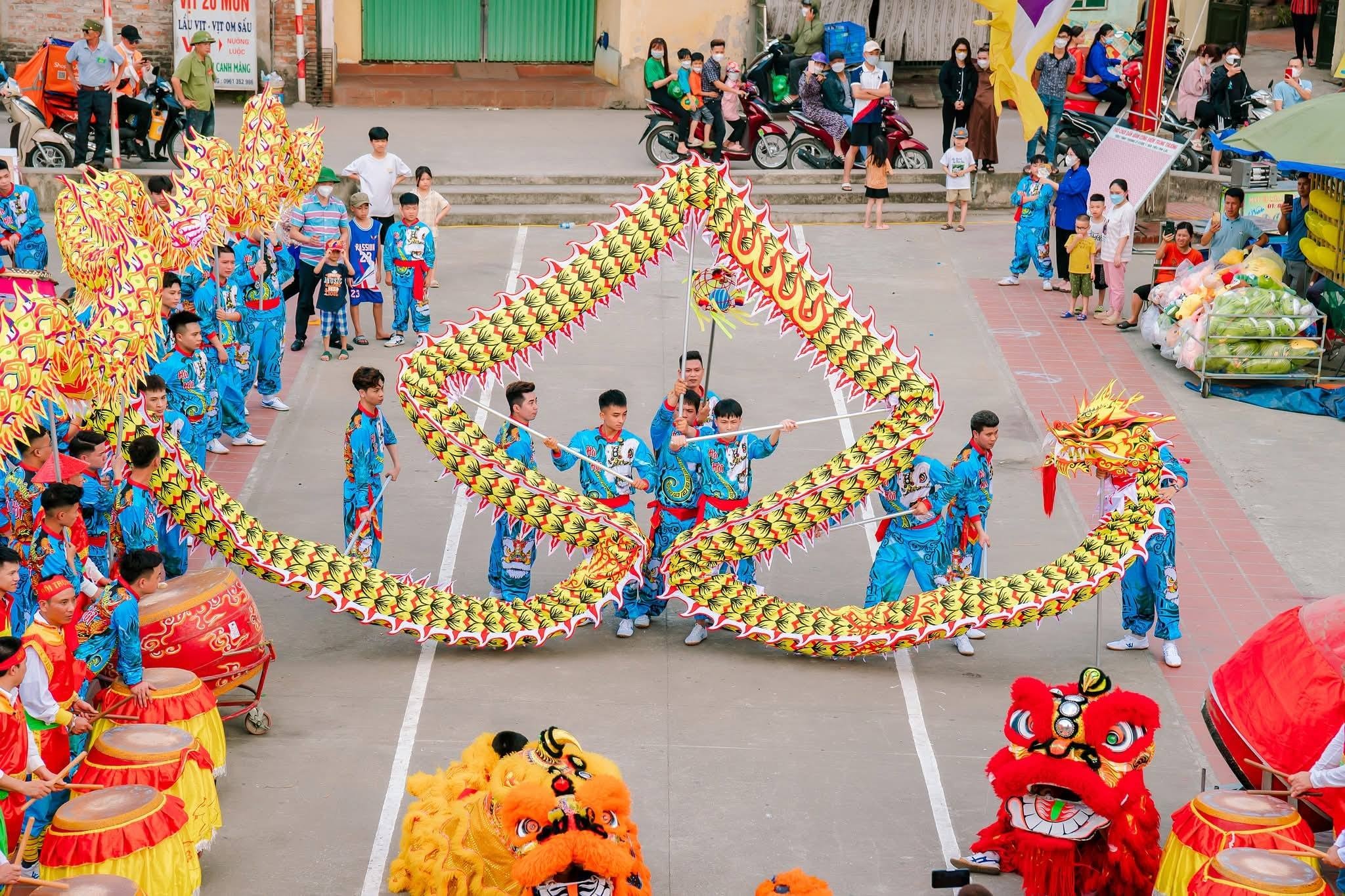
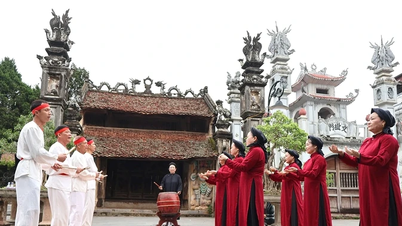
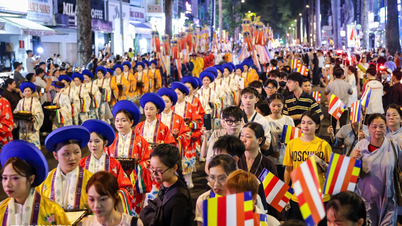
The ceremonial part was meticulously prepared, adhering to ancient traditions with activities such as processions, incense offerings, and sacrificial rituals. Each procession, in orderly attire and adorned with vibrant flags, resonated with ceremonial music, creating a sacred atmosphere. These rituals not only demonstrated reverence for the tutelary deity but also served as a way for the community to reenact history and preserve cultural heritage.
A unique aspect of the Ha Hoi communal house festival is the participation of all the "divisions" within the village, including both Buddhist and Catholic divisions. The simultaneous presence of these groups of residents with different beliefs, yet sharing the same festival, creates a rare and distinctive feature. This reflects the spirit of unity and harmony – a core value of Vietnamese villages preserved through generations.
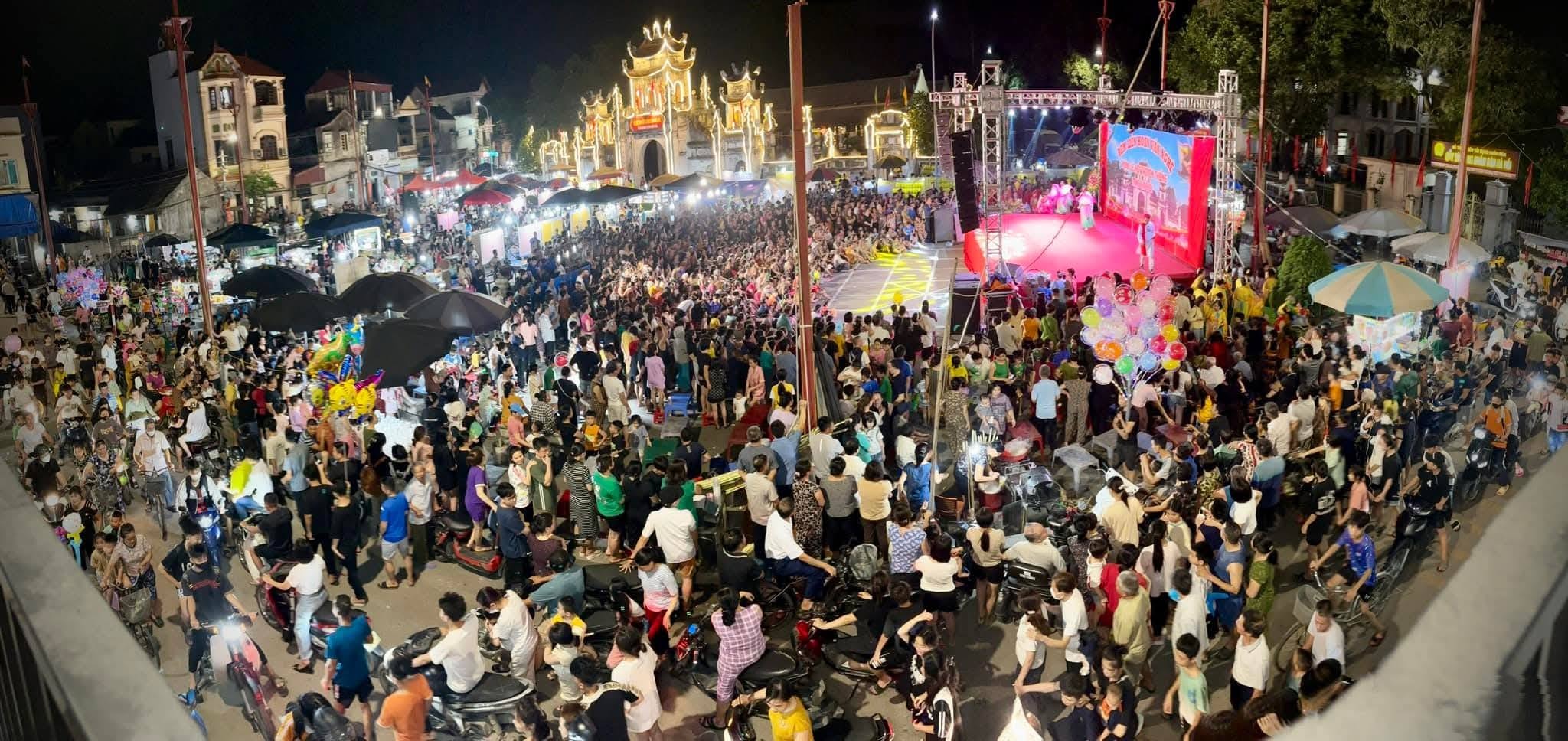
Besides the ceremonial part, the festival part is lively with many diverse activities. Folk games, cultural exchanges, mass sports competitions... attract a large number of people to participate. The village communal house thus becomes a cultural meeting place, where people meet, share, and connect.
Amidst rapid urbanization, the Ha Hoi communal house festival has preserved its traditional customs while adapting to modern life. The organization is increasingly orderly, safe, and economical, yet still ensures traditional elements are maintained. Through this, the festival is not only a cultural activity but also contributes to educating the younger generation about their roots and community values.
Today, Ha Hoi communal house is also a living cultural space. There, history is preserved in every piece of wood, festivals continue through each spring, and people find connection in the ever-changing rhythm of life. Therefore, preserving the communal house is not only about preserving an ancient structure but also about preserving the soul of Thang Long - Hanoi, a city with a thousand years of cultural heritage.
Source: https://hanoimoi.vn/dinh-ha-hoi-and-mua-hoi-thang-ba-746531.html
























































































Comment (0)