

Concerns that national identity is easily lost
Cultural industry is becoming a trend and is identified as an important, sustainable part, contributing to the country's growth. Products and services of the cultural industry have contributed to increasing the competitiveness of the economy and promoting the image of Vietnam to the world. Cultural industries have a higher value-added ratio than production costs, contributing to saving resources, promoting and combining natural elements, culture, national identity and meeting the goal of sustainable development of the country.
Over the past 5 years, the average growth rate in the number of economic establishments operating in the cultural industries reached 7.21%/year. In 2022 alone, statistics show that there are about 70,321 establishments operating related to the cultural industry and the average labor force attracts about 1.7 million to 2.3 million people, an increase of 7.44%/year. Vietnam is a mid-level country in terms of cultural industry development and still has a lot of room for development.
However, to turn that potential into reality, to make each cultural product with a strong "Vietnamese breath" have the ability to compete and spread is not simple. One of the biggest challenges facing the Vietnamese cultural industry today is the strong penetration of global cultural values and products from music , movies, fashion... to social network content. When young people, the major consumer group, easily access international culture, if Vietnamese culture is not clearly and firmly defined, it is easy to be overwhelmed. Without a strategic vision to "select global elites, maintain Vietnameseness", national identity is easy to be lost.
Despite the development policy, in reality, many sectors in the Vietnamese cultural industry still have serious shortages of resources and funding. The production of cultural products such as films, games, fashion design, contemporary art, etc. requires large capital, long payback periods and high risks. Many cultural enterprises, especially small and medium enterprises, will have difficulty accessing investment. To create products with internationally competitive quality from images, sounds, designs, publishing, etc., requires a modern technical system, technology and distribution platform. Currently, many units are limited in equipment and have not had good access to new technology. This situation causes many creative ideas, despite their identity and quality, to not be well realized or to not be widely disseminated.
A paradox in the development of Vietnam's cultural industry is that many works and products have cultural depth and clear identity, but are "standing at a crossroads": beautiful in art, but weak in commerce; or have ideas, but lack strategies to reach audiences and consumers.
Many Vietnamese works have only stopped at “beautiful in the art community”, but have not really become popular products with the power to spread. Meanwhile, accessing the international market, where standards and requirements are higher, and competition is fiercer, requires a methodical strategy and a big vision. Vietnam has only had a few successful cases, but it has not yet become a stable and systematic trend.
The explosion of the digital environment, the internet, and media, besides opening up opportunities for rapid promotion and dissemination, also raises many problems: copyright infringement, illegal copying, uncontrolled distribution, chaotic content, plagiarism, and distortion of cultural values.

In fact, the legal system and measures to protect copyright and intellectual property rights for cultural products are not really synchronous and comprehensive, and have not kept up with the rapid development of technology and the digital environment.
This not only reduces creative motivation, but also reduces revenue and reputation for artists and businesses, making many people afraid to invest in making quality products with Vietnamese identity but easily stolen, distorting artistic value, and spreading illegally.
Furthermore, with new AI technology, digitalization, online distribution, and social media, controlling content, maintaining cultural values, and controlling quality becomes a difficult problem. If management is lax, it is easy for "garbage culture" to occur, with nonsense content, distorted values, and a decline in public trust in Vietnamese cultural products.
The development of cultural industries is sometimes caught in a conflict between economic goals and cultural identity. When the economy becomes a priority, traditional values, cultural depth, humanity, and national identity are sometimes overlooked, over-commercialized, or transformed to suit contemporary tastes.
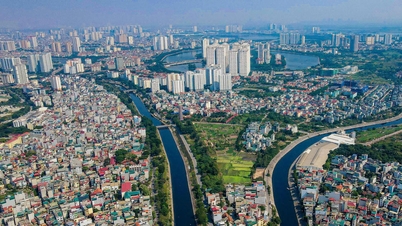
Furthermore, in the process of urbanization, industrialization, and modernization, many heritages, craft villages, and traditional arts are easily lost or distorted to suit the “taste of mass consumers”. This threatens the sustainability of cultural identity, diminishing what is “truly Vietnamese”.
The rights of artists and creators must be protected.
At the National Conference on the Development of Vietnam's Cultural Industries, Dr. Nguyen Phuong Hoa, Director of the Department of International Cooperation (Ministry of Culture, Sports and Tourism) commented that to enhance "soft power", Vietnam needs to continue investing in increasing its presence at prestigious regional and international cultural and artistic events, and proactively host a number of events. international scale to absorb the cultural quintessence of humanity, enrich national culture, and introduce and launch high-quality cultural products of Vietnam, gradually building national brand products for export.

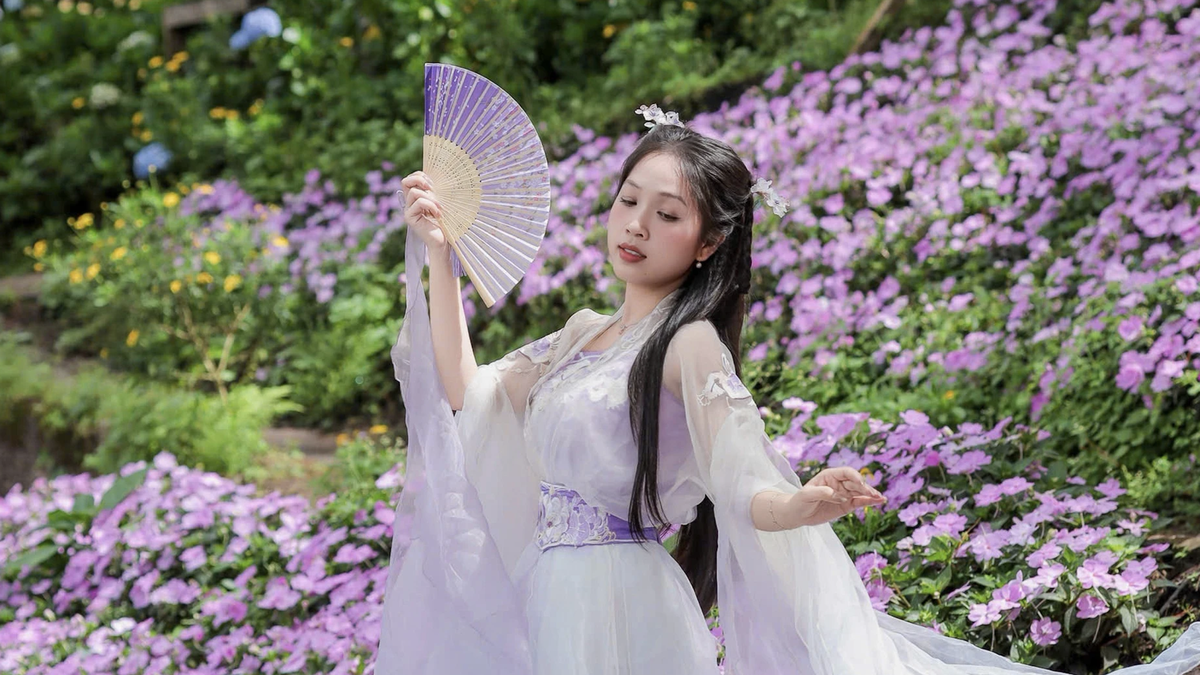
Localities need to pay attention to building their own brands such as: Hanoi - Creative City with Creative Design Festivals, Hanoi International Film Festival, Monsoon Music Festival..., Hue - Festival City with Hue Festival, Traditional Craft Village Festival, Da Lat with Flower Festivals, prestigious music programs... To promote the national image, the State needs to invest so that Vietnam can participate periodically, systematically, and on a large scale at World Expo, Venice Biennale on art, Milan Triennale on architecture, national promotion spaces at Cannes International Film Festival, Berlin...
Dr. Nguyen Phuong Hoa also recommended that the Ministry of Culture, Sports and Tourism should promote reform, perfect institutional synchronization, and integrate cultural and creative industry policies into the overall national economic and social development policy: Innovating the state management mindset to “creation” and “serving development” has become a “compass” for the building of institutions, laws, mechanisms and policies. In the cultural field, a field considered to lack many laws, the development of new laws and amendments to existing laws should be based on the mindset of promoting creative freedom, protecting the rights of artists and creators, supporting the development of the cultural, artistic and creative industries. In particular, it is necessary to build an effective enforcement mechanism for intellectual property laws and copyright protection, especially in the digital environment. Copyright laws and policies must protect the rights of artists and creators, but at the same time must ensure a balance in public access to creative works.
It can be seen that affirming Vietnamese identity in cultural industrial creation is a long-term journey: balancing tradition and modernity, preserving original values, while at the same time innovating, creating, and integrating; It is the building of an ecosystem from human resource training, technical development, infrastructure, law, market to building national cultural brands, copyright protection, content management, marketing, and export.
If successful, Vietnam will not only have a developed cultural industry but also a “global Vietnamese identity”: quality products, imbued with Vietnamese spirit, with the power to spread, respected and loved by international friends. And more than that, it is the best way to preserve the national soul, create cultural pride, connect the past and the future, inspire creativity for the next generation, so that Vietnamese culture not only lives, but also shines.
Source: https://baophapluat.vn/dinh-vi-can-cuoc-viet-trong-dong-chay-cong-nghiep-van-hoa-toan-cau.html



















































Comment (0)