

At the recent seminar “Green urban areas in the city center: Development trends and sustainable living values” organized by the Vietnam Association of Realtors (VARs), urban planning and economic experts all agreed that green factors are not only a trend but have become a new standard, determining the attractiveness and sustainable value of modern housing projects.
Dr. Tran Xuan Luong, Deputy Director of the Vietnam Institute for Real Estate Market Research and Evaluation (VARs IRE): “Green living” is not just about owning a space with lots of trees, but also about living in a green building - where the landscape, architecture, construction materials and operating systems are all optimized to minimize negative impacts on the environment, while improving the overall quality of life for residents.
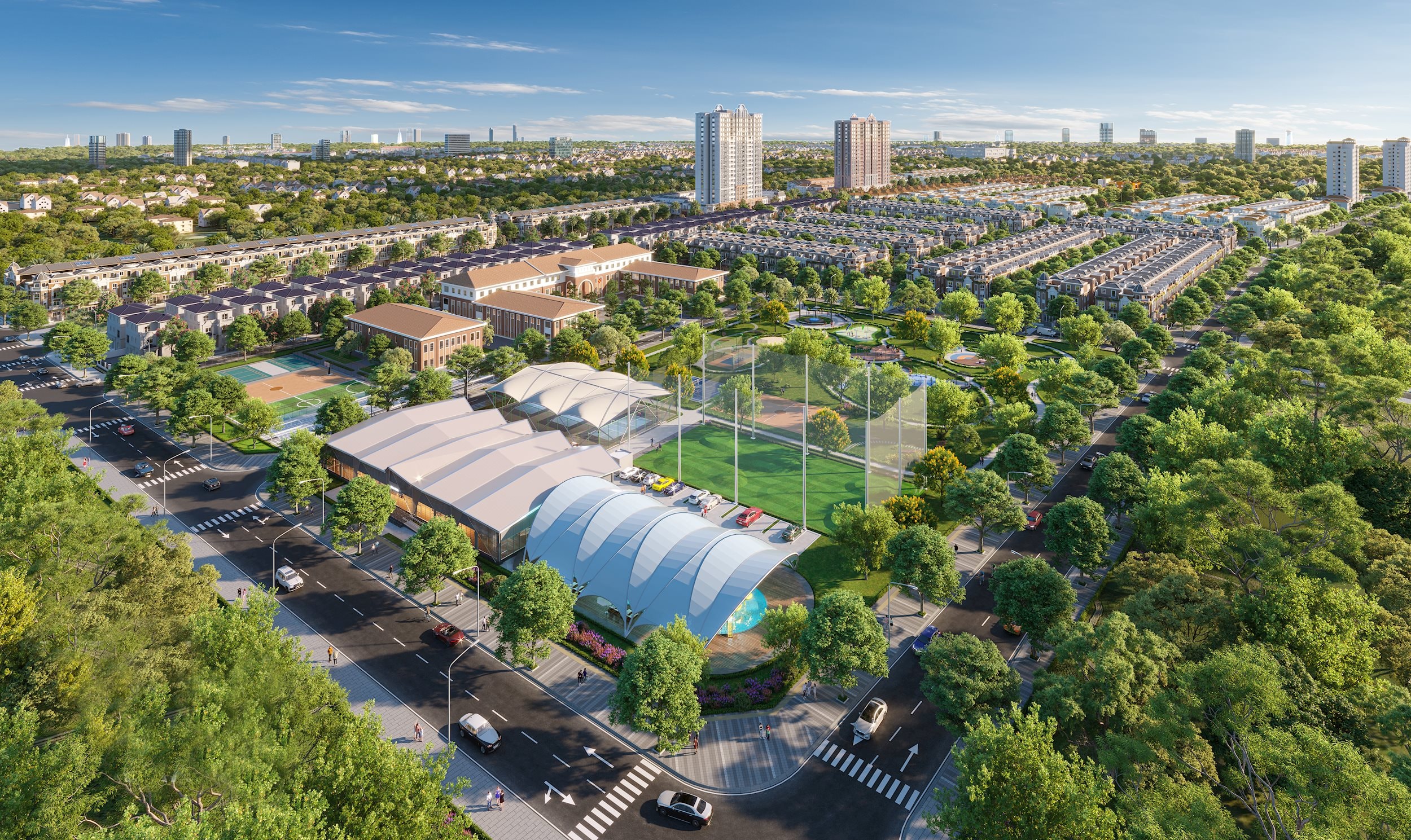
From the perspective of urban planning and economics, Dr. Nguyen Van Dinh, Chairman of the Vietnam Association of Real Estate Brokers (VARS), shared that the green living model in the central location is considered to have special potential.
Because the central location always ensures the ability to increase prices in the long term, while green projects have good absorption rates, high exploitation rates and bring in higher profit margins than normal projects. Market reality shows that green-certified housing products often have stable price increases and good price retention even in volatile market contexts.
“Green building projects that focus on residents' health, human amenities and the surrounding environment are becoming the center of attention, with outstanding transaction volume and liquidity,” he said.
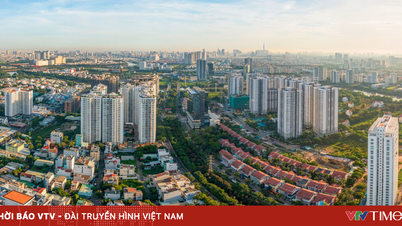
In the context of increasingly limited inner-city land funds, especially in large cities, green buildings are mainly developed in satellite areas. For example, in Hanoi , pollution forces people who want to live green to move to the suburbs. Therefore, green buildings in the center become "unique goods", with different values and high scarcity.
Agreeing with this view, Dr. Nguyen Minh Phong, an economic expert, said that customers who own green real estate in the center will have a convenient place to live and enjoy a resort space without having to invest in a 'second home'.
At the same time, in recent years, people's priorities when buying a house have changed significantly. Young customers and the middle and upper class increasingly pay attention to the quality of living space, prioritizing projects that emphasize health, happiness and sustainability.
“This continues to boost demand for green, environmentally friendly projects, while affirming the inevitable development trend of the real estate market in the coming period,” he said.
In fact, green real estate is not only developing in big cities like Hanoi or Ho Chi Minh City. Many “big guys” in the industry have expanded their strategies to emerging localities, typically Nghe An , contributing to a clear change in the urban landscape and living standards of the area.
Green building models, green real estate or green urban areas often synchronously meet three factors: Green buildings (environmentally friendly materials, energy saving, solar power application, optimized natural ventilation, wastewater treatment system meeting A standards, smart garbage collection); green landscape (trees, multi-layered vegetation, water surface) and green operation (reusing treated water for watering plants, system operating on renewable energy).
The Chairman of VARS assessed that, in the context of increasing demand for high-quality living environment, projects aiming at green urban models right in the city center are receiving more attention. He believes that this segment has the potential to attract the attention of young customers and the local middle and upper class as well as investors in other provinces and cities.
Source: https://congluan.vn/do-thi-xanh-giua-trung-tam-hang-doc-len-ngoi-10321852.html


![[Photo] Urgently help people soon have a place to live and stabilize their lives](/_next/image?url=https%3A%2F%2Fvphoto.vietnam.vn%2Fthumb%2F1200x675%2Fvietnam%2Fresource%2FIMAGE%2F2025%2F12%2F09%2F1765248230297_c-jpg.webp&w=3840&q=75)







































![[Photo] General Secretary To Lam works with the Standing Committees of the 14th Party Congress Subcommittees](https://vphoto.vietnam.vn/thumb/402x226/vietnam/resource/IMAGE/2025/12/09/1765265023554_image.jpeg)




















Comment (0)