

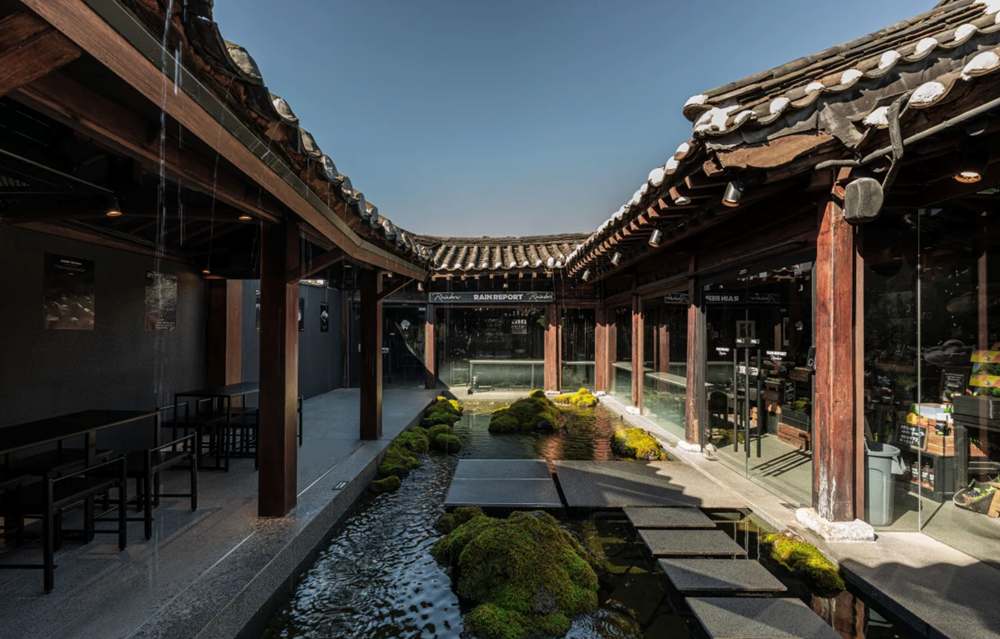
Stepping into any coffee shop in South Korea, visitors will encounter a familiar scene: business partners discussing work, friends meeting, couples on dates, and even cagongjok – a Korean term meaning "people who like to study at coffee shops."
Beyond simply offering the convenience of buying a latte or Americano, many of Koreans' favorite coffee shops have evolved into experiences that closely resemble cultural activities.
“For Koreans, coffee shops are multi-functional centers,” said Jihyu Kim (34), co-CEO of Seven Island Coffee, a coffee shop and cultural space in Busan.
Ms. Kim stated that modern coffee culture is now viewed similarly to a museum or a movie theater.
South Korea also has a concept called "gamseong," which refers to the emotions evoked by aesthetically pleasing spaces.
This very sentiment has fueled a phenomenon unique to Korea: gamseong cafes.
Here, the priority isn't just a perfect cup of coffee, but the space itself. From the exterior architecture to the interior design, the lighting, and the emotions customers experience, everything is meticulously calculated to create an atmosphere that is not only visually appealing and Instagrammable, but also emotionally stimulating.
It's not just coffee.
In a fiercely competitive industry, coffee shops are forced to differentiate themselves. These pressures have shaped everything from the menu to the architecture.
A word that's become popular in South Korea these days, especially among MZ (a term referring to Millennials and Gen Z), is "chugumi ," which describes "the image, lifestyle, and fashion style that a person pursues and desires."
According to Heesu Jeon (41 years old), CEO of the architectural firm A.Live and the chief architect behind OUTPOST, a minimalist cafe with stone walls that won the iF Design Award 2025 and is located in the Stonery resort on Ganghwa Island.
Korean-style cafes also offer customers the opportunity to experience the lifestyle, even if only for an hour.
Mr. Jeon said that if tourists prefer a 'hygge' (cozy) style at a cafe, they will choose a cafe with that kind of interior design.
This logic is similar to how K-pop developed its global export product by creating experiences that go beyond mere music . K-pop has transcended music, combining performance and fashion to enhance the experience.
Similarly in South Korea, coffee shops are not just about coffee; they also incorporate architecture and brand storytelling.
The need to differentiate itself has led to two main trends: city cafes compete through ideas and decor, while suburban cafes compete through space, scenery, and a sense of "escape" from the daily grind.
Coffee shops in the suburbs also fit in with South Korea's car-dependent culture. Many customers view coffee dates as short trips, and often make the effort to visit cafes on longer journeys.
A trip to a suburban cafe can feel like "a little day trip."
"Emotional capital, the experience economy "
According to CNN , coffee culture is shifting towards valuing emotional connection more. Previously, money and technology were considered capital. However, over time, things that touch emotions have become far more valuable.
This helps explain why, even though coffee prices in South Korea may be higher than in many other countries, customers continue to flock to it. According to Mr. Kim, Koreans are willing to pay if they are satisfied with the experience and emotional fulfillment.
For example, at Seven Island Coffee, customers are paying for the entire experience, from arrival to departure.
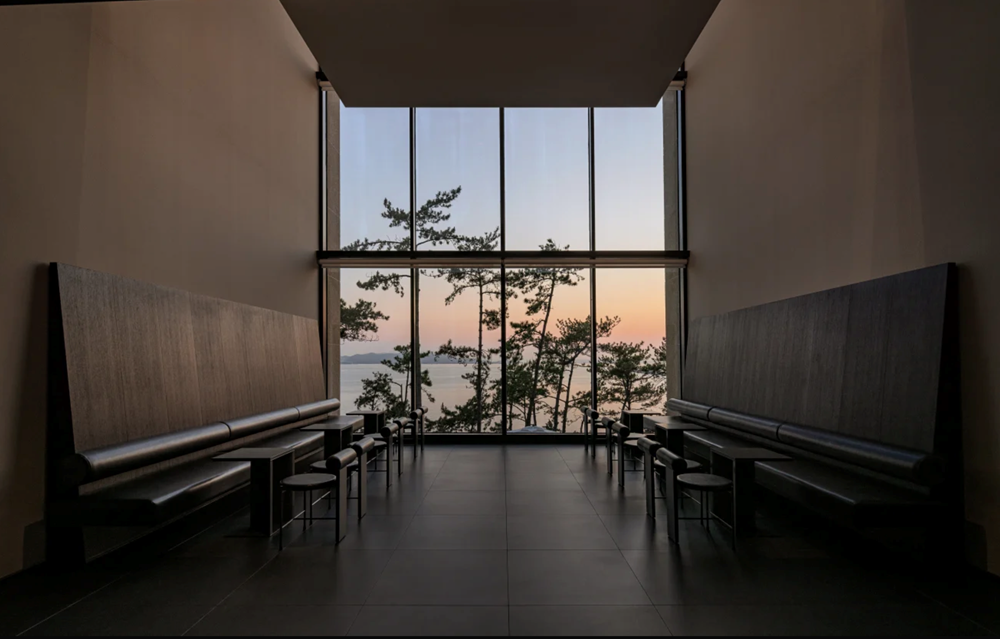
Perched precariously on the cliffs of Gadeokdo Island off the southern coast of Busan, this cafe draws inspiration from the surrounding islands. The exterior buildings are arranged to face different islands, offering guests a variety of perspectives as they move through the space.
Inside, the ground floor uses dark tones to evoke the ocean floor, then gradually transitions to the upper floors with brighter spaces, symbolizing the island itself.
The seating is designed lower than usual so as not to obstruct the view, and artificial lighting is kept to a minimum to maintain a sense of "pure nature."
In South Korea today, what customers look for in a coffee shop is gamseong – a meticulously crafted and refined emotion that accompanies each cup of coffee.
Source: https://baovanhoa.vn/du-lich/doc-la-nhung-quan-ca-phe-kieu-han-don-tim-du-khach-224682.html













































































Comment (0)